Beware of text message tuition fee fraud and other student scams
Published: 16/09/2025
We’ve put together a list of the eight biggest scams to watch out for during your studies.
1. The tuition fees scam
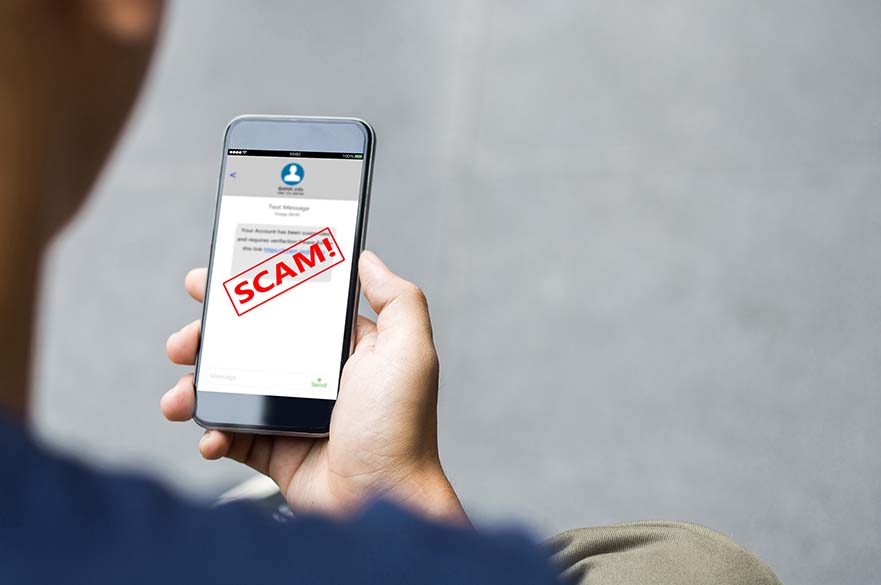
We have received reports that scammers have been texting and calling students and their parents, pretending to be the Student Loans Company (SLC) or NTU colleagues, and asking them to pay tuition fees.
This scam is convincing because they know specific details about students.
The SLC have even seen an increase in ‘smishing’ attacks – fraud via text message – and have offered advice on how to spot these scams.
2. The accommodation fees scam
Criminals are also pretending to work for university accommodation providers and are contacting students asking for fees to be paid.
Don’t give out bank details or set up payment plans over the phone to anyone who cold calls you or texts you. Contact your accommodation provider or the University directly if you’re not sure.
NTU will never ask you to pay fees over the phone or by text. Don’t give out bank details over the phone to anyone who contacts you claiming to be from NTU.
If you receive a call or text from someone asking for these details, do not respond, make a note of the phone number used, and get in touch with the NTU Accommodation team.
3. Money muling
Money muling is when you are asked by criminals to give access to your bank account so they can pass criminal money through it. They will try to entice you with promises of quick cash, but being a money mule makes you complicit in a crime which can have serious consequences. Recruiters are often active in student cities and on social media and they will also try to get students to recruit each other.
Find out more about money muling and how to avoid this dangerous scam.
4.Ticket scams
There’s always plenty of fun things going on for university students, especially during freshers. But be wary of events you see advertised online; scammers have been known to advertise fake events in the hope of selling you tickets for them.
Learn more about how to spot ticket scams.
5.Yearbook scams
The yearbook scam seems to happen every year, and is something to watch out for. Students might receive emails inviting them to sign up for an NTU yearbook. This is not a legitimate email from NTU, and we do not have a relationship with ‘uniyearbook.com’ or any other yearbook provider. The link in the email leads to an online form that will collect the personal data of those who fall for this phishing scam. This includes bank account information that could be used by criminals to make fraudulent charges on your bank account.
Find out more about this scam and how to spot phishing emails.
6. Romance scams
Romance scams are when you think you’ve met your perfect partner online, but they aren’t who they say they are. A scammer adopts a fake online identity to gain your affection. They then use the romantic relationship to manipulate and steal from you. Once they’ve gained your trust, they may suddenly show signs of desperation and need money quickly.
Scammers will make plans to meet in person or even propose marriage, but it will never happen. They often say they are in the building and construction industry, military or are travelling in a different country to make it easier to avoid meeting.
Read our top tips for avoiding romance scams.
7. Juice jacking and sim nabbing
Be cautious when charging your phone in pubs, clubs, or licensed venues. Some public chargers hide chips that steal personal data and send it to hackers. Always carry and use your own charger.
Protect yourself further by adding a SIM lock, as offenders have been known to remove SIM cards and access bank accounts. Losing your SIM also means your number is cancelled, creating further disruption.
Find out how to report cyber crime to the Nottinghamshire Police.
8. Fake bank emails
Fraudulent emails are circulating, claiming to be from Lloyds Bank. The emails falsely state that your student loan has not been paid into their account and threatens a £300 penalty unless you update your details via a link.
Look out for any emails you receive that sound like this, including any purporting to be from your bank, the Student Loans Company or NTU. Do not click the link or share any personal details, and delete the message immediately. If you or someone else has already clicked the link or entered details, contact your bank and reach out to the DT Service Desk.
Key warning signs:
- urgent language and threats of penalty or account closure
- requests for personal or banking details (your bank should already have these).
- a suspicious link to a website you don’t recognise.
NTU's advice for keeping yourself safe online
You can find plenty of guidance and information on scams and current security threats on StudentHub. Don't forget to complete our cyber security awareness online learning modules too.