What are chalk streams and why are these rare rivers under threat? An expert in river ecology explains.
Chalk streams are among the world's rarest river habitats. Fewer than 300 exist globally, and most are found in England. They support rich wildlife and have been described as England's ’Great Barrier Reef’ due to their biodiversity. But they face pressure from climate change and other long-term impacts including pollution and water abstraction. Prof Rachel Stubbington explains what makes chalk streams unique, why they are important and what can be done to protect them.
By Professor Rachel Stubbington | Published on 14 August 2026
Categories: Press office; Research; School of Science and Technology;
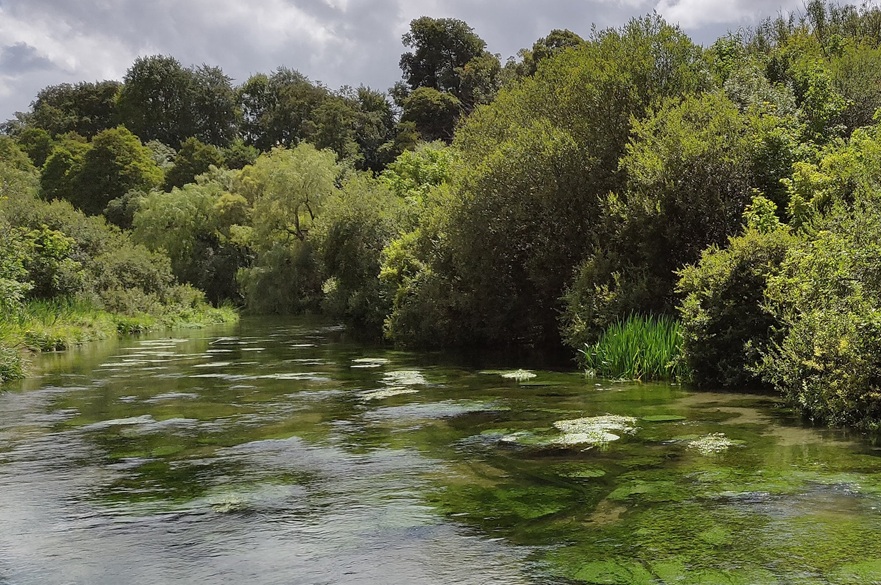
What you need to know:
- Chalk streams are spring-fed rivers fed by water filtered through underground chalk rock.
- Fewer than 300 chalk streams exist worldwide and most are found in England.
- Their clear, mineral-rich waters support biodiverse plant, insect and fish communities, including rare species.
- Climate change, pollution, physical habitat modification and water abstraction are putting many chalk streams under pressure.
- Scientists and conservation groups are calling for stronger protection and restoration.
What is a chalk stream?
A chalk stream is a river fed by groundwater that has filtered through porous chalk rock.
As rainwater slowly passes through the chalk, it is naturally filtered before emerging into the river channel. This process creates exceptionally clear, cool and mineral-rich water.
Because chalk acts as a natural water store, releasing water gradually over time, chalk streams have relatively stable flows.
These conditions create an environment that supports a wide variety of plants and animals.
Many chalk streams contain sections with year-round river flow and temporary headwaters known as winterbournes, which only flow when groundwater levels are sufficiently high, often during winter and spring.
Why are chalk streams important for nature?
Chalk streams support some of the UK's most important freshwater habitats.
In their lower reaches, clear, nutrient-rich waters support aquatic plants, diverse insect communities and fish species including trout and salmon. This makes them ecologically important as well as valuable for recreation and local economies.
Further upstream, the character of the river changes.
Some headwater sections, the winterbournes, naturally alternate between wet and dry conditions. Although these channels can appear lifeless when dry, they support remarkable biodiversity.
Their changing conditions allow aquatic and terrestrial species to share the same winterbourne habitat at different times of the year, increasing overall biodiversity.
Over time, some species have evolved to take advantage of these seasonal cycles. As a result, winterbournes support specialist insects that are rarely found elsewhere, including nationally rare or scarce species of mayfly, stonefly and blackfly.
Research by Nottingham Trent University in collaboration with the Environment Agency has helped improve understanding of these habitats and their importance for biodiversity.
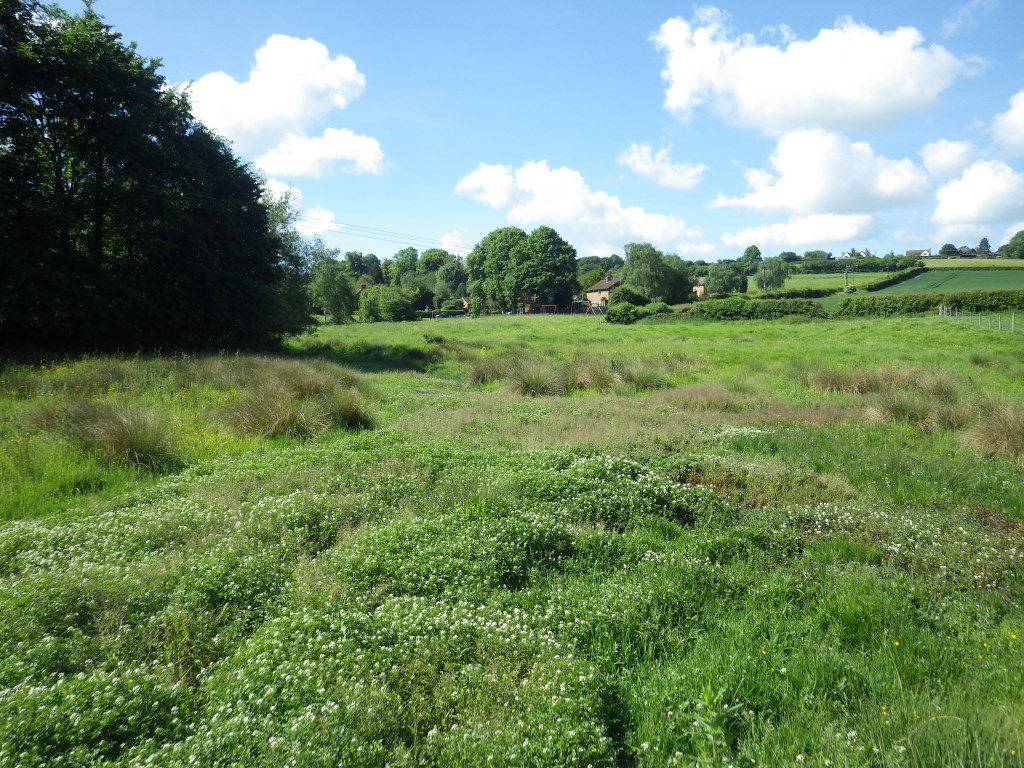
A dry winterbourne section at the River Gade (Image: Environment Agency)
What are winterbournes?
Winterbournes are temporary streams found in the upper reaches of many chalk stream systems.
Unlike the lower sections of the river, which flow throughout the year, winterbournes only contain water when groundwater levels rise high enough to feed the channel.
During dry periods they may stop flowing and dry out altogether.
This cycle of flowing and drying is a natural feature of healthy winterbourne systems. Rather than being a sign of environmental damage, it creates conditions that support species specially adapted to these changing environments.
Why are chalk streams under threat?
Despite their rarity and ecological importance, chalk streams face a range of pressures.
One of the most significant is water abstraction, where groundwater and surface water is removed, for examples for public water supply and to support farming. This can alter natural flow patterns and reduce the amount of water in rivers.
Pollution is another major concern. Nutrients from farmland can encourage excessive algal growth, while organic-rich discharges from wastewater treatment works can reduce the oxygen available for animals such as fish and insects.
Historic river modifications have also altered the shape and function of many chalk streams.
Climate change is adding further pressure. More frequent extreme weather events including droughts and heatwaves can affect river flows and water quality.
Winterbournes may be particularly vulnerable because of their close relationship with groundwater. During prolonged dry periods, reduced groundwater levels can extend the time these streams remain dry, threatening species that depend on seasonal flow patterns.
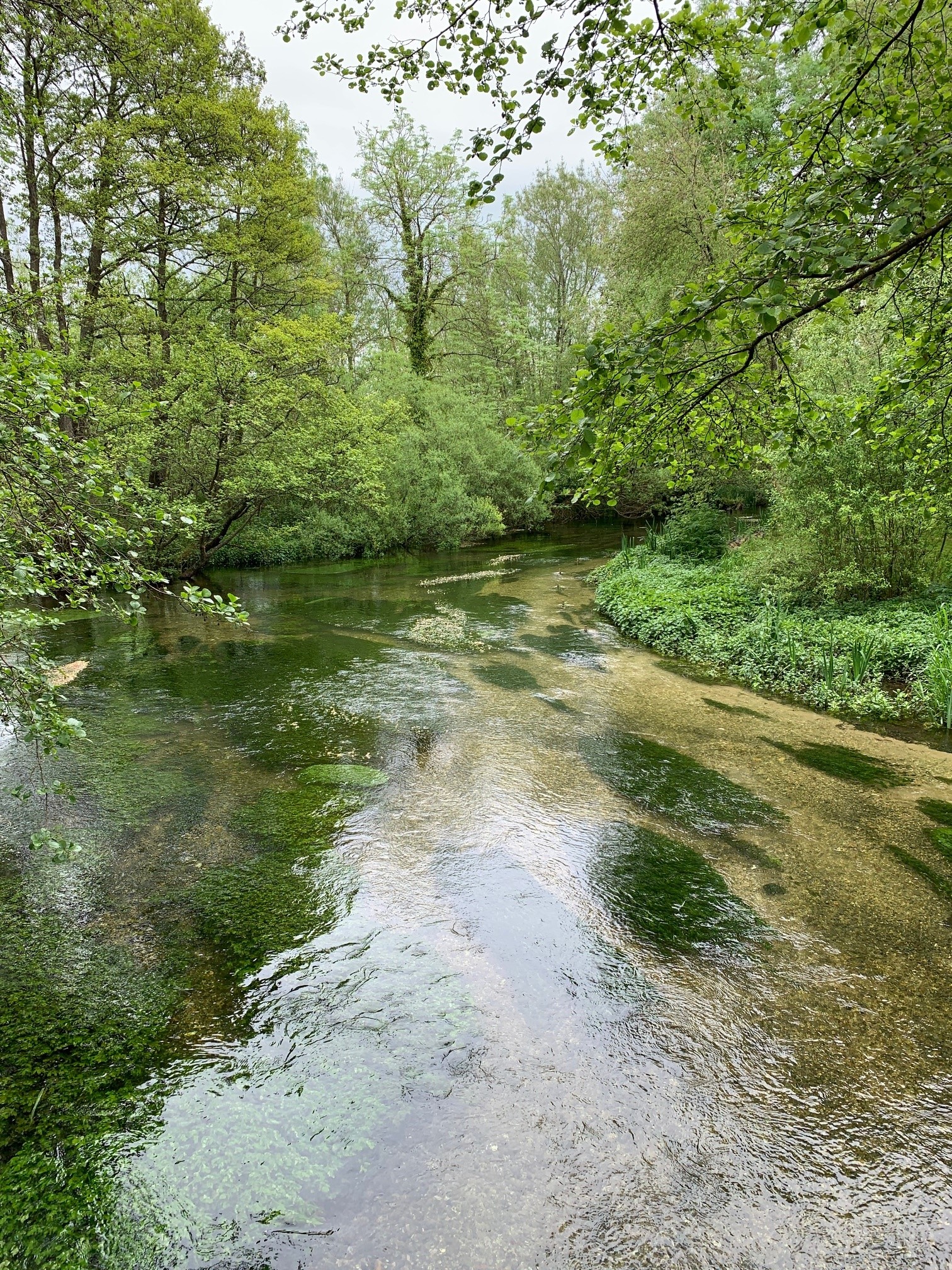
A chalk stream (Image: Tim Sykes)
How can chalk streams be protected?
Research by Nottingham Trent University in collaboration with the Environment Agency suggests that improving water quality and reducing pressure on water resources could help chalk streams become more resilient to climate change.
In particular, this research showed that river invertebrates are less able to recover from drought when water quality is poor or river flows are already below normal, potentially due to abstraction.
These findings suggest that reducing pollution and restoring more natural flow conditions could help protect biodiversity in the future.
NTU researchers have also contributed to guidance to support landowners and environmental managers working to protect and restore winterbourne habitats.
Ongoing partnerships with conservation organisations are helping monitor ecological conditions before and after restoration projects.
Many scientists, conservation organisations and environmental groups are also calling for stronger protection of chalk streams, recognising their importance as some of England's most distinctive and biodiverse freshwater ecosystems.
Rachel Stubbington is a Professor of River Ecology in Nottingham Trent University’s School of Science and Technology. Their research - in collaboration with managers at the Environment Agency - aims to protect biodiversity in river ecosystems, in particular the mysterious winterbourne reaches of England’s iconic chalk streams.