About this course
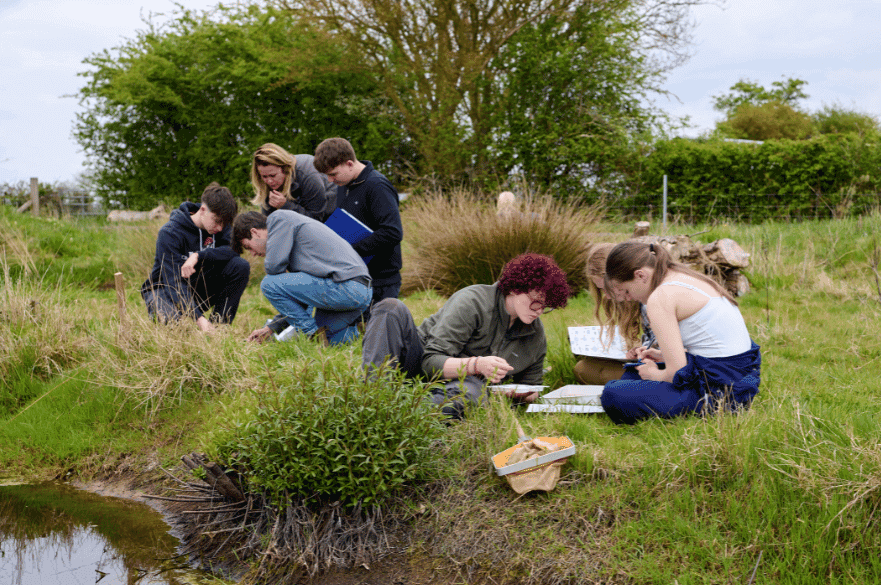
This course will develop your knowledge of wildlife conservation and the environment. You’ll also study different wildlife habitats and take part in classroom activities to learn about how to protect and save rare wildlife.
Why choose Brackenhurst?
Brackenhurst is the rural campus of Nottingham Trent University and, as the centre of Animal, Rural and Environmental Sciences, we are passionate about the countryside and farming. Our mission is to make you industry-ready and career-focused individuals, so that you are ready to take the industry forward.
Brackenhurst is only a bus journey away from Nottingham city centre. However, it feels a world away from the city when you see the stunning Nottinghamshire countryside within which Brackenhurst is located. Our college courses run alongside degree courses – all taught by tutors who are skilled, experienced and supportive.
Brackenhurst prides itself on providing you with a friendly and supportive learning environment. Our college courses are taught by tutors who have spent time working in industry, therefore transferring their skills and experience, with a focus on making you industry ready.
-

Easy to get to
Brackenhurst is set in stunning countryside just a bus ride away from Nottingham city centre, next to the town of Southwell.
-

Amazing facilities
At Brackenhurst, you’ll have access to incredible facilities. These include an Animal Unit, Equestrian Centre, laboratories, library and gardens and fields that are overflowing with plants and wildlife.
-

Study your college course at a uni
Studying with us means that you’ll be a part of an amazing learning environment. You get all the perks of being part of a big university, but you will still enjoy the comforts of a friendly college.
-

Follow your passion
Our courses have great progression routes to further study. You can even study one of NTU’s degrees right here at Brackenhurst, and may be eligible to receive an offer one grade lower than the standard entry tariff.
This course is for anyone passionate about the environment and keen to learn how to protect and save rare species. You'll gain an understanding of wildlife conservation and develop practical hands-on experience of managing wildlife and habitats, outdoors and as part of a team.
Module information
Here’s a breakdown of what you’ll be studying throughout the course:
Learners will study professional responsible working practices with a focus on ensuring health and safety, wellbeing, resource management and waste management in the environmental, wildlife and conservation sectors.
credits
Understanding how plants grow and what they need to be successful is essential for their management in a range of sectors and for a broad range of purposes, including growing crops for people or livestock, growing decorative plants and providing environments for leisure or habitat conservation. This module focuses on the structural and functional features of plants and soils. This will in turn inform and influence management practices in the environmental, wildlife and conservation sectors.
credits
Learners research work opportunities in the land-based sectors and the skills needed to attain them, developing communication and employability skills through study and work experience.
credits
A largely practical module, learners will select and apply the practical skills required to undertake tasks relating to environmental management and the maintenance of physical infrastructure and habitats. These skills play an important role within the wildlife conservation sector.
credits
In this module learners will investigate the different types of UK habitats, species and the threats these face such as urban sprawl, pollution and non-native species. In addition learners will gain the practical knowledge to carry out industry standard surveying methods.
credits
To compliment managing environmental habitats module, this module focuses investigating the ecology of species and the methods and skills needed to carry out wildlife habitat improvements and wildlife conservation such as wildlife rehabilitation, relocation and reintroduction.
credits
A blend of practical and theory, Learners develop skills in the safe operation of machines used in the environmental, wildlife and conservation sectors, including carrying out pre-start checks, basic maintenance and repair, and operation.
credits
credits
credits
credits
credits
credits
credits
credits
credits
credits
credits
credits
credits
credits
credits
credits
credits
credits
credits
credits
credits
credits
credits
credits
credits
credits
credits
credits
credits
credits
credits
credits
credits
credits
credits
credits
credits
credits
credits
credits
credits
credits
credits
credits
credits
credits
credits
credits
credits
credits
credits
credits
credits
credits
credits
credits
credits
credits
credits
credits
credits
credits
credits
credits
credits
credits
credits
credits
credits
credits
credits
credits
credits
credits
credits
credits
credits
credits
credits
credits
credits
credits
credits
credits
credits
credits
credits
credits
credits
credits
credits
credits
credits
credits
credits
credits
credits
credits
credits
credits
credits
credits
credits
credits
credits
credits
credits
credits
credits
credits
credits
credits
credits
credits
credits
credits
credits
credits
credits
credits
credits
credits
credits
credits
credits
credits
credits
credits
credits
credits
credits
credits
credits
credits
credits
credits
credits
credits
credits
credits
credits
credits
credits
credits
credits
credits
credits
credits
credits
credits
credits
credits
credits
credits
credits
credits
credits
credits
credits
credits
credits
credits
credits
credits
credits
credits
credits
credits
credits
In this module learners critically explore up to date and relevant key issues relating to the environment and wildlife conservation. Learners will study topics such as environmental law, policies, environmental ethics, emerging technologies and working practices as well as current conservation news.
credits
A balanced module of theory and practical learners develop the skills needed to manage different woodland environments, from initial structure and condition surveys to undertaking practical tasks to manage biodiversity. Learner will study several key indicator species, such as the silver-washed fritillary butterfly, dormouse and pied flycatcher that depend on properly managed woodlands for their survival.
credits
Countryside management is becoming increasingly complex, as countryside organisations take account of the growing population with leisure time to spend using countryside amenities. Learners produce management plans for countryside recreational activities, accounting for the needs of countryside organisations and the natural environment.
credits
There are many different areas in the UK that can be explored by members of the public. A growing interest in these areas has led to an increased use of the countryside for recreation purposes as well as tourism. With the increased awareness of the need for conservation activities, visitors to the countryside can also include people who work as volunteers helping to manage the environment. In this module learners will develop skills and knowledge in the management of countryside activities for visitors with a range of interests.
credits
Both freshwater and wetland habitats are made up of a complex combination of features. Flora, fauna, water type, water pH, soil type and location all interact to produce widely different environments. Learners will explore these habitats and their associated wildlife, as well as develop skills in surveying and in the practical management of freshwater and wetland habitats in order to increase biodiversity.
credits
Biological diversity, or biodiversity, is one of the most important concepts in the natural sciences; it is the range and distribution of species as well as their differences, both genetically and functionally, in the environment. Learners will develop skills in promoting and protecting biological diversity, practical data modelling and ecological report writing.
credits
Learners will develop an understanding of the relationship between the physical and biological Earth systems, their importance to humans and the means to secure them for the future. Topics studied in this module cover an understanding of how Earth systems provide energy for life from the interactions and interrelationships of atmospheric, oceanographic, geological and biochemical processes is important for a wide range of roles, from practical countryside worker to academic researcher.
credits
Learners will investigate the science, geography and geology of UK coastal habitats, the threats these habitats face and their importance to many coastal species. The learners will also explore possible solutions to enable future management planning.
credits
credits
credits
credits
credits
credits
credits
credits
credits
credits
credits
credits
credits
credits
credits
credits
credits
credits
credits
credits
credits
credits
credits
credits
credits
credits
credits
credits
credits
credits
credits
credits
credits
credits
credits
credits
credits
credits
credits
credits
credits
credits
credits
credits
credits
credits
credits
credits
credits
credits
credits
credits
credits
credits
credits
credits
credits
credits
credits
credits
credits
credits
credits
credits
credits
credits
credits
credits
credits
credits
credits
credits
credits
credits
credits
credits
credits
credits
credits
credits
credits
credits
credits
credits
credits
credits
credits
credits
credits
credits
credits
credits
credits
credits
credits
credits
credits
credits
credits
credits
credits
credits
credits
credits
credits
credits
credits
credits
credits
credits
credits
credits
credits
credits
credits
credits
credits
credits
credits
credits
credits
credits
credits
credits
credits
credits
credits
credits
credits
credits
credits
credits
credits
credits
credits
credits
credits
credits
credits
credits
credits
credits
credits
credits
credits
credits
credits
credits
credits
credits
credits
credits
credits
credits
credits
credits
credits
credits
credits
credits
credits
credits
credits
credits
credits
credits
credits
credits
credits
credits
credits
credits
credits
credits
credits
credits
credits
credits
credits
credits
credits
credits
credits
credits
credits
credits
credits
credits
credits
credits
credits
credits
credits
credits
credits
credits
credits
credits
credits
credits
credits
credits
credits
credits
credits
credits
credits
credits
credits
credits
credits
credits
credits
credits
credits
credits
credits
credits
credits
credits
credits
credits
credits
credits
credits
credits
credits
credits
credits
credits
credits
credits
credits
credits
credits
credits
credits
credits
credits
credits
credits
credits
credits
credits
credits
credits
credits
credits
credits
credits
credits
credits
credits
credits
credits
credits
credits
credits
credits
credits
credits
credits
credits
credits
credits
credits
credits
credits
credits
credits
credits
credits
credits
credits
credits
credits
credits
credits
credits
credits
credits
credits
credits
credits
credits
credits
credits
credits
credits
credits
credits
credits
credits
credits
credits
credits
credits
credits
credits
credits
credits
credits
credits
credits
credits
credits
credits
credits
credits
credits
credits
credits
credits
credits
credits
credits
credits
credits
credits
credits
credits
credits
credits
credits
credits
credits
credits
credits
credits
credits
credits
credits
credits
credits
credits
credits
credits
credits
credits
credits
credits
credits
credits
credits
credits
credits
credits
credits
credits
credits
credits
credits
credits
credits
credits
credits
credits
credits
credits
credits
credits
credits
credits
credits
credits
credits
credits
credits
credits
credits
credits
credits
credits
credits
credits
credits
credits
credits
credits
credits
credits
credits
credits
credits
credits
credits
credits
credits
credits
credits
credits
credits
credits
credits
credits
credits
credits
credits
credits
credits
credits
credits
credits
credits
credits
credits
credits
credits
credits
credits
credits
credits
credits
credits
credits
credits
credits
credits
credits
credits
credits
credits
credits
credits
credits
credits
credits
credits
credits
credits
credits
credits
credits
credits
credits
credits
credits
credits
credits
credits
credits
credits
credits
credits
credits
credits
credits
credits
credits
credits
credits
credits
credits
credits
credits
credits
credits
credits
credits
credits
credits
credits
credits
credits
credits
credits
credits
credits
credits
credits
credits
credits
credits
credits
credits
credits
credits
credits
credits
credits
credits
credits
credits
credits
credits
credits
credits
credits
credits
credits
credits
credits
credits
credits
credits
credits
credits
credits
credits
credits
credits
credits
credits
credits
credits
credits
credits
credits
credits
credits
credits
credits
credits
credits
credits
credits
credits
credits
credits
credits
credits
credits
credits
credits
credits
credits
credits
credits
credits
credits
credits
credits
credits
credits
credits
credits
credits
credits
credits
credits
credits
credits
credits
credits
credits
credits
credits
credits
credits
credits
credits
credits
credits
credits
credits
credits
credits
credits
credits
credits
credits
credits
credits
credits
credits
credits
credits
credits
credits
credits
credits
credits
credits
credits
credits
credits
credits
credits
credits
credits
credits
credits
credits
credits
credits
credits
credits
credits
credits
credits
credits
credits
credits
credits
credits
credits
credits
credits
credits
credits
credits
credits
credits
credits
credits
credits
credits
credits
credits
credits
credits
credits
credits
credits
credits
credits
credits
credits
credits
credits
credits
credits
credits
credits
credits
credits
credits
credits
credits
credits
credits
credits
credits
credits
credits
credits
credits
credits
credits
credits
credits
credits
credits
credits
credits
credits
credits
credits
credits
credits
credits
credits
credits
credits
credits
credits
credits
credits
credits
credits
credits
credits
credits
credits
credits
credits
credits
credits
credits
credits
credits
credits
credits
credits
credits
credits
credits
credits
credits
credits
credits
credits
credits
credits
credits
credits
credits
credits
credits
credits
credits
credits
credits
credits
credits
credits
credits
credits
credits
credits
credits
credits
credits
credits
credits
credits
credits
credits
credits
credits
credits
credits
credits
credits
credits
credits
credits
credits
credits
credits
credits
credits
credits
credits
credits
credits
credits
credits
credits
credits
credits
credits
credits
credits
credits
credits
credits
credits
credits
credits
credits
credits
credits
credits
credits
credits
credits
credits
credits
credits
credits
credits
credits
credits
credits
credits
credits
credits
credits
credits
credits
credits
credits
credits
credits
credits
credits
credits
credits
credits
credits
credits
credits
credits
credits
credits
credits
credits
credits
credits
credits
credits
credits
credits
credits
credits
credits
credits
credits
credits
credits
credits
credits
credits
credits
credits
credits
credits
credits
credits
credits
credits
credits
credits
credits
credits
credits
credits
credits
credits
credits
credits
credits
credits
credits
credits
credits
credits
credits
credits
credits
credits
credits
credits
credits
credits
credits
credits
credits
credits
credits
credits
credits
credits
credits
credits
credits
credits
credits
credits
credits
credits
credits
credits
credits
credits
credits
credits
credits
credits
credits
credits
credits
credits
credits
credits
credits
credits
credits
credits
credits
credits
credits
credits
credits
credits
credits
credits
credits
credits
credits
credits
credits
credits
credits
credits
credits
credits
credits
credits
credits
credits
credits
credits
credits
credits
credits
credits
credits
credits
credits
credits
credits
credits
credits
credits
credits
credits
credits
credits
credits
credits
credits
credits
credits
credits
credits
credits
credits
credits
credits
credits
credits
credits
credits
credits
credits
credits
credits
credits
credits
credits
credits
credits
credits
credits
credits
credits
credits
credits
credits
credits
credits
credits
credits
credits
credits
credits
credits
credits
credits
credits
credits
credits
credits
credits
credits
credits
credits
credits
credits
credits
credits
credits
credits
credits
credits
credits
credits
credits
credits
credits
credits
credits
credits
credits
credits
credits
credits
credits
credits
credits
credits
credits
credits
credits
credits
credits
credits
credits
credits
credits
credits
credits
credits
credits
credits
credits
credits
credits
credits
credits
credits
credits
credits
credits
credits
credits
credits
credits
credits
credits
credits
credits
credits
credits
credits
credits
credits
credits
credits
credits
credits
credits
credits
credits
credits
credits
credits
credits
credits
credits
credits
credits
credits
credits
credits
credits
credits
credits
credits
credits
credits
credits
credits
credits
credits
credits
credits
credits
credits
credits
credits
credits
credits
credits
credits
credits
credits
credits
credits
credits
credits
credits
credits
credits
credits
credits
credits
credits
credits
credits
credits
credits
credits
credits
credits
credits
credits
credits
credits
credits
credits
credits
credits
credits
credits
credits
credits
credits
credits
credits
credits
credits
credits
credits
credits
credits
credits
credits
credits
credits
credits
credits
credits
credits
credits
credits
credits
credits
credits
credits
credits
credits
credits
credits
credits
credits
credits
credits
credits
credits
credits
credits
credits
credits
credits
credits
credits
credits
credits
credits
credits
credits
credits
credits
credits
credits
credits
credits
credits
credits
credits
credits
credits
credits
credits
credits
credits
credits
credits
credits
credits
credits
credits
credits
credits
credits
credits
credits
credits
credits
credits
credits
credits
credits
credits
credits
credits
credits
credits
credits
credits
credits
credits
credits
credits
credits
credits
credits
credits
credits
credits
credits
credits
credits
credits
credits
credits
credits
credits
credits
credits
credits
credits
credits
credits
credits
credits
credits
credits
credits
credits
credits
credits
credits
credits
credits
credits
credits
credits
credits
credits
credits
credits
credits
credits
credits
credits
credits
credits
credits
credits
credits
credits
credits
credits
credits
credits
credits
credits
credits
credits
credits
credits
credits
credits
credits
credits
credits
credits
credits
credits
credits
credits
credits
credits
credits
credits
credits
credits
credits
credits
credits
credits
credits
credits
credits
credits
credits
credits
credits
credits
credits
credits
credits
credits
credits
credits
credits
credits
credits
credits
credits
credits
credits
credits
credits
credits
credits
credits
credits
credits
credits
credits
credits
credits
credits
credits
credits
credits
credits
credits
credits
credits
credits
credits
credits
credits
credits
credits
credits
credits
credits
credits
credits
credits
credits
credits
credits
credits
credits
credits
credits
credits
credits
credits
credits
credits
credits
credits
credits
credits
credits
credits
credits
credits
credits
credits
credits
credits
credits
credits
credits
credits
credits
credits
credits
credits
credits
credits
credits
credits
credits
credits
credits
credits
credits
credits
credits
credits
credits
credits
credits
credits
credits
credits
credits
credits
credits
credits
credits
credits
credits
credits
credits
credits
credits
credits
credits
credits
credits
credits
credits
credits
credits
credits
credits
credits
credits
credits
credits
credits
credits
credits
credits
credits
credits
credits
credits
credits
credits
credits
credits
credits
credits
credits
credits
credits
credits
credits
credits
credits
credits
credits
credits
credits
credits
credits
credits
credits
credits
credits
credits
credits
credits
credits
credits
credits
credits
credits
credits
credits
credits
credits
credits
credits
credits
credits
credits
credits
credits
credits
credits
credits
credits
credits
credits
credits
credits
credits
credits
credits
credits
credits
credits
credits
credits
credits
credits
credits
credits
credits
credits
credits
credits
credits
credits
credits
credits
credits
credits
credits
credits
credits
credits
credits
credits
credits
credits
credits
credits
credits
credits
credits
credits
credits
credits
credits
credits
credits
credits
credits
credits
credits
credits
credits
credits
credits
credits
credits
credits
credits
credits
credits
credits
credits
credits
credits
credits
credits
credits
credits
credits
credits
credits
credits
credits
credits
credits
credits
credits
credits
credits
credits
credits
credits
credits
credits
credits
credits
credits
credits
credits
credits
credits
credits
credits
credits
credits
credits
credits
credits
credits
credits
credits
credits
credits
credits
credits
credits
credits
credits
credits
credits
credits
credits
credits
credits
credits
credits
credits
credits
credits
credits
credits
credits
credits
credits
credits
credits
credits
credits
credits
credits
credits
credits
credits
credits
credits
credits
credits
credits
credits
credits
credits
credits
credits
We regularly review our course content based on student and employer feedback to ensure they remain current and relevant. This may result in changes to module content or availability in future years. Optional modules will only run where there is sufficient demand. This will be determined on a case-by-case basis to protect the academic and student experience.
Student experience
Student Work
Video Gallery
How you're taught
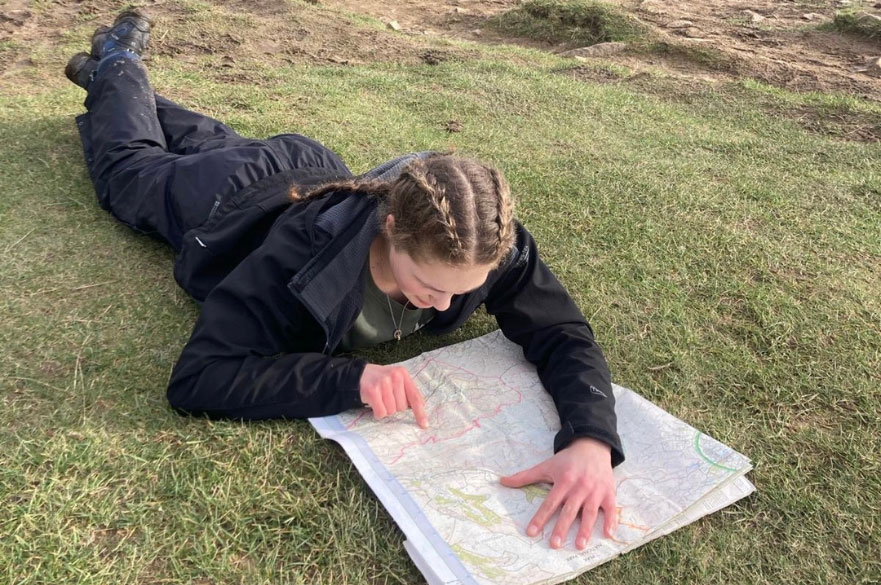
You’ll learn in our fantastic facilities and be taught by tutors who have real-life experience of working within wildlife and conservation. You can expect the course to be split so that approximately 40% is practical work and 60% is theory work. You will be taught through lectures, group discussions and practical demonstrations. You’ll also get to go on trips to different locations, including nature reserves, farms, estates and rehabilitation centres.
The course includes a work placement. This allows you to develop your skills and knowledge in ecology, the environment and wildlife conservation, and looks good to future employers. You'll get to take part in volunteering projects at local conservation organisations, including The Wildlife Trusts, private environmental consultants, and environmental and countryside management organisations.
How you’ll be assessed
You'll be assessed through written assignments, presentations, practical assessments, class tests and external exams.
Who will teach you?
Entry requirements
UK students
For 2026 entry you'll need:
- Four GCSEs at grade 4 / C or above including:
- Science
- Maths or English language (with the other subject at grade 3 / D or above).
- If you do not yet have a grade 4 / C in English language or maths you will need to complete GCSE retakes as part of your study programme.
A Level 2 Technical qualification or other equivalent qualifications will be considered.
Additional requirements for UK students
There are no additional requirements for this course.
International students
We welcome applications from international students who do not require a student route visa. Please email our FE Team or call on +44 (0)115 848 5299 to discuss how your qualifications match our course requirements.
Additional requirements for international students
There are no additional requirements for this course.