Role
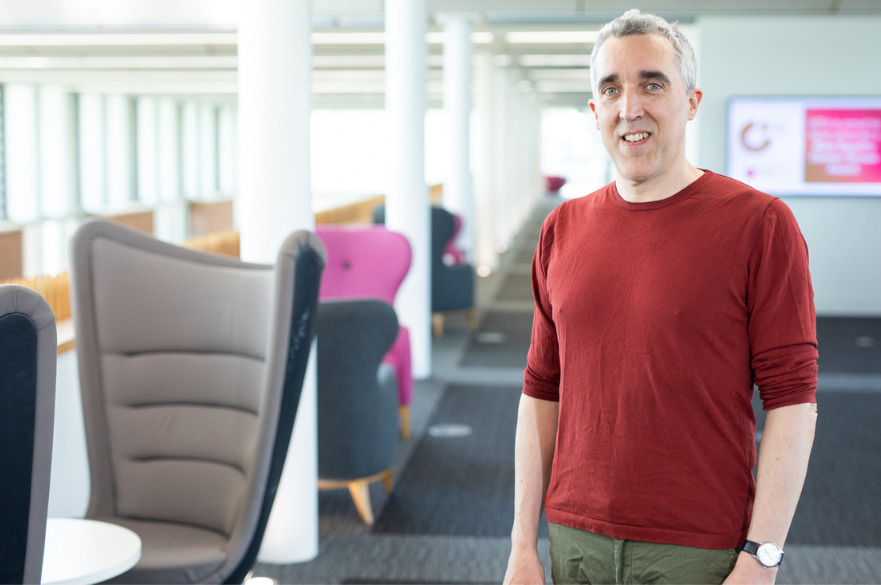
I am a Senior Lecturer in Sustainable Energy Systems at Nottingham Trent University, specialising in the design, integration, and optimisation of next-generation energy systems. My work focuses on how energy infrastructure is evolving beyond legacy fossil-based models towards increasingly electrified, decentralised, and data-driven clean energy systems. This includes research and consultancy relating to local energy systems, distributed generation, energy flexibility, renewable integration, climate resilience, and energy transition strategy. With experience across academia, consultancy, and international energy projects, I work with partners in the UK and internationally to address the technical, social, and policy challenges associated with large-scale energy transition.
Much of my work explores how rapidly expanding clean energy technologies, including solar, wind, storage, smart energy management, and transport electrification, are reshaping both electricity systems and wider infrastructure planning. At NTU, I lead the MSc Sustainable Engineering: Energy course, where I teach modules on power system economics and sustainable energy management systems. My teaching emphasises applied problem-solving, systems thinking, and industry relevance, helping students engage with the realities of modern energy system development rather than legacy approaches centred on conventional fossil infrastructure.
I supervise MSc and PhD research across a range of future-focused topics, including circular economy approaches in wind energy, transport electrification, local energy planning, and intelligent energy use within controlled environment agriculture. Many of these projects are industry-linked and developed in collaboration with external partners working directly within the clean energy sector. My wider research and consultancy activities include work on climate-resilient energy systems, local energy mapping, rooftop solar potential, community energy systems, and policy development for small island and constrained-grid environments. I have collaborated with universities, governments, NGOs, and industry partners on projects spanning the UK, Caribbean, Europe, and North America.
Alongside teaching and research, I contribute to external academic and professional activities including External Examiner roles, technical review, public engagement, and interdisciplinary sustainability initiatives. I am particularly interested in how engineering, policy, and innovation can accelerate practical pathways towards resilient low-carbon societies. I am a Chartered Engineer (CEng), Fellow of the Higher Education Academy (FHEA), and member of the Institution of Engineering and Technology (MIET) and the Energy Institute (MEI).
Career overview
My career has focused on the evolution of modern energy systems and the transition away from conventional fossil-fuel-based infrastructure towards more decentralised, electrified, and resilient energy architectures. Before joining Nottingham Trent University as Senior Lecturer in Sustainable Energy Systems, I held academic positions at Coventry University, the University of Exeter, and the University of the West Indies, where I developed teaching, research, and consultancy activities spanning renewable energy integration, energy transition strategy, and sustainable infrastructure development. Over the past two decades, I have worked across academia, industry, and international consultancy, contributing to projects in the UK, Caribbean, Europe, and North America.
My work has included collaboration with governments, utilities, NGOs, research organisations, and private-sector partners on topics including local energy systems, climate resilience, renewable energy deployment, transport electrification, and energy policy. A significant part of my work has focused on small island and constrained-grid environments, where rapid changes in energy systems are creating both technical and societal challenges. This has provided opportunities to contribute to policy development, technical studies, and applied research exploring how future energy systems can become more flexible, distributed, and sustainable.
Alongside research and consultancy, I have maintained a strong commitment to applied teaching and student development, integrating industry engagement, field-based learning, and real-world energy challenges into engineering education.
Research areas
My research focuses on the transformation of energy systems beyond legacy fossil-fuel infrastructure towards increasingly decentralised, digitally enabled, and low-carbon energy architectures. I am interested in how future energy systems can combine renewable generation, electrification, storage, flexibility, and intelligent energy management to create more resilient and sustainable infrastructure.
Much of my work examines the practical integration challenges associated with large-scale clean energy deployment, particularly within constrained-grid, island, and rapidly developing energy markets.
Research interests include:
- Distributed and local energy systems
- Energy system transition and infrastructure decarbonisation
- Renewable energy integration and grid flexibility
- Community energy systems and virtual power plants
- Climate resilience and adaptive infrastructure
- Solar and wind energy systems
- Transport electrification
- Circular economy approaches in clean energy technologies
- Smart energy systems and energy data applications
- Sustainable infrastructure and energy policy
Current projects include industry-linked PhD research relating to circular economy approaches in wind energy, intelligent use of surplus solar energy within controlled environment agriculture, and integrated energy systems for transport electrification.
External activity
I work closely with industry, public-sector organisations, and international partners on applied energy and sustainability projects relating to future energy systems and infrastructure transition. My external activities span consultancy, technical advisory work, collaborative research, and public engagement.
This has included contributions to renewable energy policy development, climate resilience initiatives, local energy planning, energy mapping studies, and low-carbon infrastructure projects in both UK and international contexts. I maintain active industry engagement through collaborative MSc and PhD projects, research partnerships, and consultancy discussions with organisations working across the clean energy sector. Several current PhD projects are industry-linked and focus on emerging challenges associated with circular economy approaches, intelligent energy systems, and sustainable infrastructure development.
In addition to consultancy and research activity, I contribute to the wider profession through External Examiner appointments, invited lectures, technical review, and participation in sustainability and engineering initiatives. I also contribute to public discussion around energy transition and infrastructure change through articles, media commentary, and public engagement activities.
Publications
Peer-reviewed scholarly output
- Filho, W. L., Krishnapillai, M., Sidsaph, H., Nagy, G. J., Luetz, J. M., Dyer, J., Ha’Apio, M. O., Havea, P. H., Raj, K., Singh, P., Rogers, T., Li, C., Boodhan, M. K., Wolf, F., Ayal, D. Y. & Azadi, H. (2021) Climate change adaptation on small island states: An assessment of limits and constraints. Journal of Marine Science and Engineering. 9, 6, 22 p., 602.
- Duckers, L., Rogers, T. (2021). Economic models to evaluate energy costs: Are externalities and energy accounting the answer? Central European Review of Economics and Management. 5, 3, p. 33-53 21 p., 3.
- Sun, L., Zhang, T., Liu, S., Wang, K., Rogers, T., Yao, L. & Zhao, P. (2021) Reducing energy consumption and pollution in the urban transportation sector: A review of policies and regulations in Beijing. Journal of Cleaner Production. 285, 125339.
- Rogers, T., Ashtine, M., Koon Koon, R., Atherley-Ickechi, M. (2019). Onshore wind energy potential for small island developing states: Findings and recommendations from Barbados. Energy for Sustainable Development. Vol 52. pp 116 – 127.
- Gay, D., Rogers, T., Shirley, R. (2018). Small Island Developing States and their suitability for electric vehicles and vehicle-to-grid services. Utilities Policy. Vol 55. pp 69–78.
- Rogers, T. (2016). Development of innovation systems for small island states: A functional analysis of the Barbados solar water heater industry. Energy for Sustainable Development. Vol 31. pp 143– 151.
- Rogers, T., Omer, SA. (2011). The yaw analysis of a micro-scale horizontal axis wind turbine operating in turbulent wind conditions. International Journal of Low Carbon Technologies. Vol 1. Iss 1. pp58– 63
- Rogers, T., Omer SA. (2011). The effect of turbulence on noise emissions from a micro-scale horizontal axis wind turbine. Renewable Energy. v 41, p 180-184.
- Su Y., Zheng H., Huang H., Rogers T. (2011). A feasibility study of a novel combined solar concentration/wind augmentation system. International Journal of Low-Carbon Technologies, v 6, n 1, p 14-21
Non-scholarly output
- Moore, W., Alleyne ,F., Alleyne, Y., Blackman, K., Blenman, C., Carter, S., Cashman, A., Cumberbatch, J., Downes, A., Hoyte, H., Mahon, R., Mamingi, N., McConney, P., Pena, M., Roberts, S., Rogers, T., Sealy, S., Sinckler, T. and A. Singh. 2014. Barbados’ Green Economy Scoping Study. Government of Barbados, University of West Indies - Cave Hill Campus, United Nations Environment Programme (UNEP), 244p. http://www.unep.org/pdf/Barbados_GESS_study_web2.pdf
- Hohmeyer, O., Rogers, T., Barrett, D. (2022) Review of Existing Building Code to include or enhance energy conservation, energy efficiency and renewable energy standards and targets for existing and new buildings. 128 pgs.
- Rogers, T. (2021) A desktop investigation into renewable energy opportunities at the University of the West Indies Dukes’ site, St Thomas. 24 pgs.
- Integrated Sustainability Consultants Ltd. (2021) Implementation Plan for Selected Low Hanging Fruit Option - Implementation of an Integrated BE Policy Framework and Strategic Action Plan for Barbados. 37 pgs.
- Hohmeyer, O., Rogers, T., Barrett, D., Waldmann, L. (2020) Review of current international energy trends for Barbados, to help guide Capacity formation. 72 pgs.
- del Castillo, N., Scheinberg, S., Alänge, S., Rogers, T., Potopsingh, R., Pérez, C. & Regis, P. (2017). Needs Analysis Report: Towards a Sustainable Energy Sector in the Caribbean and the Role of Higher Education Institutions. CAP4INNO. EU ACP Edulink II.
- Rogers, T., Atherley-Ikechi, M. (2016) Achieving a Resilient Future for Small States: Caribbean 2050: Energy: The Key to a Cleaner, More Prosperous Caribbean. Commonwealth Secretariat: Small States Division. Lewis-Bynoe, D. (ed.). London: Commonwealth Secretariat, p. 73-109 36 p.
- Rogers, T. (2015). A desktop study into the wind energy potential for the island of Barbados.
- Rogers, T., Franklin, J. (2015). Barbados solar PV consumer guide: Helping you choose the right solar PV solution. Barbados Renewable Energy Association. [Worked with sector stakeholders to develop this guide, which helped accelerate the Barbados solar PV sector]
Press/Media
Jun 2015 – The Conversation “Small tropical islands could become the world’s first 100% renewable nations”
May 2019 – The Conversation “Zero-carbon electric transport is already in reach for small island”
Mar 2019 – The Conversation “Jamaica leads in Richard Branson-backed plan for a Caribbean climate revolution”
Sep 2017 - Washington Post “Severe power failures in Puerto Rico and across the Caribbean spur new”
Expertise related to UN Sustainable Development Goals
My teaching and research has a close relationship to the below UNSDGs.