Eating well, keeping active, and sleep
Looking after your physical health will not only keep you well, it can also boost your emotional and mental health and wellbeing. Check out our handy hints and tips on exercise, food and how to get a good night’s sleep.
Top tips
Eating well
Eating well while at uni can be a challenge, especially if you are cooking for yourself for the first time. Balancing studies, socialising, making friends, and finances can make it difficult. However, a balanced diet can help you fight off illness, study better, maintain high energy levels, and support your mental health and general wellbeing. We’ve put together some tips to eating well on a budget and some tips on how to make affordable, healthy meals.
Eleven top tips for eating well on a budget
- Create a budget for your food shop and try and stick to it.
- Prioritise the large supermarket. These are cheaper than corner shops and have a larger range of items. This website shows the current cheapest UK supermarkets. Nottingham also has a discount supermarket, Nottingham Foodprint, which can help reduce costs.
- Make a list before you go. Try and think of the meals you're planning to cook throughout the week and what you can bulk cook to make multiple meals.
- Plan meals with your flatmates or friends. This can help save money, you can try new recipes, and it can help fill your social battery.
- Take your own bags with you. The cost of bags can add up.
- Use loyalty cards and download supermarket apps to save money. Most apps let you accumulate points and provide special offers.
- Find the ‘reduced to clear’ section in your local supermarket. You can find good deals and help food from going to waste.
- Try not to shop hungry! Most people fill their trolleys with food they wouldn’t normally buy when they are peckish.
- Buy supermarket brands to save money. Often brand-named foods will taste very similar, if not the same, and can really help cut down on the cost.
- Buy a reusable water bottle and utilise the water stations on all campuses.
- Utilise your Student ID and download the Unidays and StudentBeans apps for discounts! Socialising and going out can be an important part of making friends at uni, but it can also be costly and the apps can show which restaurants in Nottingham offer discounts.
Eating well on-the-go and at home
- The beloved meal deal or ready meal can often be an easy go-to during student living but can be high in salt. Look for ‘good for you’ or ‘high protein’ meal deals, which will have more well-rounded nutrients and can now be found in many shops, including Tesco Express, which is just round the corner from the city campus.
- Produce! Produce in the U.K. is really affordable, especially if you buy seasonal. Nothing beats strawberries in the British summer or root vegetables across winter. Use the BBC Good Food website and you can type in any item of food and a selection of recipe ideas will then pop up. You can even save recipes to your profile. Additionally, frozen fruit and vegetables are often cheaper and will last longer so don’t skip the frozen aisle.
- Utilise student-friendly website for recipe ideas, such as The Student Food Project, StudentEats, and the NTSU Healthy Living webpages.
- Download the Moves+ app to accumulate points that you can then redeem on campus. Never pay for a coffee (or a sausage roll) again!
- One-pot meals can be easy, healthy, and save on the washing up.
- Have a list of healthy snacks on hand for when you are in between classes, jobs, or just get peckish.
- NTU and NTSU will often host events and activities that incorporate food. It’s a good way to save money and meet new people. Check out the upcoming events page to see when events are, such as picnics, Brekky Fridays, and more.
- Drink water (especially if you are also drinking alcohol!).
- Our HealthyNTU Blog, written by students, alumni, and guests has a few features on healthy eating for students. See our blog on stress free meals, simple Pad Thai recipe, and top tips from nutritionist and NTU alum, Jenna Hope.
- Visit the popular FREE Student Brunch at the Nottingham Salvation Army, every Wednesday from 7 October from 10:30 – 12:00. Don’t forget your Student ID.
Food vouchers
NTSU Information and Advice Centre (IAS) partners with The Trussell Trust, a food bank that can provide vouchers to students in need. To access, this support, you can make an appointment to visit IAS and they will help you fill out the correct forms.
Keeping active
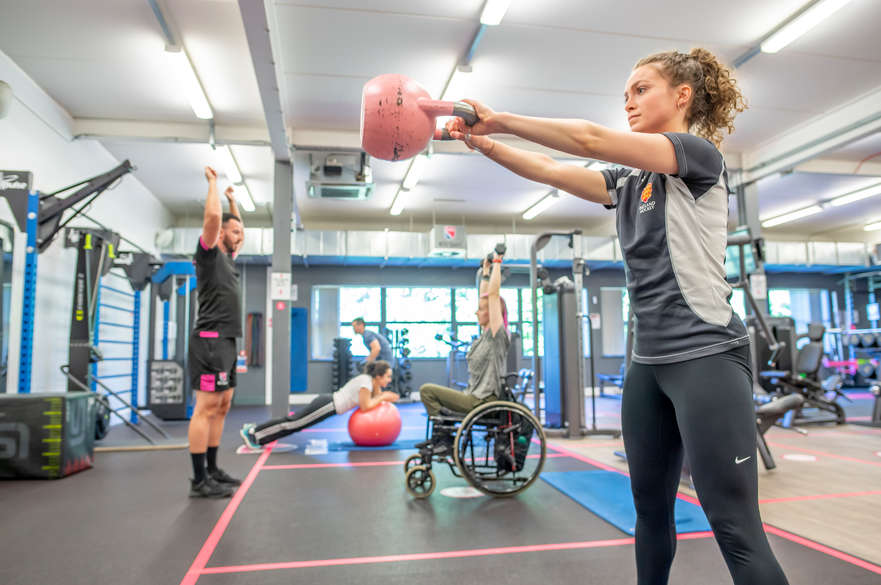
Exercise and keeping active has many benefits, from improving your sleep and appetite to helping you clear your mind and feel more positive. To find the best type of exercise for you, look for something you enjoy that you would like to commit to on a regular basis. Sport and exercise can also be a great way to meet new people and make new friends. Remember, just 20 minutes a day is all you need to make a difference to your health and wellbeing.
NTU Sport have lots of sporting and active options for you to get involved with. Make the most of the opportunities on offer, including:
NTU Sport also has a Sports Activities Fund, which supports students who otherwise might be unable to access the programme. Students can apply for up to £150 towards membership fees, kit, or equipment. For an overview of the fund, please visit Sport activities fund 2025-26 | Nottingham Trent University. This year's fund will open on 28 September and close on 4 October.
Download the Moves+ app to accumulate points for running, swimming, and walking. You can join challenges to win extra points and then use the points to redeem on campus or to donate to charities.
UCycle Scheme
The Cycling Hub is part of a thriving cycling movement in Nottingham. You can hire a bike ideal for cycling around town, with free D locks and lights, and access to our secure storage at all three campuses. To find out more, visit Cycling at NTU.
HealthyNTU Nature Walks
Our nature walks, near each campus, are a great way for you to take some time out, clear your head, and get re-energised. Lasting around 20 minutes the simple step-by-step guides take you on a set route. They include mindfulness exercises for you to do as and when you feel along the walk.
Nottingham City Walks
Nottingham has an abundance of green spaces in and around the city for you to explore.
Some of our favourites include:
Colwick Country Park – Visit for walking, running, swimming, birdwatching, horse riding, adventure activities, and fishing
Forest Recreation Ground – Visit for walking, running, and a local café
Woodthorpe Grange – Visit for walking, running, formal gardens, plant nursery, and a local café
Queens Walk Recreation Ground and Victoria Embankment – Visit for sports playing fields, running, walking, Heritage features (memorial gardens and war memorial), and a local café
Wollaton Hall Deer Park & Gardens – Visit the over 500 acres of land home to deer and other habitats; as well as recreational activities (running, walking, picnicking), and an on-site museum in the historic hall.
Check out more walks around Nottingham.
Sleep
Why Sleep Matters
Getting a good night’s sleep is essential for your physical health, mental wellbeing and academic performance. Most adults need around 7-9 hours of sleep every night, but individual needs vary. Good sleep is one of the first things that can be affected when we’re feeling stressed or overwhelmed.
What does consistent, good quality restorative sleep do?
You cycle through four sleep stages on repeat through the night, each one doing something different for your brain and body. Sleep doesn't just switch you off, it:
- Recharges your body and brain – helping you function the next day
- Improves memory and concentration – what you study sinks in much better after a good rest
- Keeps your mood in check – sleep resets your stress hormones, helping you remain calm and centred
- Improves decision-making – getting more sleep helps restore clarity and eliminate fuzzy thinking
- Helps you stay healthy – high-quality sleep is one of the more effective ways to bolster your immune system!
What happens if you don't get enough sleep?
- Short-term issues can include fatigue, trouble concentrating, forgetfulness, low motivation and mood changes like feeling grumpy, stressed or anxious
- Longer-term sleep deprivation increases the risk of anxiety and depression alongside physical health problems like high blood pressure, metabolic issues and a weakened immune system
How do I build healthy sleep patterns?
- Consistency is key – try and go to bed and wake up at roughly the same time every day
- Create a relaxing wind-down routine 30–60 minutes before bed
- Avoid studying or working in bed where possible
- Keep your bedroom cool, dark and quiet
- Limit phone and screen use for at least an hour before bed
- Avoid caffeine and energy drinks in the late afternoon and evening
- Eat balanced meals and avoid large meals immediately before bed
- Limit alcohol - it can disrupt sleep quality even if it makes you feel drowsy/sleepy
- Be patient - new sleep habits can take several weeks to become routine
Here are some resources to help you manage your sleep
Calm's Cognitive Shuffling technique - a technique that’s designed to help us fall asleep by gently distracting our mind with random and simple thoughts and images.
Headspace's free sleepcast video - a sleep podcast to put on before bed
HealthyNTU Sleep Tips blog post - sleep tips from an NTU alumnus
Mind - Tips to improve your sleep