
NTU’s strong reputation for student satisfaction and its emphasis on employability particularly appealed to me. The range of support services and practical opportunities available made it an ideal environment for both academic and personal development.
More about Sunny
Why NTU
What inspired you to study your subject?
Actually, I never thought I would study psychology, however, my curiosity about understanding the reasons behind people’s behaviour and personality gradually led me in this direction. Seeing peers around me experience different mental health challenges further motivated me to explore the underlying mechanisms, relevant theories, and contributing factors.
Through engaging with introductory resources such as articles and videos, my interest became more focused and purposeful. I developed a strong desire to study psychology at degree level, engage with primary research, and gain a deeper, evidence-based understanding of human behaviour.
Why did you choose your course and NTU?
Studying Psychology with a Mental Health pathway at NTU aligns closely with my academic interests and future career aspirations. The specialist pathway offers a strong foundation in understanding mental health from both theoretical and applied perspectives.
NTU’s strong reputation for student satisfaction and its emphasis on employability particularly appealed to me. The range of support services and practical opportunities available made it an ideal environment for both academic and personal development.
What’s your experience been like of your course so far? Can you pick out any highlights?
My experience so far has been very positive. The course demonstrates a strong commitment to student feedback, with regular surveys each term used to identify areas for improvement and enhance the overall learning experience.
The support from personal tutors has been particularly valuable, especially during the first year, in helping students adjust to academic expectations and assessment requirements. I have also appreciated the flexibility of the course structure, where a significant portion of learning materials is provided online. This has allowed me to develop independent learning skills and manage my time effectively. The availability of recorded lectures has also been helpful for revision.
Have you been involved in any projects or extra-curricular activities that have supplemented your studies run through NTU?
I am currently a second-year student, and this year I co-founded a new society with peers, where I serve as Vice President of the Mental Health and Wellbeing Society. NTU has provided valuable opportunities for us to organise events, promote wellbeing initiatives, and engage students through activities such as workshops and social events.
In addition, I participated in the SHIELD program evaluation project, in order to improve on and keep it running efficiently. This involved organising focus groups and conducting interviews and surveys with stakeholders, including the lead of the program, staff and coaches. Through this experience, I developed skills in data collection, analysis, and providing constructive feedback to improve program delivery.
What does Social Sciences mean to you?
To me, Social Sciences is fundamentally about understanding people and improving lives. It involves exploring human behaviour, social systems, and the factors that influence wellbeing.
Through approaches such as therapy, coaching, research, and policy development, Social Sciences can support individuals, particularly those who are vulnerable, in understanding themselves, accessing support, and addressing underlying challenges. Ultimately, it plays a key role in promoting positive social change.
On Placement
Have you completed any work placements on your course?
I completed a 60-hour placement with SHIELD, a coaching programme supporting young learners with both academic and wellbeing challenges. These included issues such as low confidence, academic stress, and difficulties with emotional regulation.
Through this placement, I developed key skills in coaching and active listening, supporting learners to explore challenges and identify strategies that could benefit them long-term. I also contributed to the program’s evaluation project, where I gained experience in designing and analysing data from focus groups, interviews, and surveys.
One of the most valuable aspects of this experience was participating in reflective practice sessions, where I could evaluate my approach from a professional perspective and continuously improve my effectiveness.
Do you have any memorable moments from your placement?
One particularly memorable experience was working with a learner who was initially reluctant to share his concerns and avoided deeper discussion. However, over time, he became more open and willing to engage.
Seeing the trust gradually develop between us was both rewarding and meaningful, and it reinforced the importance of patience, consistency, and creating a safe environment in building effective relationships.
Support
What do you think of the support available from tutors and staff at NTU?
NTU offers a wide range of support services that address both academic and personal needs. For example, the extension system provides flexibility through both automatic and evidence-based extensions when needed.
The Access Statement process allows students to receive tailored support and appropriate signposting, while counselling services help students manage personal challenges.
In addition, NTU provides strong employability support, including CV and cover letter guidance, as well as access to job opportunities through the Employability Hub. Programs such as student mentoring, ambassador roles, and personal tutoring further support students in transitioning into university life and developing professionally.
Outside of the Lecture Theatre
Did you find it easy to make friends and settle in at NTU?
Yes, I found it relatively easy to make friends and settle in at NTU. There are many opportunities to meet people, including a wide range of societies, as well as activities organised through the Global Lounge.
Starting my own society has been a particularly valuable experience, as it allowed me to meet a diverse group of people while organising social events such as café meet-ups and collaborative activities.
The Next Steps
What’s next for you after NTU?
As I am on a sandwich course, my next step is to secure a placement year, where I can gain practical experience in a relevant field. Following this, I may consider pursuing a Master’s degree after gaining further professional experience.
How is NTU helping you to achieve your career goals?
NTU has provided numerous opportunities for me to develop skills aligned with my career goals. Through academic learning, placements, and involvement in both paid and voluntary roles, I have gained valuable practical experience and developed key transferable skills.
These experiences have strengthened my confidence, communication skills, and understanding of working with others in professional settings.
What top tips would you give anyone thinking about studying your course at NTU?
I would encourage students to take initiative and make the most of the opportunities available. At university, many experiences are optional, but they can significantly shape your personal and professional development.
Actively engaging in activities, developing new skills, and managing your time effectively can help you become a well-rounded student and make the most of your university experience.
As an International Student
Why did you want to study in the UK?
I was particularly eager to study in the UK due to its high academic standards, especially in psychology, where many undergraduate program are accredited by the British Psychological Society (BPS). This provides a strong and recognised foundation for future career pathways. I was also drawn to the clear progression routes within the UK, particularly towards careers such as being Clinical Psychologist or Researcher, which align closely with my long-term goals.
In addition, studying in the UK offers a diverse and international environment. Being able to meet and learn alongside students from different cultural backgrounds has enriched my perspective and enhanced my overall university experience.
Beyond academics, I also appreciate the accessibility of travel within and out of the UK. The opportunity to explore natural landscapes such as peak and lake district as well as different countries, has contributed positively to my wellbeing and allowed me to maintain a balanced lifestyle alongside my studies.
What experiences have you had as an international student at NTU?
As an international student at NTU, my experience has been both challenging and highly rewarding. Moving to the UK required me to adapt to a completely new environment, including differences in culture, teaching styles, and daily life. Initially, managing practical aspects such as accommodation, transport, and navigating university systems felt overwhelming, especially alongside academic expectations.
However, this transition helped me develop time management skills, independence, resilience, and adaptability. I learned to manage my time more effectively, seek support when needed, and step outside of my comfort zone. Engaging with university resources such as the Global Lounge and student societies played an important role in helping me settle in and build connections with both local and international students.
Academically, I had to adjust to a more independent learning style, which encouraged critical thinking and self-directed study. Over time, I became more confident in participating in discussions and expressing my ideas.
Overall, being an international student at NTU has significantly contributed to my personal growth. It has broadened my perspectives, strengthened my problem-solving skills, and enhanced my ability to adapt to new and diverse environments.
What advice would you give to help new international students get settled in at university?
I would encourage new international students to be proactive in seeking opportunities and support as they settle into university life. Moving to a new country can feel unfamiliar at first, but it is also a valuable opportunity for personal growth and exploration.
Making use of the support services available at university, such as student support, the Global Lounge, and societies, can really help with both practical adjustments and building social connections. I would also encourage students not to feel held back by language barriers, but instead see them as part of the learning process, and confidence develops over time through practice and interaction.
Most importantly, take care of your wellbeing, stay open to new experiences. Building friendships, trying new activities, and staying engaged out of your comfort zones will make the transition much smoother and more enjoyable.
Still need help?
-

STUDENT PROFILE
Akil Hunte
United Kingdom
https://www.ntu.ac.uk/study-and-courses/courses/our-students-stories/law/akil-hunte
-
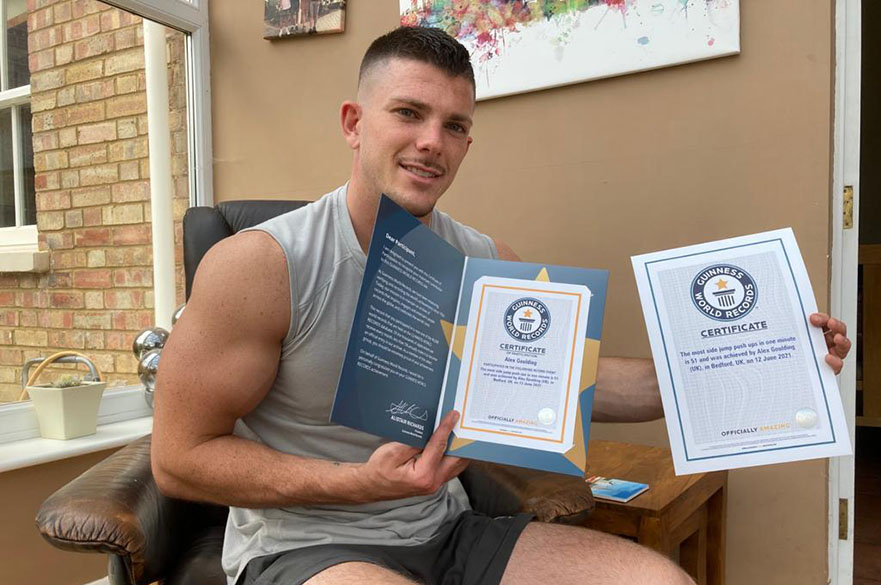
STUDENT PROFILE
Alex Goulding
Criminologyhttps://www.ntu.ac.uk/study-and-courses/courses/our-students-stories/social-sciences/NTU-alum-shares-guinness-world-record-success
-

STUDENT PROFILE
Ava Dennis
Professional PolicingUnited Kingdom
https://www.ntu.ac.uk/study-and-courses/courses/our-students-stories/social-sciences/ava-dennis