Heritage and Conservation
About this course
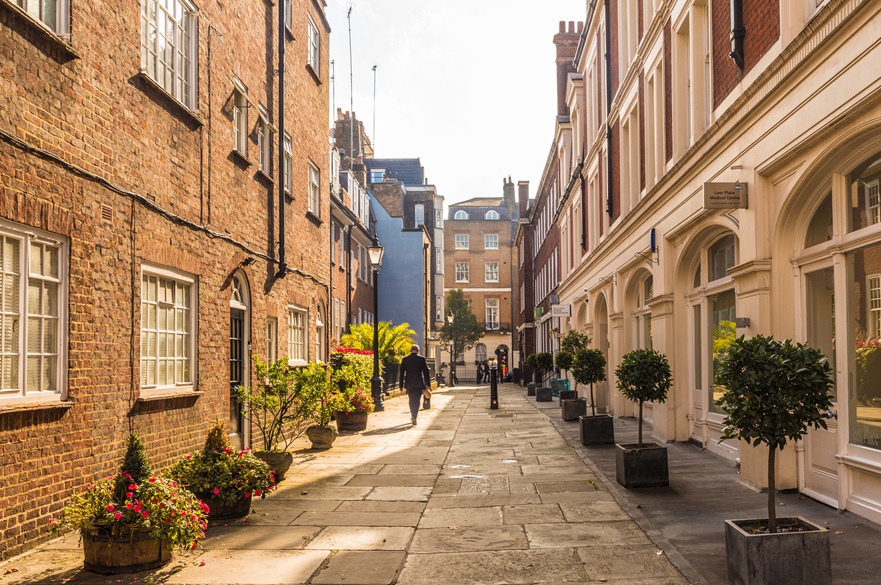
This course will develop your critical understanding of the concepts and practicalities of heritage management, together with developing an understanding of what is required when proposing intervention works to historic buildings.
Focusing on the UK (but also drawing on international examples) you’ll learn how to appraise culturally significant buildings, consider relevant aspects of architectural history, identify construction forms and appraise building condition.
It will also develop your understanding of the science of conservation materials and its relationship to building failure and appropriate repair strategies.
There will be an underlying reference to the economic aspects of heritage management, together with a comprehensive understanding of the relevant legal, statutory and procedural controls.
By the end of this course, you’ll be able to:
- identify and evaluate different architectural periods and styles within their social, economic and physical context
- undertake condition surveys and metric surveys using a variety of traditional and digital surveying equipment
- produce accurate spatial records that meet industry standards
- provide reasoned professional advice on the design, specification and construction of a range of traditional and vernacular construction techniques (rammed earth, timber/iron frame, brick, flint etc.) commonly found in the UK
- provide specialist advice to clients on solutions to the problems and conflicts that occur during the re-use and adaptation of historic buildings with respect to human comfort and material performance
- critically evaluate solutions to a range of live and simulated case studies
- propose new initiatives and strategies where appropriate to achieve acceptable outcomes in line with UK planning policy frameworks and statutory controls
- provide appropriate technical and philosophical advice on the sympathetic maintenance and repair of building fabrics.
A CPD certificate will be issued upon successful completion of the course.
Successful completion can also contribute 15 credits towards a postgraduate award.
-

Accelerate your career
Gain new skills and knowledge that are relevant to the industry today.
-

Part-time learning
Attend one session per week and fit your studies around your busy work schedule.
-

Study for credit or certificate
Gain a certificate that confirms your CPD hours, or build credit towards a qualification in the future.
This course will include:
- the emergence of the conservation agenda and heritage philosophy
- an overview of architectural history
- traditional and vernacular construction techniques
- metric surveys of historic buildings, equipment and techniques
- building surveys and assessment of condition
- science of conservation materials
- sensitive repair and design techniques for use with properties of character
- maintenance of the historic fabric and facilities management approaches
- application of statutory obligations for both individually protected and area wide policies, international protocols/charters
- challenges and solutions to problems concerning the re use and development of historic buildings and spaces
- further training and CPD options within the heritage sector.
Module information
Here’s a breakdown of what you’ll be studying throughout the course:
credits
credits
credits
credits
credits
credits
credits
credits
credits
credits
credits
credits
credits
credits
credits
credits
credits
credits
credits
credits
credits
credits
credits
credits
credits
credits
credits
credits
credits
credits
credits
credits
credits
credits
credits
credits
credits
credits
credits
credits
credits
credits
credits
credits
credits
credits
credits
credits
credits
credits
credits
credits
credits
credits
credits
credits
credits
credits
credits
credits
credits
credits
credits
credits
credits
credits
credits
credits
credits
credits
credits
credits
credits
credits
credits
credits
credits
credits
credits
credits
credits
credits
credits
credits
credits
credits
credits
credits
credits
credits
credits
credits
credits
credits
credits
credits
credits
credits
credits
credits
credits
credits
credits
credits
credits
credits
credits
credits
credits
credits
credits
credits
credits
credits
credits
credits
credits
credits
credits
credits
credits
credits
credits
credits
credits
credits
credits
credits
credits
credits
credits
credits
credits
credits
credits
credits
credits
credits
credits
credits
credits
credits
credits
credits
credits
credits
credits
credits
credits
credits
credits
credits
credits
credits
credits
credits
credits
credits
credits
credits
credits
credits
credits
credits
credits
credits
credits
credits
credits
credits
credits
credits
credits
credits
credits
credits
credits
credits
credits
credits
credits
credits
credits
credits
credits
credits
credits
credits
credits
credits
credits
credits
credits
credits
credits
credits
credits
credits
credits
credits
credits
credits
credits
credits
credits
credits
credits
credits
credits
credits
credits
credits
credits
credits
credits
credits
credits
credits
credits
credits
credits
credits
credits
credits
credits
credits
credits
credits
credits
credits
credits
credits
credits
credits
credits
credits
credits
credits
credits
credits
credits
credits
credits
credits
credits
credits
credits
credits
credits
credits
credits
credits
credits
credits
credits
credits
credits
credits
credits
credits
credits
credits
credits
credits
credits
credits
credits
credits
credits
credits
credits
credits
credits
credits
credits
credits
credits
credits
credits
credits
credits
credits
credits
credits
credits
credits
credits
credits
credits
credits
credits
credits
credits
credits
credits
credits
credits
credits
credits
credits
credits
credits
credits
credits
credits
credits
credits
credits
credits
credits
credits
credits
credits
credits
credits
credits
credits
credits
credits
credits
credits
credits
credits
credits
credits
credits
credits
credits
credits
credits
credits
credits
credits
credits
credits
credits
credits
credits
credits
credits
credits
credits
credits
credits
credits
credits
credits
credits
credits
credits
credits
credits
credits
credits
credits
credits
credits
credits
credits
credits
credits
credits
credits
credits
credits
credits
credits
credits
credits
credits
credits
credits
credits
credits
credits
credits
credits
credits
credits
credits
credits
credits
credits
credits
credits
credits
credits
credits
credits
credits
credits
credits
credits
credits
credits
credits
credits
credits
credits
credits
credits
credits
credits
credits
credits
credits
credits
credits
credits
credits
credits
credits
credits
credits
credits
credits
credits
credits
credits
credits
credits
credits
credits
credits
credits
credits
credits
credits
credits
credits
credits
credits
credits
credits
credits
credits
credits
credits
credits
credits
credits
credits
credits
credits
credits
credits
credits
credits
credits
credits
credits
credits
credits
credits
credits
credits
credits
credits
credits
credits
credits
credits
credits
credits
credits
credits
credits
credits
credits
credits
credits
credits
credits
credits
credits
credits
credits
credits
credits
credits
credits
credits
credits
credits
credits
credits
credits
credits
credits
credits
credits
credits
credits
credits
credits
credits
credits
credits
credits
credits
credits
credits
credits
credits
credits
credits
credits
credits
credits
credits
credits
credits
credits
credits
credits
credits
credits
credits
credits
credits
credits
credits
credits
credits
credits
credits
credits
credits
credits
credits
credits
credits
credits
credits
credits
credits
credits
credits
credits
credits
credits
credits
credits
credits
credits
credits
credits
credits
credits
credits
credits
credits
credits
credits
credits
credits
credits
credits
credits
credits
credits
credits
credits
credits
credits
credits
credits
credits
credits
credits
credits
credits
credits
credits
credits
credits
credits
credits
credits
credits
credits
credits
credits
credits
credits
credits
credits
credits
credits
credits
credits
credits
credits
credits
credits
credits
credits
credits
credits
credits
credits
credits
credits
credits
credits
credits
credits
credits
credits
credits
credits
credits
credits
credits
credits
credits
credits
credits
credits
credits
credits
credits
credits
credits
credits
credits
credits
credits
credits
credits
credits
credits
credits
credits
credits
credits
credits
credits
credits
credits
credits
credits
credits
credits
credits
credits
credits
credits
credits
credits
credits
credits
credits
credits
credits
credits
credits
credits
credits
credits
credits
credits
credits
credits
credits
credits
credits
credits
credits
credits
credits
credits
credits
credits
credits
credits
credits
credits
credits
credits
credits
credits
credits
credits
credits
credits
credits
credits
credits
credits
credits
credits
credits
credits
credits
credits
credits
credits
credits
credits
credits
credits
credits
credits
credits
credits
credits
credits
credits
credits
credits
credits
credits
credits
credits
credits
credits
credits
credits
credits
credits
credits
credits
credits
credits
credits
credits
credits
credits
credits
credits
credits
credits
credits
credits
credits
credits
credits
credits
credits
credits
credits
credits
credits
credits
credits
credits
credits
credits
credits
credits
credits
credits
credits
credits
credits
credits
credits
credits
credits
credits
credits
credits
credits
credits
credits
credits
credits
credits
credits
credits
credits
credits
credits
credits
credits
credits
credits
credits
credits
credits
credits
credits
credits
credits
credits
credits
credits
credits
credits
credits
credits
credits
credits
credits
credits
credits
credits
credits
credits
credits
credits
credits
credits
credits
credits
credits
credits
credits
credits
credits
credits
credits
credits
credits
credits
credits
credits
credits
credits
credits
credits
credits
credits
credits
credits
credits
credits
credits
credits
credits
credits
credits
credits
credits
credits
credits
credits
credits
credits
credits
credits
credits
credits
credits
credits
credits
credits
credits
credits
credits
credits
credits
credits
credits
credits
credits
credits
credits
credits
credits
credits
credits
credits
credits
credits
credits
credits
credits
credits
credits
credits
credits
credits
credits
credits
credits
credits
credits
credits
credits
credits
credits
credits
credits
credits
credits
credits
credits
credits
credits
credits
credits
credits
credits
credits
credits
credits
credits
credits
credits
credits
credits
credits
credits
credits
credits
credits
credits
credits
credits
credits
credits
credits
credits
credits
credits
credits
credits
credits
credits
credits
credits
credits
credits
credits
credits
credits
credits
credits
credits
credits
credits
credits
credits
credits
credits
credits
credits
credits
credits
credits
credits
credits
credits
credits
credits
credits
credits
credits
credits
credits
credits
credits
credits
credits
credits
credits
credits
credits
credits
credits
credits
credits
credits
credits
credits
credits
credits
credits
credits
credits
credits
credits
credits
credits
credits
credits
credits
credits
credits
credits
credits
credits
credits
credits
credits
credits
credits
credits
credits
credits
credits
credits
credits
credits
credits
credits
credits
credits
credits
credits
credits
credits
credits
credits
credits
credits
credits
credits
credits
credits
credits
credits
credits
credits
credits
credits
credits
credits
credits
credits
credits
credits
credits
credits
credits
credits
credits
credits
credits
credits
credits
credits
credits
credits
credits
credits
credits
credits
credits
credits
credits
credits
credits
credits
credits
credits
credits
credits
credits
credits
credits
credits
credits
credits
credits
credits
credits
credits
credits
credits
credits
credits
credits
credits
credits
credits
credits
credits
credits
credits
credits
credits
credits
credits
credits
credits
credits
credits
credits
credits
credits
credits
credits
credits
credits
credits
credits
credits
credits
credits
credits
credits
credits
credits
credits
credits
credits
credits
credits
credits
credits
credits
credits
credits
credits
credits
credits
credits
credits
credits
credits
credits
credits
credits
credits
credits
credits
credits
credits
credits
credits
credits
credits
credits
credits
credits
credits
credits
credits
credits
credits
credits
credits
credits
credits
credits
credits
credits
credits
credits
credits
credits
credits
credits
credits
credits
credits
credits
credits
credits
credits
credits
credits
credits
credits
credits
credits
credits
credits
credits
credits
credits
credits
credits
credits
credits
credits
credits
credits
credits
credits
credits
credits
credits
credits
credits
credits
credits
credits
credits
credits
credits
credits
credits
credits
credits
credits
credits
credits
credits
credits
credits
credits
credits
credits
credits
credits
credits
credits
credits
credits
credits
credits
credits
credits
credits
credits
credits
credits
credits
credits
credits
credits
credits
credits
credits
credits
credits
credits
credits
credits
credits
credits
credits
credits
credits
credits
credits
credits
credits
credits
credits
credits
credits
credits
credits
credits
credits
credits
credits
credits
credits
credits
credits
credits
credits
credits
credits
credits
credits
credits
credits
credits
credits
credits
credits
credits
credits
credits
credits
credits
credits
credits
credits
credits
credits
credits
credits
credits
credits
credits
credits
credits
credits
credits
credits
credits
credits
credits
credits
credits
credits
credits
credits
credits
credits
credits
credits
credits
credits
credits
credits
credits
credits
credits
credits
credits
credits
credits
credits
credits
credits
credits
credits
credits
credits
credits
credits
credits
credits
credits
credits
credits
credits
credits
credits
credits
credits
credits
credits
credits
credits
credits
credits
credits
credits
credits
credits
credits
credits
credits
credits
credits
credits
credits
credits
credits
credits
credits
credits
credits
credits
credits
credits
credits
credits
credits
credits
credits
credits
credits
credits
credits
credits
credits
credits
credits
credits
credits
credits
credits
credits
credits
credits
credits
credits
credits
credits
credits
credits
credits
credits
credits
credits
credits
credits
credits
credits
credits
credits
credits
credits
credits
credits
credits
credits
credits
credits
credits
credits
credits
credits
credits
credits
credits
credits
credits
credits
credits
credits
credits
credits
credits
credits
credits
credits
credits
credits
credits
credits
credits
credits
credits
credits
credits
credits
credits
credits
credits
credits
credits
credits
credits
credits
credits
credits
credits
credits
credits
credits
credits
credits
credits
credits
credits
credits
credits
credits
credits
credits
credits
credits
credits
credits
credits
credits
credits
credits
credits
credits
credits
credits
credits
credits
credits
credits
credits
credits
credits
credits
credits
credits
credits
credits
credits
credits
credits
credits
credits
credits
credits
credits
credits
credits
credits
credits
credits
credits
credits
credits
credits
credits
credits
credits
credits
credits
credits
credits
credits
credits
credits
credits
credits
credits
credits
credits
credits
credits
credits
credits
credits
credits
credits
credits
credits
credits
credits
credits
credits
credits
credits
credits
credits
credits
credits
credits
credits
credits
credits
credits
credits
credits
credits
credits
credits
credits
credits
credits
credits
credits
credits
credits
credits
credits
credits
credits
credits
credits
credits
credits
credits
credits
credits
credits
credits
credits
credits
credits
credits
credits
credits
credits
credits
credits
credits
credits
credits
credits
credits
credits
credits
credits
credits
credits
credits
credits
credits
credits
credits
credits
credits
credits
credits
credits
credits
credits
credits
credits
credits
credits
credits
credits
credits
credits
credits
credits
credits
credits
credits
credits
credits
credits
credits
credits
credits
credits
credits
credits
credits
credits
credits
credits
credits
credits
credits
credits
credits
credits
credits
credits
credits
credits
credits
credits
credits
credits
credits
credits
credits
credits
credits
credits
credits
credits
credits
credits
credits
credits
credits
credits
credits
credits
credits
credits
credits
credits
credits
credits
credits
credits
credits
credits
credits
credits
credits
credits
credits
credits
credits
credits
credits
credits
credits
credits
credits
credits
credits
credits
credits
credits
credits
credits
credits
credits
credits
credits
credits
credits
credits
credits
credits
credits
credits
credits
credits
credits
credits
credits
credits
credits
credits
credits
credits
credits
credits
credits
credits
credits
credits
credits
credits
credits
credits
credits
credits
credits
credits
credits
credits
credits
credits
credits
credits
credits
credits
credits
credits
credits
credits
credits
credits
credits
credits
credits
credits
credits
credits
credits
credits
credits
credits
credits
credits
credits
credits
credits
credits
credits
credits
credits
credits
credits
credits
credits
credits
credits
credits
credits
credits
credits
credits
credits
credits
credits
credits
credits
credits
credits
We regularly review our course content based on student and employer feedback to ensure they remain current and relevant. This may result in changes to module content or availability in future years. Optional modules will only run where there is sufficient demand. This will be determined on a case-by-case basis to protect the academic and student experience.
How you're taught
Teaching and learning will take place using a flexible programme of lectures, workshops, seminars and tutorials.
Who will teach you?
Entry requirements
UK students
You should have a minimum of three years’ professional experience and have the support of your employer to integrate study and projects into your day-to-day work.
You will probably be employed on significant infrastructure or building works, with experience of developing and coordinating projects.
If you wish to receive credit, you should also have a 2:2 honours degree in a construction-related subject.
Applicants with non-standard entry qualifications and/or relevant experience will be considered on an individual basis.
Additional requirements for UK students
There are no additional requirements for this course.
International students
You should have a minimum of three years’ professional experience and have the support of your employer to integrate study and projects into your day-to-day work.
You will probably be employed on significant infrastructure or building works, with experience of developing and coordinating projects.
If you wish to receive credit, you should also have a 2:2 honours degree in a construction-related subject.
Applicants with non-standard entry qualifications and/or relevant experience will be considered on an individual basis.
Additional requirements for international students
There are no additional requirements for this course.