CELTA - Summer Intensive

About this course
What is CELTA and who is it for?
The Cambridge CELTA (Certificate in Teaching English to Speakers of Other Languages) is an initial language teaching qualification. It’s a great way to kick-start a career in language teaching, opening up a whole world of exciting opportunities.
CELTA is the most widely recognised qualification of its kind, internationally held in very high regard by organisations which employ English Language teachers and is required by British Council accredited institutions worldwide. Because it is awarded by Cambridge English, part of the world-renowned University of Cambridge, you can rely on its quality and recognition. It has been accredited by Ofqual (the Office of Qualifications and Examinations Regulation) at Level Five on the National Qualifications Framework.
CELTA is suitable for a wide range of people. It is the ideal qualification for those interested in teaching English as a second or foreign language, here in the UK or anywhere around the world. Because the course assumes no prior teaching experience, it is suitable both for people who want a career change or break and also for those already teaching English who wish to add to their qualifications to enhance their employment opportunities.
Why study CELTA at NTU?
The course is run by the Nottingham Institute for Languages and Intercultural Communication (NILIC) at our City campus. We have a core of highly qualified and dedicated tutors delivering the CELTA course. They have worked extensively as language teachers and teacher trainers in various parts of the world and have much experience to share.
Our course brings together people of a great variety of backgrounds who are able to share a wealth of different life experiences which, in addition to the rich intercultural exchange, really serves to enhance the collective knowledge and skills of the cohort.
What does CELTA involve?
The CELTA is a very practical course with an emphasis on classroom teaching.
Input sessions consist of tutor-led workshops on topics related to language teaching, including the roles of teachers and learners, lesson planning, language analysis and various aspects of classroom management and teaching methodology. These sessions are very practical, involving much small group work with high levels of participation and hands-on practice.
The Teaching Practice element of the course involves you teaching English to international adult learners from a variety of backgrounds who are very keen to learn. We offer these English classes for free to the community and the learners are extremely appreciative of the lessons. The aim is to make these lessons fun, interactive and engaging. Under your tutors’ guidance, you will be involved in planning and team-teaching these lessons with your fellow candidates on the course.
Module information
Here’s a breakdown of what you’ll be studying throughout the course:
There are five main units of learning:
- learners and teachers, and the teaching and learning context
- language analysis and awareness
- language skills: reading, listening, speaking and writing
- planning and resources for different contexts
- developing teaching skills and professionalism.
credits
credits
credits
credits
credits
credits
credits
credits
credits
credits
credits
credits
credits
credits
credits
credits
credits
credits
credits
credits
credits
credits
credits
credits
credits
credits
credits
credits
credits
credits
credits
credits
credits
credits
credits
credits
credits
credits
credits
credits
credits
credits
credits
credits
credits
credits
credits
credits
credits
credits
credits
credits
credits
credits
credits
credits
credits
credits
credits
credits
credits
credits
credits
credits
credits
credits
credits
credits
credits
credits
credits
credits
credits
credits
credits
credits
credits
credits
credits
credits
credits
credits
credits
credits
credits
credits
credits
credits
credits
credits
credits
credits
credits
credits
credits
credits
credits
credits
credits
credits
credits
credits
credits
credits
credits
credits
credits
credits
credits
credits
credits
credits
credits
credits
credits
credits
credits
credits
credits
credits
credits
credits
credits
credits
credits
credits
credits
credits
credits
credits
credits
credits
credits
credits
credits
credits
credits
credits
credits
credits
credits
credits
credits
credits
credits
credits
credits
credits
credits
credits
credits
credits
credits
credits
credits
credits
credits
credits
credits
credits
credits
credits
credits
credits
credits
credits
credits
credits
credits
credits
credits
credits
credits
credits
credits
credits
credits
credits
credits
credits
credits
credits
credits
credits
credits
credits
credits
credits
credits
credits
credits
credits
credits
credits
credits
credits
credits
credits
credits
credits
credits
credits
credits
credits
credits
credits
credits
credits
credits
credits
credits
credits
credits
credits
credits
credits
credits
credits
credits
credits
credits
credits
credits
credits
credits
credits
credits
credits
credits
credits
credits
credits
credits
credits
credits
credits
credits
credits
credits
credits
credits
credits
credits
credits
credits
credits
credits
credits
credits
credits
credits
credits
credits
credits
credits
credits
credits
credits
credits
credits
credits
credits
credits
credits
credits
credits
credits
credits
credits
credits
credits
credits
credits
credits
credits
credits
credits
credits
credits
credits
credits
credits
credits
credits
credits
credits
credits
credits
credits
credits
credits
credits
credits
credits
credits
credits
credits
credits
credits
credits
credits
credits
credits
credits
credits
credits
credits
credits
credits
credits
credits
credits
credits
credits
credits
credits
credits
credits
credits
credits
credits
credits
credits
credits
credits
credits
credits
credits
credits
credits
credits
credits
credits
credits
credits
credits
credits
credits
credits
credits
credits
credits
credits
credits
credits
credits
credits
credits
credits
credits
credits
credits
credits
credits
credits
credits
credits
credits
credits
credits
credits
credits
credits
credits
credits
credits
credits
credits
credits
credits
credits
credits
credits
credits
credits
credits
credits
credits
credits
credits
credits
credits
credits
credits
credits
credits
credits
credits
credits
credits
credits
credits
credits
credits
credits
credits
credits
credits
credits
credits
credits
credits
credits
credits
credits
credits
credits
credits
credits
credits
credits
credits
credits
credits
credits
credits
credits
credits
credits
credits
credits
credits
credits
credits
credits
credits
credits
credits
credits
credits
credits
credits
credits
credits
credits
credits
credits
credits
credits
credits
credits
credits
credits
credits
credits
credits
credits
credits
credits
credits
credits
credits
credits
credits
credits
credits
credits
credits
credits
credits
credits
credits
credits
credits
credits
credits
credits
credits
credits
credits
credits
credits
credits
credits
credits
credits
credits
credits
credits
credits
credits
credits
credits
credits
credits
credits
credits
credits
credits
credits
credits
credits
credits
credits
credits
credits
credits
credits
credits
credits
credits
credits
credits
credits
credits
credits
credits
credits
credits
credits
credits
credits
credits
credits
credits
credits
credits
credits
credits
credits
credits
credits
credits
credits
credits
credits
credits
credits
credits
credits
credits
credits
credits
credits
credits
credits
credits
credits
credits
credits
credits
credits
credits
credits
credits
credits
credits
credits
credits
credits
credits
credits
credits
credits
credits
credits
credits
credits
credits
credits
credits
credits
credits
credits
credits
credits
credits
credits
credits
credits
credits
credits
credits
credits
credits
credits
credits
credits
credits
credits
credits
credits
credits
credits
credits
credits
credits
credits
credits
credits
credits
credits
credits
credits
credits
credits
credits
credits
credits
credits
credits
credits
credits
credits
credits
credits
credits
credits
credits
credits
credits
credits
credits
credits
credits
credits
credits
credits
credits
credits
credits
credits
credits
credits
credits
credits
credits
credits
credits
credits
credits
credits
credits
credits
credits
credits
credits
credits
credits
credits
credits
credits
credits
credits
credits
credits
credits
credits
credits
credits
credits
credits
credits
credits
credits
credits
credits
credits
credits
credits
credits
credits
credits
credits
credits
credits
credits
credits
credits
credits
credits
credits
credits
credits
credits
credits
credits
credits
credits
credits
credits
credits
credits
credits
credits
credits
credits
credits
credits
credits
credits
credits
credits
credits
credits
credits
credits
credits
credits
credits
credits
credits
credits
credits
credits
credits
credits
credits
credits
credits
credits
credits
credits
credits
credits
credits
credits
credits
credits
credits
credits
credits
credits
credits
credits
credits
credits
credits
credits
credits
credits
credits
credits
credits
credits
credits
credits
credits
credits
credits
credits
credits
credits
credits
credits
credits
credits
credits
credits
credits
credits
credits
credits
credits
credits
credits
credits
credits
credits
credits
credits
credits
credits
credits
credits
credits
credits
credits
credits
credits
credits
credits
credits
credits
credits
credits
credits
credits
credits
credits
credits
credits
credits
credits
credits
credits
credits
credits
credits
credits
credits
credits
credits
credits
credits
credits
credits
credits
credits
credits
credits
credits
credits
credits
credits
credits
credits
credits
credits
credits
credits
credits
credits
credits
credits
credits
credits
credits
credits
credits
credits
credits
credits
credits
credits
credits
credits
credits
credits
credits
credits
credits
credits
credits
credits
credits
credits
credits
credits
credits
credits
credits
credits
credits
credits
credits
credits
credits
credits
credits
credits
credits
credits
credits
credits
credits
credits
credits
credits
credits
credits
credits
credits
credits
credits
credits
credits
credits
credits
credits
credits
credits
credits
credits
credits
credits
credits
credits
credits
credits
credits
credits
credits
credits
credits
credits
credits
credits
credits
credits
credits
credits
credits
credits
credits
credits
credits
credits
credits
credits
credits
credits
credits
credits
credits
credits
credits
credits
credits
credits
credits
credits
credits
credits
credits
credits
credits
credits
credits
credits
credits
credits
credits
credits
credits
credits
credits
credits
credits
credits
credits
credits
credits
credits
credits
credits
credits
credits
credits
credits
credits
credits
credits
credits
credits
credits
credits
credits
credits
credits
credits
credits
credits
credits
credits
credits
credits
credits
credits
credits
credits
credits
credits
credits
credits
credits
credits
credits
credits
credits
credits
credits
credits
credits
credits
credits
credits
credits
credits
credits
credits
credits
credits
credits
credits
credits
credits
credits
credits
credits
credits
credits
credits
credits
credits
credits
credits
credits
credits
credits
credits
credits
credits
credits
credits
credits
credits
credits
credits
credits
credits
credits
credits
credits
credits
credits
credits
credits
credits
credits
credits
credits
credits
credits
credits
credits
credits
credits
credits
credits
credits
credits
credits
credits
credits
credits
credits
credits
credits
credits
credits
credits
credits
credits
credits
credits
credits
credits
credits
credits
credits
credits
credits
credits
credits
credits
credits
credits
credits
credits
credits
credits
credits
credits
credits
credits
credits
credits
credits
credits
credits
credits
credits
credits
credits
credits
credits
credits
credits
credits
credits
credits
credits
credits
credits
credits
credits
credits
credits
credits
credits
credits
credits
credits
credits
credits
credits
credits
credits
credits
credits
credits
credits
credits
credits
credits
credits
credits
credits
credits
credits
credits
credits
credits
credits
credits
credits
credits
credits
credits
credits
credits
credits
credits
credits
credits
credits
credits
credits
credits
credits
credits
credits
credits
credits
credits
credits
credits
credits
credits
credits
credits
credits
credits
credits
credits
credits
credits
credits
credits
credits
credits
credits
credits
credits
credits
credits
credits
credits
credits
credits
credits
credits
credits
credits
credits
credits
credits
credits
credits
credits
credits
credits
credits
credits
credits
credits
credits
credits
credits
credits
credits
credits
credits
credits
credits
credits
credits
credits
credits
credits
credits
credits
credits
credits
credits
credits
credits
credits
credits
credits
credits
credits
credits
credits
credits
credits
credits
credits
credits
credits
credits
credits
credits
credits
credits
credits
credits
credits
credits
credits
credits
credits
credits
credits
credits
credits
credits
credits
credits
credits
credits
credits
credits
credits
credits
credits
credits
credits
credits
credits
credits
credits
credits
credits
credits
credits
credits
credits
credits
credits
credits
credits
credits
credits
credits
credits
credits
credits
credits
credits
credits
credits
credits
credits
credits
credits
credits
credits
credits
credits
credits
credits
credits
credits
credits
credits
credits
credits
credits
credits
credits
credits
credits
credits
credits
credits
credits
credits
credits
credits
credits
credits
credits
credits
credits
credits
credits
credits
credits
credits
credits
credits
credits
credits
credits
credits
credits
credits
credits
credits
credits
credits
credits
credits
credits
credits
credits
credits
credits
credits
credits
credits
credits
credits
credits
credits
credits
credits
credits
credits
credits
credits
credits
credits
credits
credits
credits
credits
credits
credits
credits
credits
credits
credits
credits
credits
credits
credits
credits
credits
credits
credits
credits
credits
credits
credits
credits
credits
credits
credits
credits
credits
credits
credits
credits
credits
credits
credits
credits
credits
credits
credits
credits
credits
credits
credits
credits
credits
credits
credits
credits
credits
credits
credits
credits
credits
credits
credits
credits
credits
credits
credits
credits
credits
credits
credits
credits
credits
credits
credits
credits
credits
credits
credits
credits
credits
credits
credits
credits
credits
credits
credits
credits
credits
credits
credits
credits
credits
credits
credits
credits
credits
credits
credits
credits
credits
credits
credits
credits
credits
credits
credits
credits
credits
credits
credits
credits
credits
credits
credits
credits
credits
credits
credits
credits
credits
credits
credits
credits
credits
credits
credits
credits
credits
credits
credits
credits
credits
credits
credits
credits
credits
credits
credits
credits
credits
credits
credits
credits
credits
credits
credits
credits
credits
credits
credits
credits
credits
credits
credits
credits
credits
credits
credits
credits
credits
credits
credits
credits
credits
credits
credits
credits
credits
credits
credits
credits
credits
credits
credits
credits
credits
credits
credits
credits
credits
credits
credits
credits
credits
credits
credits
credits
credits
credits
credits
credits
credits
credits
credits
credits
credits
credits
credits
credits
credits
credits
credits
credits
credits
credits
credits
credits
credits
credits
credits
credits
credits
credits
credits
credits
credits
credits
credits
credits
credits
credits
credits
credits
credits
credits
credits
credits
credits
credits
credits
credits
credits
credits
credits
credits
credits
credits
credits
credits
credits
credits
credits
credits
credits
credits
credits
credits
credits
credits
credits
credits
credits
credits
credits
credits
credits
credits
credits
credits
credits
credits
credits
credits
credits
credits
credits
credits
credits
credits
credits
credits
credits
credits
credits
credits
credits
credits
credits
credits
credits
credits
credits
credits
credits
credits
credits
credits
credits
credits
credits
credits
credits
credits
credits
credits
credits
credits
credits
credits
credits
credits
credits
credits
credits
credits
credits
credits
credits
credits
credits
credits
credits
credits
credits
credits
credits
credits
credits
credits
credits
credits
credits
credits
credits
credits
credits
credits
credits
credits
credits
credits
credits
credits
credits
credits
credits
credits
credits
credits
credits
credits
credits
credits
credits
credits
credits
credits
credits
credits
credits
credits
credits
credits
credits
credits
credits
credits
credits
credits
credits
credits
credits
credits
credits
credits
credits
credits
credits
credits
credits
credits
credits
credits
credits
credits
credits
credits
credits
credits
credits
credits
credits
credits
credits
credits
credits
credits
credits
credits
credits
credits
credits
credits
credits
credits
credits
credits
credits
credits
credits
credits
credits
credits
credits
credits
credits
credits
credits
credits
credits
credits
credits
credits
credits
credits
credits
credits
credits
credits
credits
credits
credits
credits
We regularly review our course content based on student and employer feedback to ensure they remain current and relevant. This may result in changes to module content or availability in future years. Optional modules will only run where there is sufficient demand. This will be determined on a case-by-case basis to protect the academic and student experience.
How you're taught
How you're assessed
There are no formal examinations.
Instead, you will be assessed on two main components:
- Teaching practice: You will compile a portfolio of your various classroom teaching efforts, consisting of your lesson plans, your reflections after teaching and your tutor’s assessment for each lesson.
- Written assignments: You will complete four written assignments across the course relating to various aspects of language teaching and learning. These are short (750-1000 words each) and very practical in nature.
To be awarded the certificate, you must pass both components. There are three final Pass grades: Pass A, Pass B and Pass.
The course is run in a very success-oriented way to provide you with every opportunity to do well. We appreciate that for many candidates this is likely to be a new experience and the dedicated team of tutors provide guidance on lesson planning, detailed feedback on teaching practice to help you improve, tutorial support and advice on the written assessments.
It should be pointed out that a very high level of attendance is expected on the course. This is because the very practical nature of the course means that missed sessions cannot easily be caught up by extra home study or by rescheduling Teaching Practice classes. Candidates who are unable to make the full 100% attendance commitment are unlikely to be admitted onto the course.
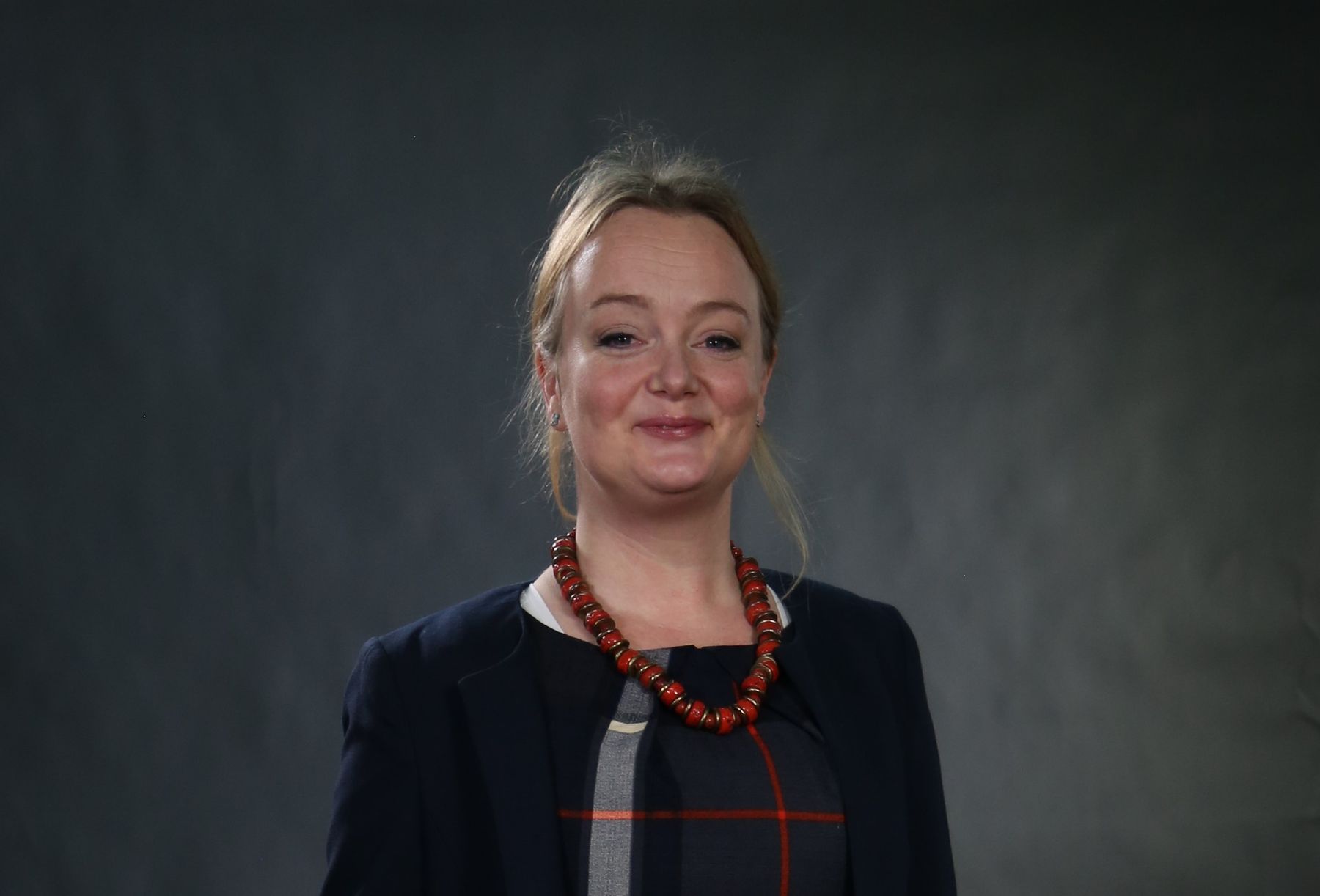
Who will teach you?

Entry requirements
UK students
You should normally:
- have a standard of education equivalent to that required for entry into higher education. You may still be accepted onto the course if you do not have formal qualifications at this level but can demonstrate that you would be likely to complete the course successfully. This would be at the discretion of the course team and determined by your application form and interview.
- be aged 20 or over. We may, at our discretion, accept applicants from age 18.
- have a standard of spoken and written English and an awareness of language which will enable you to undertake the course and to teach English language at a range of levels. If English is not your first language, Cambridge English recommends that you have an overall level of English proficiency equivalent to C2 or C1+ on the Common European Framework of Reference (CEFR). This equates to a minimum overall IELTS score of 7.5-8. Your English level will be discussed during the interview process.
Additional requirements for UK students
A very high level of attendance is expected on the course. Cambridge stipulate they expect 100% attendance for good reason, because the very practical nature of the course means that missed sessions cannot easily be caught up by extra home study. Candidates who are unable to make the full commitment are unlikely to be admitted onto the course.
International students
You should normally:
- have a standard of education equivalent to that required for entry into higher education. You may still be accepted onto the course if you do not have formal qualifications at this level but can demonstrate that you would be likely to complete the course successfully. This would be at the discretion of the course team and determined by your application form and interview.
- be aged 20 or over. We may, at our discretion, accept applicants from age 18.
- have a standard of spoken and written English and an awareness of language which will enable you to undertake the course and to teach English language at a range of levels. If English is not your first language, Cambridge English recommends that you have an overall level of English proficiency equivalent to C2 or C1+ on the Common European Framework of Reference (CEFR). This equates to a minimum overall IELTS score of 7.5-8. Your English level will be discussed during the interview process.
Additional requirements for international students
A very high level of attendance is expected on the course. Cambridge stipulate they expect 100% attendance for good reason, because the very practical nature of the course means that missed sessions cannot easily be caught up by extra home study. Candidates who are unable to make the full commitment are unlikely to be admitted onto the course.