Anaesthetic Practice

About this course
The Institute of Health and Allied Professions at NTU offers a comprehensive suite of continuous professional development (CPD) courses that have been designed and developed to meet the needs of the local health sector workforce.
The Anaesthetic Practice (post-registration) courses have been developed with have been developed with Nottingham University Hospitals (NUH) NHS Trust critical care leads, alongside NTU colleagues from the Institute of Health and Allied Professions.
The principle aims for this course is to provide post-qualification continuing professional development pertinent to the students’ area of work and enhance the knowledge skills and values of staff within anaesthesia. These are core attributes required to develop and deliver a workforce, with the capabilities to deliver a safe and world-class service to anaesthetic / theatre patients.
This course offers the following qualifications. See the modules section below to see what you would study for each qualification.
- Professional Certificate
- Postgraduate Certificate
- Postgraduate Diploma
- BSc or BSc top-up
- MSc or MSc top-up
Why do this course?
-

Tailor your learning experience
to suit your professional development needs, with a range of qualifications available at different levels.
-

Benefit from collaborative course design
with specialist colleagues from Nottingham University Hospitals (NUH) NHS Trust.
-

Learn from the experts
at a university rated TEF ‘Gold’ for teaching and learning.
The course is aligned to the National Standards for British Anaesthetic and Recovery Nurses Association (BARNA) and the National Core Curriculum for Perioperative Nursing.
The course values are rooted in a commitment to practice excellence, and in the development and delivery of anaesthetic care by staff to patients. To enable this, the course is co-produced and developed with clear leadership from senior clinical experts and a focus of delivery in a clinical environment.
Therefore, the award and the associated CPD framework is a means by which individual anaesthetic practitioners, and the health service providers, meet and advance the standards of practice.
You will develop academic and practice skills and knowledge, utilising research, critically exploring evidence, and applying this learning to their professional practice as anaesthetic nurses.
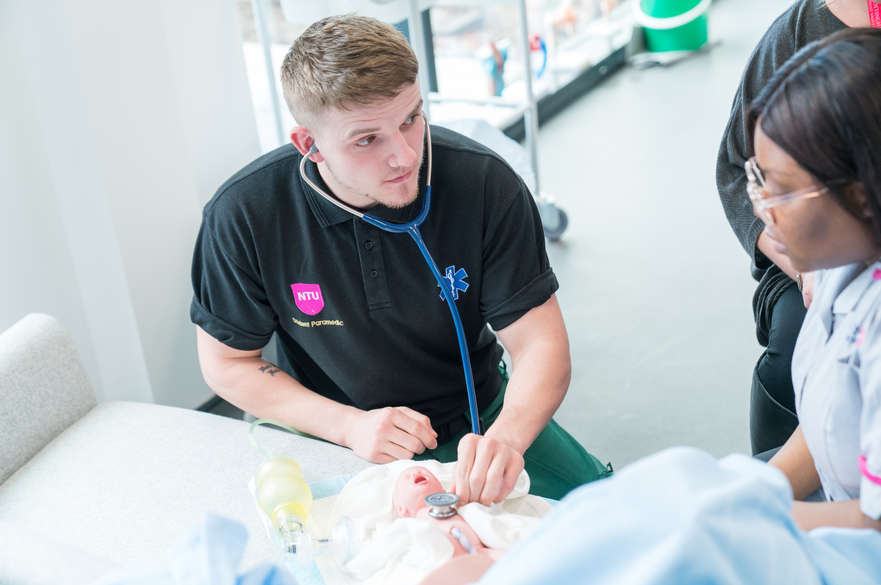
The content will include theory on the physiology and practice of caring for anaesthetic patients using a system based approach. The taught elements of the course will be via a variety of facilitative teaching techniques in order to address the differing learning styles of the students. These include, evidence based lecture style, scenario based learning and the inclusion of clinical skills simulation.. The learning environment and level of teaching will be the same for each level of study (post registration certificate, (level 6) or post graduate (level 7) The level of study and therefore attainment will be differentiated at assessment only, students will be assessed at either Level 6 or 7.
Module information
Here’s a breakdown of what you’ll be studying throughout the course:
This is a Level 6 qualification.
Core modules
This module focuses on the assessment, management and care of the elective anaesthetic patient and covers the core principles of anaesthesia.
30 credits
After studying this module you should be able to have a critical understanding of knowledge and demonstrate in practice the assessment, management and care of the anaesthetic patients in a variety of setting e.g. obstetrics, ENT, emergencies, out of area care.
30 credits
credits
credits
credits
credits
credits
credits
credits
credits
credits
credits
credits
credits
credits
credits
credits
credits
credits
credits
credits
credits
credits
credits
credits
credits
credits
credits
credits
credits
credits
credits
credits
credits
credits
credits
credits
credits
credits
credits
credits
credits
credits
credits
credits
credits
credits
credits
credits
credits
credits
credits
credits
credits
credits
credits
credits
credits
credits
credits
credits
credits
credits
credits
credits
credits
credits
credits
credits
credits
credits
credits
credits
credits
credits
credits
credits
credits
credits
credits
credits
credits
credits
credits
credits
credits
credits
credits
credits
credits
credits
credits
credits
credits
credits
credits
credits
credits
credits
credits
credits
credits
credits
credits
credits
credits
credits
credits
credits
credits
credits
credits
credits
credits
credits
credits
credits
credits
credits
credits
credits
credits
credits
credits
credits
credits
credits
credits
credits
credits
credits
credits
credits
credits
credits
credits
credits
credits
credits
credits
credits
credits
credits
credits
credits
credits
credits
credits
credits
credits
credits
credits
credits
credits
credits
credits
credits
credits
credits
credits
credits
credits
credits
credits
credits
credits
credits
credits
credits
credits
credits
credits
credits
credits
credits
This is a Level 7 qualification.
Core modules
This module focuses on the assessment, management and care of the elective anaesthetic patient and covers the core principles of anaesthesia.
30 credits
After studying this module you should be able to have a critical understanding of knowledge and demonstrate in practice the assessment, management and care of the anaesthetic patients in a variety of setting e.g. obstetrics, ENT, emergencies, out of area care.
30 credits
credits
credits
credits
credits
credits
credits
credits
credits
credits
credits
credits
credits
credits
credits
credits
credits
credits
credits
credits
credits
credits
credits
credits
credits
credits
credits
credits
credits
credits
credits
credits
credits
credits
credits
credits
credits
credits
credits
credits
credits
credits
credits
credits
credits
credits
credits
credits
credits
credits
credits
credits
credits
credits
credits
credits
credits
credits
credits
credits
credits
credits
credits
credits
credits
credits
credits
credits
credits
credits
credits
credits
credits
credits
credits
credits
credits
credits
credits
credits
credits
credits
credits
credits
credits
credits
credits
credits
credits
credits
credits
credits
credits
credits
credits
credits
credits
credits
credits
credits
credits
credits
credits
credits
credits
credits
credits
credits
credits
credits
credits
credits
credits
credits
credits
credits
credits
credits
credits
credits
credits
credits
credits
credits
credits
credits
credits
credits
credits
credits
credits
credits
credits
credits
credits
credits
credits
credits
credits
credits
credits
credits
credits
credits
credits
credits
credits
credits
credits
credits
credits
credits
credits
credits
credits
credits
credits
credits
credits
credits
credits
credits
credits
credits
credits
credits
credits
credits
credits
credits
credits
credits
credits
credits
This is a Level 7 qualification.
In addition to your core modules, you will choose 30 credits of optional modules. Please note that the Research Ethics and Research Governance modules are 15 credits each, meaning you would need to complete both.
Core modules
This module focuses on the assessment, management and care of the elective anaesthetic patient and covers the core principles of anaesthesia.
30 credits
After studying this module you should be able to have a critical understanding of knowledge and demonstrate in practice the assessment, management and care of the anaesthetic patients in a variety of setting e.g. obstetrics, ENT, emergencies, out of area care.
30 credits
This module will explore contemporary issues and debates in health research. The module will prepare students with the knowledge and skills required to undertake research in their chosen field of professional practice.
30 credits
credits
credits
credits
credits
credits
credits
credits
credits
credits
credits
credits
credits
credits
credits
credits
credits
credits
credits
credits
credits
credits
credits
Optional modules
This module considers contemporary leadership theory, policy and research and its application to current challenges faced by leaders working in health and social care. It aims to develop a critical awareness of leadership concepts and provide learners with strategies to lead change and innovation in their local area. Topics include collaborative working, team performance, coaching and talent development.
30 credits
This module aims to help you understand the principles of planning, patient recruitment, piloting and feasibility assessments. You will explore how collaboration can enhance study feasibility and quality, appraise the attributes of an inclusive researcher, and develop a critical and reflective approach to leading and delivering health and social care research.
30 credits
In this module you will review Good Clinical Practice (GCP) principles for conducting and reporting clinical trials. You will discuss quality assurance and quality control systems used for monitoring and audit, and learn to effectively prepare for an inspection.
15 credits
In this module you will develop an awareness of the key ethical issues in research, the role of ethics committees, and research governance. You will discuss how research ethics and research integrity protect the safety of research participants, and explore how to identify ethical issues across the design, delivery and management of research.
15 credits
credits
credits
credits
credits
credits
credits
credits
credits
credits
credits
credits
credits
credits
credits
credits
credits
credits
credits
credits
credits
credits
credits
credits
credits
credits
credits
credits
credits
credits
credits
credits
credits
credits
credits
credits
credits
credits
credits
credits
credits
credits
credits
credits
credits
credits
credits
credits
credits
credits
credits
credits
credits
credits
credits
credits
credits
credits
credits
credits
credits
credits
credits
credits
credits
credits
credits
credits
credits
credits
credits
credits
credits
credits
credits
credits
credits
credits
credits
credits
credits
credits
credits
credits
credits
credits
credits
credits
credits
credits
credits
credits
credits
credits
credits
credits
credits
credits
credits
credits
credits
credits
credits
credits
credits
credits
credits
credits
credits
credits
credits
credits
credits
credits
credits
credits
credits
credits
credits
credits
credits
credits
credits
credits
credits
credits
credits
credits
credits
credits
credits
credits
credits
credits
credits
credits
credits
credits
credits
credits
credits
credits
credits
credits
credits
credits
credits
This is a Level 6 qualification.
If you are completing the BSc top-up, you will not need to complete the first two modules.
Core modules
This module focuses on the assessment, management and care of the elective anaesthetic patient and covers the core principles of anaesthesia.
30 credits
After studying this module you should be able to have a critical understanding of knowledge and demonstrate in practice the assessment, management and care of the anaesthetic patients in a variety of setting e.g. obstetrics, ENT, emergencies, out of area care.
30 credits
This module is about developing an understanding of evidence-based practice (EBP) and will explore key factors and barriers influencing the adoption of EBP in healthcare. The module will look at different types of evidence underpinning clinical practice and begin to determine the quality of evidence and its relative value to patient care and outcomes.
30 credits
This module provides you with the opportunity for originality and intellectual independence into a specific area of your practice. Students will be able to choose between an impact study (e.g. service evaluation or audit), a clinical change project, or critical review of practice.
30 credits
credits
credits
credits
credits
credits
credits
credits
credits
credits
credits
credits
credits
credits
credits
credits
credits
credits
credits
credits
credits
credits
credits
credits
credits
credits
credits
credits
credits
credits
credits
credits
credits
credits
credits
credits
credits
credits
credits
credits
credits
credits
credits
credits
credits
credits
credits
credits
credits
credits
credits
credits
credits
credits
credits
credits
credits
credits
credits
credits
credits
credits
credits
credits
credits
credits
credits
credits
credits
credits
credits
credits
credits
credits
credits
credits
credits
credits
credits
credits
credits
credits
credits
credits
credits
credits
credits
credits
credits
credits
credits
credits
credits
credits
credits
credits
credits
credits
credits
credits
credits
credits
credits
credits
credits
credits
credits
credits
credits
credits
credits
credits
credits
credits
credits
credits
credits
credits
credits
credits
credits
credits
credits
credits
credits
credits
credits
credits
credits
credits
credits
credits
credits
credits
credits
credits
credits
credits
credits
credits
credits
credits
credits
credits
credits
credits
credits
credits
credits
credits
credits
credits
credits
credits
credits
credits
credits
credits
credits
credits
credits
credits
credits
credits
credits
credits
credits
credits
credits
credits
credits
credits
This is a Level 7 qualification.
In addition to your core modules, you will choose 30 credits of optional modules. Please note that the Research Ethics and Research Governance modules are 15 credits each, meaning you would need to complete both.
If you are completing the MSc top-up, you will not need to complete the first two modules.
Core modules
This module focuses on the assessment, management and care of the elective anaesthetic patient and covers the core principles of anaesthesia.
30 credits
After studying this module you should be able to have a critical understanding of knowledge and demonstrate in practice the assessment, management and care of the anaesthetic patients in a variety of setting e.g. obstetrics, ENT, emergencies, out of area care.
30 credits
This module will explore contemporary issues and debates in health research. The module will prepare students with the knowledge and skills required to undertake research in their chosen field of professional practice.
30 credits
This module provides you with the opportunity for originality and intellectual independence into a specific area of your practice. Students will be able to choose between an impact study (e.g. service evaluation or audit), a clinical change project, or critical review of practice.
60 credits
credits
credits
credits
credits
credits
credits
credits
credits
credits
credits
credits
credits
credits
credits
credits
credits
credits
credits
credits
credits
credits
Optional modules
This module considers contemporary leadership theory, policy and research and its application to current challenges faced by leaders working in health and social care. It aims to develop a critical awareness of leadership concepts and provide learners with strategies to lead change and innovation in their local area. Topics include collaborative working, team performance, coaching and talent development.
30 credits
This module aims to help you understand the principles of planning, patient recruitment, piloting and feasibility assessments. You will explore how collaboration can enhance study feasibility and quality, appraise the attributes of an inclusive researcher, and develop a critical and reflective approach to leading and delivering health and social care research.
30 credits
In this module you will review Good Clinical Practice (GCP) principles for conducting and reporting clinical trials. You will discuss quality assurance and quality control systems used for monitoring and audit, and learn to effectively prepare for an inspection.
15 credits
In this module you will develop an awareness of the key ethical issues in research, the role of ethics committees, and research governance. You will discuss how research ethics and research integrity protect the safety of research participants, and explore how to identify ethical issues across the design, delivery and management of research.
15 credits
credits
credits
credits
credits
credits
credits
credits
credits
credits
credits
credits
credits
credits
credits
credits
credits
credits
credits
credits
credits
credits
credits
credits
credits
credits
credits
credits
credits
credits
credits
credits
credits
credits
credits
credits
credits
credits
credits
credits
credits
credits
credits
credits
credits
credits
credits
credits
credits
credits
credits
credits
credits
credits
credits
credits
credits
credits
credits
credits
credits
credits
credits
credits
credits
credits
credits
credits
credits
credits
credits
credits
credits
credits
credits
credits
credits
credits
credits
credits
credits
credits
credits
credits
credits
credits
credits
credits
credits
credits
credits
credits
credits
credits
credits
credits
credits
credits
credits
credits
credits
credits
credits
credits
credits
credits
credits
credits
credits
credits
credits
credits
credits
credits
credits
credits
credits
credits
credits
credits
credits
credits
credits
credits
credits
credits
credits
credits
credits
credits
credits
credits
credits
credits
credits
credits
credits
credits
credits
credits
credits
credits
credits
credits
credits
credits
credits
credits
credits
credits
credits
credits
credits
credits
credits
credits
credits
credits
credits
credits
credits
credits
credits
credits
credits
credits
credits
credits
credits
credits
credits
credits
credits
credits
credits
credits
credits
credits
credits
credits
credits
credits
credits
credits
credits
credits
credits
credits
credits
credits
credits
credits
credits
credits
credits
credits
credits
credits
credits
credits
credits
credits
credits
credits
credits
credits
credits
credits
credits
credits
credits
credits
credits
credits
credits
credits
credits
credits
credits
credits
credits
credits
credits
credits
credits
credits
credits
credits
credits
credits
credits
credits
credits
credits
credits
credits
credits
credits
credits
credits
credits
credits
credits
credits
credits
credits
credits
credits
credits
credits
credits
credits
credits
credits
credits
credits
credits
credits
credits
credits
credits
credits
credits
credits
credits
credits
credits
credits
credits
credits
credits
credits
credits
credits
credits
credits
credits
credits
credits
credits
credits
credits
credits
credits
credits
credits
credits
credits
credits
credits
credits
credits
credits
credits
credits
credits
credits
credits
credits
credits
credits
credits
credits
credits
credits
credits
credits
credits
credits
credits
credits
credits
credits
credits
credits
credits
credits
credits
credits
credits
credits
credits
credits
credits
credits
credits
credits
credits
credits
credits
credits
credits
credits
credits
credits
credits
credits
credits
credits
credits
credits
credits
credits
credits
credits
credits
credits
credits
credits
credits
credits
credits
credits
credits
credits
credits
credits
credits
credits
credits
credits
credits
credits
credits
credits
credits
credits
credits
credits
credits
credits
credits
credits
credits
credits
credits
credits
credits
credits
credits
credits
credits
credits
credits
credits
credits
credits
credits
credits
credits
credits
credits
credits
credits
credits
credits
credits
credits
credits
credits
credits
credits
credits
credits
credits
credits
credits
credits
credits
credits
credits
credits
credits
credits
credits
credits
credits
credits
credits
credits
credits
credits
credits
credits
credits
credits
credits
credits
credits
credits
credits
credits
credits
credits
credits
credits
credits
credits
credits
credits
credits
credits
credits
credits
credits
credits
credits
credits
credits
credits
credits
credits
credits
credits
credits
credits
credits
credits
credits
credits
credits
credits
credits
credits
credits
credits
credits
credits
credits
credits
credits
credits
credits
credits
credits
credits
credits
credits
credits
credits
credits
credits
credits
credits
credits
credits
credits
credits
credits
credits
credits
credits
credits
credits
credits
credits
credits
credits
credits
credits
credits
credits
credits
credits
credits
credits
credits
credits
credits
credits
credits
credits
credits
credits
credits
credits
credits
credits
credits
credits
credits
credits
credits
credits
credits
credits
credits
credits
credits
credits
credits
credits
credits
credits
credits
credits
credits
credits
credits
credits
credits
credits
credits
credits
credits
credits
credits
credits
credits
credits
credits
credits
credits
credits
credits
credits
credits
credits
credits
credits
credits
credits
credits
credits
credits
credits
credits
credits
credits
credits
credits
credits
credits
credits
credits
credits
credits
credits
credits
credits
credits
credits
credits
credits
credits
credits
credits
credits
credits
credits
credits
credits
credits
credits
credits
credits
credits
credits
credits
credits
credits
credits
credits
credits
credits
credits
credits
credits
credits
credits
credits
credits
credits
credits
credits
credits
credits
credits
credits
credits
credits
credits
credits
credits
credits
credits
credits
credits
credits
credits
credits
credits
credits
credits
credits
credits
credits
credits
credits
credits
credits
credits
credits
credits
credits
credits
credits
credits
credits
credits
credits
credits
credits
credits
credits
credits
credits
credits
credits
credits
credits
credits
credits
credits
credits
credits
credits
credits
credits
credits
credits
credits
credits
credits
credits
credits
credits
credits
credits
credits
credits
credits
credits
credits
credits
credits
credits
credits
credits
credits
credits
credits
credits
credits
credits
credits
credits
credits
credits
credits
credits
credits
credits
credits
credits
credits
credits
credits
credits
credits
credits
credits
credits
credits
credits
credits
credits
credits
credits
credits
credits
credits
credits
credits
credits
credits
credits
credits
credits
credits
credits
credits
credits
credits
credits
credits
credits
credits
credits
credits
credits
credits
credits
credits
credits
credits
credits
credits
credits
credits
credits
credits
credits
credits
credits
credits
credits
credits
credits
credits
credits
credits
credits
credits
credits
credits
credits
credits
credits
credits
credits
credits
credits
credits
credits
credits
credits
credits
credits
credits
credits
credits
credits
credits
credits
credits
credits
credits
credits
credits
credits
credits
credits
credits
credits
credits
credits
credits
credits
credits
credits
credits
credits
credits
credits
credits
credits
credits
credits
credits
credits
credits
credits
credits
credits
credits
credits
credits
credits
credits
credits
credits
credits
credits
credits
credits
credits
credits
credits
credits
credits
credits
credits
credits
credits
credits
credits
credits
credits
credits
credits
credits
credits
credits
credits
credits
credits
credits
credits
credits
credits
credits
credits
credits
credits
credits
credits
credits
credits
credits
credits
credits
credits
credits
credits
credits
credits
credits
credits
credits
credits
credits
credits
credits
credits
credits
credits
credits
credits
credits
credits
credits
credits
credits
credits
credits
credits
credits
credits
credits
credits
credits
credits
credits
credits
credits
credits
credits
credits
credits
credits
credits
credits
credits
credits
credits
credits
credits
credits
credits
credits
credits
credits
credits
credits
credits
credits
credits
credits
credits
credits
credits
credits
credits
credits
credits
credits
credits
credits
credits
credits
credits
credits
credits
credits
credits
credits
credits
credits
credits
credits
credits
credits
credits
credits
credits
credits
credits
credits
credits
credits
credits
credits
credits
credits
credits
credits
credits
credits
credits
credits
credits
credits
credits
credits
credits
credits
credits
credits
credits
credits
credits
credits
credits
credits
credits
credits
credits
credits
credits
credits
credits
credits
credits
credits
credits
credits
credits
credits
credits
credits
credits
credits
credits
credits
credits
credits
credits
credits
credits
credits
credits
credits
credits
credits
credits
credits
credits
credits
credits
credits
credits
credits
credits
credits
credits
credits
credits
credits
credits
credits
credits
We regularly review our course content based on student and employer feedback to ensure they remain current and relevant. This may result in changes to module content or availability in future years. Optional modules will only run where there is sufficient demand. This will be determined on a case-by-case basis to protect the academic and student experience.
How you're taught
Delivery Mode
The teaching strategy is multi-modal and adopts a blended approach, with a clear commitment to face-to-face teaching and learning supported by online learning materials, small group discussions, presentations and practical exercises. Lectures will develop students’ subject knowledge and understanding and will aim to build on previous learning.
Throughout the course, each module will encourage students to not only examine the knowledge and skills requirements for advanced and competent practice, it will also explore specific themes, based upon experiences in practice. In this way students will be able to integrate learning across the “theory and practice” divide and to emphasise the importance of the practice component. Where appropriate, learning on the course will be led and enhanced by the contributions of external professional staff with specialist expertise. This co-delivery of education will enable learners to benefit from both clinical and academic expertise to augment their learning and provides a symbiotic approach to professional development.
Clinical Area
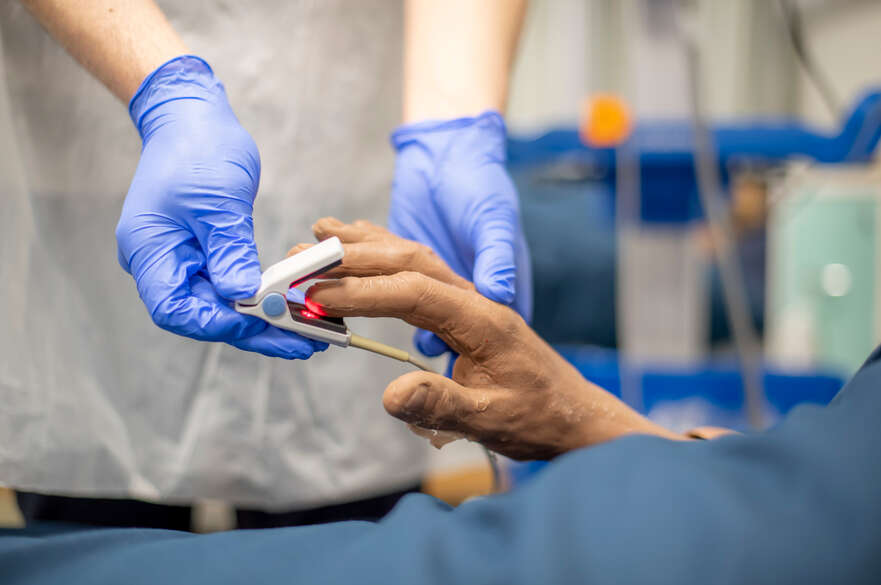
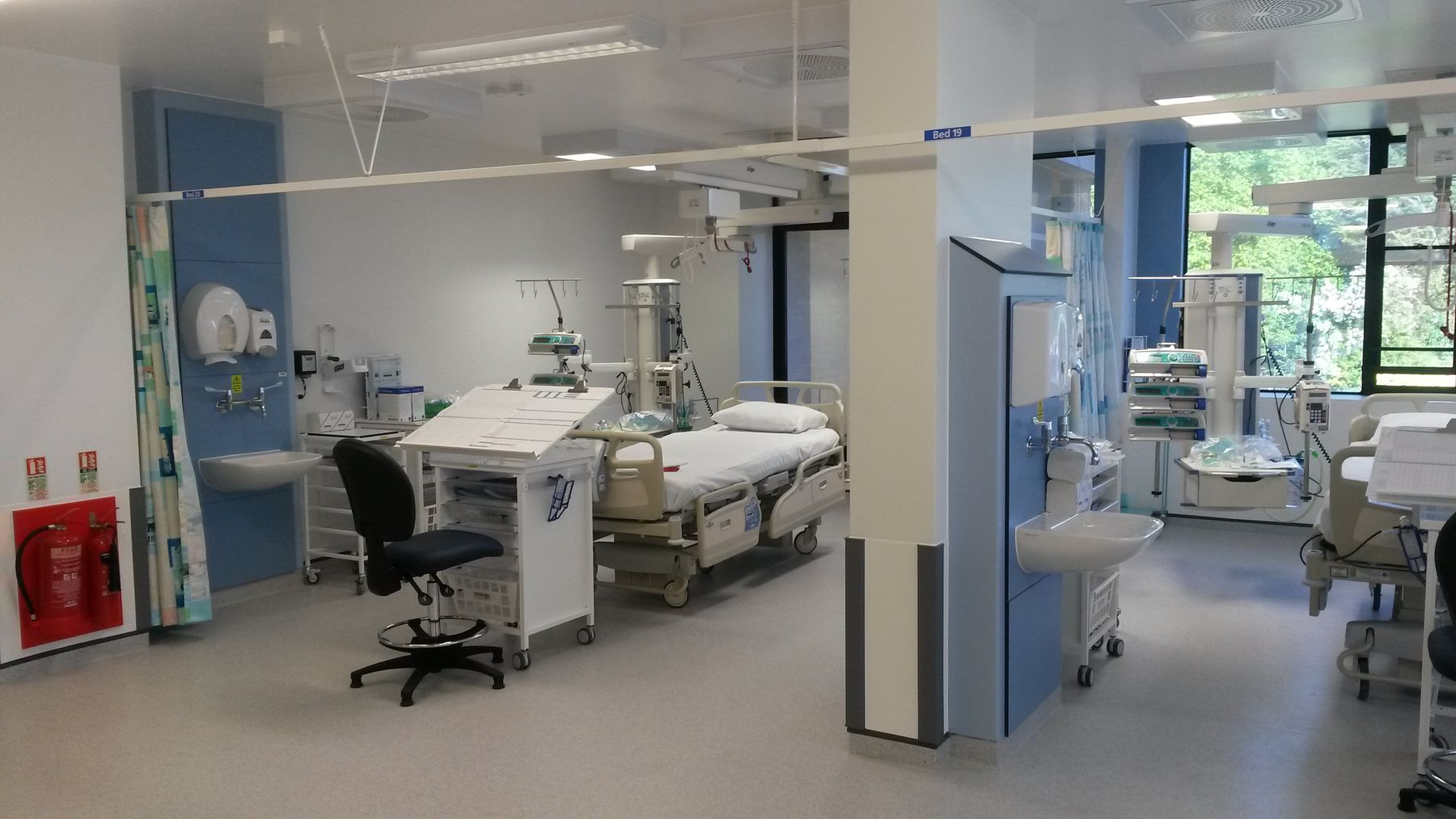
Working in a Theatre/ Anaesthetic setting is a compulsory component of the course to enable you to develop the necessary competencies required for the course. You will spend time in a variety of clinical areas working with dedicated Clinical supervisors who will guide and develop your skills and knowledge and assess you in practice alongside other competent anaesthetic and theatre staff .
You will continue to work your standard shift patterns this will include unsociable hours including days, nights, weekends and bank holidays.
How you're assessed
- Critical evaluation
- Critical reflection
- Case study analysis –
- Skills stations –
- Observations of practice - observations may be carried out by mentors, managers or peers depending on the level and context of the module
- Multi Choice Questions (MCQ) -
- Clinical Competency assessed against the National Standards for British Anaesthetic and Recovery Nurses Association (BARNA) and the National Core Curriculum for Perioperative Nursing – via portfolio.
- Observed structured clinical examination (OSCE)
- Academic presentation.
Entry requirements
UK students
Applicants will be registered nurses or healthcare professionals currently working in a theatre setting (if any doubt exists as to whether the clinical area will meet the clinical competency requirements a discussion should be held with the course lead regarding the possibility of a clinical placement )
- Applicants for the Professional certificate must have a level 5 qualification, applicants for the Post graduate certificate must have a level 6 qualification or evidence of the ability to study at Level 6
- Applicants should have at least 1 years theatre experience
- Applicants must be supported by the managers and have an appropriate clinical supervisor to assess their competencies
To meet the course requirements you need to undertake 4-week placements in 11 areas (e.g., General, Urology, Trauma & Orth, Burns and Plastics, Obstetrics, Paediatrics, ED., etc.). If you have any queries about securing placements, you can speak to the course team once you have submitted your application. You should be supernumerary and work a total of 80.5 hours (7 long days) in each placement area. Whilst on the course you should be working the remainder of your hours in your own current place of work.
Additional requirements for UK students
There are no additional requirements for this course.
International students
Unfortunately this course is not available for international students.
Additional requirements for international students
There are no additional requirements for this course.