NTU strengthens global sustainability leadership with new Kenya research hub
Last week, a team from NTU travelled to Kenya to open a new Centre for Ecosystem Restoration-Kenya (CER-K) research and collaboration building in Brackenhurst, Limuru.
Published on 22 June 2026
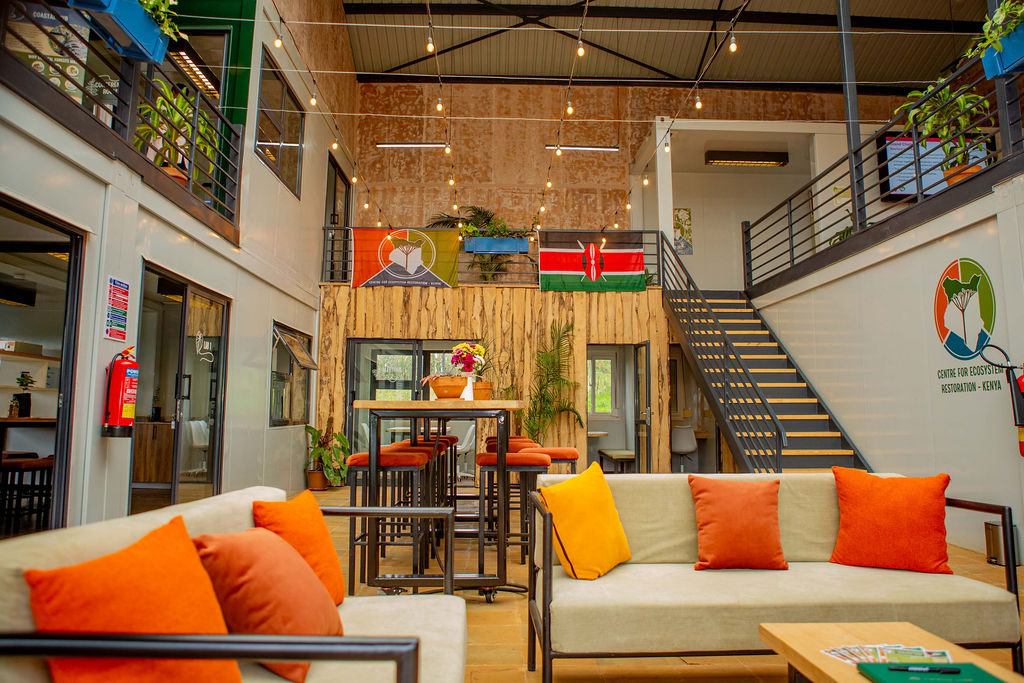
The facility represents the next chapter in an eight-year partnership between NTU and CER-K. It brings together modern laboratories, training spaces and collaborative working environments within a restored indigenous forest - creating a hub for science-led ecosystem restoration in sub-Saharan Africa.
The launch was attended by 33 organisations, including the Kenyan Ministry of Education, the British Council, local universities and international organisations, alongside NTU colleagues, highlighting the growing global impact of the partnership. The NTU delegation included the Vice-Chancellor, Prof Mazeda Hossain, Dr Clare Newstead, Prof Dawn Scott, Prof Andy Gill, and Dr Helen Karditsas.
A partnership turning research into real-world impact
Since 2018, NTU and CER-K have worked together to advance ecological restoration, combining research, education and on-the-ground practice. Collaborative projects have supported student placements, PhD research and long-term environmental monitoring, helping to build scientific evidence and local capacity.
The new building creates a permanent base for this work – enabling expanded research programmes, enhanced teaching opportunities and stronger international collaboration.
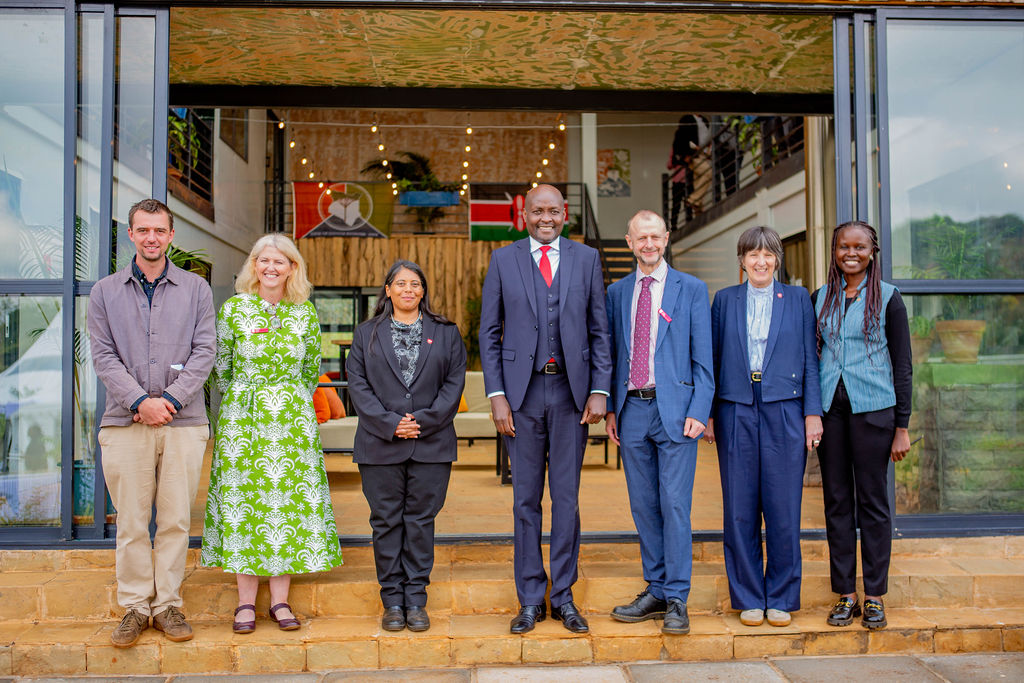
From L-R: Jonathan Jenkins, Executive Director - Centre for Ecosystem Restoration-Kenya, Dawn Scott, Executive Dean - ARES, Mazeda Hossain, EAC Director - NTU, Geoffrey Monari, CEO/Board Secretary of Higher Education Loans Board - Ministry of Education, Dave Petley, Vice-Chancellor - NTU, Clare Newstead, Associate Director - NTU Global, Quinter Peres, Projects and Partnerships Lead - Centre for Ecosystem Restoration-Kenya.
This is not simply about opening a building. It is about celebrating a partnership built on mutual trust, shared values and a clear, practical vision for what we can achieve together.
This new facility gives our work a permanent home and a platform to strengthen research, training and collaboration – helping us turn shared ambition into meaningful action for ecosystems and communities.
Professor Dave Petley, Vice-Chancellor and President, NTU
Supporting global environmental priorities
The CER-K hub will play a key role in advancing biodiversity restoration and climate resilience, supporting Kenya’s national ambitions to restore degraded landscapes by 2030. It will also contribute to global sustainability goals through research-based practice, developing green skills and fostering international partnerships.
Located within Kenya’s first accredited botanic garden and a 100-acre restored Afromontane forest, the site itself demonstrates the long-term impact of restoration work – transforming land once used for agriculture into a thriving ecosystem.
Through the new facility, NTU and CER-K aim to:
- Expand joint research and doctoral training programmes
- Strengthen capacity in ecosystem restoration science
- Increase access to international funding
- Build networks across academic, policy and practitioner communities
- Support the next generation of environmental leaders
The building will also host training, mentoring and professional development activities, reinforcing NTU’s long-term commitment to equitable global partnerships.
Inspiring future generations
During the visit, the team from NTU also took part in the Global Sustainability Challenge Awards, engaging with students from Kenyan schools and reinforcing NTU’s commitment to education-led impact and international recruitment.
The partnership is a flagship initiative within NTU’s Eastern Africa Centre (EAC), launched in 2022. The EAC brings together more than 60 colleagues across the university and supports research projects in 11 African countries, spanning health, technology, social sciences and environmental sustainability. Read more about our work in Eastern Africa.