Biostatistics Training for HIV-TB Research: Strengthening Academic Collaboration in South Africa
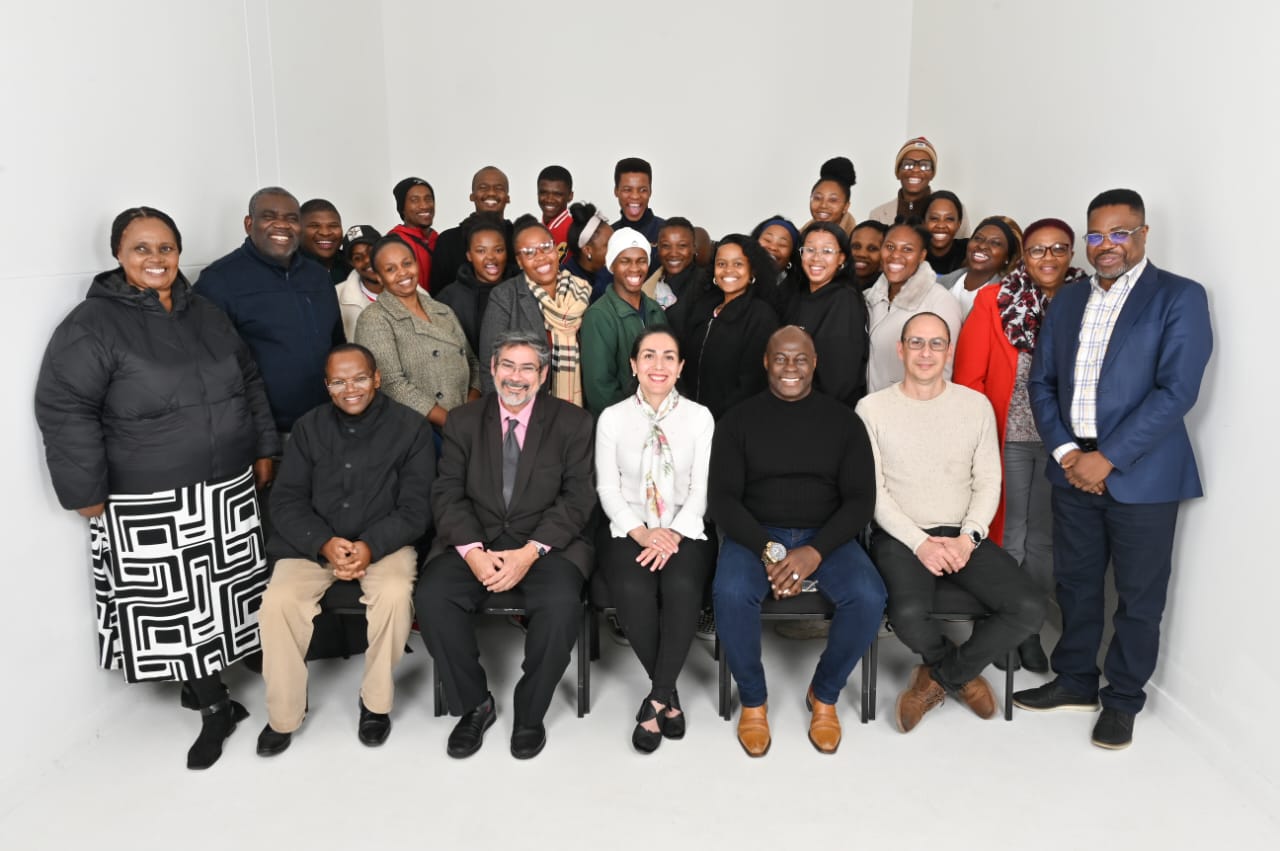
Between 19 May 2025 and 30 May 2025, NTU Associate Professor Golnaz Shahtahmassebi visited South Africa as part of an international research collaboration initiative. The primary objectives were to strengthen ongoing partnerships with Walter Sisulu University (WSU) and the University of Cape Town (UCT), with a particular emphasis on capacity-building in Biostatistics and R programming, and to engage in substantive discussions on addressing drug-resistant HIV-TB.
Published on 15 June 2026
Overview
This initiative aimed to foster a sustainable research pipeline involving students and scholars. Key outcomes of the visit included the launch of joint training workshops in R and statistics, the establishment of plans for a Biostatistics Centre at WSU, groundwork for future collaborative conferences, and the initiation of new research projects addressing drug-resistant TB and chronic disease modelling.
Day 1: Drug-Resistant HIV-TB Research Exchange
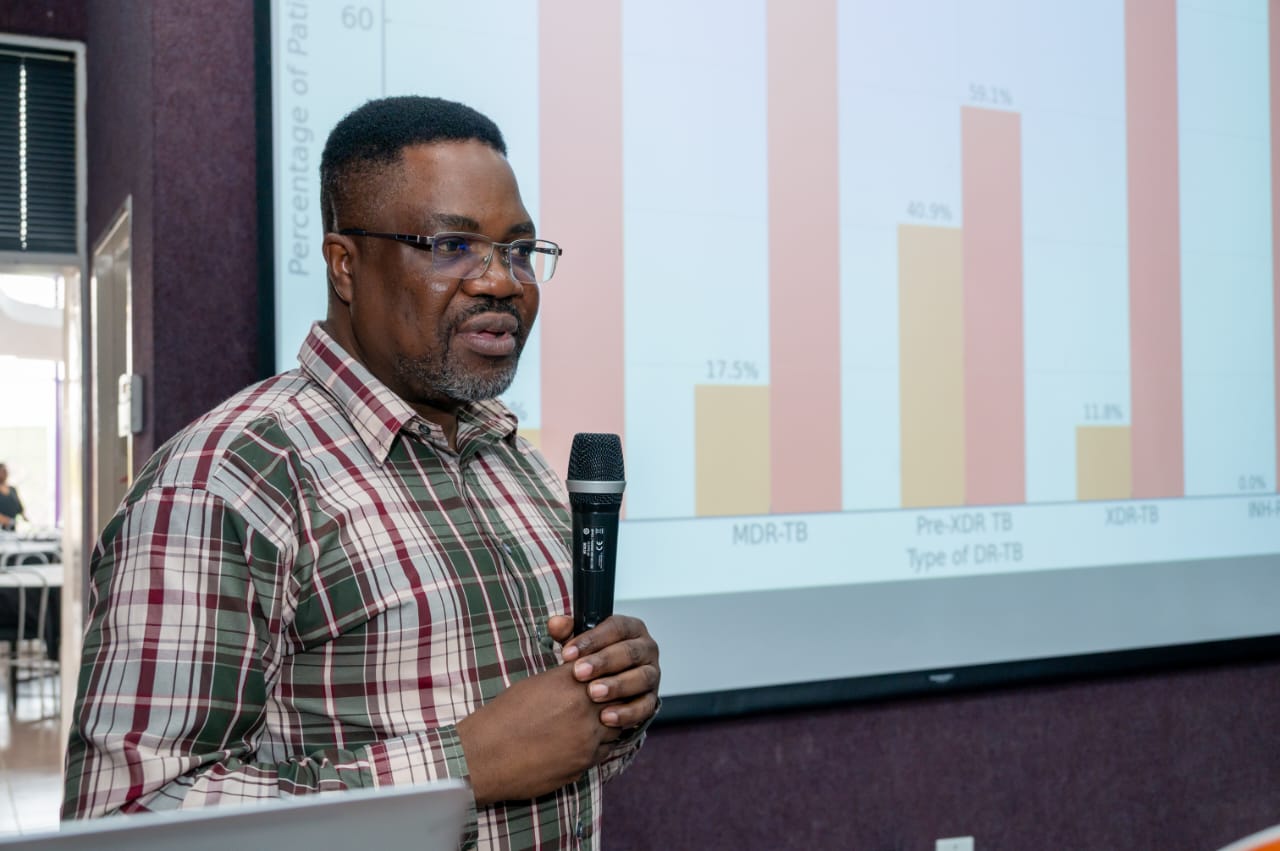
The first day at WSU, Mthatha, commenced with a research exchange meeting led by WSU’s TB Research Group in collaboration with Professor Teke Apalata. Key themes and research highlights included:
- Use of biphotonic technology for rapid TB diagnosis
- Social and structural impact of HIV prevalence and HIV–TB co-infection
- A personalised One Health approach that integrates human, animal, and environmental health perspectives
- Exploration of plant extract–based treatments as alternatives for drug-resistant TB
- Genetic mutations in TB linked to emerging extensively drug-resistant (XDR-TB) strains
Key challenges
- Lack of comprehensive local datasets for surveillance and modelling
- Reluctance of pharmaceutical companies to invest in new trial designs for TB
- Difficulty tracking individuals over the long term increases the risk of patient drop-off and the development of resistance.
Several potential strategies to address this challenge were explored, including implementing digital patient-tracking systems, community outreach through local health workers, and regular follow-up appointments. Collaborative discussions also suggested piloting patient reminder tools and involving peer support networks to improve retention rates and adherence throughout treatment.
Day 2: R Workshop & Biostatistics Strategic Planning
The second day of the visit focused on capacity-building in statistical methods and on developing a long-term collaboration strategy. The morning session started with R+ Introduction to Basic Statistics Workshop. Dr Shahtahmassebi conducted a hands-on training session introducing participants to R programming and foundational statistical concepts, specifically designed for postgraduate health science researchers and early-career academics. The workshop emphasised applied techniques for public health data and established a foundation for subsequent advanced training.
In the afternoon, participants were taken through Biostatistics Strategic Planning, during which an in-depth discussion was held on the future development of biostatistics at WSU. Key outcomes included:
- Plans to continue seasonal training programmes modelled on the successful Summer and Winter Schools run in 2024 and 2025
- Development of a consultancy service for postgraduate students, particularly focused on experimental design and statistical analysis support
- Initial planning for a joint international conference, with a proposed theme: "Statistical Analysis of Extreme Weather Events and Disease Outbreaks" or “Causal Inference Methods in Observational Environmental Health Studies”
These discussions represent a significant step toward establishing a sustainable Biostatistics Centre that will support research excellence and community impact in the Eastern Cape region.
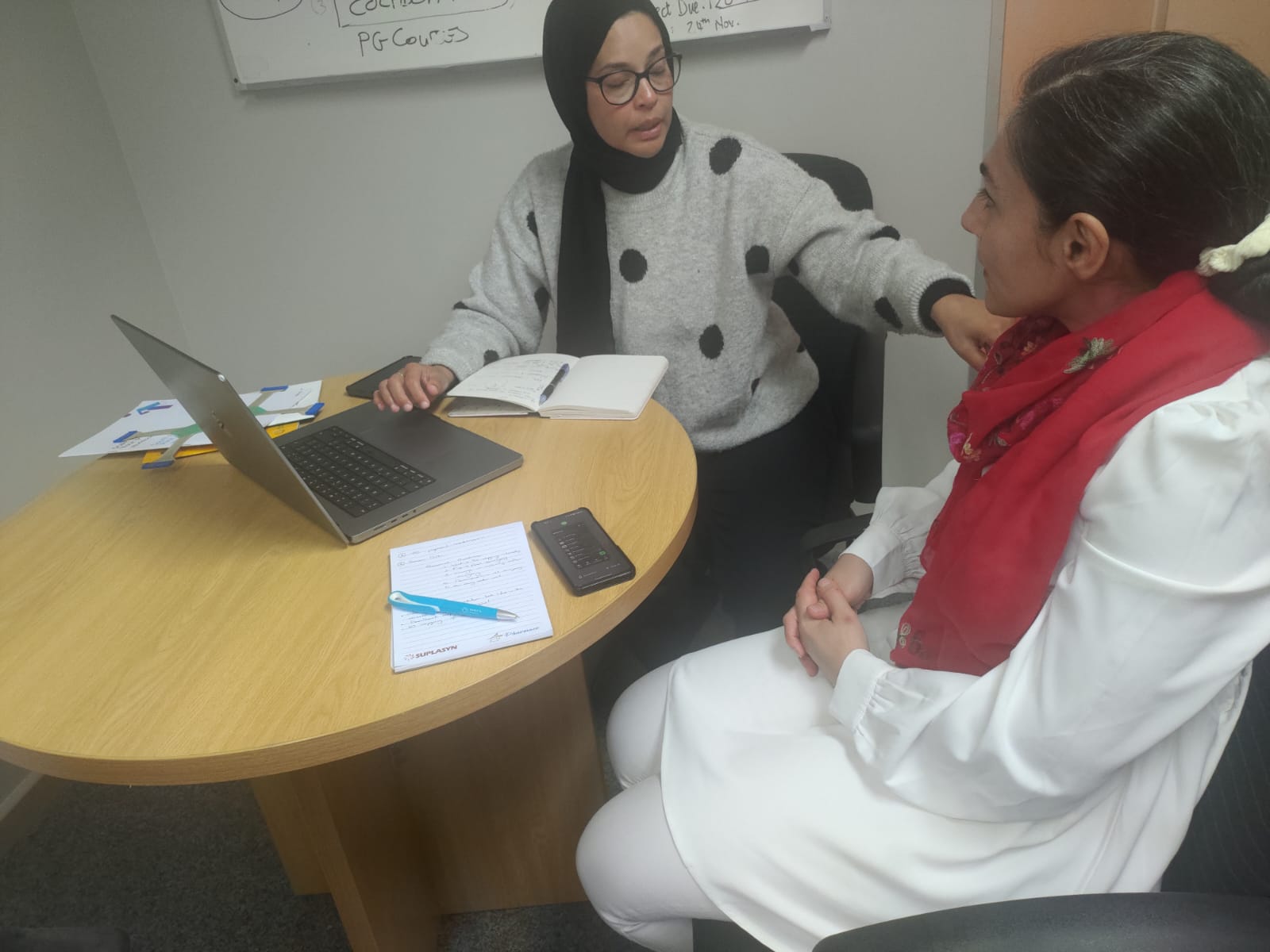
A full-day workshop on R and Statistical Methods was also delivered to researchers within UCT’s HPALS division on 27th May 2025. This workshop was attended by a diverse group of researchers, including academics, early-career researchers, and PhD students. The workshop focused on applied modelling in R, covering the practical application of statistical tools for research in health sciences, rehabilitation, and population health. A follow-up Statistical Consultancy & Strategic Collaborations was then held on the 28th of May 2025. This session offered one-to-one and small-group consultancy, offering tailored support on study design and statistical analysis.
To wrap up the trip, Dr Shahtahmassebi met with Professor Yumna Albertus to explore a new sensor device for measuring muscle sensory nerve responses. Collaborative use of data to visualise muscle stimulation during surgery was discussed, with plans to develop a data-driven modelling approach. A meeting was conducted with Professor Fredirick Mashili to discuss a longitudinal dataset on diabetes collected in Tanzania. Potential future collaborative projects were explored, focusing on chronic disease modelling and longitudinal analysis in Sub-Saharan Africa.
Next phase of the partnership
As immediate next steps, we agreed to initiate a data-sharing process for the diabetes dataset, begin drafting a joint research proposal outlining the study objectives, and identify opportunities for joint training workshops on advanced statistical analysis. Collaborators interested in supporting or joining these initiatives are encouraged to participate in proposal development discussions and contribute expertise in chronic disease research and longitudinal data analysis.
Learn more about Associate Professor Golnaz Shahtahmassebi's research work and EAC research project work in South Africa on the NTU EAC webpage.