Browse our news
Read the latest news on university research, initiatives and successes.
-

NEWS
Why does putting back the clocks an hour disrupt us so much?
23 October 2026Professor John Groeger explains why putting the clocks back disrupts sleep, how the body’s internal clock regulates rest and alertness, and why some people are more affected than others.
ntu.ac.uk/about-us/news/news-articles/2026/10/why-clocks-going-back-disrupt-body-clock
-

NEWS
Why being prepared for emergencies must start in our communities
23 October 2026Professor Rowena Hill reflects on the launch of the government's Be Ready campaign and explains why building community resilience is so important.
ntu.ac.uk/about-us/news/news-articles/2026/10/why-emergency-preparedness-must-start-with-our-communities
-

NEWS
What are the conditions needed for young people to thrive?
22 October 2026Dr Frances Howard, who was part of a research advisory group that supported the new National Youth Strategy, explains what conditions are needed to support young people
ntu.ac.uk/about-us/news/news-articles/2026/10/conditions-for-young-people-to-thrive
-

NEWS
Space junk: what is it, why is it dangerous and can we clean it up?
22 October 2026Millions of pieces of space debris are orbiting Earth at enormous speeds, threatening satellites and future space missions. Space physics expert Dr Ian Whittaker explains how the problem has grown, the dangers it poses and whether we can find ways to clean up our increasingly crowded orbit.
ntu.ac.uk/about-us/news/news-articles/2026/10/what-is-space-debris
-

NEWS
Researchers warn of growing threats to sleep health across Europe
21 October 2026A new study warns that climate change, digital technology, misinformation and modern working patterns are creating growing challenges for sleep health across Europe.
ntu.ac.uk/about-us/news/news-articles/2026/10/europe-threats-to-sleep
-
NEWS
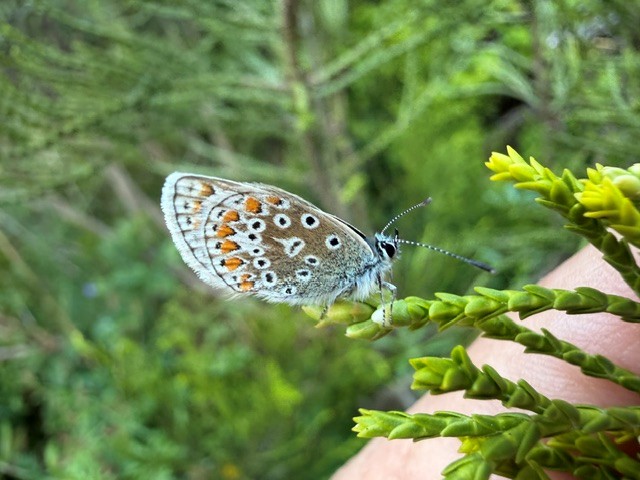
How many insects are there – and why do we need them?
21 October 2026There are an estimated 10 quintillion insects alive on Earth at any given time. That’s 10,000,000,000,000,000,000 individual insects. But how many species are there, why do we need them, and what would happen if their numbers continued to fall? Dr Alex Dittrich, a zoologist at Nottingham Trent University, explains why these small creatures play such a big role in keeping our planet functioning.
ntu.ac.uk/about-us/news/news-articles/2026/10/how-many-insects-are-there-and-why-do-we-need-them
-

NEWS
What is a UNESCO creative city?
20 October 2026PhD candidate Maryam Pourzakarya explains what UNESCO creative cities are, why they were established and how they benefit communities
ntu.ac.uk/about-us/news/news-articles/2026/10/what-is-a-unesco-creative-city
-

NEWS
Can you tell when someone is lying? The psychology of deception
20 October 2026Why is it difficult to spot a liar? NTU psychologist Nadja Heym explains how bias, anxiety and group dynamics affect our ability to detect deception.
ntu.ac.uk/about-us/news/news-articles/2026/10/detecting-lies-and-deception-psychology
-
NEWS
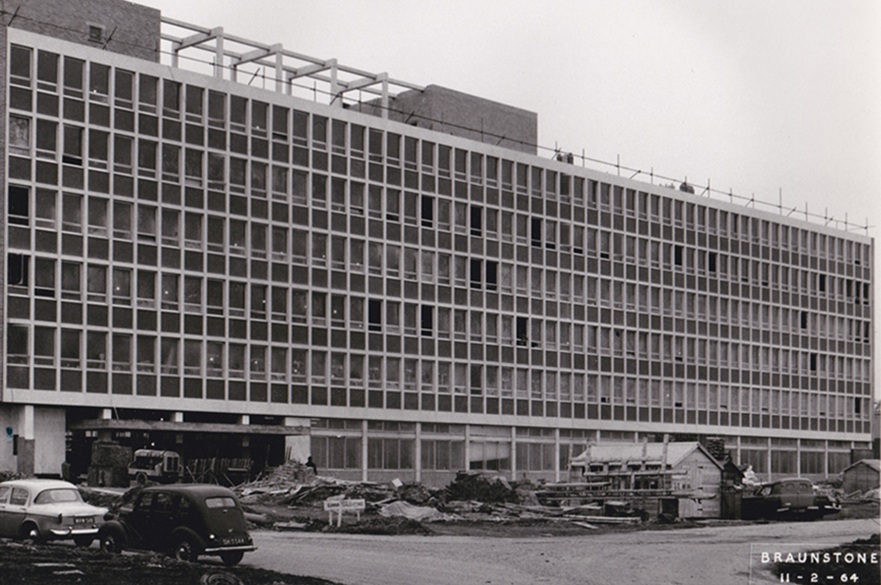
The British Shoe Corporation: its legacy in the British footwear industry
20 October 2026How the British Shoe Corporation shaped the UK footwear industry and left its mark on Leicester. An explainer by Dr Naomi Braithwaite of the Nottingham School of Art & Design
ntu.ac.uk/about-us/news/news-articles/2026/10/the-british-shoe-corporation-its-legacy-in-the-british-footwear-industry
-

NEWS
What is colonialism? An explainer
19 October 2026Dr Colin Alexander, of the School of Social Sciences, explains what colonialism is and gives a brief history of it
ntu.ac.uk/about-us/news/news-articles/2026/10/what-is-colonialism-an-explainer