Role
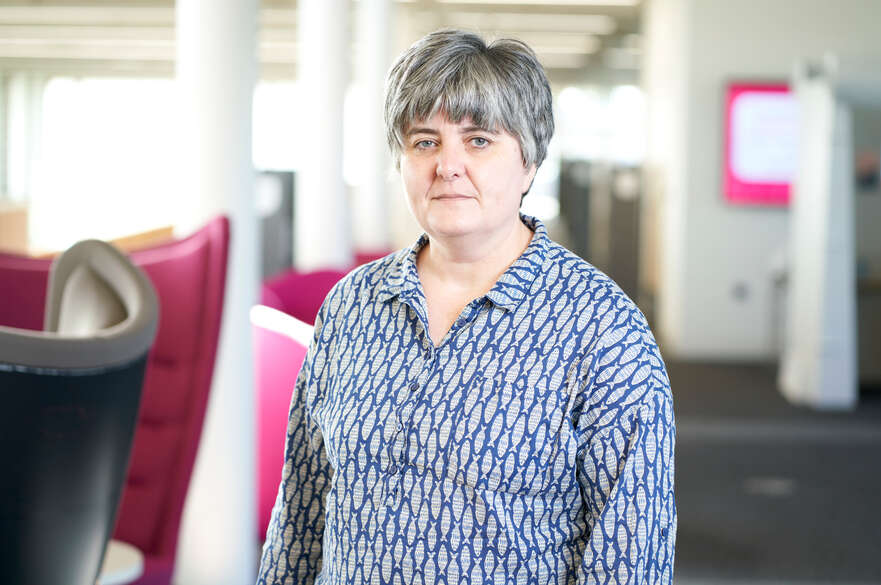
Professor Hoyles focuses on microbiome research. She combines microbiology and bioinformatics approaches in vitro and in vivo to understand how members of the gut microbiota function and influence human health and disease. She has specific expertise in anaerobic microbiology, and the processing and analyses of various types of omics data (microbiomic, transcriptomic, metabolomic, genomic). Using integrated systems-level approaches, Professor Hoyles has defined the contribution of the microbiome and its metabolites to non-alcoholic fatty liver disease, metabolic retroconversion and integrity of the blood–brain barrier. Her phenomics work covers not only host–microbiota interactions, but also insights into the fundamental biology of Klebsiella spp.
Career overview
August 2020 – present: Professor of Microbiome and Systems Biology, Nottingham Trent University, UK.
March 2021 – November 2025: Visiting Professor (Dept of Surgery and Cancer), Imperial College London, UK.
August 2018 – July 2020: Associate Professor (Reader) in Microbiology, Nottingham Trent University, UK.
August 2018 – February 2021: Visiting Reader (School of Public Health), Imperial College London, UK.
March 2016 – July 2018: MRC Intermediate Research Fellow in Data Science (UK Med-Bio), Imperial College London, UK.
November 2014 – February 2016: Lecturer in Microbiology, University of Westminster, UK.
October 2012 – November 2014: Postdoctoral Research Associate in Bioinformatics and Translational Systems Biology, Imperial College London, UK.
October 2011 – September 2012: Advanced MRC scholar, MSc (DIC) Bioinformatics and Theoretical Systems Biology, Imperial College London, UK.
October 2009 – September 2011: Government of Ireland Postdoctoral Fellow in Science, Engineering and Technology (IRCSET scheme), University College Cork, Ireland.
Research areas
Professor Hoyles started her career at the Institute of Food Research, Reading as a taxonomist, characterizing novel fastidious Gram-positive anaerobes isolated from clinical and veterinary sources. Her GlaxoSmithKline-funded PhD, at the University of Reading in the Food Microbial Sciences Unit headed by Professor Glenn Gibson, focused on using in vitro fermentation systems to understand the effect of an anti-obesity therapy on the human gut microbiota and its lipolytic activity. She then secured an Irish Government Fellowship at University College Cork to work in the bacteriophage research group of Professor Douwe van Sinderen, developing methods to improve recovery and characterization of bacteriophage populations within the human gut.
Since training as a computational biologist (MRC Advanced Scholarship, MRC Intermediate Research Fellowship in Data Science), Professor Hoyles has worked extensively in the field of systems biology. She works on numerous animal and human studies integrating microbiomic, metabolomic and transcriptomic data to better understand how the microbiome and its metabolites influence intestinal and systemic health. Professor Hoyles's phenomics work also includes detailed studies on Coriobacteriia and Klebsiella spp.
Professor Hoyles works within the Centre for Systems Health and integrated Metabolic Research (SHIMR) and is affiliated with the Department of Biosciences.
Her research interests are wide-ranging, covering:
- Coriobacteriia, Klebsiella and Sutterella spp. associated with the gut microbiota;
- Microbial lipid metabolism;
- Shotgun metagenomics (microbiome and virome);
- Transcriptomics (eukaryote and prokaryote);
- Effect of gut-derived microbial metabolites on mammalian health, and treatment outcomes in cancer;
- Dietary interventions to manipulate the gut microbiome to improve health outcomes;
- Microbiota of the small intestine, stomach and oesophagus;
- Use of in vitro systems to study diet–microbiome interactions;
- Klebsiella oxytoca-related bacteria, their functional genomics, metabolic end-products and bacteriophages.
Available self-funded/sponsor-funded projects
Opportunities arise to carry out postgraduate research towards an MPhil/PhD in the areas identified above. Further information may be obtained on the NTU Research Degrees' website. Those interested in undertaking self-funded/sponsor-funded PhD studies under Professor Hoyles's supervision should refer to the example projects listed below.
- Defining how oxygen availability influences the phenotypes of gut bacteria
- Defining how physiologically relevant growth conditions influence pathogen phenomes
- Functional genomics of antimicrobial resistance genes encoded by the gut microbiota
- Understanding the metabolic potential of the small intestine microbiota
- Host–microbe interactions in the small intestine
Klebsiella-specific projects
A range of projects investigating the contribution of gut-associated Klebsiella spp. to the microbiome, and virulence of Klebsiella spp. are available under Professor Hoyles's supervision. Contact her directly if you are interested in these projects.
Current projects
- Diversity of the Klebsiella oxytoca complex, its metabolites, breakdown products and bacteriophages.
- Understanding how components of human urine influence the phenomes of uropathogens.
- Genomic diversity of Collinsella aerofaciens and other Coriobacteriia.
- Influence of dietary methylamines on growth and metabolism of members of the human gut microbiota.
- Integrated systems biology approaches to understand how the gut microbiome influences steatotic liver disease (Guts UK, Diabetes UK). Collaboration with Imperial College London.
- Direct manipulation of the small-intestinal microbiota to improve post-operative outcomes. Collaboration with Imperial College London.
- Metagenomics and culturomics applied to the microbiota of the human stomach and oesophagus (Cancer Research UK). Collaboration with Imperial College London.
- The microbiome, its metabolites and pancreatic cancer. Collaboration with Imperial College London (Pancreatic Cancer UK) and the University of Surrey.
- Microbiome-associated metabolites and the gut–brain axis. Collaboration with Queen Mary University of London.
- Microbiome work associated with ATHLETE – Advancing tools for human early lifecourse exposome research and translation (EU Horizon 2020).
Postgraduate (PhD) research student supervision
Miss Durva Raut. Host–microbiota interactions in pancreatic cancer: determining whether they exist, and their influence on disease. Sponsored by Nottingham Trent University. October 2024–present.
Miss Onnicha Leelastwattanagul. Characterization of Collinsella aerofaciens associated with the human gut microbiota. PhD, Nottingham Trent University. Self-funded. October 2021–present.
Dr Mohamed Eladawy. Bacteria associated with catheter infections in an Egyptian hospital, and their exploitation for novel antimicrobials. PhD, Nottingham Trent University. Sponsored by the Egyptian Government – Ministry of Higher Education/Egyptian Cultural and Education Bureau. Completed 2025. Paper 1 | Paper 2 | Paper 3 | Paper 4
Dr Samuel Dawson. Understanding metabolism of dietary methylamines by the human gut microbiota. PhD, Nottingham Trent University. Sponsored by Nottingham Trent University. Completed 2023. Paper 1
Dr Preetha Shibu. Investigations of carbapenem-resistant Klebsiella species and associated clinical considerations. Professional Doctorate, University of Westminster. Completed 2019. Paper 1 | Paper 2 | Paper 3 | Paper 4 | Paper 5
Dr Thanikan Thorasin. Investigation and characterization of the ‘Atopobium cluster’ of the human faecal microbiota. PhD, University of Reading. Completed 2015. Paper 1
Co-supervise two Clinical Research Fellows at Imperial College London, one NTU VC Scholarship PhD student and one BBSRC DTP PhD project. Formally co-supervised two PhD students at the Quadram Institute, and one at Imperial College London.
External activity
Co-lead the BBSRC-funded network MICROBiOME-NET. Sign up to the network.
Panel memberships
Wellcome’s Pathogen Biology and Disease Transmission Discovery Advisory Group (2023–present)
BBSRC's Pool of Experts (2024–present)
Royal Society Research Grants Committee: Biological Science (2025–present)
Swiss National Science Foundation – Microbiology, Ecology & Evolution Evaluation Panel (2025–present)
University of Oslo UiO:Life Science Convergence Environment III, IV (2021, 2025)
Society memberships
Fellow of the Royal Society of Biology
Microbiology Society
Healthcare Infection Society
Applied Microbiology International
Pancreatic Society of Great Britain and Ireland
Peer review
Refer to Professor Hoyles’s publons record for details of some of the journals she has reviewed manuscripts for.
Member of the Reviewer Board for Microbiome Research Reports (2025–).
Senior Editor for Journal of Endocrinology and Journal of Molecular Endocrinology (2025–).
Professor Hoyles regularly reviews grants for the BBSRC, MRC and Wellcome Trust. She has also acted as a peer-reviewer for applications to, among other international funders, The Netherlands Organisation for Health Research and Development (ZonMw), the Government of Ireland Postdoctoral Fellowship scheme, the Government of Ireland Postgraduate Scholarship scheme, the Newton Bhabha Fund, the Estonian Research Council, the Swiss National Science Foundation and the Lister Institute Research Prize.
Miscellaneous
Steering committee member for the East Midlands Microbiome Research Network (2023–present)
Treasurer (2022–2024) of the Executive Committee of the ESCMID Study Group for Host And Microbiota Interaction – ESGHAMI
Hamied Foundation UK–India Antimicrobial Resistance (AMR) Visiting Professor 2019–2020 (extended to 2022 due to COVID-19)
Contributed to a POSTnote on The Microbiome and Human Health delivered to Members of Parliament in May 2018 by the Houses of Parliament Parliamentary Office of Science & Technology
Co-vice chair of the Research Committee of the Healthcare Infection Society (2019–2023)
Sponsors and collaborators
Current collaborators
Dr David Randall, The William Harvey Research Institute, UK
Dr David Vauzour, Norwich Medical School, UK
Dr Geoffrey Foster, SRUC Scotland's Rural College, UK
Dr James Abbott, University of Dundee, UK
Dr Simon McArthur, Blizard Institute, UK
Dr Thomas Hitch, University Hospital RWTH Aachen, Germany
Dr Joseph Wanford, Kings College London, UK
Dr Kelly Wyres, Monash University, Australia
Dr Jane Hawkey, Monash University, Australia
Dr Varsha Singh, University of Dundee
Professor George Hanna, Imperial College London, UK
Professor Geoffrey Barton, University of Dundee, UK
Professor Adam Frampton, University of Surrey
Professor José-Manuel Fernández-Real, Hospital of Girona "Dr Josep Trueta", Spain
Professor Lindsay Hall, Quadram Institute, UK and University of Birmingham, UK
Professor Marc-Emmanuel Dumas, Imperial College London, UK
Professor Massimo Federici, University of Rome Tor Vergata, Italy
Professor Rémy Burcelin, Institut National de la Santé et de la Recherche Médicale (INSERM), France
Funders past and present
Diabetes UK
Cancer Research UK
Pancreatic Cancer UK
Healthcare Infection Society
European Commission
Royal Society (Yusuf and Farida Hamied Foundation International Exchange Award)
The Academy of Medical Sciences (Hamied Foundation UK–India Antimicrobial Resistance Visiting Professorship)
Guts UK
Institute for Translational Medicine and Therapeutics
Medical Research Council
Alzheimer’s Research UK
GlaxoSmithKline
Microbiology Society
British Society for Antimicrobial Chemotherapy
Irish Research Council for Science, Engineering and Technology
Publications
Selected peer-reviewed research
Horton M, Malik Y, Wildsmith C, Eladawy M, Hoyles L, Negus D. Characterization of two novel bacteriophages infecting clinical isolates of Serratia spp. and therapeutic efficacy in a Galleria mellonella model of infection. J Appl Microbiol. 2026 Jan 9:lxag011. doi:10.1093/jambio/lxag011.
Lee CH, Bui TPN, Petitfils C, Jian C, Wong GC, Puel A, Le Roy T, Bellais S, Ben Abdallah B, Nehlich M, Leicht T, Jia M, Hoyles L, Federici M, Fernández-Real JM, Burcelin R, Dumas ME, Delzenne NM, Clavel T, Boeren S, Troise AD, Scaloni A, Muccioli GG, De Vos WM, Van Hul M, Cani PD. Novel myo-inositol to butyrate fermentation pathway in the prevalent human gut species Dysosmobacter welbionis, a bacterium associated with improved metabolic and liver health. Gut. 2026 Jan 7:gutjnl-2025-336617. doi:10.1136/gutjnl-2025-336617.
Chilloux J, Brial F, Everard A, Smyth D, Andrikopoulos P, Zhang L, Plovier H, Myridakis A, Hoyles L, Moreno-Navarrete JM, Luque JL, Casagrande V, Menghini R, Ahmetaj-Shala B, Blancher C, Martinez-Gili L, Gencer S, Fearnside JF, Barton RH, Neves AL, Rothwell AR, Gérard C, Calderari S, Williamson MJ, Fuchs JE, Govada L, Boulangé CL, Patel S, Scott J, Thursz M, Chayen N, Glen RC, Gooderham NJ, Nicholson JK, Federici M, Fernández-Real JM, Gauguier D, Liu PP, Cani PD, Dumas ME. Inhibition of IRAK4 by microbial trimethylamine blunts metabolic inflammation and ameliorates glycemic control. Nat Metab. 2025 Dec;7(12):2531-2547. doi:10.1038/s42255-025-01413-8.
Eladawy M, Heslop N, Negus D, Thomas JC, Hoyles L. Phenotype-genotype discordance in antimicrobial resistance profiles of Gram-negative uropathogens recovered from catheter-associated urinary tract infections in Egypt. J Antimicrob Chemother. 2025 Nov 4;80(11):3123-3132. doi:10.1093/jac/dkaf352.
Dawson SJT, Shibu P, Garnett S, Newberry F, Brook TC, Tijani T, Kujawska M, Hall LJ, McCartney AL, Negus D*, Hoyles L*. Weberviruses are gut-associated phages that infect Klebsiella spp. FEMS Microbiol Ecol. 2025 Apr 14;101(5):fiaf043. doi:10.1093/femsec/fiaf043. *Co-corresponding authors.
Thompson S, Ojo OR, Hoyles L, Winter J. Menadione reduces the expression of virulence- and colonization-associated genes in Helicobacter pylori. Microbiology (Reading). 2025 Mar;171(3). doi:10.1099/mic.0.001539.
Shutt-McCabe J, Shaik KB, Hoyles L, McVicker G. The plasmid-borne hipBA operon of Klebsiella michiganensis encodes a potent plasmid stabilization system. J Appl Microbiol. 2024 Oct 3;135(10):lxae246. doi:10.1093/jambio/lxae246.
Shah SN, Knausenberger TB, Pontifex MG, Connell E, Le Gall G, Hardy TAJ, Randall DW, McCafferty K, Yaqoob MM, Solito E, Müller M, Stachulski AV, Glen RC, Vauzour D, Hoyles L*, McArthur S*. Cerebrovascular damage caused by the gut microbe/host co-metabolite p-cresol sulfate is prevented by blockade of the EGF receptor. Gut Microbes. 2024 Jan-Dec;16(1):2431651. doi:10.1080/19490976.2024.2431651. *Co-corresponding authors.
Eladawy M, Thomas JC, Hoyles L. Phenotypic and genomic characterization of Pseudomonas aeruginosa isolates recovered from catheter-associated urinary tract infections in an Egyptian hospital. Microb Genom. 2023 Oct;9(10). doi:10.1099/mgen.0.001125.
Walker AW, Hoyles L. Human microbiome myths and misconceptions. Nat Microbiol. 2023 Aug;8(8):1392-1396. doi:10.1038/s41564-023-01426-7.
Andrikopoulos P, Aron-Wisnewsky J, Chakaroun R, Myridakis A, Forslund SK, Nielsen T, Adriouch S, Holmes B, Chilloux J, Vieira-Silva S, Falony G, Salem JE, Andreelli F, Belda E, Kieswich J, Chechi K, Puig-Castellvi F, Chevalier M, Le Chatelier E, Olanipekun MT, Hoyles L, Alves R, Helft G, Isnard R, Køber L, Coelho LP, Rouault C, Gauguier D, Gøtze JP, Prifti E, Froguel P; MetaCardis Consortium; Zucker JD, Bäckhed F, Vestergaard H, Hansen T, Oppert JM, Blüher M, Nielsen J, Raes J, Bork P, Yaqoob MM, Stumvoll M, Pedersen O, Ehrlich SD, Clément K, Dumas ME. Evidence of a causal and modifiable relationship between kidney function and circulating trimethylamine N-oxide. Nat Commun. 2023 Sep 20;14(1):5843. doi:10.1038/s41467-023-39824-4.
Alexander JL, Posma JM, Scott A, Poynter L, Mason SE, Doria ML, Herendi L, Roberts L, McDonald JAK, Cameron S, Hughes DJ, Liska V, Susova S, Soucek P, der Sluis VH, Gomez-Romero M, Lewis MR, Hoyles L, Woolston A, Cunningham D, Darzi A, Gerlinger M, Goldin R, Takats Z, Marchesi JR, Teare J, Kinross J. Pathobionts in the tumour microbiota predict survival following resection for colorectal cancer. Microbiome. 2023 May 8;11(1):100. doi:10.1186/s40168-023-01518-w.
Newberry F, Shibu P, Smith-Zaitlik T, Eladawy M, McCartney AL, Hoyles L*, Negus D*. Lytic bacteriophage vB_KmiS-Kmi2C disrupts biofilms formed by members of the Klebsiella oxytoca complex, and represents a novel virus family and genus. J Appl Microbiol. 2023 Apr 3;134(4):lxad079. doi:10.1093/jambio/lxad079. PMID: 37070958. *Co-corresponding author.
Randall DW, Kieswich J, Hoyles L, McCafferty K, Curtis M, Yaqoob MM. Gut dysbiosis in experimental kidney disease: a meta-analysis of rodent repository data. J Am Soc Nephrol. 2023 Jan 21. doi:10.1681/ASN.0000000000000071.
Smith-Zaitlik T, Shibu P, McCartney AL, Foster G, Hoyles L*, Negus D*. Extended genomic analyses of the broad-host-range phages vB_KmiM-2Di and vB_KmiM-4Dii reveal slopekviruses have highly conserved genomes. Microbiology (Reading). 2022 Sep;168(9). doi:10.1099/mic.0.001247. *Co-corresponding author.
Stachulski AV, Knausenberger TB, Shah SN, Hoyles L*, McArthur S*. A host-gut microbial amino acid co-metabolite, p-cresol glucuronide, promotes blood-brain barrier integrity in vivo. Tissue Barriers. 2022 May 20:2073175. doi:10.1080/21688370.2022.2073175. *Co-corresponding authors.
Fromentin S, Forslund SK, Chechi K, Aron-Wisnewsky J, Chakaroun R, Nielsen T, Tremaroli V, Ji B, Prifti E, Myridakis A, Chilloux J, Andrikopoulos P, Fan Y, Olanipekun MT, Alves R, Adiouch S, Bar N, Talmor-Barkan Y, Belda E, Caesar R, Coelho LP, Falony G, Fellahi S, Galan P, Galleron N, Helft G, Hoyles L, Isnard R, Le Chatelier E, Julienne H, Olsson L, Pedersen HK, Pons N, Quinquis B, Rouault C, Roume H, Salem JE, Schmidt TSB, Vieira-Silva S, Li P, Zimmermann-Kogadeeva M, Lewinter C, Søndertoft NB, Hansen TH, Gauguier D, Gøtze JP, Køber L, Kornowski R, Vestergaard H, Hansen T, Zucker JD, Hercberg S, Letunic I, Bäckhed F, Oppert JM, Nielsen J, Raes J, Bork P, Stumvoll M, Segal E, Clément K, Dumas ME, Ehrlich SD, Pedersen O. Microbiome and metabolome features of the cardiometabolic disease spectrum. Nat Med. 2022 Feb;28(2):303-314. doi:10.1038/s41591-022-01688-4.
Menghini R*, Hoyles L*, Cardellini M*, Casagrande V, Marino A, Gentileschi P, Davato F, Mavilio M, Arisi I, Mauriello A, Montanaro M, Scimeca M, Barton RH, Rappa F, Cappello F, Vinciguerra M, Moreno-Navarrete JM, Ricart W, Porzio O, Fernández-Real JM, Burcelin R, Dumas ME, Federici M M. ITCH E3 ubiquitin ligase downregulation compromises hepatic degradation of branched-chain amino acids. Mol Metab. 2022 Feb 9:101454. doi:10.1016/j.molmet.2022.101454. *Shared first authorship.
Hoyles L*, Pontifex MG, Rodriguez-Ramiro I, Anis-Alavi MA, Jelane KS, Snelling T, Solito E, Fonseca S, Carvalho AL, Carding SR, Müller M, Glen RC, Vauzour D, McArthur S*. Regulation of blood-brain barrier integrity by microbiome-associated methylamines and cognition by trimethylamine N-oxide. Microbiome. 2021 Nov 27;9(1):235. doi:10.1186/s40168-021-01181-z. *Co-corresponding authors.
Shibu P, McCuaig F, McCartney AL, Kujawska M, Hall LJ, Hoyles L. Improved molecular characterization of the Klebsiella oxytoca complex reveals the prevalence of the kleboxymycin biosynthetic gene cluster. Microb Genom. 2021 June 18. doi:10.1099/mgen.0.000592.
Brial F, Chilloux J, Nielsen T, Vieira-Silva S, Falony G, Andrikopoulos P, Olanipekun M, Hoyles L, Djouadi F, Neves AL, Rodriguez-Martinez A, Mouawad GI, Pons N, Forslund S, Le-Chatelier E, Le Lay A, Nicholson J, Hansen T, Hyötyläinen T, Clément K, Oresic M, Bork P, Ehrlich SD, Raes J, Pedersen OB, Gauguier D, Dumas ME. Human and preclinical studies of the host-gut microbiome co-metabolite hippurate as a marker and mediator of metabolic health. Gut. 2021 May 11:gutjnl-2020-323314. doi:10.1136/gutjnl-2020-323314.
D'Amato A, Di Cesare Mannelli L, Lucarini E, Man AL, Le Gall G, Branca JJV, Ghelardini C, Amedei A, Bertelli E, Regoli M, Pacini A, Luciani G, Gallina P, Altera A, Narbad A, Gulisano M, Hoyles L, Vauzour D, Nicoletti C. Faecal microbiota transplant from aged donor mice affects spatial learning and memory via modulating hippocampal synaptic plasticity- and neurotransmission-related proteins in young recipients. Microbiome. 2020 Oct 1;8(1):140. doi:10.1186/s40168-020-00914-w.
Kujawska M, La Rosa SL, Roger LC, Pope PB, Hoyles L, McCartney AL, Hall LJ. Succession of Bifidobacterium longum strains in response to a changing early life nutritional environment reveals dietary substrate adaptations. iScience. 2020 Aug 21;23(8):101368. doi:10.1016/j.isci.2020.101368.
Chen Y, Brook TC, Soe CZ, O'Neill I, Alcon-Giner C, Leelastwattanagul O, Phillips S, Caim S, Clarke P, Hall LJ, Hoyles L. Preterm infants harbour diverse Klebsiella populations, including atypical species that encode and produce an array of antimicrobial resistance- and virulence-associated factors. Microb Genom. 2020 Jun;6(6):e000377. doi:10.1099/mgen.0.000377.
Leggett RM, Alcon-Giner C, Heavens D, Caim S, Brook TC, Kujawska M, Martin S, Peel N, Acford-Palmer H, Hoyles L, Clarke P, Hall LJ, Clark MD. Rapid MinION profiling of preterm microbiota and antimicrobial-resistant pathogens. Nat Microbiol. 2020 Mar;5(3):430-442. doi:10.1038/s41564-019-0626-z.
Hoyles L, Fernández-Real JM, Federici M, Serino M, Abbott J, Charpentier J, Heymes C, Luque JL, Anthony E, Barton RH, Chilloux J, Myridakis A, Martinez-Gili L, Moreno-Navarrete JM, Benhamed F, Azalbert V, Blasco-Baque V, Puig J, Xifra G, Ricart W, Tomlinson C, Woodbridge M, Cardellini M, Davato F, Cardolini I, Porzio O, Gentileschi P, Lopez F, Foufelle F, Butcher SA, Holmes E, Nicholson JK, Postic C, Burcelin R, Dumas ME. Molecular phenomics and metagenomics of hepatic steatosis in non-diabetic obese women. Nat Med. 2018 Jul;24(7):1070-1080. doi:10.1038/s41591-018-0061-3.
Hoyles L, Jiménez-Pranteda ML, Chilloux J, Brial F, Myridakis A, Aranias T, Magnan C, Gibson GR, Sanderson JD, Nicholson JK, Gauguier D, McCartney AL, Dumas ME. Metabolic retroconversion of trimethylamine N-oxide and the gut microbiota. Microbiome. 2018 Apr 20;6(1):73. doi:10.1186/s40168-018-0461-0.
Hoyles L*, Snelling T, Umlai UK, Nicholson JK, Carding SR, Glen RC, McArthur S*. Microbiome-host systems interactions: protective effects of propionate upon the blood-brain barrier. Microbiome. 2018 Mar 21;6(1):55. doi:10.1186/s40168-018-0439-y. *Co-corresponding authors.
Reviews
Lang L, Hunt T, Vauzour D, de Souto Barreto P, Gueimonde M, Witkamp R, Guelinckx I, Pot B, McArthur S, Dye L, Hoyles L, Billecke N, Bertocco A, Camprubi Robles M, Perreau C, Civiletto G, Tonti M. Building a roadmap to nutrition for Healthy Ageing: a brief report on the ILSI Europe Healthy Ageing Task Force. J Nutr Health Aging. 2025 Oct 16;29(11):100683. doi:10.1016/j.jnha.2025.100683.
Stachulski AV, Yates EA, Teriosina A, Hoyles L, McArthur S. Dietary substances and their glucuronides: structures, occurrence and biological activity. Nat Prod Rep. 2025 Jun 4. doi:10.1039/d5np00002e.
McCartney AL, Hoyles L. Host interactions of bioactive molecules produced by Klebsiella spp. Microbiota and Host. 2025 May 10; doi:10.1530/MAH-24-0011.
McCartney AL, Hoyles L. The role of Klebsiella populations in preterm infants. Biochem Soc Trans. 2023 Apr 26;51(2):887-896. doi:10.1042/BST20200325.
Herridge WP, Shibu P, O'Shea J, Brook TC, Hoyles L. Bacteriophages of Klebsiella spp., their diversity and potential therapeutic uses. J Med Microbiol. 2020 Feb;69(2):176-194. doi:10.1099/jmm.0.001141.
Carding SR, Davis N, Hoyles L. Review article: the human intestinal virome in health and disease. Aliment Pharmacol Ther. 2017 Nov;46(9):800-815. doi:10.1111/apt.14280.
Book chapters
Hoyles L. Gut microbiome and hepatic steatosis (steatotic liver disease). Editors: M Federici, R Menghini; Gut Microbiome, Microbial Metabolites and Cardiometabolic Risk. Springer, 2024, https://link.springer.com/referenceworkentry/10.1007/978-3-031-08115-6_7-1.
Hoyles L, Wallace RJ. Gastrointestinal tract: fat metabolism in the colon. Editor: H Goldfine; Health Consequences of Microbial Interactions with Hydrocarbons, Oils, and Lipids. Handbook of Hydrocarbon and Lipid Microbiology. Springer, 2020, https://doi.org/10.1007/978-3-030-15147-8_30.
Hoyles L, Wallace RJ. Gastrointestinal tract: intestinal fatty acid metabolism and implications for health. Editor: H Goldfine; Health Consequences of Microbial Interactions with Hydrocarbons, Oils, and Lipids. Handbook of Hydrocarbon and Lipid Microbiology. Springer, 2020, https://doi.org/10.1007/978-3-030-15147-8_31.
Hoyles L, Swann J. Chapter 18 - Influence of the human gut microbiome on the metabolic phenotype, Editors: JC Lindon, JK Nicholson, E Holmes; The Handbook of Metabolic Phenotyping, Elsevier, 2019, pages 535-560, https://doi.org/10.1016/B978-0-12-812293-8.00018-9.
Press expertise
Gut microbiome, gut microbiota, translational systems biology.
Press
-
NEWS
Toxin in blood of kidney disease patients could contribute to stroke risk, study suggests
2 December 2024Scientists have revealed that a toxin found in the blood of patients with chronic kidney disease (CKD) damages the body’s protective blood–brain barrier, likely contributing to the risk of stroke.
ntu.ac.uk/about-us/news/news-articles/2024/12/toxin-in-blood-of-kidney-disease-patients-could-contribute-to-stroke-risk,-study-suggests