Browse our news
Read the latest news on university research, initiatives and successes.
-

NEWS
Why are pets scared of fireworks – and how can we help them cope?
15 October 2026Fireworks might be an exciting spectacle for us, but for our pets they can be a frightening and stressful experience. Dr Jacqueline Boyd, an animal scientist at Nottingham Trent University, explains why fireworks can trigger fear and anxiety in animals and shares practical advice on how to keep pets safe, help them feel more secure and prepare them for firework season.
ntu.ac.uk/about-us/news/news-articles/2026/10/why-are-pets-scared-of-fireworks
-

NEWS
Why do landslides occur – and can we predict them?
12 October 2026From tiny rockfalls to enormous slope collapses, landslides can happen almost anywhere. Professor Dave Petley explains what causes them, whether we can predict them and how climate change could make them more common.
ntu.ac.uk/about-us/news/news-articles/2026/10/why-do-landslides-occur-and-can-we-predict-them
-
NEWS
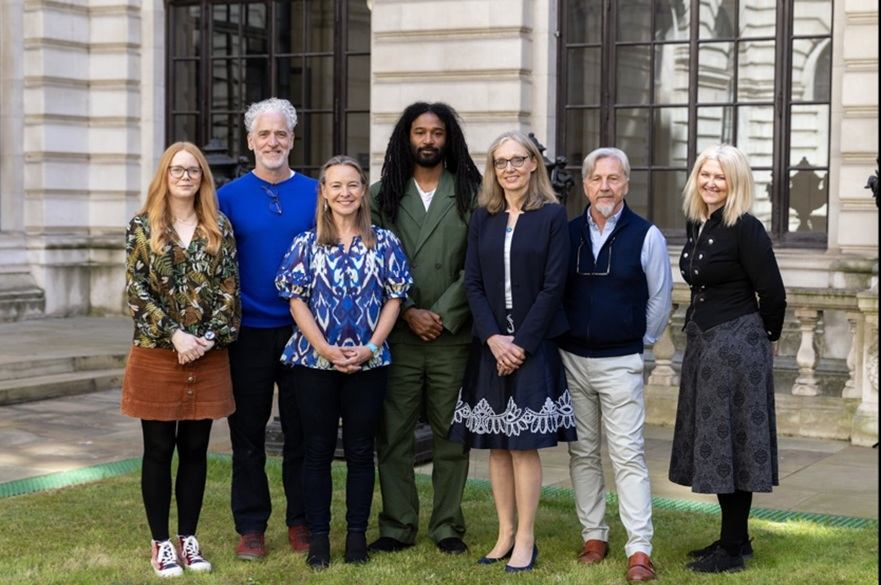
Bank of England announces the four animals that will feature on next series of banknotes
8 October 2026The Atlantic puffin, barn owl, buff-tailed bumblebee and European hedgehog will represent UK wildlife and feature as the central images on the Bank of England’s next series of banknotes.
ntu.ac.uk/about-us/news/news-articles/2026/10/banknote-animals-announced
-
NEWS
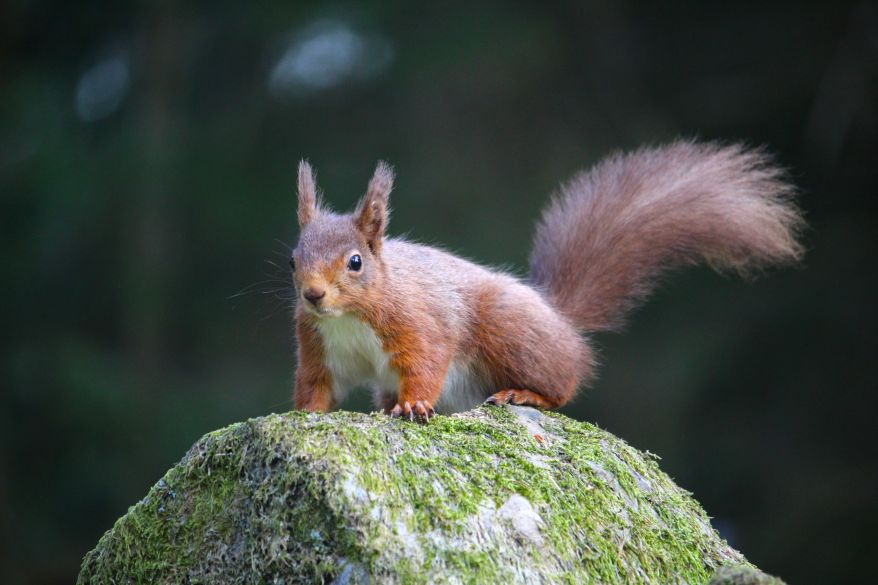
Why are red squirrels endangered – and can we save them?
2 October 2026The red squirrel was once a familiar sight across Britain. Today, it has disappeared from much of its former range. Dr Kat Hamill, Senior Lecturer in Zoology at Nottingham Trent University, explains what has happened to one of Britain’s most recognisable native mammals – and whether science and conservation can help bring it back.
ntu.ac.uk/about-us/news/news-articles/2026/09/why-red-squirrels-endangered
-
NEWS
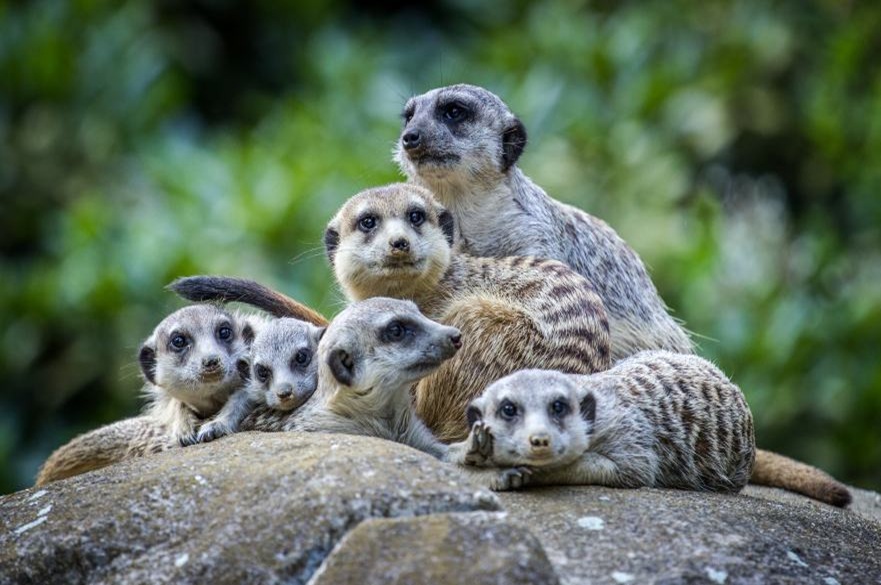
Study: Some threatened species may miss out as zoos try to balance conservation efforts with competing pressures
30 September 2026Zoos do not consistently increase support for species as their conservation needs grow and they attempt to balance competing pressures, new Nottingham Trent University research suggests.
ntu.ac.uk/about-us/news/news-articles/2026/09/study-some-threatened-species-may-miss-out-as-zoos-try-to-balance-conservation-efforts-with-competing-pressures
-

NEWS
England is rainy again. So why is it still in drought?
24 September 2026England has seen welcome rainfall after a prolonged dry spell – so why are drought conditions still a concern? Dr Lucy Clarke, Associate Professor of Environmental Resilience at Nottingham Trent University, explains why green grass and rising river levels do not necessarily mean the drought is over, and why depleted groundwater and other water stores can take months to recover.
ntu.ac.uk/about-us/news/news-articles/2026/09/england-is-rainy-again.-so-why-is-it-still-in-drought
-
NEWS
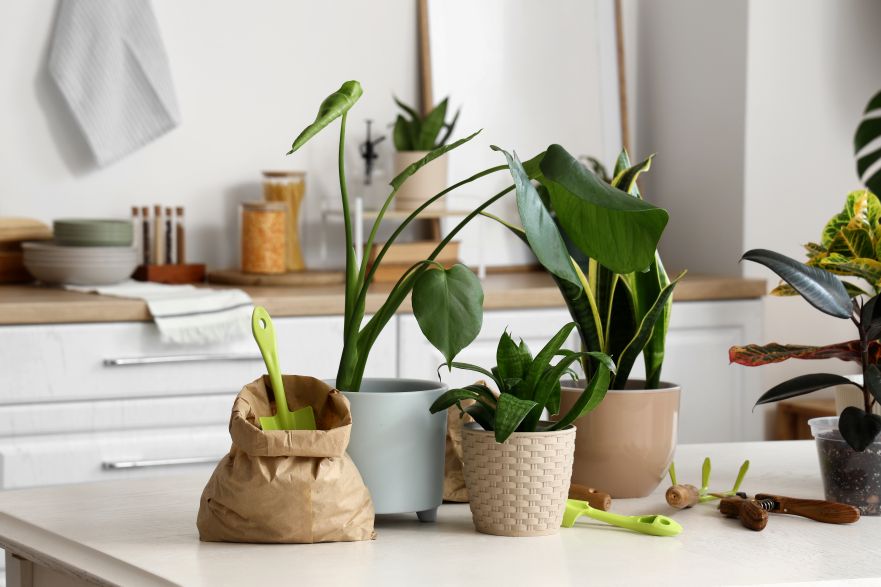
Five intimidating houseplants that are surprisingly easy to care for
23 September 2026Some houseplants look like they require expert knowledge to keep alive – but appearances can be deceptive. Dr Charlotte Pughe explores intimidating-looking houseplants that are surprisingly easy to care for, offering practical advice for anyone wanting to grow something a little more unusual at home.
ntu.ac.uk/about-us/news/news-articles/2026/09/intimidating-houseplants-that-are-easy-to-care-for
-
NEWS
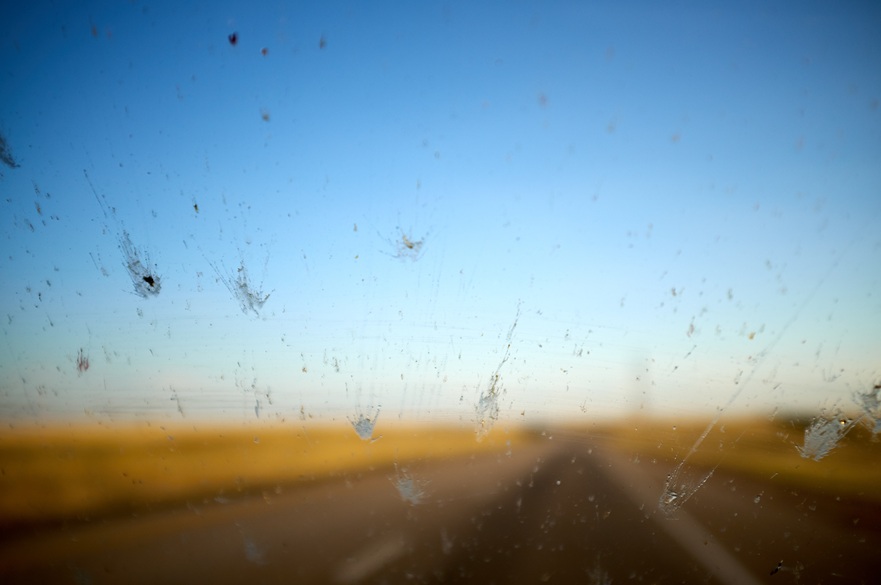
Why should we care if there aren’t any squished insects on our windscreens?
22 September 2026Why are there fewer insects splattered across our windscreens than there used to be – and should we be worried? Nottingham Trent University zoologist Dr Alex Dittrich explores what declining insect numbers could mean for ecosystems and why these often-overlooked creatures are so important.
ntu.ac.uk/about-us/news/news-articles/2026/09/squished-insects-on-windscreens
-
NEWS
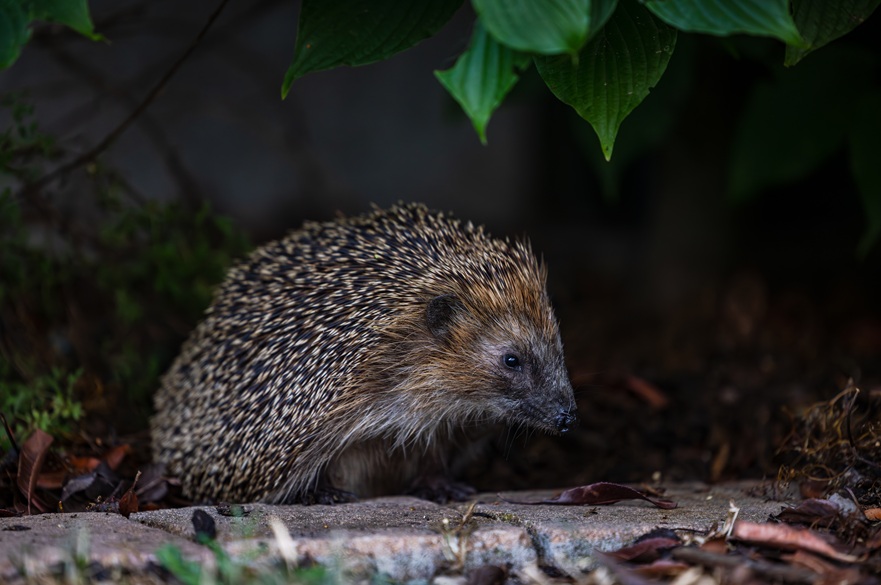
Scientists find small gardens are a big barrier to supporting nature – but better planning could protect UK wildlife
17 September 2026Fewer than 40% of people are willing to make their gardens more wildlife friendly, a new study has revealed – but according to scientists, better policies could help protect biodiversity.
ntu.ac.uk/about-us/news/news-articles/2026/09/small-gardens-big-barrier-to-supporting-nature
-
NEWS
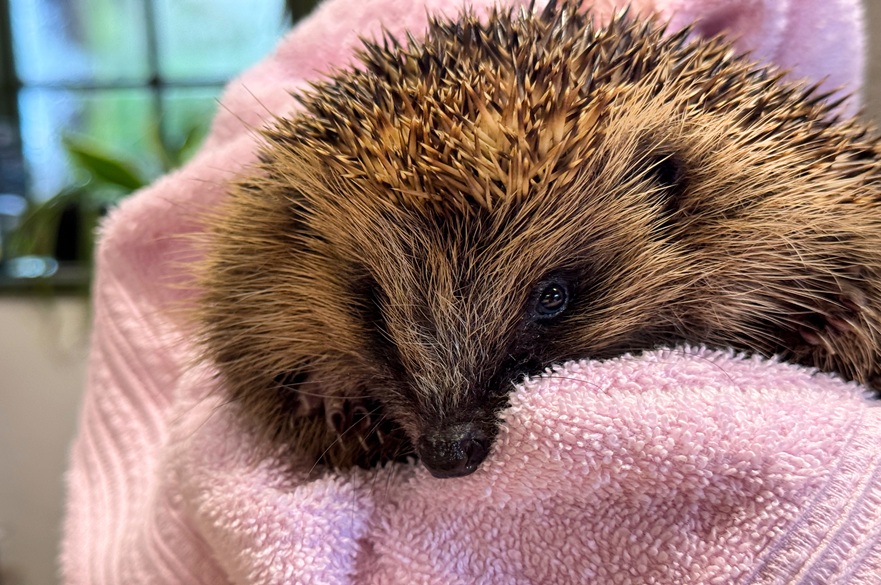
Spikes in the data: The importance of measuring stress in hedgehogs and how a new method could enhance welfare
16 September 2026How can we tell when a hedgehog is stressed? PhD researcher Emily Harper explains how her new research has validated a non-invasive method for measuring stress by analysing hormones in hedgehog faeces. The method could help researchers understand how different stressors, or threats, affect hedgehog health and welfare, supporting conservation and rehabilitation of this declining species.
ntu.ac.uk/about-us/news/news-articles/2026/09/measuring-stress-in-hedgehogs