What Alexandra worked on:
At Strumpshaw Fen - a diverse reserve of reedbeds, marshlands, woodlands and meadow pasture along the River Yare - Alexandra’s placement combined practical habitat management, ecological survey work and community outreach.
- She worked alongside wardens and volunteers to manage reedbeds, control thistle growth, and support woodland habitat maintenance across several of the site’s fens.
- She carried out wetland bird surveys (WEB counts), identifying species by sight and by song, a core part of monitoring waterbird populations across the reserve.
- She assisted with day-to-day duties such as cutting brush, tool handling, and preparing habitats - sometimes even using reed and brush cuttings to safely build small fires for land-management purposes.
- Alexandra also helped support public-facing events at the reserve: in one winter event she helped plan and coordinate six interactive activities for visitors - combining wildlife education with hands-on learning for children and families.
From early days of assisting with tasks to taking on responsibilities in surveying, habitat work and event planning, she was fully immersed in the workings of the reserve.
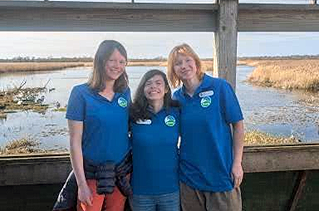
"I felt like a real member of the team, not just a student tagging along. I was trusted with important responsibility and saw my input make a difference"
Alexandra Taylor, final year, BSc (Hons) Wildlife Conservation
Skills and knowledge gained
This placement offered Alexandra a real opportunity to build a broad range of both technical and workplace-ready skills:
- Ecological and field-survey skills: improved bird identification (songs and calls), wetland bird survey execution, plant and habitat recognition, and practical wetland management techniques.
- Tool-use and land-management competence: confident use of tools for habitat maintenance and safe practice when handling reed and brash cuttings.
- Project and event coordination: planning and delivering a public event at the reserve; coordinating tasks, managing outreach activities, and engaging with visitors.
- Teamwork and communication: working alongside staff and volunteers, collaborating across teams, and engaging with the public in events and educational settings.
- Problem-solving, organisation and professionalism: adapting to variable field conditions, prioritising habitat tasks, balancing survey work with maintenance duties, and meeting the expectations of professional staff.
Impact and outcomes
- The reed-management and habitat work helped create improved nesting and feeding conditions for species such as marsh-harriers and bearded tits, enhancing habitat quality and biodiversity across the reserve.
- Bird surveys contributed vital monitoring data that will inform future conservation and management plans for Strumpshaw Fen.
- The public events and outreach she helped run engaged visitors with conservation work and raised awareness about wetland ecosystems and their importance for wildlife.
For Alexandra, the placement offered more than just practical experience, it gave her confidence, professional maturity, and clarity about her career aspirations. The endorsement and support she received from staff and volunteers reinforced that she belonged in a conservation career.
My experience at Strumpshaw Fen was very interesting and good fun. I had the opportunity to collaborate with wardens on conservation efforts across various marshes and fens in the vicinity of Strumpshaw Fen. While the work presented its challenges, I found great satisfaction in the contributions we made. Assisting with events was particularly rewarding, and this experience has left a lasting impression on me. Because of this my confidence has boosted significantly.
Alexandra
This placement strengthened her desire to pursue a career as an ecologist, especially because she discovered a love for conducting ecological surveys, and felt she excelled in them more than in mechanical or land-management tasks.
Placements like Alexandra’s show how your degree can translate into meaningful, real-world conservation work, not just theory. With opportunities like Strumpshaw Fen, you leave with practical skills, professional experience and a solid confidence in your career direction.
Whether you’re drawn to ecological survey work, habitat management or community outreach and education, such placements give you a head-start, building skills and contacts that matter long after graduation.
Conservation and Ecology at NTU
Our fight to save the planet is the key challenge of our time. NTU's conservation and ecology courses are taught at our stunning Brackenhurst Campus, and they’ll equip you with the contextual knowledge and practical skills to tackle the biggest threats to the diversity of life on Earth.
Find out about our Conservation and Ecology courses