Ask yourself not what you want to do, but where you want to spend your value.
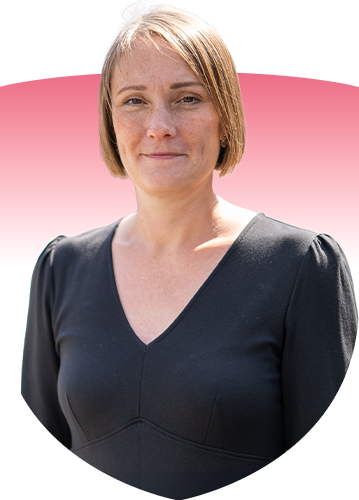
From NTU to advising world leaders
I’m Rowena, and this is my story.
I grew up in a family rooted in public service. Teachers, firefighters, nurses, social workers. That was my world. Conversations about responsibility, community and helping people weren't special occasions – they were just part of everyday life. I didn't realise it at the time, but that environment shaped how I saw the world and what I believed mattered.
When my dad was involved in a major incident at work, it affected all of us. I was young and didn't fully understand what had happened, but I became aware of how differently people respond to trauma and how families adapt when life takes an unexpected turn. That experience stayed with me. It sparked an interest in psychology and in understanding how people cope under pressure.
I was drawn to understanding how people respond in a crisis.
Early on, I imagined working directly with people facing difficult experiences. But as I learned more, my focus began to shift from individuals to the wider systems that shape how we respond to challenging situations.
I became fascinated by decision-making under pressure, resilience and the structures that stand behind communities when things go wrong. That curiosity became the foundation of my career.
NTU helped me find my direction.
I arrived at NTU for my Masters with a clear plan: clinical psychology. But during my studies, something changed. I fell in love with teaching, research, and with NTU itself. It wasn’t just the university, but its values, its commitment to social mobility and the difference it wanted to make.
NTU felt like home, and that's why I stayed for my PhD. I was surrounded by people who challenged and supported me, many of whom later became colleagues, mentors and friends. Those early years shaped how I think about my work and where I could make the biggest contribution.
My work took me into the world of emergency services.
As my research developed, I became increasingly interested in what happens when people have to make critical decisions under pressure. Some of that came from my family background, but I was also drawn to the complexity of how organisations prepare and respond when things go wrong.
Over time, I noticed a gap. Emergency planning often sits quietly in the background until something goes wrong. Then it becomes everyone's focus before quietly fading away again. That was where I realised I could make a contribution.
My career hasn't been linear. It's grown by following the questions that felt most important and the areas where I could have the greatest impact. That's what turned an academic interest into work with real-world impact.
My work supports people making decisions under pressure.
Today, I focus on helping leaders make evidence-informed decisions during emergencies. That might involve working with the Cabinet Office or alongside police, fire, health and public health teams. The context changes, but the aim is the same: helping people use the best available evidence when decisions need to be made quickly.
COVID-19 was the most intense period of my career. A phone call led to ten months of full-time national work, supporting decision-making at the highest levels. NTU were incredibly supportive, allowing me to focus fully on that work. It was demanding and, at times, emotional, but it also showed what people can achieve when they work together under pressure.
The question that changed how I see my work.
One thing has always stayed with me: Where do you want to spend your value?
Not what job you want, or what title you're aiming for, but how you want to contribute. We only have so much time, energy and expertise to give. For me, it's always come back to strengthening the systems that support people when they need them most.
I've had moments of imposter syndrome, like anyone stepping into challenging spaces. But over time, I realised that the combination of my experience, academic background and NTU's values had placed me where I could make the greatest contribution.
I’m optimistic about what comes next.
We're living through a period of significant change. The risks facing communities are becoming more visible, from climate-related events to growing pressure on infrastructure and resources. That can sound daunting, but it also means we're getting better at understanding those risks and preparing for them.
Resilience isn't just about the emergency itself. It's about what happens next. That's what continues to motivate me.
Feeling inspired
Related profiles
Abbi McGlennon
"If you’d told me 10 years ago I’d complete a PhD, I’d have laughed at you. But here I am!"
Chiletam Ogbu
"I’m a product of grace. People have poured into me, so I want to always give back."
Ajay Tegala
"Helping people experience nature became just as important to me as protecting it."