More than a water well: rebuilding health and livelihoods through clean drinking water in rural Sri Lanka
Working alongside villagers in rural Sri Lanka, Dr Ramani Priyadarshani Gallellalage describes how researchers co-designed a community-owned water project that improved health, strengthened livelihoods and created a model other communities can adapt.
By Dr Ramani Priyadarshani Gallellalage | Published on 21 July 2026
Categories: Press office; Research; Nottingham Business School;
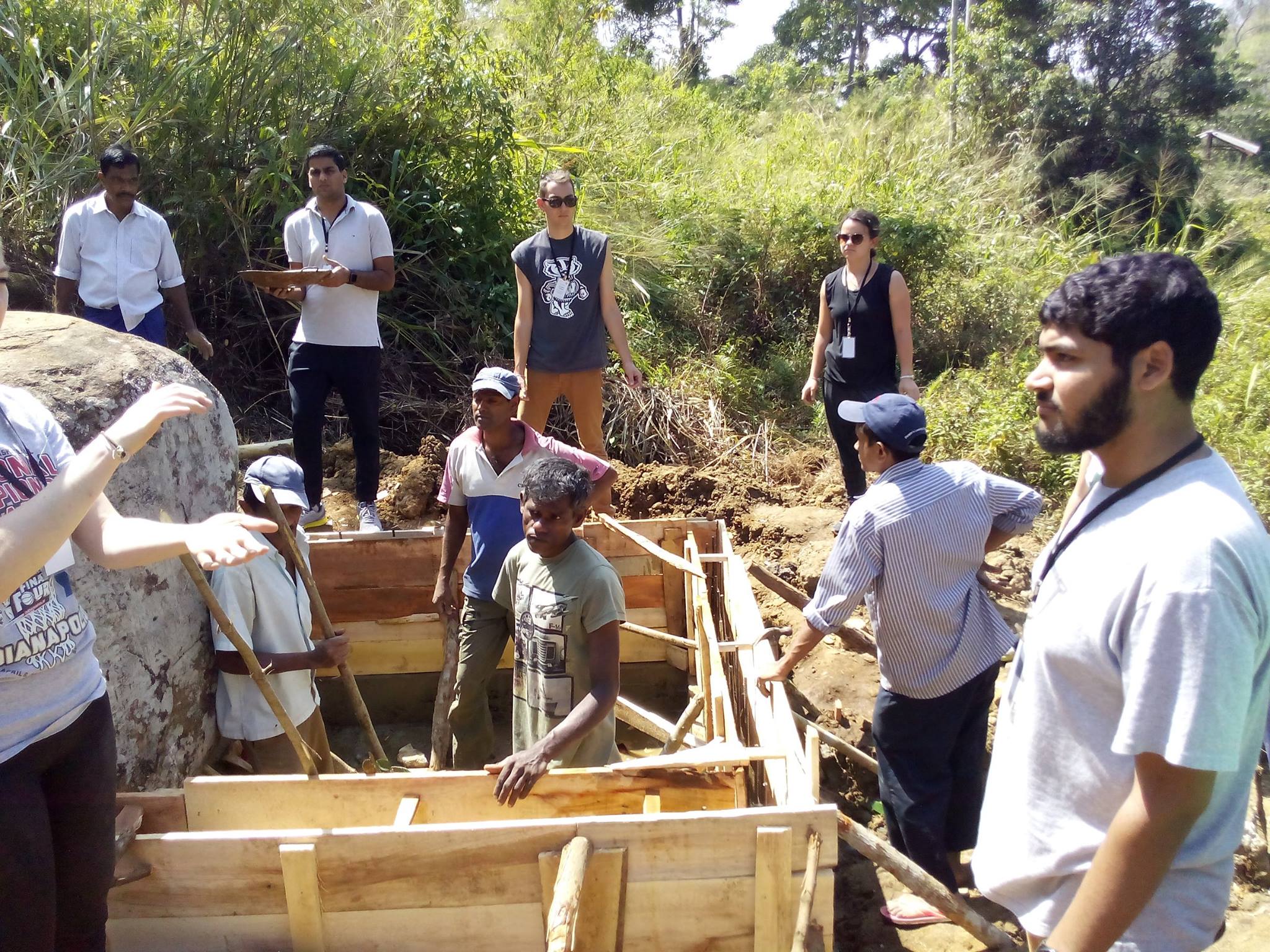
In the rural Sri Lankan village of Hippola, nearly 980 villagers whose livelihoods depend on small-scale agriculture struggled to access clean drinking water.
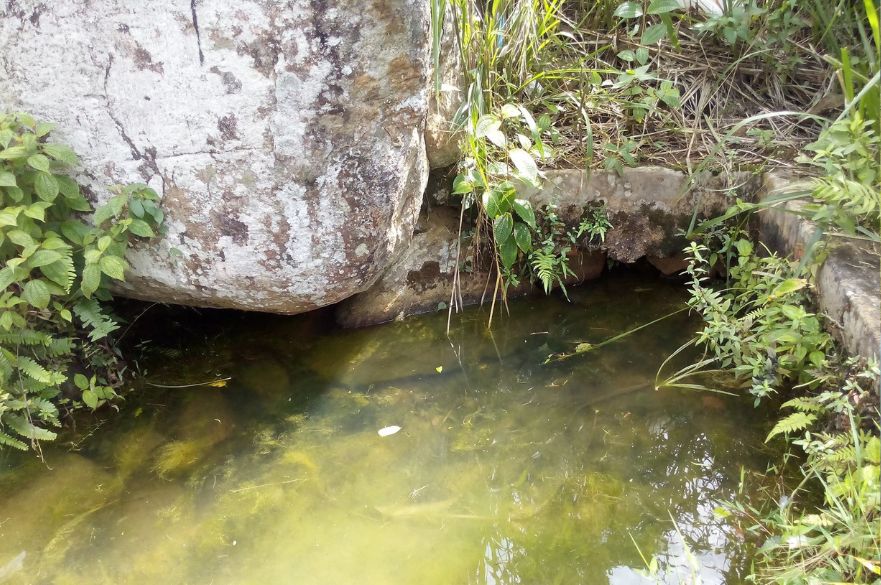
Families depended on contaminated streams. Children missed school because of illness. Farmers struggled to protect both their health and their livelihoods.
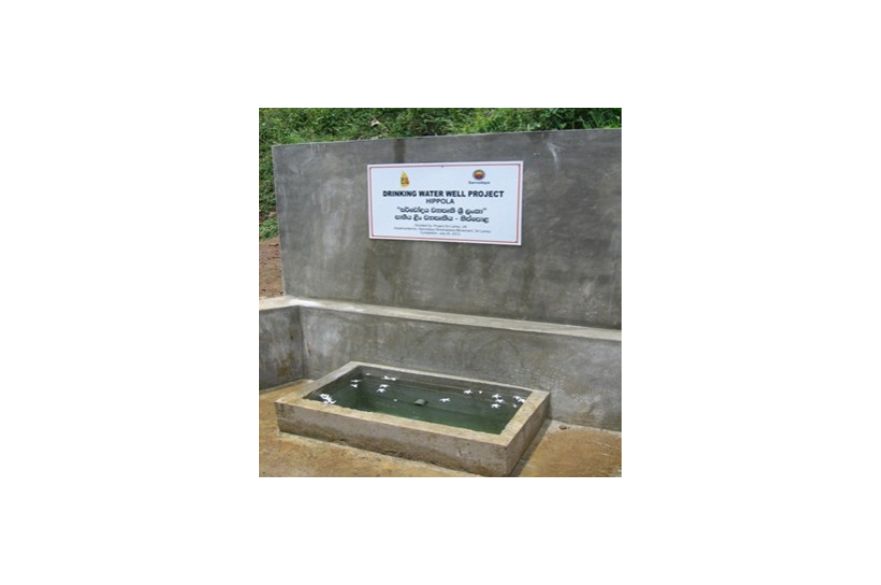
Today, thanks to a project involving Nottingham Business School (NBS), a new water well has transformed village life.
Families now have reliable access to safe drinking water, dramatically improving their health.
But Hippola is not an isolated case. Many rural villages in Sri Lanka and beyond face acute water scarcity.
In the face of intensifying climate change and widening global inequalities, driven by unsustainable governance, political instability, economic hardships, and unequal development between urban cities and rural villages, many people in developing countries face daily struggles in accessing clean, safe drinking water.
In 2024, an estimated 2.2 billion people remained without it (UNSDGs, 2025), leading to life-threatening conditions which could easily be prevented.
The framework we developed in Hippola and tested in Sri Lanka's Matale, Kegalle and Nuwara Eliya districts provides a practical model that other communities facing similar water challenges can adapt.
While rooted in the Sri Lankan context, its principles have wider relevance for community-led water projects around the world.
Listening first: designing a solution together
Rather than introducing an externally designed solution, the project began by asking the community what they needed most.
We used Participatory Action Research, a method that involves local people in identifying problems and designing solutions together.
This approach helped create a water system that villagers not only built themselves but continue to manage, making it more likely to be sustained over the long term.
Our NBS team collaborated with representatives from the Sarvodaya Shramadana Movement, Sri Lanka’s largest and most broadly embedded non-governmental community development organisation, and Project Sri Lanka UK, which addresses humanitarian needs in Sri Lanka.
We listened to farmers, mothers, teachers, and even a local Buddhist monk to address the villagers' most urgent issue: the absence of clean drinking water.
Through community meetings and focus groups, villagers described how unreliable rainfall, contaminated streams, and poor infrastructure had left them vulnerable. Before the project, many Hippola villagers used unsafe rainwater or unclean small water streams, which often contained agricultural chemicals which resulting in widespread illness from stomach infections to kidney disease.
They also expressed a strong desire to take ownership of their own development.
Together, we developed a collaborative support model to construct a sustainable water-well system.
Building a project the community could own
The collaborative support model was built upon partnership between local action and international support and reflects the UN’s global call for collaboration across borders, sectors, and disciplines.
It allowed decision-making to flow from the bottom up, ensuring that the project remained people-centred.
Although there were differences of opinion and occasional tensions, the shared goal of clean water united the village. Men, women, youth and children volunteered side by side.
Villagers contributed labour and locally sourced materials such as sand and bricks. Sarvodaya coordinated logistics, Project Sri Lanka provided a small grant to help fund essential materials, and the local hardware store offered free transport for supplies, a powerful symbol of community generosity.
The local temple monk visited daily, offering blessings and encouragement and set an example of how spiritual leadership and community development can work hand in hand.
How clean water transformed daily life
The new water well has transformed village life.
Villagers report fewer illnesses, reduced medical costs, and improved mental wellbeing, knowing that their water is clean and safe.
Farmers have been able to expand cultivation, diversify crops, generate new income streams, support children’s education and improve household resilience.
A mother told us: “Clean water has changed everything. Our children are healthier, and we can spend more time at school and on the farm.”
The project became a catalyst for improving the health and wellbeing of the villagers as well as empowering them.
What other communities can learn
The Hippola project showed that lasting change depends on more than building infrastructure. It requires communities, researchers and local organisations to work together from the outset.
Drawing on what we learned, we developed a framework that other communities can adapt to their own circumstances.
The framework encourages projects to:
- monitor progress throughout delivery rather than only measuring outcomes at the end;
- involve local people in decision-making so solutions reflect community priorities;
- understand the different roles and motivations of partners to build stronger collaboration;
- put shared ownership at the heart of the project to support long-term sustainability;
- adapt solutions to local geography, resources and community needs; and
- identify risks early, particularly for vulnerable groups, so challenges can be addressed before they become barriers.
Together, these principles provide a practical approach to planning, delivering and sustaining community-led development projects beyond Hippola.
The impact reached beyond clean water
The benefits extended well beyond access to clean water.
The outcomes contribute directly to several UN Sustainable Development Goals, including good health, no poverty and sustainable communities.
Villagers now manage the water well themselves through the Sarvodaya Society, demonstrating that local ownership ensures long-term sustainability.
The Sarvodaya Kandy District Coordinator said: “When people build something together, they protect it. This project belongs to everyone.”
A model for community-led change
The Hippola clean drinking water project reaffirms a fundamental truth: sustainable development begins at the heart of the community.
Through this method of research and collaborative engagement, even small-scale projects can catalyse broader social transformation in contributing to poverty eradication and empowerment.
This project was led by Dr Ramani Priyadarshani Gallellalage (Nottingham Business School, NTU) in partnership with Sarvodaya Shramadana Sangamaya and the Project Sri Lanka UK organisation. This initiative reflects Nottingham Trent University’s ongoing commitment to research that makes a real-world difference and NTU’s research ethos of rigorous, inclusive and transformative.