Why are red squirrels endangered – and can we save them?
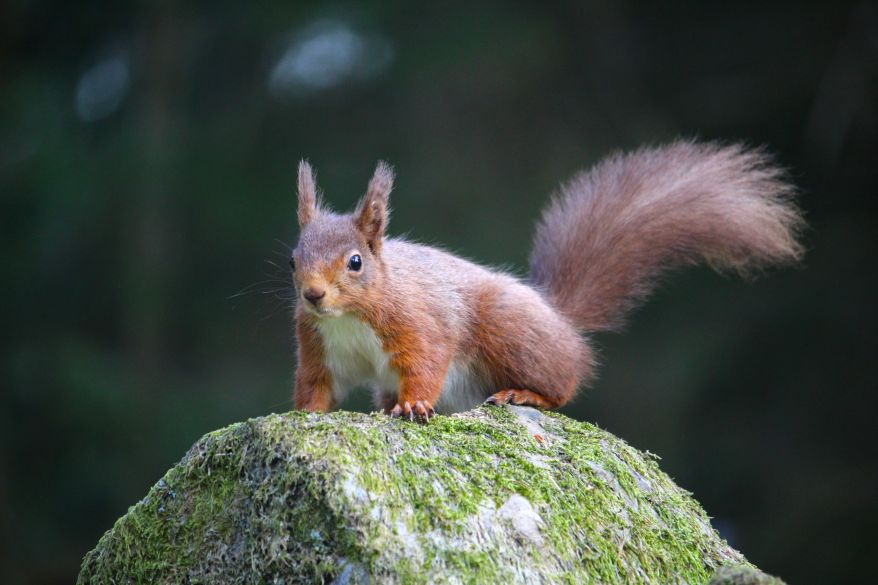
The red squirrel was once a familiar sight across Britain. Today, it has disappeared from much of its former range. Dr Kat Hamill, Senior Lecturer in Zoology at Nottingham Trent University, explains what has happened to one of Britain’s most recognisable native mammals – and whether science and conservation can help bring it back.
By Dr Kat Hamill | Published on 2 October 2026
Categories: Press office; Research; School of Animal, Rural and Environmental Sciences;
What you need to know:
- Red squirrels have disappeared from up to 95% of their former range in England.
- Grey squirrels compete with reds for food and space and can carry squirrelpox virus, which can be devastating to red squirrels.
- Around 75% of Britain’s remaining red squirrels are now found in Scotland.
- Conservation efforts, including controlling grey squirrels and protecting suitable habitat, can help red squirrel populations survive and recover.
- Scientists are investigating new ways to protect red squirrels, including grey squirrel fertility control and the role of returning pine martens.
Where have all the red squirrels gone?
The Eurasian red squirrel (Sciurus vulgaris) is the UK’s only native squirrel species. It was once widespread across England, Scotland, Wales and Ireland, with historical populations estimated to number in the millions.
Today, red squirrels have disappeared from as much as 95% of their former range in England.
Scotland is now home to around 75% of Britain’s remaining red squirrels, with smaller populations surviving in northern England, parts of Wales and Northern Ireland, and on a handful of offshore islands including the Isle of Wight and Brownsea Island.
There are estimated to be around 287,000 red squirrels left in Britain, fewer than 40,000 of them in England. The species is classified as Endangered in England and Wales and Near Threatened in Scotland on the Red List for Britain’s Terrestrial Mammals.
Why are grey squirrels such a problem?
The biggest change came with the introduction of eastern grey squirrels (Sciurus carolinensis) from North America in the late 19th century.
Grey squirrels spread rapidly across Britain and there are now estimated to be around 2.7 million.
Red and grey squirrels have similar requirements, with around 70% overlap in their ecological niches. This means they often compete for the same food and space.
But grey squirrels have an advantage.
They are larger and can make better use of a wider range of food, particularly in broadleaf woodland. This can allow them to outcompete red squirrels for resources.
But competition isn't the only problem.
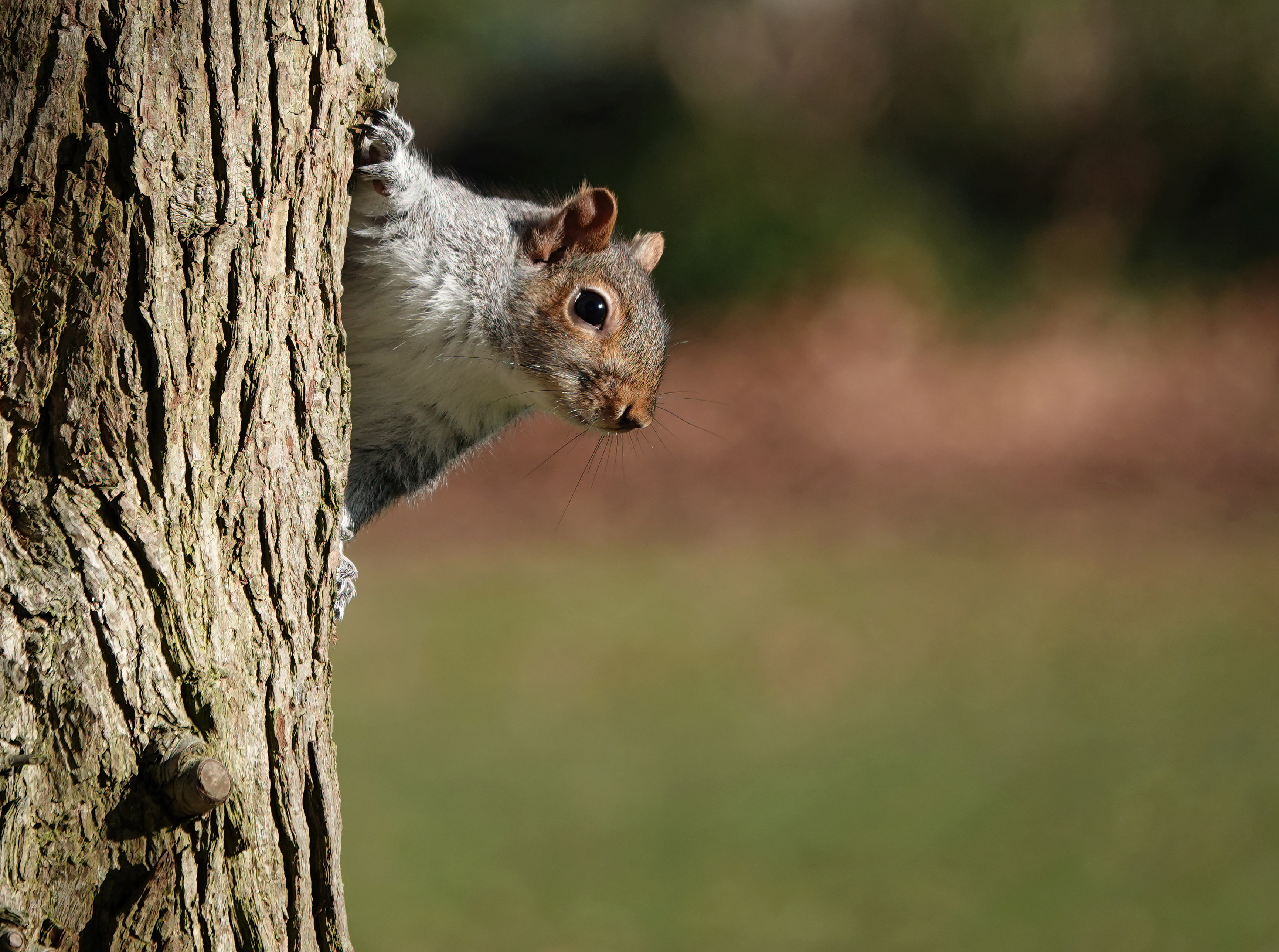
Seeking an advantage...the grey squirrel
The disease that can wipe out red squirrels
Grey squirrels can carry squirrelpox virus without being seriously affected by it. For red squirrels, however, infection can be devastating.
Infected red squirrels can develop painful skin lesions that can make it difficult for them to eat, drink and move, and mortality rates are high.
The impact can be dramatic. During an outbreak in Merseyside in 2008, the local red squirrel population fell by almost 90% in just over a year.
Research suggests that red squirrel populations can decline up to 25 times faster when squirrelpox is present in grey squirrels than through competition with grey squirrels alone.
This combination of competition and disease has helped drive the rapid replacement of red squirrels by greys in many parts of Britain.
Why are grey squirrels so successful?
Grey squirrels aren't simply successful because they are bigger.
They are highly adaptable and can live in a wide range of environments, from mature forests to parks and urban areas. They are also efficient foragers.
One important advantage is their ability to digest tannin-rich acorns and other large seeds that red squirrels find more difficult to use. This gives grey squirrels access to abundant food in Britain's broadleaf woodlands.
Their larger size also means they can build up greater energy reserves, potentially helping them survive winters and years when food is scarce.
Grey squirrels are also remarkably flexible in their behaviour. They can remember solutions to problems and apply what they have learned to new situations, helping them find food and adapt to unfamiliar environments, including towns and cities.
When food is plentiful, they can reproduce rapidly and live at higher population densities than red squirrels.
These characteristics have helped grey squirrels establish themselves across much of Britain – and make controlling their spread particularly difficult.
Grey squirrels have been identified as being in the top 100 invasive non-native species in the world. They have established populations not just in the UK but also in Italy and South Africa.
Why are red squirrels still thriving in some parts of Britain?
If grey squirrels have been so successful, why haven't they taken over everywhere?
One reason is habitat.
Grey squirrels tend to do particularly well in broadleaf woodland, while red squirrels can survive better in large conifer-dominated forests. Extensive conifer forests in parts of Scotland therefore provide important refuges for red squirrels and support around three-quarters of Britain's remaining population.
Geography can help too.
Offshore islands such as the Isle of Wight and Brownsea Island are naturally protected from grey squirrel colonisation. In other areas, conservationists have been able to use the landscape to their advantage.
In Merseyside, for example, the red squirrel stronghold sits on the west coast. Grey squirrel control can therefore focus on preventing animals from moving into the area from the east.
Coordinated control programmes in Scotland have also helped prevent grey squirrels from spreading further north, with their range currently held south of the so-called Highland Line.
Controlling grey squirrels, protecting suitable habitat and monitoring red squirrel populations have all been important in maintaining these remaining strongholds.
There is also another animal that could be helping.
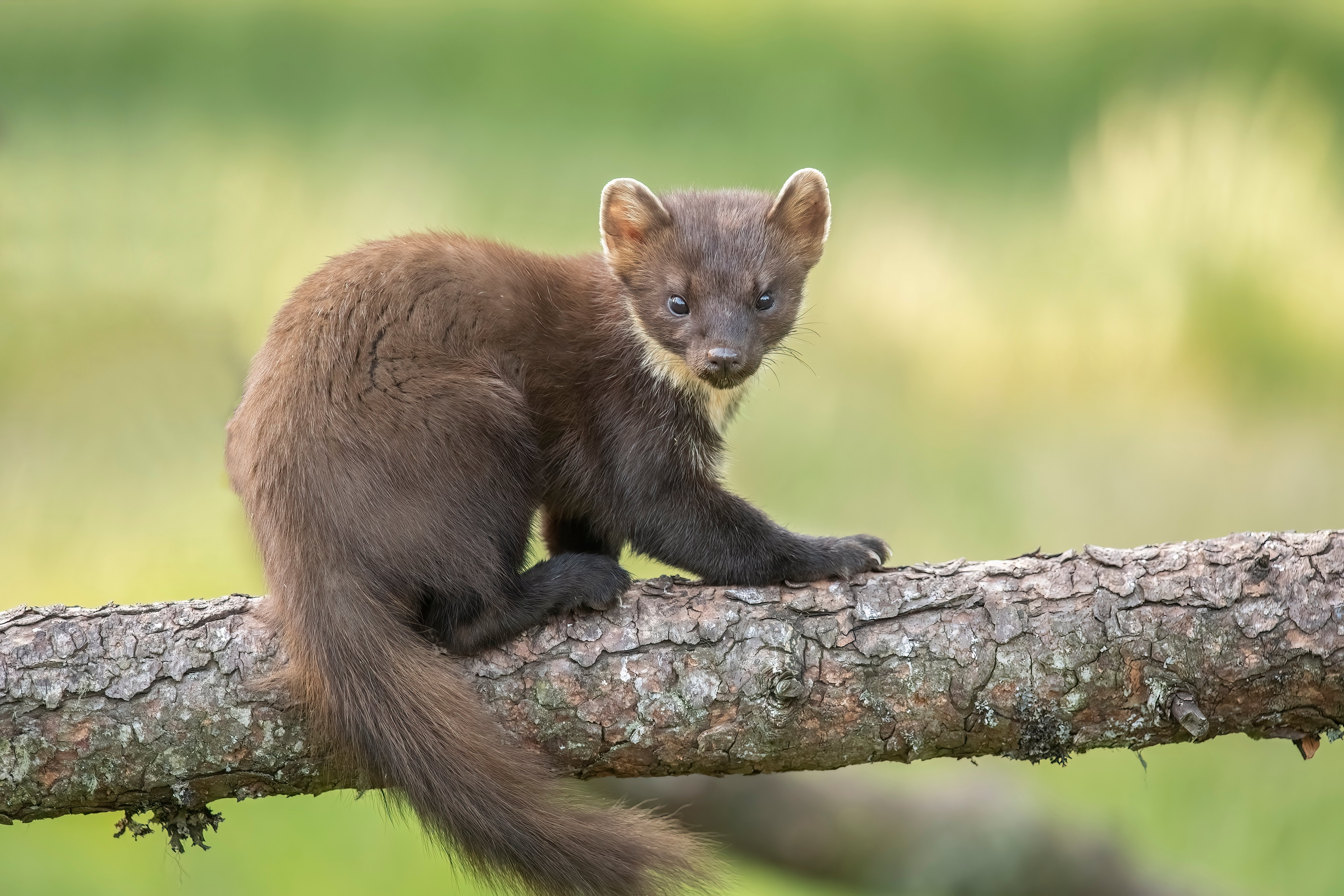
Here to help. Could pine martens offer red squirrels a lifeline?
Could pine martens help red squirrels?
The return of the native pine marten (Martes martes) has coincided with declines in grey squirrels and improvements in red squirrel populations in some areas.
The relationship is complex, but research suggests pine martens may have a greater impact on grey squirrels than on red squirrels. This could potentially give red squirrels an advantage where pine martens are recovering.
It is an intriguing example of how restoring one native species could have wider effects across an ecosystem.
But scientists are also looking for more direct ways to help red squirrels.
How is science helping to save red squirrels?
Research is helping conservationists understand the threats facing red squirrels and develop better ways of responding to them.
Scientists are investigating the feasibility of a squirrelpox vaccine, how pine martens affect squirrel populations and how genetics can be used to manage small and isolated red squirrel populations.
Another area of research is looking at whether grey squirrel fertility can be reduced using an oral contraceptive.
If successful, this could provide a more humane, landscape-scale way of reducing grey squirrel numbers by lowering their breeding rates.
My own research has focused on how red squirrels cope with living in an urban environment.
I monitored the red squirrel population in Formby, part of the Merseyside stronghold, to understand how the animals make use of the resources available to them – including natural food, supplementary food provided by people and different types of habitat – while dealing with risks such as habitat loss and fragmentation, predators, disease and roads.
Research like this provides the evidence needed to inform conservation strategies, including the England Red Squirrel Recovery Strategy.
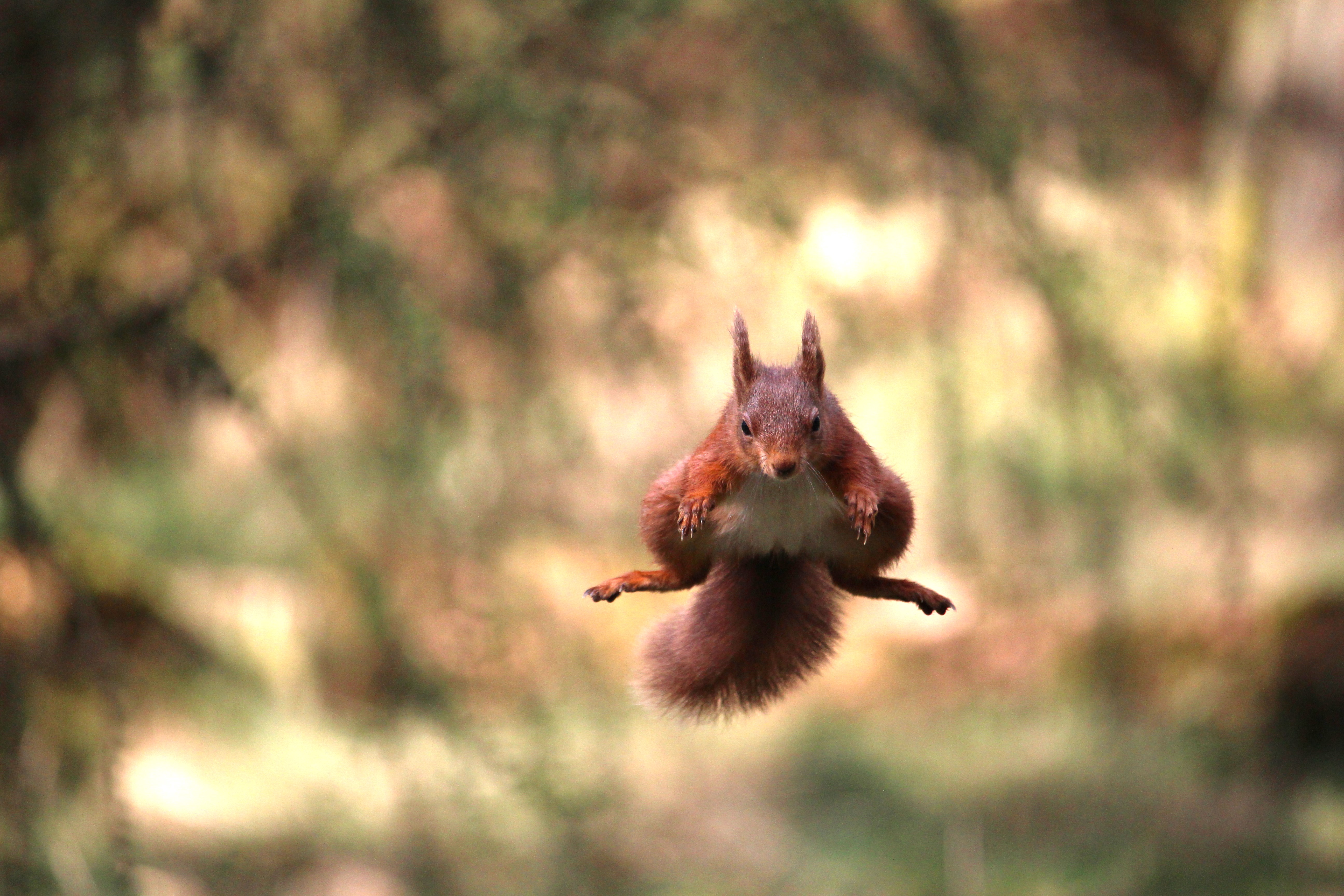
Not out of the woods. A red squirrel takes a giant leap (Image: Kat Hamill)
Can we save Britain's red squirrels?
There are reasons to be hopeful.
A century ago, red squirrels were disappearing across Britain. Today, conservationists have a much better understanding of the threats they face and the measures that can help protect them.
Conservation projects have shown that red squirrel populations can survive and even expand when grey squirrels are controlled and suitable habitat is protected.
New approaches, including research into grey squirrel fertility control, habitat restoration and the recovery of native pine martens, could provide further tools for conservation.
But recovery is not guaranteed. Conservation requires long-term resources and funding, and grey squirrels are now firmly established across much of Britain.
We are unlikely to eradicate grey squirrels or return red squirrels to every part of the country.
But that doesn't mean red squirrels are destined to disappear.
With continued conservation, scientific research and public support, there is a realistic opportunity to protect the populations that remain – and, in some places, help them recover.
The future of Britain's red squirrels may not be about returning them to every woodland they once occupied. It may instead be about ensuring that the distinctive flash of red remains part of Britain's wildlife for generations to come.
Dr Kat Hamill is a Senior Lecturer in Zoology in Nottingham Trent University’s School of Animal, Rural and Environmental Sciences, specialising in red squirrels, wildlife conservation and behavioural ecology. Her research focuses on the ecology and conservation of red squirrels, including how they adapt to living in urban environments. Before joining NTU, she worked on the Saving Scotland’s Red Squirrels project with the Scottish Wildlife Trust.