If animals could talk: how science helps us understand animal welfare
How can we understand what animals are feeling when they cannot tell us? A Professor of Zoo Animal Welfare & Legislation at NTU explains how animal welfare science is helping us listen to animals and improve their lives and wellbeing.
By Professor Samantha Ward | Published on 8 October 2026
Categories: Press office; Research;
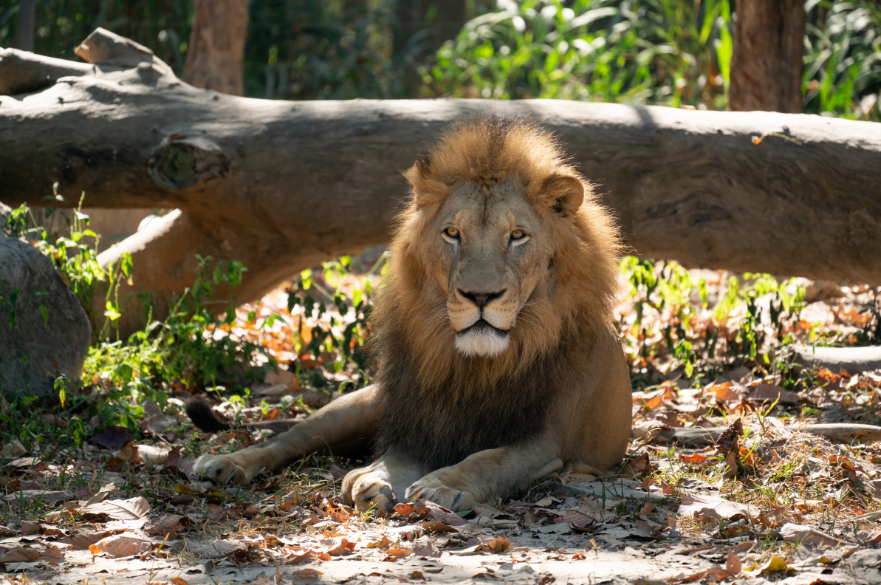
If animals could tell us how they feel, would we be ready to listen?
For much of human history, decisions about animals have been made for them rather than with them. We have fed them, housed them, managed them and cared for them based on what we believed they needed. While this has often been done with good intentions, modern animal welfare science is asking a different question: how can we better understand the animal's own experience?
This question has shaped my career, from my early days as a zookeeper to my current role as Professor of Zoo Animal Welfare and Legislation at Nottingham Trent University. It has taken me around the world, working with zoos, researchers, students and policymakers, all united by a shared goal: improving the lives of animals through evidence-based welfare assessment.
At the heart of this work is a simple but powerful belief: animals have a voice, even when they cannot speak.
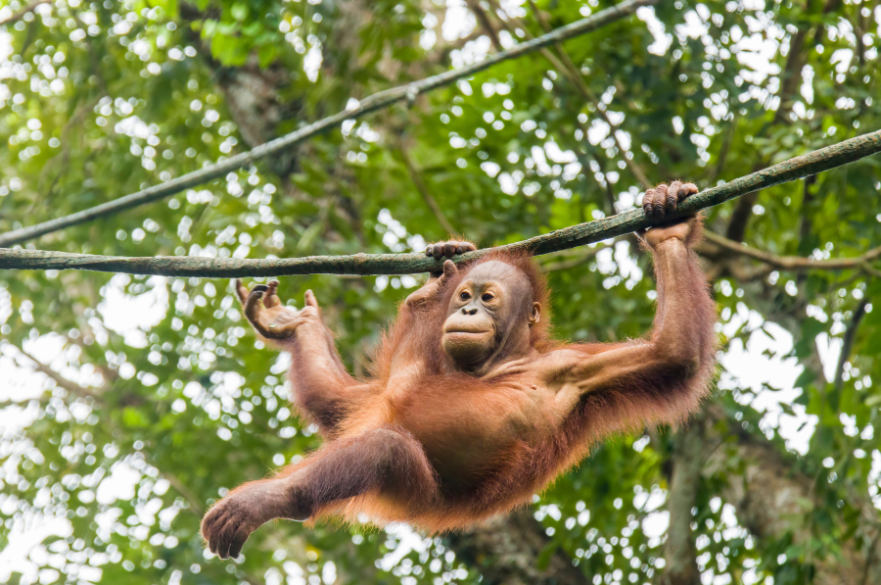
Looking beyond survival
For many years, animal welfare focused primarily on physical health. Was the animal free from disease? Did it have food, water and shelter? These are, of course, fundamental requirements. But good welfare is about much more than survival.
Today, welfare science increasingly recognises that animals experience their world. They have preferences, motivations, emotions and individual personalities. A healthy animal is not necessarily a thriving animal.
This shift has transformed the way we think about welfare in zoos and beyond. Rather than asking only whether animals are free from suffering, we are increasingly asking whether they have opportunities to experience positive states such as comfort, curiosity, choice, engagement and even enjoyment.
The challenge is that animals cannot fill in questionnaires or tell us directly how they feel. So how do we listen?
Becoming animal translators
Much of my research has focused on developing ways to interpret the signals animals give us through their behaviour.
Every day, animals communicate information about their experiences. The way they move, interact with their environment, respond to caregivers and engage with one another can reveal important clues about their welfare. The task of welfare scientists is to become skilled translators of those signals.
One area that particularly interests me is Qualitative Behaviour Assessment (QBA), an approach that looks not just at what animals are doing, but how they are doing it. An animal may be active, for example, but does it appear confident, relaxed, curious or apprehensive? These observations help us build a richer understanding of animal welfare.
Importantly, welfare assessment is not about relying on a single measure. It involves bringing together multiple sources of evidence, from behaviour and health data to environmental conditions and expert observations, to create a more complete picture of the animal's lived experience.
Why zoos matter
Zoos occupy a unique position in society.
At their best, modern zoos contribute to conservation, education, research and animal care. They provide opportunities to study species that would otherwise be difficult to observe and have helped prevent the extinction of numerous threatened animals.
However, with this opportunity comes responsibility.
Housing animals in human care requires us to continually ask whether we are meeting their needs. Welfare cannot be viewed as a destination that has been achieved once and for all. It must be an ongoing process of evaluation, reflection and improvement.
This means challenging assumptions, embracing new evidence and being willing to make changes when animals show us that something is not working. It also means recognising that excellent welfare is not solely about avoiding poor outcomes. It is about creating environments that allow animals to flourish.
The next generation of animal advocates
One of the most rewarding aspects of my role is working with students.
Many arrive at university because they care deeply about animals. What they discover is that making a meaningful difference requires more than passion alone. It requires scientific thinking, critical evaluation and the confidence to ask difficult questions.
The future of animal welfare will be shaped by people willing to challenge established practices, explore innovative approaches and work collaboratively across disciplines. Whether they become researchers, zoo professionals, policymakers or educators, they will play a vital role in ensuring that animal welfare continues to advance.
Three messages for the future
- Never stop listening: animals are constantly communicating with us, but the challenge is learning how to recognise and interpret what they are telling us.
- Stay strong: positive change is rarely easy and improving welfare can require persistence, courage and a willingness to challenge the status quo. But meaningful progress is always worth pursuing.
- Remain hopeful: animal welfare has advanced enormously over recent decades and there is every reason to believe the future can be even better. Through research, education and collaboration, we can continue creating a world in which animal needs are better understood and better met.
When we truly listen to animals, we don't just learn more about them - we learn how to care for them better.
Samantha Ward is a Professor of Zoo Animal Welfare & Legislation, part of NTU's School of Animal, Rural and Environmental Sciences (ARES).
Sam also sits as the Welfare Expert on the Zoo Experts Committee as part of Defra, advising the UK Government on UK zoo matters, including re-writing the Secretary State Standards for Modern Zoo Practice and the Zoo Licensing Act.
She is the Research Advisor for the Charity ‘Wild Welfare’ and sits on the Zoological Society of London (ZSL)'s Zoo Welfare and Ethics Committee.