Primary Education (QTS) PGCE

About this course
Primary education is a fundamental part of any child’s academic and personal development. Primary teachers play a crucial role in developing a child’s essential knowledge and skills. More than that, they spark our young people’s imaginations, encourage their curiosity and nurture a love for learning. They act as role models, inspiring the next generation, and making a positive impact on pupils' lives.
Whether you’re currently completing your degree, have just graduated, or are planning a career change, studying with us will enable you to launch your career as a dynamic and inspirational primary teacher. At NTU, we understand that the best way to learn how to teach is in the classroom, which is why you’ll spend much of your time on the course in schools. You’ll be taught by former primary school teachers here at the university and be mentored by teachers in schools, who will support you in building your expertise, critical thinking and creativity.
You’ll cover the curriculum in detail, bringing it to life for pupils, and developing who you are as a teacher. You’ll be equipped with the subject knowledge and professional skills to teach across the whole curriculum to meet the developing requirements demanded of primary school teachers. You’ll help to shape the minds, lives and futures of all our young people.
-

98%
of PGCE Primary Education students are satisfied with the quality of their course (Postgraduate Taught Experience Survey 2026).
-

Placement opportunities
in a variety of primary settings are embedded throughout the course.
-

Gain 60 credits towards a Masters degree
by studying three 60-credit Level 7 modules.
-

Be recommended for Qualified Teacher Status
with the Department for Education, allowing you to take a post as an Early Career Teacher upon course completion.
A distinctive feature of this postgraduate primary teaching qualification is that the modules offered integrate the study of learning and teaching across the whole primary curriculum. You’ll learn to teach children from three to 11 years of age, with the opportunity to express a preference to focus on either the 3-7 or the 7-11 age ranges on placement. Sessions led by subject experts develop your understanding of the requirements of both the early years and primary frameworks. As part of the course, you’ll benefit from university and school-based training. The course is built around modules which are closely mapped to the school-based training during the year.
Module information
Here’s a breakdown of what you’ll be studying throughout the course:
By studying this module, you'll become a critically reflective teacher who can assess, adapt and improve your professional practice and appraise individual learning needs. You'll develop a research-informed approach by questioning and critiquing teaching and learning strategies in order to maximise pupil progress. You'll take an increasingly autonomous approach to your continuing professional development and a consistent commitment to the professional expectations of a teacher. You'll learn how to plan high-quality lessons and set appropriate targets for pupils, monitor and assess their attainment and progress, and deliver effective lessons whilst implementing positive behaviour management strategies.
60 credits
This module will develop you as a teacher who has a secure knowledge and understanding of a wide range of inclusive professional practices. It will enable you to critically evaluate, select and design teaching approaches that are optimised to support children's educational development, progression and attainment. You will be introduced to a range of pedagogical theories and international comparisons, which will allow you to take a constructively critical and reflective attitude toward effective and creative innovation. You'll develop a research-informed stance in relation to key issues in education with an understanding of how children learn. You'll also interrogate and express your professional values through high-quality work in all areas of the curriculum.
20 credits
This module will develop your ability to plan, teach and assess the broad and rich range of core subjects at primary level, as well as encourage you to take a research-oriented approach to the development of your professional practice. You'll gain the comprehensive subject and curriculum knowledge required of an expert teacher and develop innovative approaches to teaching the primary curriculum. You'll develop your professional identity as a critically reflective teacher of the primary curriculum - implementing the research skills necessary to make a significant contribution to the shaping of teaching, learning and assessment.
20 credits
This module will develop your ability to plan, teach and assess the broad and rich range of core subjects at primary level, as well as encourage you to take a research-oriented approach to the development of your professional practice. You'll gain the comprehensive subject and curriculum knowledge required of an expert teacher and develop innovative approaches to teaching the primary curriculum. You'll develop your professional identity as a critically reflective teacher of the primary curriculum - implementing the research skills necessary to make a significant contribution to the shaping of teaching, learning and assessment.
20 credits
Upon successful completion of the above modules, trainees will be awarded the Professional Practice (QTS) module.
credits
credits
credits
credits
credits
credits
credits
credits
credits
credits
credits
credits
credits
credits
credits
credits
credits
credits
credits
credits
credits
credits
credits
credits
credits
credits
credits
credits
credits
credits
credits
credits
credits
credits
credits
credits
credits
credits
credits
credits
credits
credits
credits
credits
credits
credits
credits
credits
credits
credits
credits
credits
credits
credits
credits
credits
credits
credits
credits
credits
credits
credits
credits
credits
credits
credits
credits
credits
credits
credits
credits
credits
credits
credits
credits
credits
credits
credits
credits
credits
credits
credits
credits
credits
credits
credits
credits
credits
credits
credits
credits
credits
credits
credits
credits
credits
credits
credits
credits
credits
credits
credits
credits
credits
credits
credits
credits
credits
credits
credits
credits
credits
credits
credits
credits
credits
credits
credits
credits
credits
credits
credits
credits
credits
credits
credits
credits
credits
credits
credits
credits
credits
credits
credits
credits
credits
credits
credits
credits
credits
credits
credits
credits
credits
credits
credits
credits
credits
credits
credits
credits
credits
credits
credits
credits
credits
credits
credits
credits
credits
credits
credits
credits
credits
credits
credits
credits
credits
credits
credits
credits
credits
credits
credits
credits
credits
credits
credits
credits
credits
credits
credits
credits
credits
credits
credits
credits
credits
credits
credits
credits
credits
credits
credits
credits
credits
credits
credits
credits
credits
credits
credits
credits
credits
credits
credits
credits
credits
credits
credits
credits
credits
credits
credits
credits
credits
credits
credits
credits
credits
credits
credits
credits
credits
credits
credits
credits
credits
credits
credits
credits
credits
credits
credits
credits
credits
credits
credits
credits
credits
credits
credits
credits
credits
credits
credits
credits
credits
credits
credits
credits
credits
credits
credits
credits
credits
credits
credits
credits
credits
credits
credits
credits
credits
credits
credits
credits
credits
credits
credits
credits
credits
credits
credits
credits
credits
credits
credits
credits
credits
credits
credits
credits
credits
credits
credits
credits
credits
credits
credits
credits
credits
credits
credits
credits
credits
credits
credits
credits
credits
credits
credits
credits
credits
credits
credits
credits
credits
credits
credits
credits
credits
credits
credits
credits
credits
credits
credits
credits
credits
credits
credits
credits
credits
credits
credits
credits
credits
credits
credits
credits
credits
credits
credits
credits
credits
credits
credits
credits
credits
credits
credits
credits
credits
credits
credits
credits
credits
credits
credits
credits
credits
credits
credits
credits
credits
credits
credits
credits
credits
credits
credits
credits
credits
credits
credits
credits
credits
credits
credits
credits
credits
credits
credits
credits
credits
credits
credits
credits
credits
credits
credits
credits
credits
credits
credits
credits
credits
credits
credits
credits
credits
credits
credits
credits
credits
credits
credits
credits
credits
credits
credits
credits
credits
credits
credits
credits
credits
credits
credits
credits
credits
credits
credits
credits
credits
credits
credits
credits
credits
credits
credits
credits
credits
credits
credits
credits
credits
credits
credits
credits
credits
credits
credits
credits
credits
credits
credits
credits
credits
credits
credits
credits
credits
credits
credits
credits
credits
credits
credits
credits
credits
credits
credits
credits
credits
credits
credits
credits
credits
credits
credits
credits
credits
credits
credits
credits
credits
credits
credits
credits
credits
credits
credits
credits
credits
credits
credits
credits
credits
credits
credits
credits
credits
credits
credits
credits
credits
credits
credits
credits
credits
credits
credits
credits
credits
credits
credits
credits
credits
credits
credits
credits
credits
credits
credits
credits
credits
credits
credits
credits
credits
credits
credits
credits
credits
credits
credits
credits
credits
credits
credits
credits
credits
credits
credits
credits
credits
credits
credits
credits
credits
credits
credits
credits
credits
credits
credits
credits
credits
credits
credits
credits
credits
credits
credits
credits
credits
credits
credits
credits
credits
credits
credits
credits
credits
credits
credits
credits
credits
credits
credits
credits
credits
credits
credits
credits
credits
credits
credits
credits
credits
credits
credits
credits
credits
credits
credits
credits
credits
credits
credits
credits
credits
credits
credits
credits
credits
credits
credits
credits
credits
credits
credits
credits
credits
credits
credits
credits
credits
credits
credits
credits
credits
credits
credits
credits
credits
credits
credits
credits
credits
credits
credits
credits
credits
credits
credits
credits
credits
credits
credits
credits
credits
credits
credits
credits
credits
credits
credits
credits
credits
credits
credits
credits
credits
credits
credits
credits
credits
credits
credits
credits
credits
credits
credits
credits
credits
credits
credits
credits
credits
credits
credits
credits
credits
credits
credits
credits
credits
credits
credits
credits
credits
credits
credits
credits
credits
credits
credits
credits
credits
credits
credits
credits
credits
credits
credits
credits
credits
credits
credits
credits
credits
credits
credits
credits
credits
credits
credits
credits
credits
credits
credits
credits
credits
credits
credits
credits
credits
credits
credits
credits
credits
credits
credits
credits
credits
credits
credits
credits
credits
credits
credits
credits
credits
credits
credits
credits
credits
credits
credits
credits
credits
credits
credits
credits
credits
credits
credits
credits
credits
credits
credits
credits
credits
credits
credits
credits
credits
credits
credits
credits
credits
credits
credits
credits
credits
credits
credits
credits
credits
credits
credits
credits
credits
credits
credits
credits
credits
credits
credits
credits
credits
credits
credits
credits
credits
credits
credits
credits
credits
credits
credits
credits
credits
credits
credits
credits
credits
credits
credits
credits
credits
credits
credits
credits
credits
credits
credits
credits
credits
credits
credits
credits
credits
credits
credits
credits
credits
credits
credits
credits
credits
credits
credits
credits
credits
credits
credits
credits
credits
credits
credits
credits
credits
credits
credits
credits
credits
credits
credits
credits
credits
credits
credits
credits
credits
credits
credits
credits
credits
credits
credits
credits
credits
credits
credits
credits
credits
credits
credits
credits
credits
credits
credits
credits
credits
credits
credits
credits
credits
credits
credits
credits
credits
credits
credits
credits
credits
credits
credits
credits
credits
credits
credits
credits
credits
credits
credits
credits
credits
credits
credits
credits
credits
credits
credits
credits
credits
credits
credits
credits
credits
credits
credits
credits
credits
credits
credits
credits
credits
credits
credits
credits
credits
credits
credits
credits
credits
credits
credits
credits
credits
credits
credits
credits
credits
credits
credits
credits
credits
credits
credits
credits
credits
credits
credits
credits
credits
credits
credits
credits
credits
credits
credits
credits
credits
credits
credits
credits
credits
credits
credits
credits
credits
credits
credits
credits
credits
credits
credits
credits
credits
credits
credits
credits
credits
credits
credits
credits
credits
credits
credits
credits
credits
credits
credits
credits
credits
credits
credits
credits
credits
credits
credits
credits
credits
credits
credits
credits
credits
credits
credits
credits
credits
credits
credits
credits
credits
credits
credits
credits
credits
credits
credits
credits
credits
credits
credits
credits
credits
credits
credits
credits
credits
credits
credits
credits
credits
credits
credits
credits
credits
credits
credits
credits
credits
credits
credits
credits
credits
credits
credits
credits
credits
credits
credits
credits
credits
credits
credits
credits
credits
credits
credits
credits
credits
credits
credits
credits
credits
credits
credits
credits
credits
credits
credits
credits
credits
credits
credits
credits
credits
credits
credits
credits
credits
credits
credits
credits
credits
credits
credits
credits
credits
credits
credits
credits
credits
credits
credits
credits
credits
credits
credits
credits
credits
credits
credits
credits
credits
credits
credits
credits
credits
credits
credits
credits
credits
credits
credits
credits
credits
credits
credits
credits
credits
credits
credits
credits
credits
credits
credits
credits
credits
credits
credits
credits
credits
credits
credits
credits
credits
credits
credits
credits
credits
credits
credits
credits
credits
credits
credits
credits
credits
credits
credits
credits
credits
credits
credits
credits
credits
credits
credits
credits
credits
credits
credits
credits
credits
credits
credits
credits
credits
credits
credits
credits
credits
credits
credits
credits
credits
credits
credits
credits
credits
credits
credits
credits
credits
credits
credits
credits
credits
credits
credits
credits
credits
credits
credits
credits
credits
credits
credits
credits
credits
credits
credits
credits
credits
credits
credits
credits
credits
credits
credits
credits
credits
credits
credits
credits
credits
credits
credits
credits
credits
credits
credits
credits
credits
credits
credits
credits
credits
credits
credits
credits
credits
credits
credits
credits
credits
credits
credits
credits
credits
credits
credits
credits
credits
credits
credits
credits
credits
credits
credits
credits
credits
credits
credits
credits
credits
credits
credits
credits
credits
credits
credits
credits
credits
credits
credits
credits
credits
credits
credits
credits
credits
credits
credits
credits
credits
credits
credits
credits
credits
credits
credits
credits
credits
credits
credits
credits
credits
credits
credits
credits
credits
credits
credits
credits
credits
credits
credits
credits
credits
credits
credits
credits
credits
credits
credits
credits
credits
credits
credits
credits
credits
credits
credits
credits
credits
credits
credits
credits
credits
credits
credits
credits
credits
credits
credits
credits
credits
credits
credits
credits
credits
credits
credits
credits
credits
credits
credits
credits
credits
credits
credits
credits
credits
credits
credits
credits
credits
credits
credits
credits
credits
credits
credits
credits
credits
credits
credits
credits
credits
credits
credits
credits
credits
credits
credits
credits
credits
credits
credits
credits
credits
credits
credits
credits
credits
credits
credits
credits
credits
credits
credits
credits
credits
credits
credits
credits
credits
credits
credits
credits
credits
credits
credits
credits
credits
credits
credits
credits
credits
credits
credits
credits
credits
credits
credits
credits
credits
credits
credits
credits
credits
credits
credits
credits
credits
credits
credits
credits
credits
credits
credits
credits
credits
credits
credits
credits
credits
credits
credits
credits
credits
credits
credits
credits
credits
credits
credits
credits
credits
credits
credits
credits
credits
credits
credits
credits
credits
credits
credits
credits
credits
credits
credits
credits
credits
credits
credits
credits
credits
credits
credits
credits
credits
credits
credits
credits
credits
credits
credits
credits
credits
credits
credits
credits
credits
credits
credits
credits
credits
credits
credits
credits
credits
credits
credits
credits
credits
credits
credits
credits
credits
credits
credits
credits
credits
credits
credits
credits
credits
credits
credits
credits
credits
credits
credits
credits
credits
credits
credits
credits
credits
credits
credits
credits
credits
credits
credits
credits
credits
credits
credits
credits
credits
credits
credits
credits
credits
credits
credits
credits
credits
credits
credits
credits
credits
credits
credits
credits
credits
credits
credits
credits
credits
credits
credits
credits
credits
credits
credits
credits
credits
credits
credits
credits
credits
credits
credits
credits
credits
credits
credits
credits
credits
credits
credits
credits
credits
credits
credits
credits
credits
credits
credits
credits
credits
credits
credits
credits
credits
credits
credits
credits
credits
credits
credits
credits
credits
credits
credits
credits
credits
credits
credits
credits
credits
credits
credits
credits
credits
credits
credits
credits
credits
credits
credits
credits
credits
credits
credits
credits
credits
credits
credits
credits
credits
credits
credits
credits
credits
credits
credits
credits
credits
credits
credits
credits
credits
credits
credits
credits
credits
credits
credits
credits
credits
credits
credits
credits
credits
credits
credits
credits
credits
credits
credits
credits
credits
credits
credits
credits
credits
credits
credits
credits
credits
credits
credits
credits
credits
credits
credits
credits
credits
credits
credits
credits
credits
credits
credits
credits
credits
credits
credits
credits
credits
credits
credits
credits
credits
credits
credits
credits
credits
credits
credits
credits
credits
credits
credits
credits
credits
credits
credits
credits
credits
credits
credits
credits
credits
credits
credits
credits
credits
credits
credits
credits
credits
credits
credits
credits
credits
credits
credits
credits
credits
credits
credits
credits
credits
credits
credits
credits
credits
credits
credits
credits
credits
credits
credits
credits
credits
credits
credits
credits
credits
credits
credits
credits
credits
credits
credits
credits
credits
credits
credits
credits
credits
credits
credits
credits
credits
credits
credits
credits
credits
credits
credits
credits
credits
credits
credits
credits
credits
credits
credits
credits
credits
credits
credits
credits
credits
credits
credits
credits
credits
credits
credits
We regularly review our course content based on student and employer feedback to ensure they remain current and relevant. This may result in changes to module content or availability in future years. Optional modules will only run where there is sufficient demand. This will be determined on a case-by-case basis to protect the academic and student experience.
Student experience


Video Library
How you're taught
University-Based Training
The University-based part of the course comprises a mixture of lectures, seminars, workshops and tutorials. It explores learning and teaching in all the primary curriculum subjects and is designed to complement placement in schools across the primary age range. You’ll be taught by former primary and early years teachers who have a wealth of experience and a passion for teaching. Our lecturers are highly respected researchers within their fields of education.
Placements
Approximately two-thirds of your time on the course will be spent in primary schools. School-based activity is as follows:
- four-week period of intensive training and practice during the autumn term, focused on foundational aspects of teaching
- seven-week block placement in the autumn term
- six-week block placement during the spring term in a second school
- 11-week block placement in the summer term back in the first school
- three weeks of additional enhancement placements, which will broaden your experience of different contexts and support your ability to meet a range of children’s needs.
We are in partnership with a large number of schools across the East Midlands and beyond. Over the course of the year, you should therefore experience schools in a range of locations, whether city centre, suburban or semi-rural, and serving the needs of different and diverse communities. This variety provides opportunities for a wide range of teaching experiences and lays a good foundation for your future professional development.
Qualifications
The award of PGCE is offered at two levels:
- Postgraduate Certificate in Education (where 60 Masters-level credits can be gained).
- Professional Graduate Certificate in Education.
Both of these are recognised teaching qualifications. You have the opportunity to achieve masters level credits which may be accepted towards an MA qualification that you might choose to seek in the future.
Successful completion of the course will lead to Qualified Teacher Status (QTS), whichever of these two qualifications you achieve.
How you're assessed
You’ll engage in assessments that draw together academic and professional practice.
Assessment methods include:
- Pre-recorded presentation
- Academic poster
- Written assignment
School-based training is assessed continually, with an overall assessment completed during the final period of placement.
Following successful completion of the course year, you’ll achieve a qualification and be recommended for Qualified Teacher Status.
Contact hours
During your studies your time at university will vary. You will generally attend university one day a week, with the rest of your time spent at your placement school, however the exact split may vary from time to time and for a small number of weeks, you will attend university every day. Your exact timetable will be confirmed to you upon enrolment.
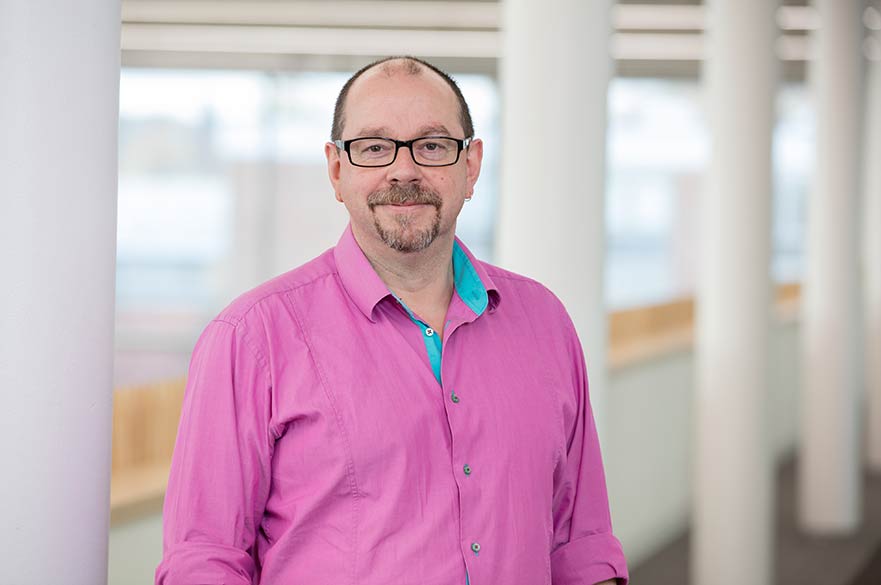
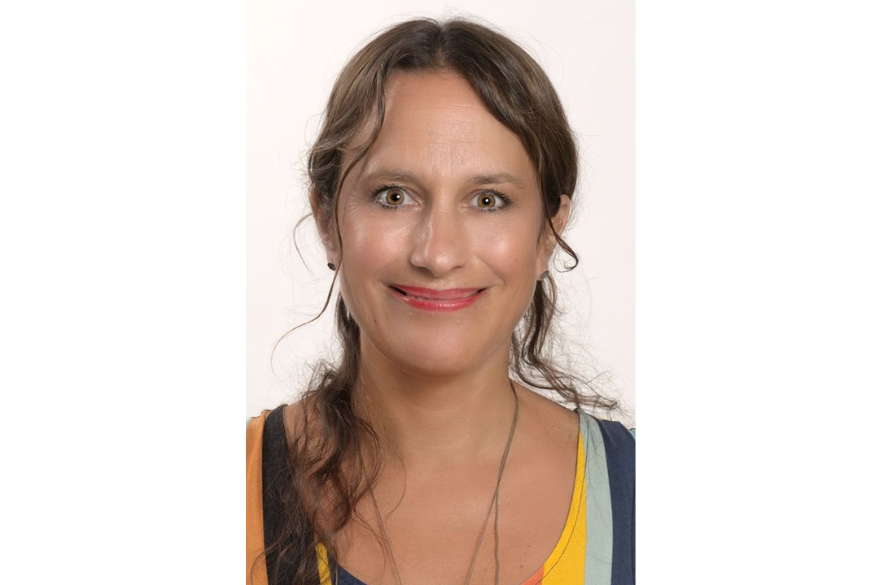
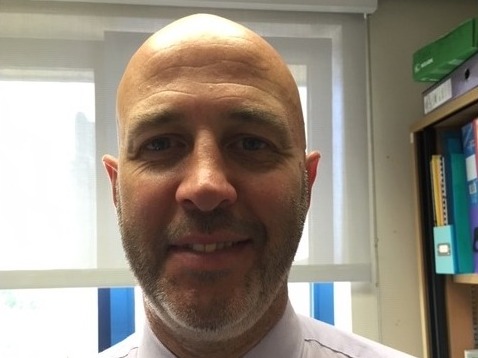
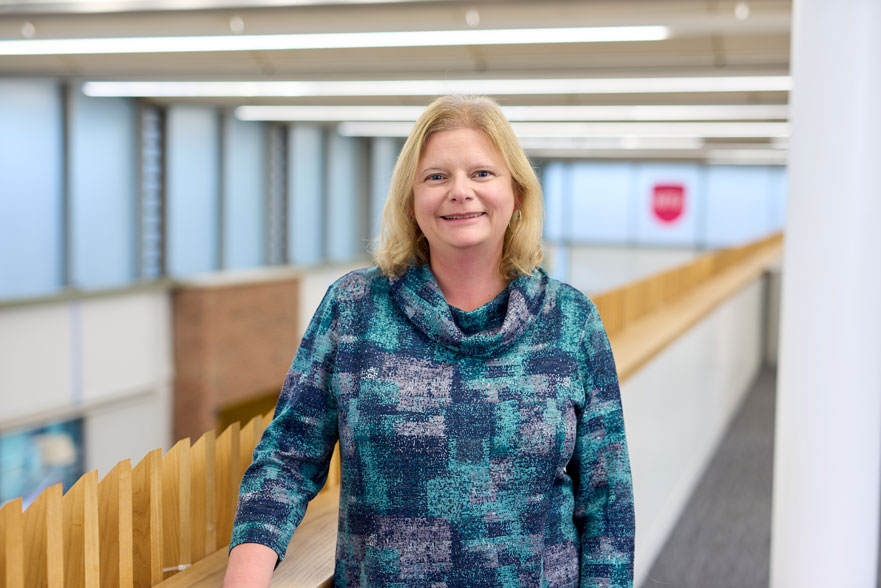
Who will teach you?



Entry requirements
UK students
- A 2:2 UK honours degree (or equivalent), or a third class UK honours degree (or equivalent) with significant professional experience.
- GCSE English, Mathematics and Science at minimum grade C /4 or equivalent. We accept the GCSE equivalency taken via equivalencytesting.com or astarequivalency.co.uk. Applicants with pending qualifications will be considered.
Additional requirements for UK students
- An enhanced Disclosure and Barring Service check, and any other safeguarding checks that may be necessary.
- Two references.
- Strong applicants will be invited to an online interview.
- It may strengthen your application to have had some experience in a classroom in a UK mainstream school, setting or college, although this is not an entry requirement. If you do wish to gain some experience prior to your application, you can explore a number of options. Existing students at Nottingham Trent University and the University of Nottingham can access our Students in Classroom service. You can use your contacts through family or friends, or contact schools directly to ask for work experience or you can access the DfE’s School Experience service.
Other qualifications and experience
- If necessary, you can take a relevant GCSE as a private candidate.
International students
Academic entry requirements: A 2:2 UK honours degree (or equivalent), or a third class UK honours degree (or equivalent) with significant professional experience.
We accept equivalent qualifications from all over the world. Please check your international qualifications on our international entry requirements page.
Other requirements: GCSE English, Mathematics and Science at minimum grade C /4 or equivalent. We accept the GCSE equivalency taken via equivalencytesting.com or astarequivalency.co.uk. Applicants with pending qualifications will be considered.
If you hold an international High School qualification in English, Maths and Science, contact us to find out whether it would be accepted to meet the GCSE requirement.
English language requirements: International Students who need a Visa may be required to provide an additional English Language qualification for visa purposes. See our English language requirements page for requirements for your subject and information on alternative tests and Pre-sessional English.
Additional requirements for international students
- Two references
- An enhanced Disclosure and Barring Service check, and any other safeguarding checks that may be necessary
- Strong applicants will be invited to an online interview.
It may strengthen your application to have had some experience in a classroom in a UK mainstream school, setting or college, although this is not an entry requirement. If you do wish to gain some experience prior to your application, you can explore a number of options. Existing students at Nottingham Trent University and the University of Nottingham can access our Students in Classroom service. You can use your contacts through family or friends, or contact schools directly to ask for work experience or you can access the DfE’s School Experience service.
Policies
We strive to make our admissions procedures as fair and clear as possible. To find out more about how we make offers, visit our admissions policies page.