Developing an Eye for Architectural Photography
- Level(s) of Study: Short course
- Course Fee:
£695
- Start Date(s): 30 June 2026
- Duration: Tuesday to Friday 10 am - 4 pm, four days
- Study Mode(s): Part-time
- Campus: City Campus
- Entry Requirements: More information
Introduction:
Course dates:
30 June - 3 July 2026, Tuesday to Friday 10 am - 4 pm, four days
This summer school will teach you the skills needed to capture the identity of a place in your photographs.
Architecture in photography is something many people can relate to, making it an accessible form of photographic practice. But being able to capture a unique image using specialist equipment is a real skill, and one which sets accomplished photographers aside from others.
This practical course will appeal to anyone interested in the built environment and how the aesthetic qualities of buildings can be captured in a photograph. You’ll explore urban spaces and buildings old and new, inside and out, learning how to work effectively with your camera. You’ll approach the subject from both an editorial and fine art perspective, giving your work a breadth of content that will appeal to a range of audiences.
-
 You’ll be part of a community and our creative culture; one that promotes discussion and collaboration, and encourages experimentation and the constant swapping of ideas.
 -
With a limited class size you'll have the one-to-one attention you need to ensure you leave with the skills to continue developing your designs at home or work.
-
 Benefit from learning with an experienced tutor who has established links to the profession and significant experience working in varied practices.
 -
 On successful completion of the course, you will receive a digital certificate of attendance and a digital badge.
Here’s what our previous attendees said:
'I did this course because I wanted a chance to learn more about photography and be able to use the University equipment. I've learnt more about the fundamentals as well as learning use of the specific architectural lenses. It was great to get out and about to photograph interesting building subjects.'
'I wanted to improve my ability to tell a story about a space. I’ve taken away a confidence in my own ability to see an image to capture and the skill to not rely on auto settings on the camera. The feedback from the tutor on the photos I took and her guidance and advice on how to improve was really valuable.'
‘I had an absolute riot and also learnt so much! Amazing course and bunch of people.’
‘Had the best time ever! Really enjoyed the course, you were great, super thorough and a bloody good laugh. Could have just done with a couple more days and now the reflection starts to make improvements going forwards. I would definitely come again.’
What you’ll study
As part of a small group, you will spend four immersive days beginning with group briefings followed by time on location taking photographs.
You’ll be making images with both your phone and dedicated camera, with access to specialist architectural lenses (Canon and Nikon fit). You’ll work across the city campus with its range of historic and contemporary buildings and a range of workshops, as well as trips out to see award winning modern architecture on other campuses.
You’ll end the course and workflow in the MAC editing suite and print labs, where you’ll be working on your favourite final images to wrap up the week and take away.
By the end of the course, you will have a portfolio of unique architectural images, the knowledge and experience of how to plan a shoot on location, and ideas about how to continue your photography in the future.
- Improve your understanding of digital photography and the manual settings of your camera
- Discuss the work of professional photographers and how they may inform the direction your work takes
- Experience working in a variety of urban locations, capturing the external and internal qualities of historic and contemporary buildings
- Increase your composition, styling and lighting skills
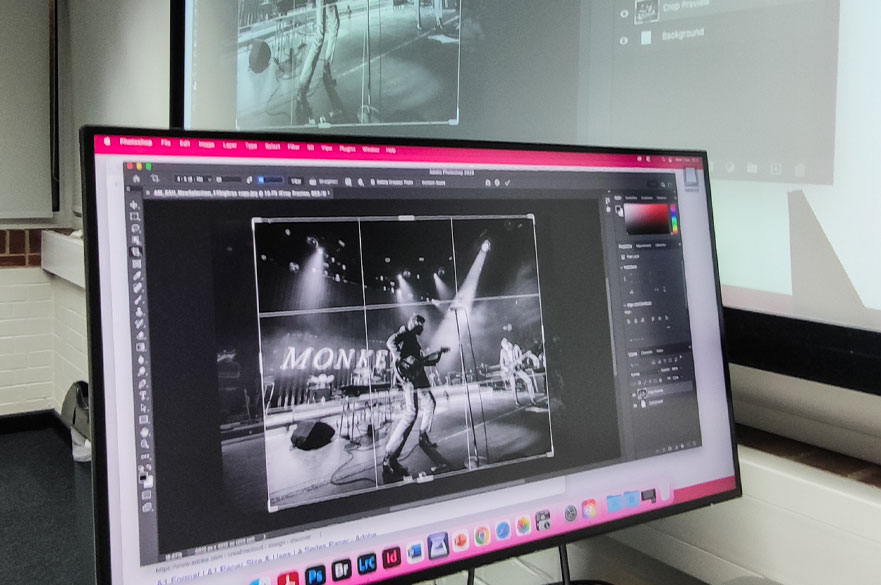
- Use Raw processing and Adobe Photoshop to enhance and manipulate your images
- Develop a personal style to your photography
- Create inspiring architectural images that have both an aesthetic and technical quality
- Learn how to effectively share your images to reach your desired audiences.
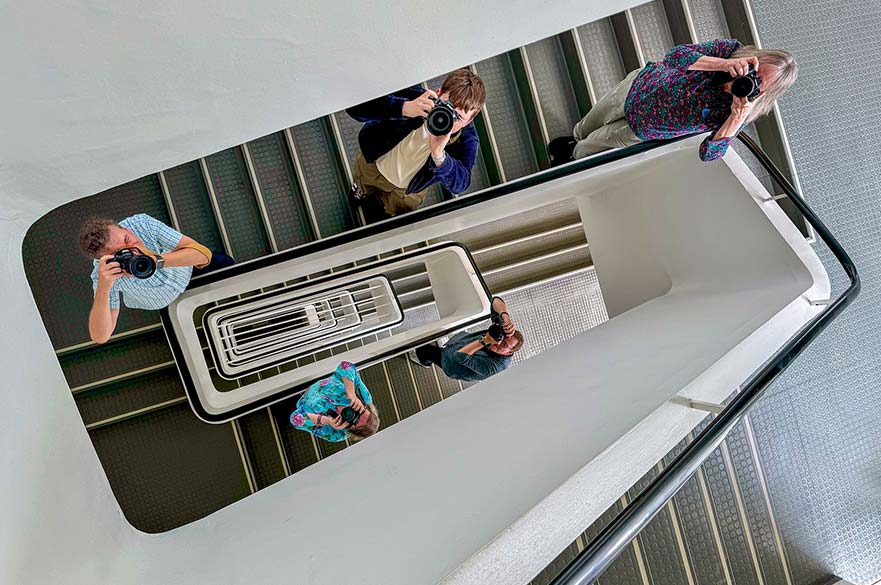
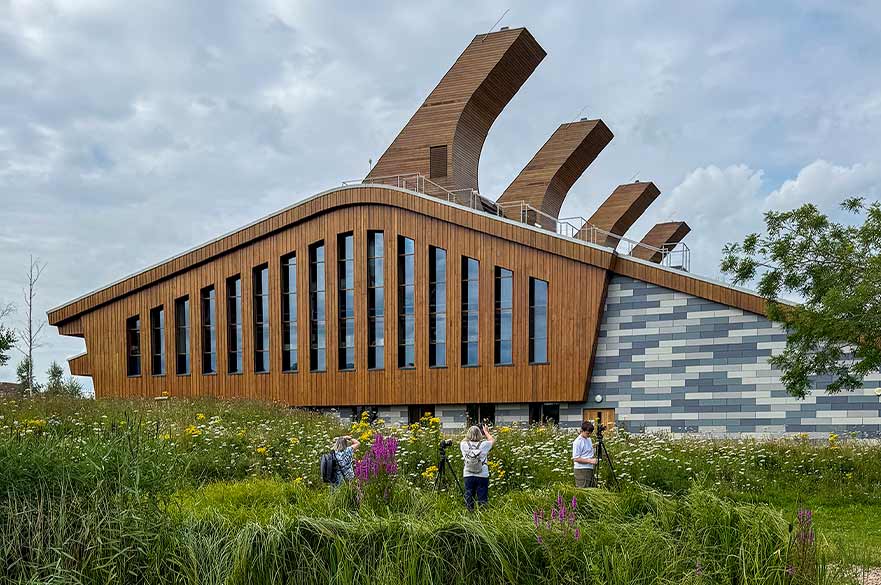
Student Work
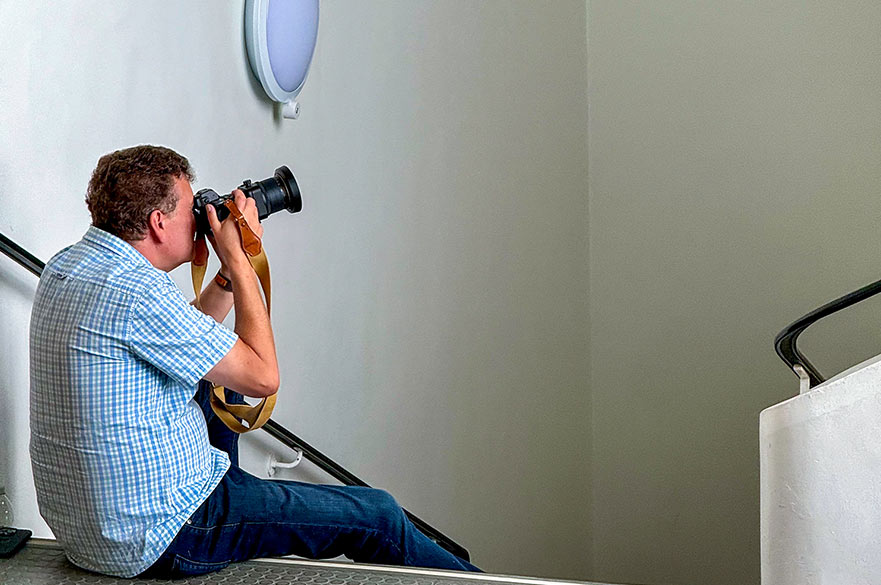
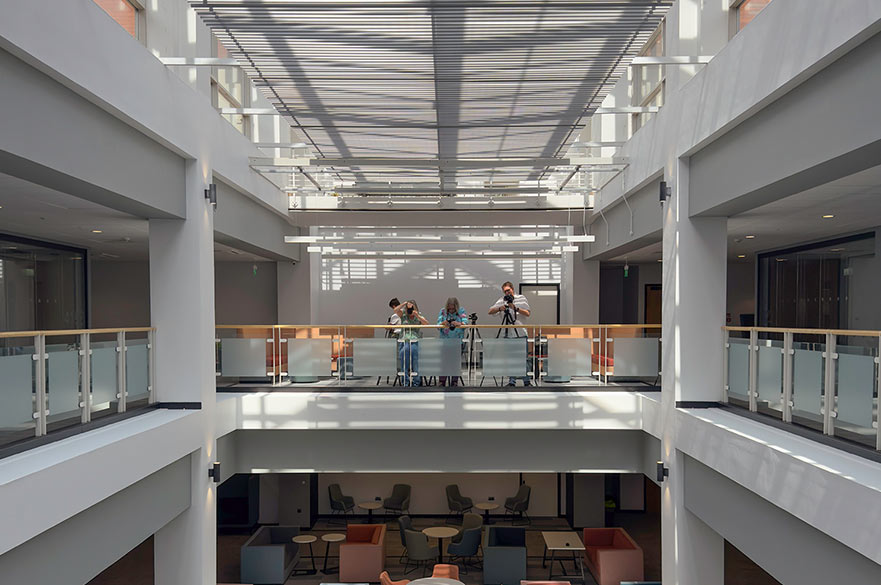
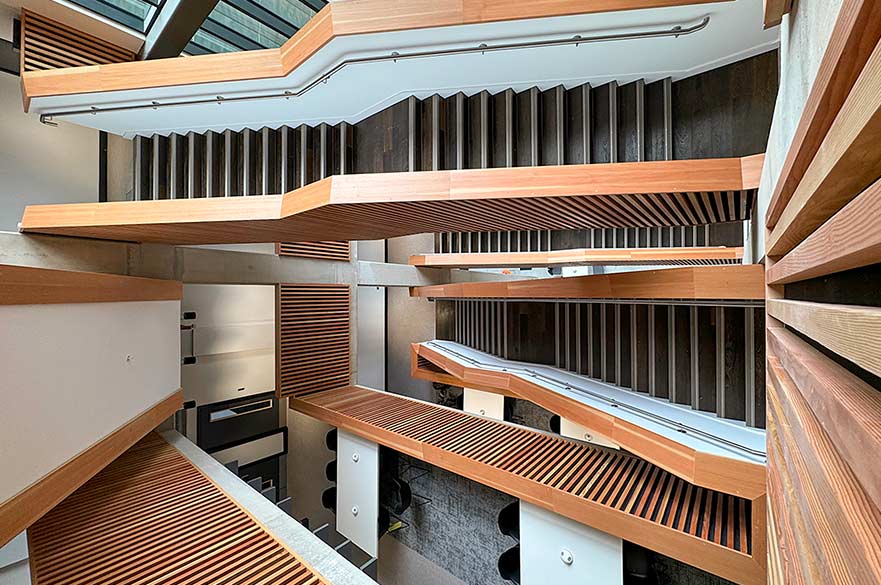
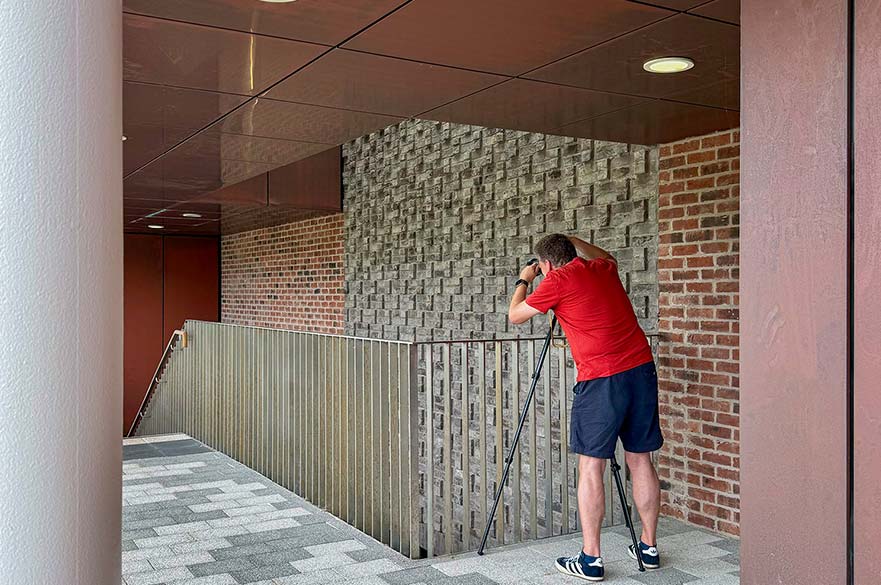
How you’re taught
This course will be delivered in person on Nottingham Trent University city campus.
Contact hours
You will receive 20 contact hours of quality tuition with an experienced tutor.
Careers and employability
Certificate of attendance and digital badge
Upon successful completion of the course, you will receive a digital certificate of attendance and a digital badge powered by Accredible.
Your digital credential is more than just a certificate – it’s secure, verifiable, and protected against fraud through encryption and blockchain technology.
They also come with detailed metadata, including an overview of the skills you have achieved on the course, evidence of completion, and assessment criteria if appropriate.
Share your achievements seamlessly with friends, customers, and potential employers online, and proudly add your badge or certificate to social media platforms such as LinkedIn, so all the right people can see it.
Campus and facilities
You will be based in the School of Art and Design on the City Campus.
You’ll find Mac suites equipped with industry standard software including Adobe Creative Cloud.
You will receive an email one week before the course starts with joining instructions on where to go for the first day.
You’ll also have access to our library to use outside of your short course; whilst you can’t reserve or take away books, you are welcome to use them as a resource for research and referencing.
Entry requirements
Confidence with your camera in manual mode is beneficial. This course is active: a good degree of walking is involved and it is suggested that those with mobility issues discuss their requirements ahead of booking.
You must be over the age of 18 in order to attend this course.
Fees and funding
The fee for this course is £695.
Payment is due at the time of booking - ask us if you'd prefer an invoice sent to your company.
Your course fees cover the cost of studies and include great benefits such as the use of our modern library and free use of the IT equipment and software on the campus during your course.
Please bring with you to the first session:
- a digital camera (DSLR or mirrorless is best) and your phone
- a USB stick/portable hard drive
- Laptop/tablet or notebook and pen
- Clothing and footwear suitable for indoor and outdoor exploration (may include grass)
- If you do not own a camera, we will be able to allocate you one for the course (please let us know in advance).
You can read the terms and conditions of booking here.
Looking for accommodation for a summer course?
You can read about short-stay options on the Visit Notts website:
How to apply
You can book your place via the NTU online store:
30 June - 3 July 2026, Tuesday to Friday 10 am - 4 pm, four days
Browse all our photography short courses.
Any questions?
Contact the short course team:
Email: creativeshortcourses@ntu.ac.uk
Tel: +44 (0)115 848 2813