Experiencing international law with NLS Summer School: a student’s perspective
Nottingham Law School (NLS) Summer Schools give students the unique opportunity to broaden their legal horizons by exploring the legal practice profession through a European lens. These immersive experiences combine academic learning with real-world insights, helping students deepen their understanding of international legal practice.
Published on 18 August 2025
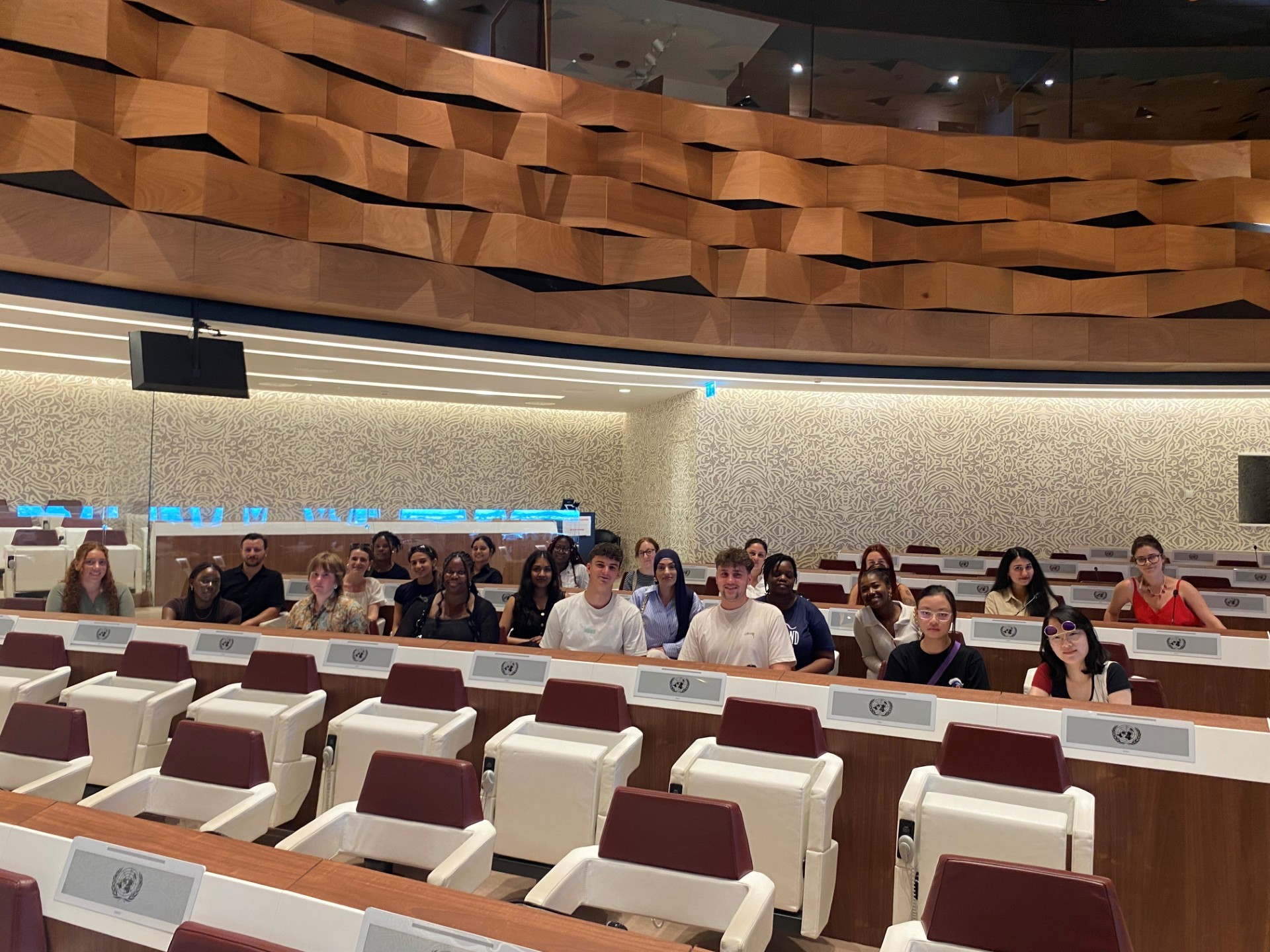
This past summer, NLS students went to Geneva for a programme centred on International Humanitarian Law. Law with Psychology student Aisha Komba shares her reflections on the trip and what she gained from the experience:
During my recent academic visit to Geneva, I had the privilege of studying International Humanitarian Law (IHL) while exploring the international institutions and historic landmarks that have shaped its legal framework. This immersive experience offered a unique opportunity to connect legal theory with practice, diplomacy, and global governance.
Exploring Geneva’s Historic Legacy and Geneva’s most symbolic landmarks:
The Reformation Wall, with figures like John Calvin and John Knox, reflects Geneva’s early role in shaping modern rights and legal systems. Nearby, the Equestrian Statue of Guillaume the Silent and Guillaume-Henri Dufour, marked with the Red Cross, honour Geneva’s humanitarian legacy and the roots of the First Geneva Convention. The striking Broken Chair outside the UN Office stands as a global symbol against landmines and for the protection of civilians — echoing key principles of International Humanitarian Law.
United Nations Office at Geneva (UNOG):
At the UN Office, we examined the role of multilateral diplomacy in addressing complex international issues, including conflict resolution, humanitarian crises, and global justice. We were given the privilege to listen in on a current, ongoing debate and were given a taste of how complex it is to gain all nations to come to examine the role of multilateral diplomacy in addressing complex international issues, including similar conclusions.
Musée d'ethnographie de Genève:
From Indigenous artefacts to modern soundscapes, this museum offers a powerful reminder of the interconnectedness of law, culture, and ethics. The vast number of creative media conveyed many wars and conventions that took place internationally, as far back as the early 1200s.
World Trade Organisation (WTO):
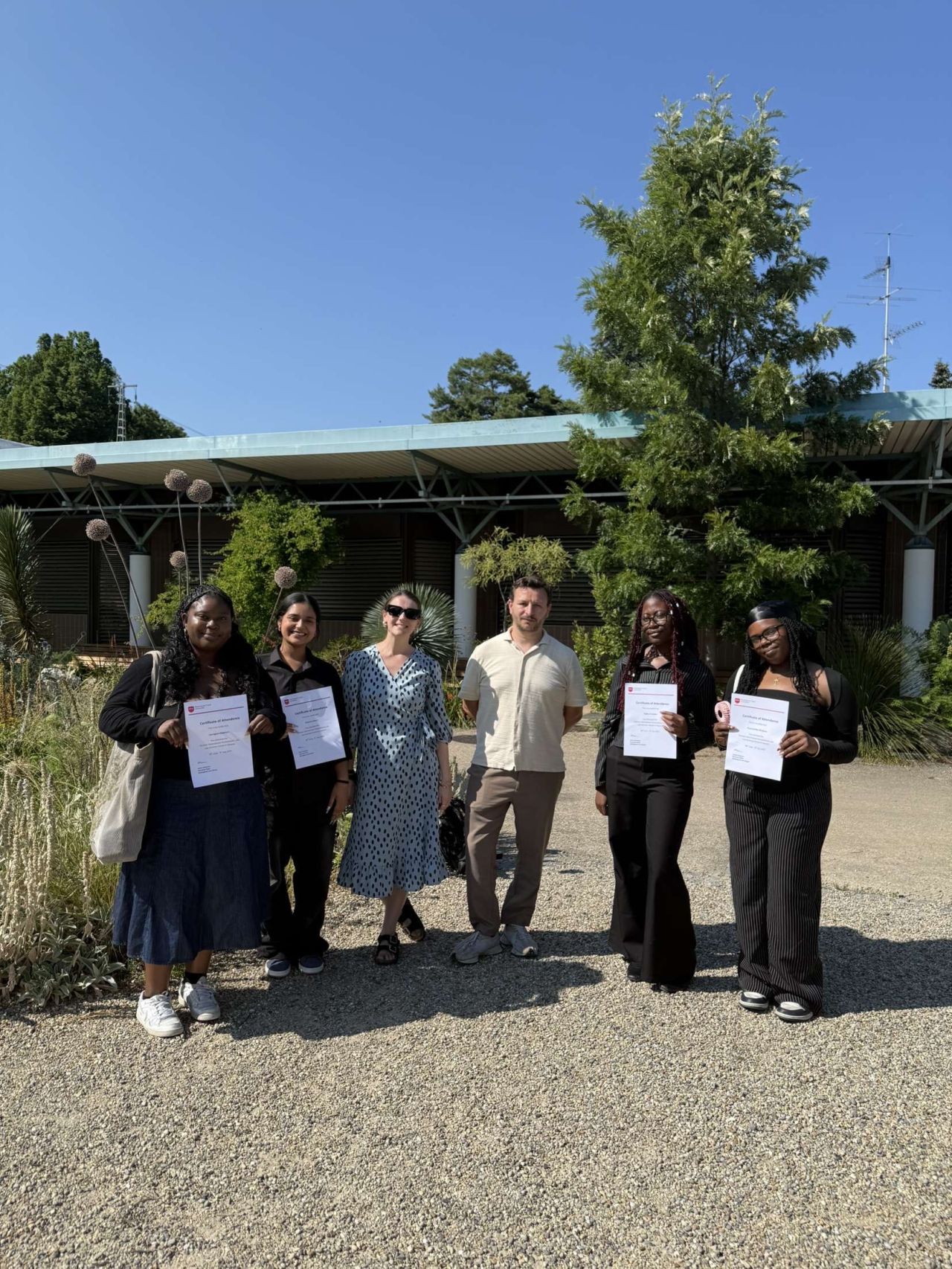
We were introduced to the Dispute Settlement Body, the WTO’s unique legal mechanism that ensures trade disagreements between member states are addressed fairly and according to the rule of law. Learning about real-world case examples showed how legal professionals play a vital role in balancing trade interests, resolving disputes, and shaping the global economy.
University Tasks:
One of the most engaging parts of the visit was a group simulation, where we were tasked with settling a hypothetical international war crimes case. This hands-on activity sharpened my understanding of international criminal law. It also highlighted the significance of state cooperation and the role of legal professionals in maintaining global peace and accountability.
This experience has been a turning point in my legal journey — providing a firsthand look at how international law, human rights, and humanitarian values are put into practice through institutions that truly shape our world. It has deepened my ambition to pursue a career that upholds justice, not only nationally, but globally.
I appreciate all my tour leaders and teachers who have supported us during this trip.
- Aisha Komba