Masters Showcase 2025 Student Showcase: Sam Ebrahimzadeh Pirshahid
Student Spotlight featuring MA Design: Products and Furniture student, Sam Ebrahimzadeh Pirshahid, and her project.
By Jon Duckworth | Published on 8 September 2025
Categories: Student Showcase;
The project
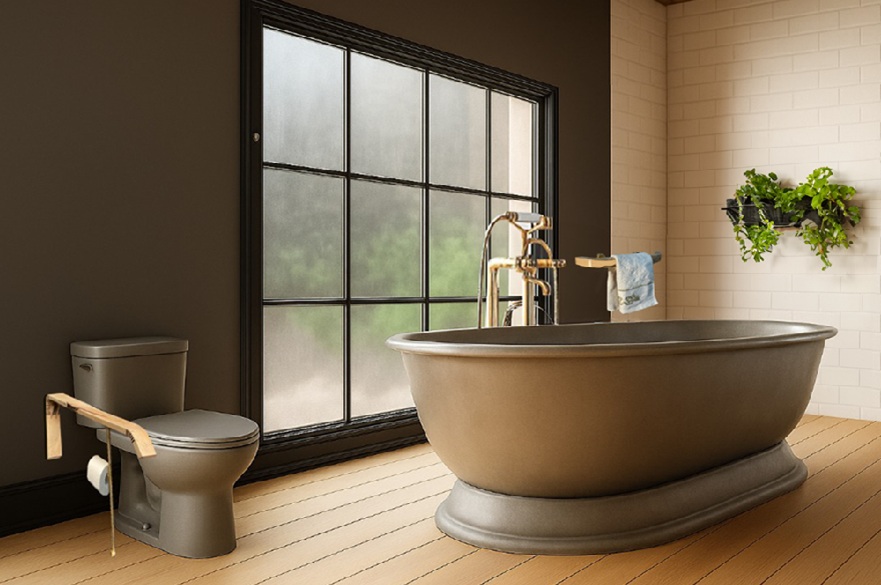
Samira was inspired by the growing need to rethink inclusive design for multigenerational homes, where elderly people share spaces with younger family members. She noticed that many assistive products, while functional, often carried a clinical or medical appearance that created stigma and reluctance to use them. This gap between safety and emotional acceptance motivated her to explore how design could move beyond function to also embrace dignity, culture, and beauty.
Sam's inspiration came from conversations with older adults and their families, where she heard personal stories of hesitation, pride, and the importance of feeling "at home" even when using assistive devices. Drawing on these insights, she looked to natural materials such as wood, and traditions of craftsmanship like Japanese joinery, to create a product that felt warm, familiar, and emotionally reassuring.
Samira’s vision was not only to design a bathroom grab bar that supports independence, but to transform it into an object that blends seamlessly into the home environment. By integrating biophilic principles and aesthetic sensitivity with ergonomic safety, her work shows how inclusive design can be both practical and deeply human.
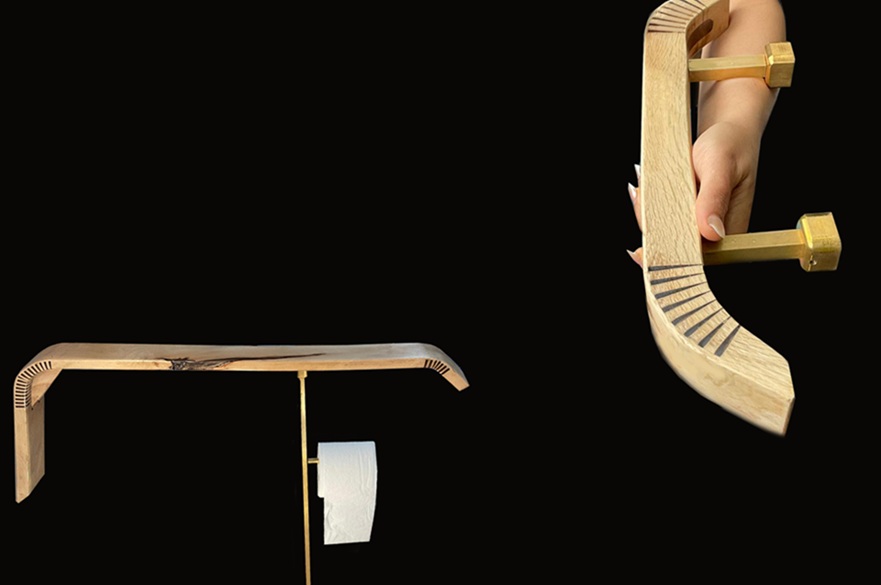
Samira wanted to design assistive devices that blend seamlessly into the home environment.
The inspiration behind the project
Samira's inspiration came from conversations with older adults and their families, where she heard personal stories of hesitation, pride, and the importance of feeling "at home" even when using assistive devices. Drawing on these insights, she looked to natural materials such as wood, and traditions of craftsmanship like Japanese joinery, to create a product that felt warm, familiar, and emotionally reassuring.
Samira’s vision was not only to design a bathroom grab bar that supports independence, but to transform it into an object that blends seamlessly into the home environment. By integrating biophilic principles and aesthetic sensitivity with ergonomic safety, her work shows how inclusive design can be both practical and deeply human.
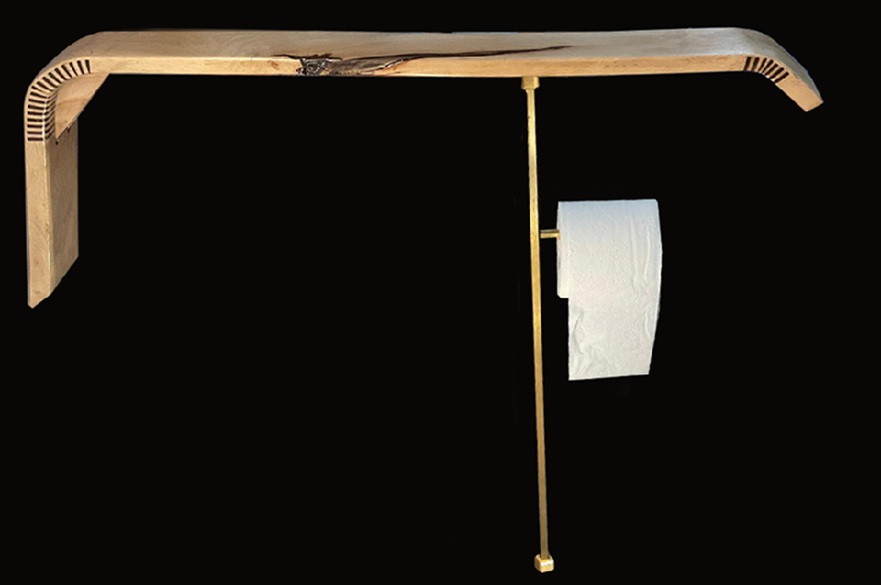
The handle needs to strong and durable while still being aesthetically pleasing.
Being part of NTU
Summing up her project, Samira says: "This has been especially meaningful because of my close connection with family life and the experiences of ageing relatives. Seeing the way assistive products are often rejected at home due to their clinical look inspired me to design something that feels warm, familiar, and acceptable for everyone. One of the biggest challenges was balancing beauty with safety — ensuring the handle was strong and durable while still being aesthetically pleasing. Through constant testing, feedback, and redesign, I’ve grown more confident in solving practical problems without losing sight of emotional design values. Overall, this project has pushed me to think more critically about people’s lived experiences and has been one of the most rewarding parts of my design journey."
She considers her time at NTU to have been a transformative and enriching experience, giving her the chance to learn not only from tutors and industry experts but also from peers from around the world with different cultural and creative perspectives.
“One of the most valuable personal skills I’ve developed is resilience. At times, the process felt overwhelming - balancing research, interviews, prototyping, and testing. But each challenge taught me to adapt and find creative solutions. I’ve also gained confidence in presenting my ideas, especially in English, which wasn’t always easy at first. Now I can share my vision more clearly and with pride.
“Most importantly, this degree has taught me that design is not just about objects - it’s about people, relationships, and emotions. Feeling part of a community of supportive mentors and peers has made me realise that even in difficult moments, collaboration and empathy can turn challenges into opportunities. That sense of belonging and shared purpose has been the highlight of my NTU journey."
Want to find out more?
Visit the Student Showcase website and follow our Instagram account for more student features.