Expert blog: ‘Parents must look after themselves too’ – why parental resilience matters in youth sport
Devesh Patel and Dr Julie Johnston on the importance of parental resilience in youth sport – and how parents can help to manage stressful moments while supporting their children
By By Devesh Patel and Dr Julie Johnston | Published on 20 April 2026
Categories: Press office; Research; School of Science and Technology;
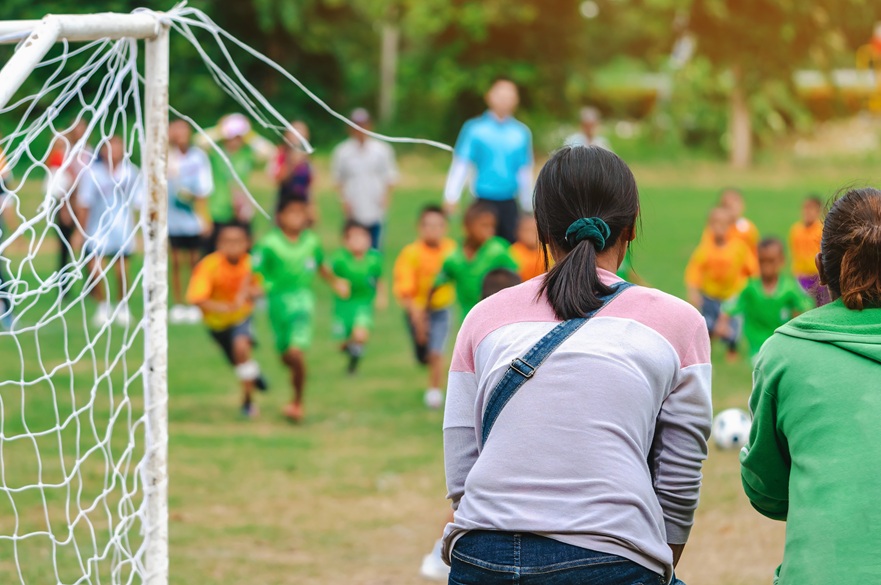
If you’ve ever supported a child through their sporting journey, you’ll know it isn’t always smooth sailing. Early‑morning training sessions, weekends spent travelling, financial pressures, and the emotional ups and downs - parents feel and have to deal with it all.
As part of our sports psychology research this led us to ask: could resilience be the key to navigating these challenges more effectively?
Advocated amongst coaches and athletes, research has highlighted how resilience enhances performance and well-being. Alternatively, within mainstream media, coaches and athletes have highlighted how resilience was a key ingredient in winning championships.
However, despite being such an integral part of youth sport, parents are often overlooked.
In addressing this issue, we wanted to explore if resilience could help parents manage the unique challenges they encounter within youth sport.
What We Learned from Listening to Parents
Throughout the research, one theme stood out clearly: supporting a child in sport is hard.
From the travel and financial commitments to juggling their own personal and work commitments, youth sport brings its stressors and strains for parents.
And when these stressors and strains build for parents, without the adequate support they require, it can affect how parents speak to their children during stressful sporting moments.
Parents speak about supporting their child a lot, and have to manage relationships with the many coaches their child has. However, they don’t really talk about their own well-being so much. They don’t really talk about looking after themselves.
And this is where our research comes in, looking to understand parental resilience in youth sport, and identify the qualities that assist parents in demonstrating resilience. We spoke to around 60 parents across sports including cricket, rugby, swimming, taekwondo, and gymnastics as part of our work.
What Parental Resilience Looks Like
Parental resilience requires parents to draw upon a range of qualities and strategies to manage stressful moments while still effectively supporting their child.
Parents highlighted several key qualities including:
- Accepting the highs and lows that naturally come with sport
- The need to adapt their support and change their course of action
- Leaning on their support network
- Keeping perspective and remaining positive when possible.
Whilst supporting their children was an essential component, one of the big takeaways from this study was that parents also must look after themselves too. In recent years, media discussions around mental health has largely focused on athletes. However, with the many pressures parents encounter, this study highlighted that parents face their own mental health challenges within youth sport.
Where do we go from here?
As a result of this research, a number of possible future opportunities were identified that could be taken. One promising direction is the development of an intervention, aiming to enhance parental resilience.
We believe that an intervention could take place at both an individual and environmental level. Individually, interventions could introduce methods to strengthen the qualities that allow parents to navigate their distinct stressful circumstances. For example, parents could make a note of their children’s successes (through taking photos or journalling) or when both a parent and their child have overcome a major hurdle within youth sport. By highlighting these achievements, this will increase a parent’s capability to remain positive when a future setback occurs.
Environmentally, interventions could focus on encouraging coaches and organisations to nurture a supportive community for parents, allowing them to share their experiences and seek advice. Furthermore, parents could also share their concerns amongst each other. As a problem shared is a problem halved, parents can then work collaboratively in navigating the many challenges that occur within youth sport.
Parents repeatedly shared how grateful they were to have their voices heard, and we hope to explore this topic further in future research.