Why are pets scared of fireworks – and how can we help them cope?
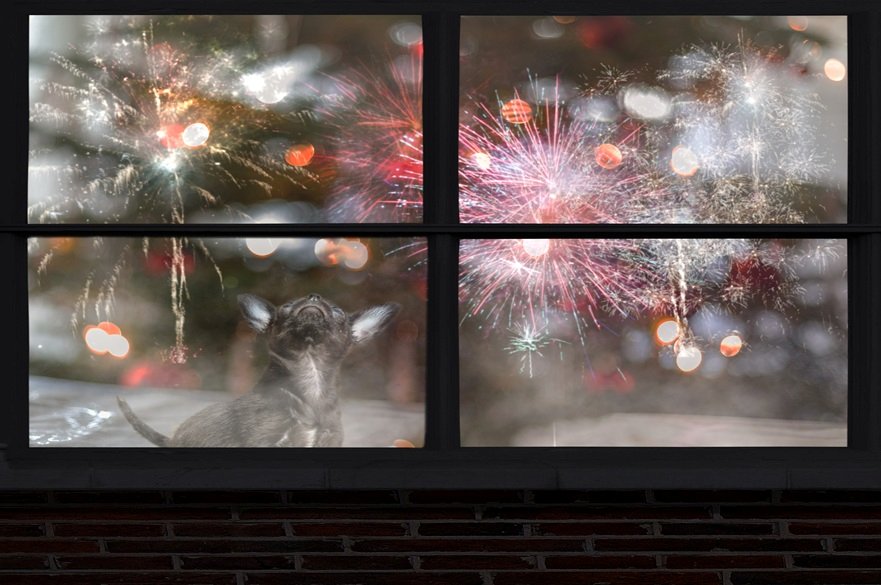
Fireworks might be an exciting spectacle for us, but for our pets they can be a frightening and stressful experience. Dr Jacqueline Boyd, an animal scientist at Nottingham Trent University, explains why fireworks can trigger fear and anxiety in animals and shares practical advice on how to keep pets safe, help them feel more secure and prepare them for firework season.
By Dr Jacqueline Boyd | Published on 15 October 2026
Categories: Press office; Research; School of Animal, Rural and Environmental Sciences;
What you need to know:
- Fireworks can trigger fear and anxiety in pets because their loud bangs, flashes and unpredictable sounds can be frightening.
- Preparing in advance, using training techniques and seeking veterinary advice where needed can help pets cope.
- Keeping pets secure, creating a safe place to hide and staying calm can help reduce their distress during firework displays.
- Pets that have been frightened by fireworks may need time to recover afterwards.
Fireworks are an integral part of many celebrations and cultural events. With their pretty colours, spectacular sights and big bangs, fireworks are a popular attraction for many people.
For many animals, however, fireworks are a source of fear and anxiety. While we humans can understand what is happening and why, pets, livestock and wildlife have no appreciation of the significance or purpose of fireworks.
Instead, fireworks are unpredictable, loud and visually startling. They also release toxic compounds into the environment, while litter and debris can create additional hazards.
So why are fireworks so frightening for our pets, and what can we do to help them cope with the flashes and bangs? Here is a guide to supporting your pet before, during and after firework season.
Why do fireworks frighten animals?
Fireworks are completely unpredictable, and their sights and sounds can provoke a startle response in both people and animals. This is when a sudden, strong stimulus causes the body to freeze, muscles to contract and the body to prepare for a potential threat.
If you have ever been surprised by a sudden loud bang, such as a car backfiring, you will have experienced the startle response and understand how unpleasant it can feel.
Now imagine being unable to work out where the sound came from or why it happened, and you can appreciate how many animals experience fireworks. We might know that our neighbour has a mini garden display planned, or that there is a local community event, but our pets do not.
Advances in firework technology have also resulted in louder and more spectacular fireworks. This is one reason why distress among pets and their owners around firework displays is increasingly recognised.
How can you tell if your pet is scared of fireworks?
For animals, fireworks are an extreme stimulus. Repetitive, unpredictable and dramatic sights and sounds can trigger a prolonged startle response, leading to further behavioural reactions, often described as firework fears or phobias.
Signs of distress can include:
- Trying to escape or hiding
- Vocalising, shaking or panting
- Destructive behaviour, such as pawing or digging at bedding
In some cases, animals have seriously harmed themselves or caused accidents while trying to escape fireworks.
It’s not just pets – fireworks can affect people too
People can also experience extreme distress because of fireworks. This might result from previous traumatic experiences, such as explosions, warfare or gun-related crime.
Continual exposure to firework noise has also been linked with poor mental health and negative cardiovascular outcomes. This means that careful consideration of firework use is beneficial for humans and animals alike.
Be aware, too, that distressed pets can behave unusually when frightened. Keep children and vulnerable people away from pets showing firework-related fear to reduce the risk of potentially harmful incidents.
Could pain be making your pet more sensitive to noise?
If your pet has suddenly started reacting badly to loud noises and you are worried about their response to fireworks, arrange a check-up with your veterinary surgeon.
Evidence indicates that pets experiencing chronic pain, caused by ongoing injuries or painful conditions such as osteoarthritis, often also show reactivity to sounds.
Pain management approaches recommended by your vet may therefore help support pets experiencing distress because of fireworks.
How can you prepare your pet for firework season?
If you already know that fireworks are a concern, there are strategies you can put in place ahead of anticipated events.
For young animals, early positive exposure to a variety of sights and sounds can help limit longer-term problems with noise sensitivity. You can also use sound recordings to help your pet become accustomed to unusual noises, pairing them with mealtimes, tasty treats or play.
Start with very low volumes and gradually increase them over time.
This can be an effective way to build resilience to firework sounds, and other frightening noises, using desensitisation and counterconditioning. Essentially, this involves teaching your pet that the noise is nothing to worry about and may predict something enjoyable.
An experienced trainer or behaviourist can also help you develop a plan tailored to your pet and your circumstances.
Could medication help calm your pet?
If you do not have time to implement a training plan well in advance of a firework event, seeking veterinary advice about medication that could help your pet cope is a good idea.
Some medications can sedate and relax your pet and may be a great short-term option. They must be prescribed by a vet and used under supervision.
For longer-term support, medication can also be combined with a behaviour modification plan for the best chance of success.
Avoid relying on supplements or over-the-counter ‘wonder’ products to keep your pet calm. Their use is rarely supported by robust evidence, and you may believe you are helping your pet when they are still deeply distressed.
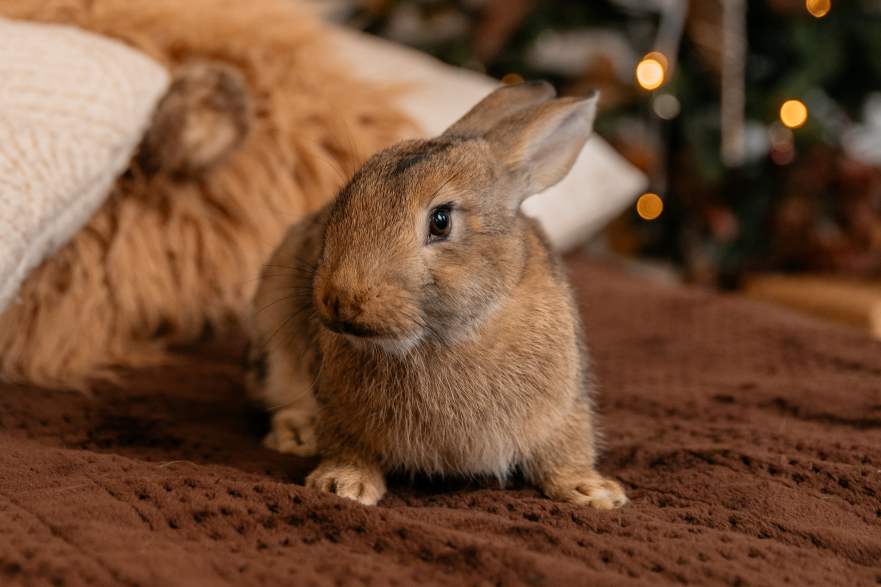
Bringing outdoor pets inside can minimise distress
How can you keep pets safe during fireworks?
For small outdoor pets, such as rabbits and chickens, bringing them indoors and muffling the sounds of fireworks can help minimise distress. It is also a good idea to keep cats and dogs securely indoors.
Every year, panicked dogs escape gardens and get lost during firework events. Make sure your garden is secure and only take your dog out on a lead after dark.
Check that your pet's collar identification tag contains up-to-date details to help them get safely home if they escape.
At home, some pets will appreciate a safe, dark place to hide until things calm down. You could create a den in a covered puppy crate or even behind the sofa.
Closing the curtains can reduce the flashes of fireworks and help muffle the noise. Turning on the television or radio, with louder percussive sounds such as drumming, can also disguise the whooshes and bangs from outside. Other pets might prefer calming music or the sound of someone talking.
For larger outdoor animals, such as horses and livestock, check that fencing is secure. Some animals may be safer with space to move around if they become distressed, while others might be better indoors. Assessing your own situation and how close you are to firework displays is important.
How can you reassure a frightened pet?
If your pet is worried and seeks reassurance from you, try to remain relaxed, calm and upbeat. Try to limit your own anxiety and concern, as these feelings can be transmitted to your pet. Animals are often very good at ‘reading’ our emotional states.
By providing kindness, compassion, safety and security, we can strengthen our relationship with our pets. This might involve physical interaction, vocal communication or distractions such as food enrichment, playing or training.
Why is it important to plan ahead?
Helping pets cope with fireworks often requires a long-term plan, particularly for animals that have had frightening experiences.
Be aware that after a stressful event, both animals and people can experience longer-term effects and may find it harder to cope with life for a few days.
If your pet has been deeply distressed by fireworks, give them time to decompress, relax and recover. Avoid exposing them to additional stressful events immediately afterwards.
Fireworks can be frightening, but with care, consideration and a little planning, we can make them less scary for our pets.
Dr Jacqueline Boyd is an animal scientist at Nottingham Trent University. Based in the School of Animal, Rural and Environmental Sciences, her research interests include animal biology and anthrozoology, the study of relationships between humans and animals. Jacqueline’s areas of expertise include dog health and welfare and zoology.