Network analysis of small community businesses in Kenyan slum neighbourhoods
A study by Nottingham Business School researchers mapped 11,297 transactions among 1,166 people and found out that the network is tighter and more cooperative than outsiders might expect.
Published on 6 October 2026
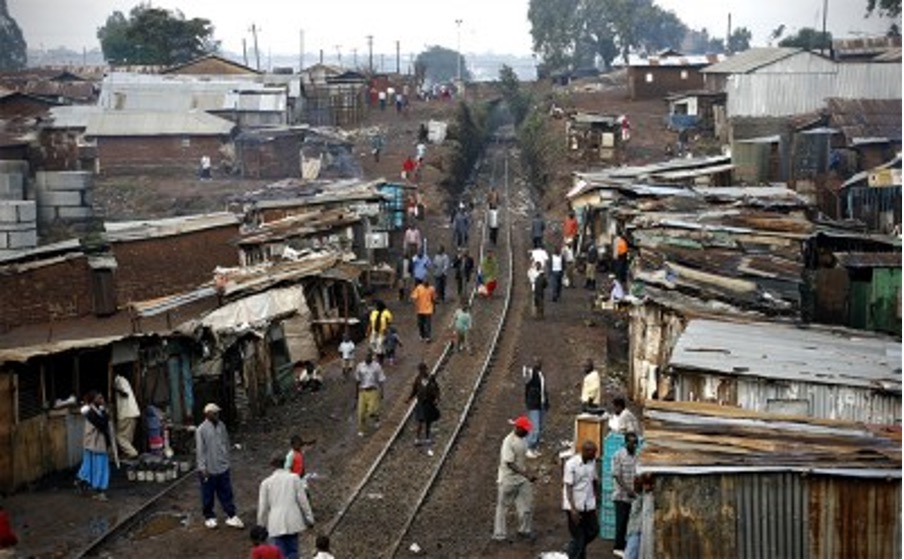
In Kenya, community-based small-to-medium enterprises (SMEs) that trade fish and vegetables generate sustainable income for their livelihoods while also serving their communities. A team at Nottingham Business School (NBS) produced research evidence demonstrating how slum communities trade with each other in networks established through a community-based currency built on a blockchain-like platform.
Associate Professor Amon Simba, Dr Yun He, Dr Preethi Misha and Dr Yan Wang presented the work on 26 June at the RISE AI conference. They used publicly available records of a Sarafu network, characterised by a community-based currency that allows slum dwellers to engage in trading essential commodities, including food, water, and firewood. The data covers 360 days, from July 2022 to June 2023. It lists 74 community-based voucher networks, 23,142 users and 199,907 transactions.
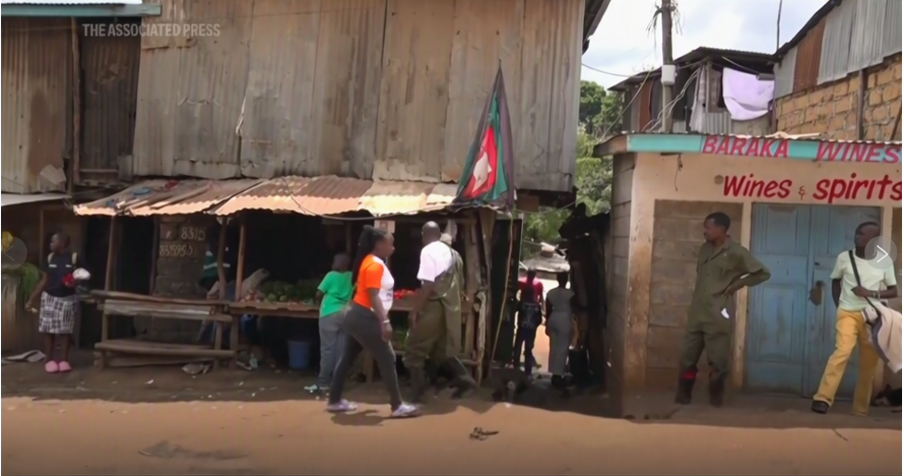
Farmers were the largest group of traders, accounting for about 30% of what was exchanged. Vegetables, firewood, food and water vendors followed with a slightly lower percentage. Casual labourers, motorbike "boda-boda," taxis and co-operative societies also appeared in the top ten. In Miyani, the village with the most users, fish, water and vegetable vendors sat at the centre of the web analysis. The researchers measured this with betweenness centrality, which scores how often a person lies on the shortest route between two others. The highest score in the network was 0.47 on a scale of 0 to 1. The team also found small clusters where money flowed toward co-operative societies, which, as the researchers describe, behaved like a shared pot.
The team found that trading relationships rest on basic needs and proximity to less-privileged communities. Ties also depend on personal acquaintance, location and circumstances. Moreover, in the absence of formal institutions, informal arrangements allow trade to flow.
Future research seeks to go beyond the analysis, which is based on transaction records so it shows who traded with whom, but also why. Additionally, about half of users have no recorded gender, and the researchers say future work should examine the demographics, individual behaviour and what drives it. They hope the findings will feed into debate among policymakers, NGOs and social commentators about how to improve welfare in slum informal communities.