Expert blog: Street harassment strategy is welcome, as long as those who abuse women and girls are dealt with swiftly
Associate Professor Loretta Trickett from Nottingham Law School reacts to the government announcement of a new strategy to tackle street harassment.
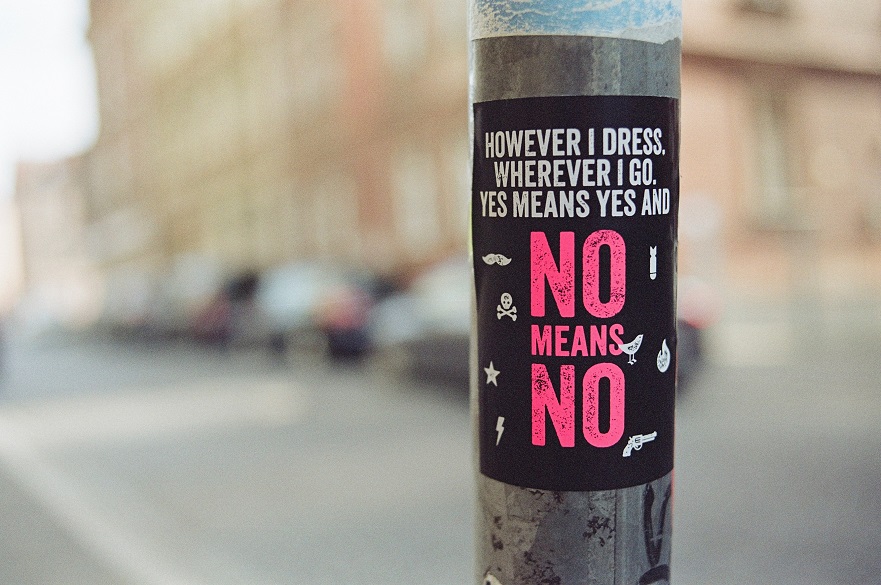
As authors of the Nottinghamshire Misogyny Hate Crime evaluation we welcome the long overdue Violence against Women and Girls strategy to address public forms of harassment.
Our research and that of others has clearly documented the extent and impact of this public harassment which fuels women’s fear of rape and reduces their use of public space.
However, the government has rejected calls for a specific offence of harassment recommended by campaigners.
Yet the recording of Misogyny Hate Crime was introduced by Nottinghamshire Police to acknowledge that existing offences such as public order, assault and battery were rarely used to tackle such offences.
Indeed, assault and battery under an Offences Against the Person Act hailing from 1861 are perhaps ill-equipped to deal with some modern forms of harassment and a new law would made the law simpler and more accessible.
Whatever law is used, men who abuse women and girls must be dealt with swiftly, with sentences reflecting the seriousness of behaviour and programmes addressing the motivational attitudes - more detailed proposals of offender prevention and management would be welcome.
Given the murder of Sarah Everard by a serving police officer, surely a much more holistic response is required. We have previously argued ‘women’s safety is everyone’s responsibility’ requiring multiple actions to complement proposed criminalisation. Public organisations must take responsibility to tackle gendered abuse and discrimination including councils, transport providers, retail, hospitality, leisure and night-time outlets and sporting venues as part of their operational mandates.
Freely available pornography through the internet and the objectification of women’s bodies in advertising and on social media sites must be also be tackled in the longer term.
Education is key – along with the University of Nottingham we are building induction materials for students around respect for all, elimination of harassment and abuse, healthy relationships and consent – many of which can be adapted for use in secondary and primary schools. Our educational resources include the use of an educational comic based on research with women and men including personal testimonies.
The new strategy is a step in the right direction, but a much bolder vision is required to address the seriousness and extent of the issue.
The educational resources have been created by Associate Professor Loretta Trickett from Nottingham Law School, Nottingham Trent University and Professor Louise Mullany from the University of Nottingham, following their investigation into street harassment in Nottinghamshire. The project considered the impact of the decision by Nottinghamshire Police to start recording offences motivated by misogyny hate crimes. The comic is based on the real-life experiences of the people surveyed by the team about street harassment.