Football injuries explained: causes, trends, and how science is helping prevent them
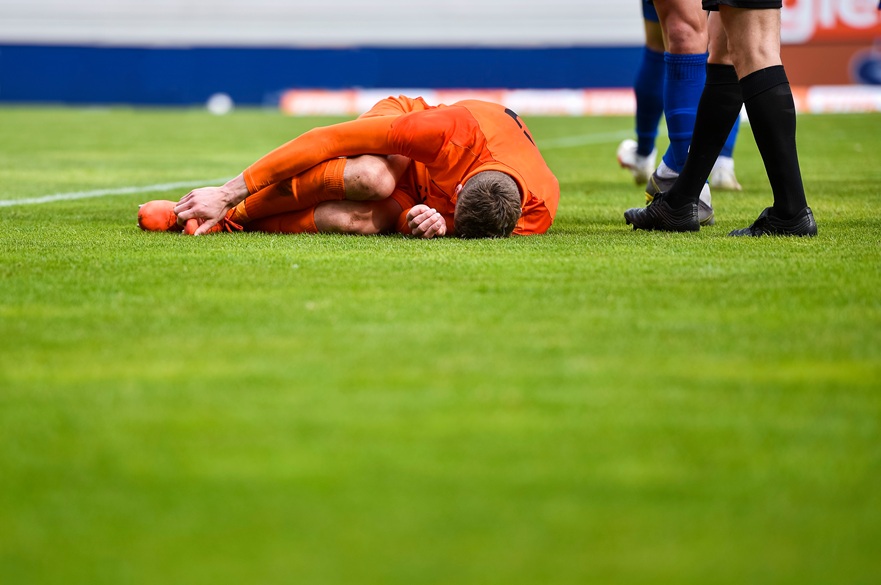
Football is faster and more physically demanding than ever - and injuries are one of the biggest challenges facing the modern game. Muscle strains, ligament damage and long-term rehabilitation can affect team performance, player welfare and club finances. As the FIFA World Cup 2026 gets underway, Professor Ian Varley – expert in football injury surveillance at Nottingham Trent University – explains why injuries happen, which are most common and how science is reducing the risk.
By Professor Ian Varley | Published on 15 June 2026
Categories: Press office; Research; School of Science and Technology;
What you need to know:
- Muscle injuries, particularly hamstring strains, are the most common injuries in professional football and are often linked to high speed dynamic actions.
- Ankle ligament injuries are also common, while anterior crucial ligament (ACL) injuries are less frequent but can keep players out for many months.
- Professional clubs use monitoring, strength training and recovery strategies to help reduce injury risk.
- Injury surveillance helps clubs and governing bodies understand trends, evaluate prevention strategies and ultimately improve player welfare.
What are the main causes of football injuries today?
Injuries in football are complex and rarely caused by a single factor. Key contributors to injury include inadequate recovery, previous injury history and periods of rapid increases in workload, and may be related to excessive training and match loads.
Individual factors such as strength deficits, movement quality, sleep, nutrition, and psychological stress can also influence injury risk. Environmental factors, meanwhile – including playing surfaces and travel demands – have also been shown to contribute to the complexity of injuries in elite football.
What are the most common types of injury in football today – and why?
Muscle injuries, particularly those affecting the hamstrings, are the most common injuries in professional football. These injuries are closely linked to the high-speed explosive movements, such as running, accelerations and decelerations that are required for success during training and matches.
Ligament injuries to the ankle are also common due to the dynamic and contact-based nature of the sport. Although less frequent, severe injuries such as anterior cruciate ligament (ACL) injuries, which have been shown to occur more in the women’s game compared to the men’s, cause substantial time-loss and result in protracted rehabilitation.
What is being done to prevent injuries and injury risk in football?
Professional clubs and governing bodies invest heavily in injury prevention through multidisciplinary approaches involving medical staff, sport scientists, coaches, nutritionists and psychologists. Strategies include load monitoring, strength and conditioning programmes, injury screening, recovery interventions and CPD for support staff.
Research-informed return-to-play processes are also used to reduce the risk of re-injury following rehabilitation. Despite this, injury prevention remains challenging because football injuries are influenced by numerous factors.
Why is monitoring injuries in football so important?
Monitoring injury and illness provides the evidence base needed to understand player health and identify emerging risks. Surveillance allows governing bodies, clubs and researchers to evaluate trends over time and assess the effectiveness of prevention strategies. Injury data can inform policy decisions relating to fixture scheduling, injury management, and ultimately player welfare.
From a club point of view, reducing injury incidence and burden can improve player availability, team performance, and potentially increase financial rewards. Ongoing surveillance helps ensure that decisions affecting players are guided by robust evidence rather than opinion or anecdote.
What does research tell us about football injuries?
Research conducted at Nottingham Trent University, often in collaboration with professional football stakeholders, has contributed significantly to understanding injury and illness epidemiology in elite football.
The work has characterised the injuries and illnesses that occur in English men’s and women’s professional football. NTU research has also explored specific injuries, such as concussion, and assessed injury incidence and burden over numerous seasons.
This body of work provides evidence that supports practical decision-making by clubs, governing bodies, and practitioners seeking to optimise both performance and player health.
What is the history of injuries in football – how have injuries changed over time and why?
Football has changed considerably over the last 20 years as the game has become faster and more physically demanding. However, research from elite football, both in England and Europe, demonstrates that while overall injury incidence has remained relatively stable, the nature of injuries has evolved, with muscle injuries particularly hamstring injuries, accounting for an increasing proportion of all time-loss injuries.
The severity or return to play time for football injuries is likely to be influenced by the medical care, sports science support, and specific rehabilitation processes that clubs are able to access. It has been proposed that fixture density may be contributing to injury risk, but more scientific evidence is needed to fully understand this.
Ian Varley is Professor of Applied Physiology and Sports Injury in Nottingham Trent University's School of Science and Technology, specialising in injury and illness surveillance, bone health and the genetic factors that influence injury risk. He has presented his work at major international sport science conferences and leads consultancy projects for professional sporting bodies, using research to support athlete health and performance.