Masters Showcase 2026 Student Showcase: Devraj Debnath
Student Spotlight featuring MSc Design: Products and Technology student, Devraj Debnath, and his project.
By Jon Duckworth | Published on 17 August 2026
Categories: Student Showcase; School of Architecture, Design and the Built Environment;
The project
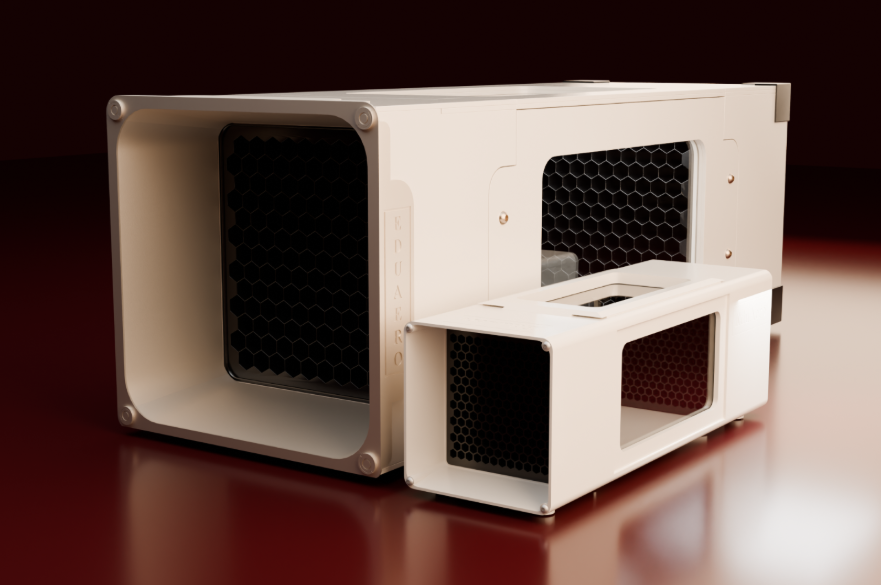
EDUAERO is a hands-on educational aerodynamics kit designed to make the behaviour of air something students can actually see, explore and understand. Instead of learning about airflow only through diagrams or equations, users can build the system themselves, experiment with different shapes and observe how air moves around them. This creates a practical understanding of aerodynamic forces such as lift, drag, thrust and weight, while encouraging curiosity and experimentation along the way.
Designed by MSc Design: Products and Technology student Devraj Debnath, the project is a modular DIY system and available in two formats. The smaller version can be produced entirely through 3D printing, while the larger version combines laser cut components with 3D printed joints and functional parts. In both cases, the user is involved in putting the system together, installing the electronics and getting it ready to operate. Building the kit is therefore part of the learning experience rather than simply a step before using it. Each stage gives the user an opportunity to understand how the system works and why its individual components matter.
Once assembled, EDUAERO uses a safe, water based mist and controlled illumination to make otherwise invisible airflow patterns visible. Users can change the shapes being tested and observe how the airflow responds. Additional modules can be incorporated to investigate pressure and measure forces such as lift and drag, allowing the system to move from simple visual exploration towards more structured experimentation.
The components have been designed to be standardised, affordable and easy to assemble, repair, replace or upgrade. The system is intended to withstand repeated cycles of building, use, disassembly and storage, while keeping safety in mind for younger users and different learning environments. Ultimately, EDUAERO is not just a model for demonstrating aerodynamics. It is a small, adaptable laboratory that gives students the opportunity to build, test, question and understand the science of air for themselves.
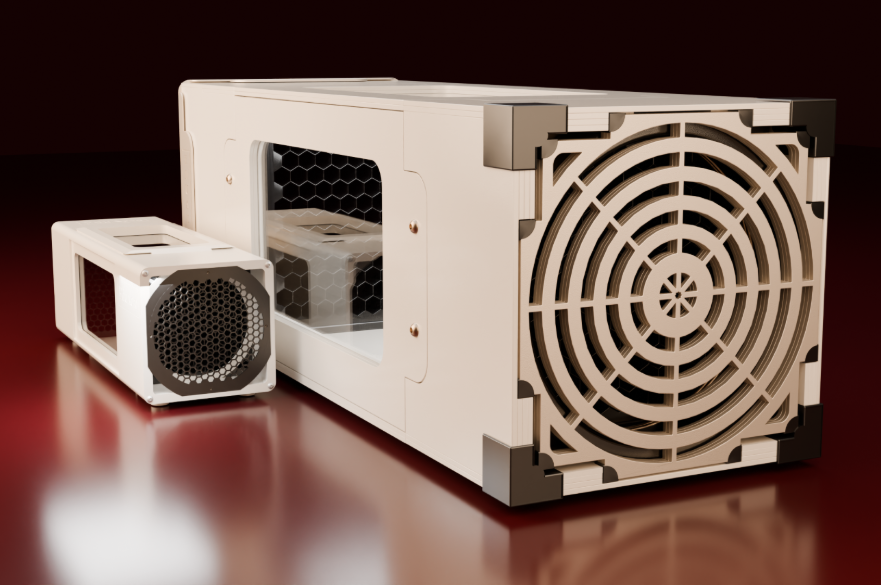
EDUAERO is a hands-on educational aerodynamics kit designed to give a practical understanding of aerodynamics. Image by Devraj Debnath.
The inspiration behind the project
For Devraj, the idea for EDUAERO stemmed from his own experience of learning mechanical engineering and his long standing interest in aerodynamics, particularly in motorsports. He explains:
"I have always been drawn to the way something as invisible as air can have such a visible effect on the movement and performance of a vehicle. What interested me was not just understanding the theory, but finding a way to make that behaviour something people could actually see and experiment with.
"While exploring existing products and educational models, I noticed a gap. Some of the available kits were affordable and easy to build, but often felt more like hobby projects than serious learning tools. At the other end, there were highly finished aerodynamic models that looked impressive but were expensive and primarily intended for display. I wanted to explore what could exist between these two extremes: something scientifically meaningful, visually considered and still accessible enough for students and curious learners to build themselves.
"That became the starting point for EDUAERO. I wanted the process of making the model to be as important as the final experiment. Building it, understanding how the parts work together, testing different forms and seeing how the airflow changes can turn a concept that is normally taught through diagrams into something much more tangible. The modular approach also came from wanting the system to grow with the user. Components can be replaced, modified or upgraded rather than treating the whole kit as a finished object.
"For me, EDUAERO is ultimately about making aerodynamics less distant and more approachable. It takes something that is usually invisible and difficult to grasp and gives the user a way to interact with it directly. That combination of engineering, making and curiosity is what led me to the project."
The project experience
Working on his project, Devraj was able to gain practical experience in 3D printing and using laser-cutting, vacuum forming, sanding, and mould-making equipment.
"One of the more interesting challenges was developing the system as a modular product rather than a collection of individual parts," he says. "I had to consider how components could be standardised, replaced, repaired and upgraded, as well as how the two versions of the kit could follow the same design principles while being manufactured differently. Electronics and sensors added another layer to the project, and learning how to integrate them into a physical product gave me a much better understanding of how mechanical and electronic systems come together."
The project also changed the way he thought about design.
"Decisions about safety, storage, cost, materials and even the visual character of the product had to work alongside its scientific purpose. Working on the CMF and visual presentation made me realise how much thought goes into making an educational product feel inviting without making it look like a toy."
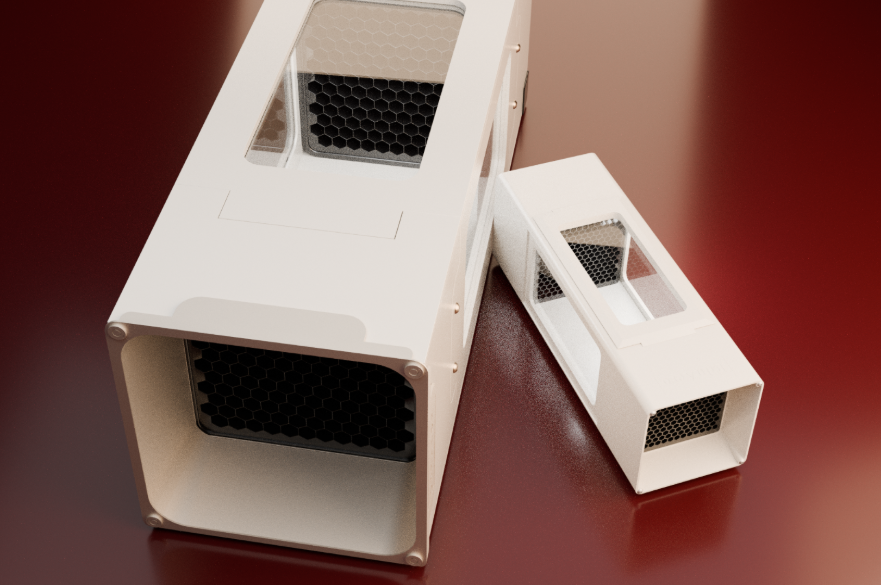
Devraj wanted to create an affordable learning tool with a quality finish. Image by Devraj Debnath.
Being part of NTU
Devraj says that studying MSc Design: Products and Technology has given him more independence.
"We are given guidance, but we are not simply given the answer. There is an expectation that we research, experiment, make mistakes and work out how to move forward. Initially, that can be challenging, but over time it has made me much more comfortable with uncertainty and with solving problems on my own.
"What I have appreciated just as much is the wider support at NTU. From the library and academic support to people who helped with photography, 3D design and other aspects of presenting a project, there always seemed to be someone willing to help. Even staff and tutors who were not directly involved with my work were approachable and encouraging.
"Overall, NTU has given me much more than a set of technical skills. It has made me more confident in taking an idea apart, questioning it, testing it and building it back better. I feel that I am leaving the course with a stronger understanding of both how to make a product and how to think about the person who will eventually use it."
Closing remarks
What advice would Devraj give to anyone considering following in his footsteps and studying MSc Design: Products and Furniture at NTU?
"My biggest advice would be to come with an open mind and be prepared to get involved. This is not a course where you can simply sit back, listen and expect someone to give you the answers. A lot of the learning comes from trying something, finding out that it does not work, figuring out why and trying again. It can be frustrating at times, but that process is where you grow."
He adds:
"I would also say that you should take ownership of your project. The more curiosity and effort you bring to it, the more you will get out of the course. Do not be afraid of changing an idea, making mistakes or going back to something you thought was finished. If you are willing to experiment and learn from the process, NTU gives you a really good environment to develop not just as a designer, but as someone who can think independently and turn ideas into meaningful products."
Want to find out more?
Visit the Student Showcase website and follow our Instagram account for more student features.