This course is in Clearing.
Offers from 64 tariff points
About this course
This Foundation Degree in Graphics and Digital Design is geared towards creating ambitious graduates for the graphic design industry. Studying in a creative technologies institute, you'll gain valuable skills and experience that reflect current and future industry practice, building a professional portfolio tailored to your aspirations. After successful completion, you'll have the option to go straight into a career or top-up to a full honours degree.
Our aim is to develop and create ambitious graduates for the graphic design industry. You’ll have the opportunity to gain advanced knowledge and skills in industry-standard design software packages including Adobe Photoshop, Illustrator, After Effects and InDesign, accessing s range of modern studio spaces.
Through live project briefs, we’ll push you to develop your research, critical discussion and presentation skills in seeking to solve a challenging design problem, whilst you’ll get an insight into how work is commissioned within the graphic design industry. We’ll develop your project management skills through collaborative projects, and you’ll be encouraged to take an experimental and creative approach to your work.
By the end of the two-year Foundation Degree, successful graduates will leave with a wide range of valuable skills, experience and knowledge, alongside a professional portfolio tailored to their career aspirations.
-

Gain hands-on industry experience
while you study, with industry opportunities built into the course to ensure you graduate with the practical skills needed to make it in the industry.
-

Use industry-standard equipment
Learn how to use specialist tech and equipment including Cinema 4D and Wacom drawing tablets.
-

Work on live briefs
set by industry giants to boost your CV and industry connections. Previous students have worked on briefs from big names including John Lewis and The National Trust.
-

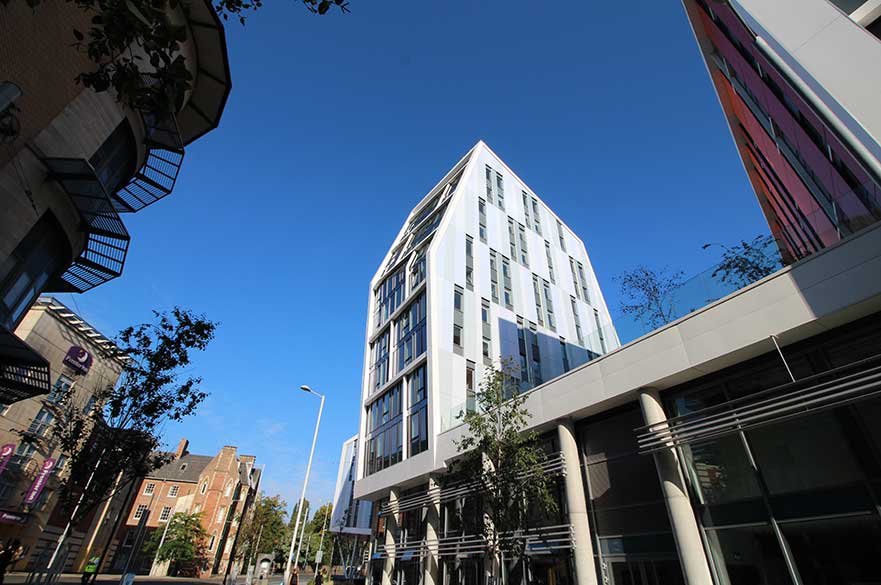
Study in the heart of Nottingham
One of Europe’s top 25 student cities, and home to over 75,000 learners.
Studying in the Department of Design and Digital Arts, you’ll learn the theories and techniques used in creative problem solving and explore the impact of emerging technologies on visual communication, such as advertising, branding, marketing, image creation, UX design and web design.
15
Module information
Here’s a breakdown of what you’ll be studying throughout the course:
Core modules
This module will explore some of the fundamental principles that underpin good, efficient and effective graphic design. The module will introduce students to established design theory whilst exploring the application of this theory in a real-world context.
Learners will engage in research and idea development and investigate a variety of design techniques through looking at established design theory and combining this with their own experiments whilst analysing and justifying approaches to their own work. Students will implement the techniques explored and reflect on the work they have produced.
40 credits
With a focus on 2D graphics production software learners will develop an understanding of physical and digital processes and make assessments of appropriateness of particular projects. Learners will choose appropriate tools and processes in their production of design work which responds to a chosen theme.
Learners will engage with a series of short, hands-on tasks designed to explore a variety of tools and processes, both physical and digital. Learners will choose appropriate tools for a project based on a chosen theme. Students will demonstrate confidence with chosen techniques, with choices driven by industry standards regardless of personal preferences.
40 credits
This module will explore the evolving processes and new technologies in the fast-changing world of Graphics and Digital Design and the technical issues that confront today's graphic designers.
Working collaboratively learners will develop research, critical discussion and presentation skills in seeking to solve a challenging design problem. Learners will develop solutions that thoughtfully consider the audience, client and market. Learners will collaborate as a team on generating ideas and proof of concept for a campaign which includes at least one print and one digital element. Learners must demonstrate professional, ethical and resourceful behaviour.
Learners will produce an individual written research report into the role of a designer considering the contribution of modern factors vs historical work including a case study into a particular design movement, and an analysis of a design problem considering the designers relationship with audience, client and market. Learners will develop a critical understanding of the range of conflicting factors associated audience, client and market.
20 credits
Together with the increase in transmission speeds there is a growing convergence of media and the quality of visual content plays an increasingly important role in the way we communicate to a wider range of audiences. The quality of visually received information is the responsibility of digital graphic designer. This module will allow leaners to explore the Graphics and Digital Design industry and how technology has altered the working practices of those employed within this industry.
Learners will research and develop ideas for a project driven by a client brief, developing ideas and conducting qualitative and quantitative research and producing sketchbooks and written summaries. Learners will then produce a final piece for the work which responds to the brief.
40 credits
credits
credits
credits
credits
credits
credits
credits
credits
credits
credits
credits
credits
credits
credits
credits
credits
credits
credits
credits
credits
credits
credits
credits
credits
credits
credits
credits
credits
credits
credits
credits
credits
credits
credits
credits
credits
credits
credits
credits
credits
credits
credits
credits
credits
credits
credits
credits
credits
credits
credits
credits
credits
credits
credits
credits
credits
credits
credits
credits
credits
credits
credits
credits
credits
credits
credits
credits
credits
credits
credits
credits
credits
credits
credits
credits
credits
credits
credits
credits
credits
credits
credits
credits
credits
credits
credits
credits
credits
credits
credits
credits
credits
credits
credits
credits
credits
credits
credits
credits
credits
credits
credits
credits
credits
credits
credits
credits
credits
credits
credits
credits
credits
credits
credits
credits
credits
credits
credits
credits
credits
credits
credits
credits
credits
credits
credits
credits
credits
credits
credits
credits
credits
credits
credits
credits
credits
credits
credits
credits
credits
credits
credits
credits
credits
credits
credits
credits
credits
credits
credits
credits
credits
credits
credits
credits
credits
credits
credits
credits
credits
credits
credits
credits
credits
credits
credits
credits
credits
credits
credits
credits
Core modules
The most successful professionals working in the design industry are those who adopt unconventional approaches to product design and allow their design journey to be influenced by experimentation. This module will introduce learners to existing designers whose work has transformed thinking around what constitutes effective graphic design.
Learners will embark on their own design journey, researching and exploring unconventional approaches and engaging in their own experimental approach. Learners will critically analyse the results of initial experimentation and make judgements about the most effective processes and techniques and apply these to a self-directed project. Learners will plan strategically and systematically, organising work so it can be understood easily by others.
40 credits
The world of 3D and interactivity has transformed the potential that Graphics and Digital Design has in conveying visual information to a variety of global audiences. In this module learners will explore the use of 3D and interactive design, including installation and educational platforms as well as interactive advertising.
Learners will initially produce a series of experiments using a variety of technology and processes, focussing on 3D and interactive design. Learners will explore possibilities associated including problem solving issues and produce a basic concept in response to a brief and experiment with visual outcomes before finally producing professional interactive design work that has social and cultural relevance.
40 credits
From politics to public policy to culture wars, design has been front and centre in the fight to sway public opinion. This module will allow learners to explore the social and political impact that graphic design has had, and continues to have.
Learners will research design in a cultural, economic and political context, exploring its wider impact and interplay between design and audience/client/market. Learners will then choose a theme to explore creatively, e.g. satire, promotion, and social change. The module will allow students to produce a body of work that allows for rich idea development, exploration of wider themes and problem solving.
20 credits
During this module, you will work on a series of live briefs, collaborating on creative projects, allowing you to directly apply the knowledge and skills learnt throughout the programme in the context of the workplace. This module aims to develop your overall professionalism and provide you with the knowledge and resources to begin a career in the creative industries.
The nature of creative industries is increasingly defined by freelance and self-employed models of work. Consequently, individuals seeking work in industry need to appreciate the pressures of working on multiple projects to strict deadlines and the subsequent demands this place on time and resources. This module is designed to develop these competencies by challenging you to respond to a range of live briefs, providing opportunities to apply your knowledge in realistic, industry-relevant contexts.
40 credits
credits
credits
credits
credits
credits
credits
credits
credits
credits
credits
credits
credits
credits
credits
credits
credits
credits
credits
credits
credits
credits
credits
credits
credits
credits
credits
credits
credits
credits
credits
credits
credits
credits
credits
credits
credits
credits
credits
credits
credits
credits
credits
credits
credits
credits
credits
credits
credits
credits
credits
credits
credits
credits
credits
credits
credits
credits
credits
credits
credits
credits
credits
credits
credits
credits
credits
credits
credits
credits
credits
credits
credits
credits
credits
credits
credits
credits
credits
credits
credits
credits
credits
credits
credits
credits
credits
credits
credits
credits
credits
credits
credits
credits
credits
credits
credits
credits
credits
credits
credits
credits
credits
credits
credits
credits
credits
credits
credits
credits
credits
credits
credits
credits
credits
credits
credits
credits
credits
credits
credits
credits
credits
credits
credits
credits
credits
credits
credits
credits
credits
credits
credits
credits
credits
credits
credits
credits
credits
credits
credits
credits
credits
credits
credits
credits
credits
credits
credits
credits
credits
credits
credits
credits
credits
credits
credits
credits
credits
credits
credits
credits
credits
credits
credits
credits
credits
credits
credits
credits
credits
credits
credits
credits
credits
credits
credits
credits
credits
credits
credits
credits
credits
credits
credits
credits
credits
credits
credits
credits
credits
credits
credits
credits
credits
credits
credits
credits
credits
credits
credits
credits
credits
credits
credits
credits
credits
credits
credits
credits
credits
credits
credits
credits
credits
credits
credits
credits
credits
credits
credits
credits
credits
credits
credits
credits
credits
credits
credits
credits
credits
credits
credits
credits
credits
credits
credits
credits
credits
credits
credits
credits
credits
credits
credits
credits
credits
credits
credits
credits
credits
credits
credits
credits
credits
credits
credits
credits
credits
credits
credits
credits
credits
credits
credits
credits
credits
credits
credits
credits
credits
credits
credits
credits
credits
credits
credits
credits
credits
credits
credits
credits
credits
credits
credits
credits
credits
credits
credits
credits
credits
credits
credits
credits
credits
credits
credits
credits
credits
credits
credits
credits
credits
credits
credits
credits
credits
credits
credits
credits
credits
credits
credits
credits
credits
credits
credits
credits
credits
credits
credits
credits
credits
credits
credits
credits
credits
credits
credits
credits
credits
credits
credits
credits
credits
credits
credits
credits
credits
credits
credits
credits
credits
credits
credits
credits
credits
credits
credits
credits
credits
credits
credits
credits
credits
credits
credits
credits
credits
credits
credits
credits
credits
credits
credits
credits
credits
credits
credits
credits
credits
credits
credits
credits
credits
credits
credits
credits
credits
credits
credits
credits
credits
credits
credits
credits
credits
credits
credits
credits
credits
credits
credits
credits
credits
credits
credits
credits
credits
credits
credits
credits
credits
credits
credits
credits
credits
credits
credits
credits
credits
credits
credits
credits
credits
credits
credits
credits
credits
credits
credits
credits
credits
credits
credits
credits
credits
credits
credits
credits
credits
credits
credits
credits
credits
credits
credits
credits
credits
credits
credits
credits
credits
credits
credits
credits
credits
credits
credits
credits
credits
credits
credits
credits
credits
credits
credits
credits
credits
credits
credits
credits
credits
credits
credits
credits
credits
credits
credits
credits
credits
credits
credits
credits
credits
credits
credits
credits
credits
credits
credits
credits
credits
credits
credits
credits
credits
credits
credits
credits
credits
credits
credits
credits
credits
credits
credits
credits
credits
credits
credits
credits
credits
credits
credits
credits
credits
credits
credits
credits
credits
credits
credits
credits
credits
credits
credits
credits
credits
credits
credits
credits
credits
credits
credits
credits
credits
credits
credits
credits
credits
credits
credits
credits
credits
credits
credits
credits
credits
credits
credits
credits
credits
credits
credits
credits
credits
credits
credits
credits
credits
credits
credits
credits
credits
credits
credits
credits
credits
credits
credits
credits
credits
credits
credits
credits
credits
credits
credits
credits
credits
credits
credits
credits
credits
credits
credits
credits
credits
credits
credits
credits
credits
credits
credits
credits
credits
credits
credits
credits
credits
credits
credits
credits
credits
credits
credits
credits
credits
credits
credits
credits
credits
credits
credits
credits
credits
credits
credits
credits
credits
credits
credits
credits
credits
credits
credits
credits
credits
credits
credits
credits
credits
credits
credits
credits
credits
credits
credits
credits
credits
credits
credits
credits
credits
credits
credits
credits
credits
credits
credits
credits
credits
credits
credits
credits
credits
credits
credits
credits
credits
credits
credits
credits
credits
credits
credits
credits
credits
credits
credits
credits
credits
credits
credits
credits
credits
credits
credits
credits
credits
credits
credits
credits
credits
credits
credits
credits
credits
credits
credits
credits
credits
credits
credits
credits
credits
credits
credits
credits
credits
credits
credits
credits
credits
credits
credits
credits
credits
credits
credits
credits
credits
credits
credits
credits
credits
credits
credits
credits
credits
credits
credits
credits
credits
credits
credits
credits
credits
credits
credits
credits
credits
credits
credits
credits
credits
credits
credits
credits
credits
credits
credits
credits
credits
credits
credits
credits
credits
credits
credits
credits
credits
credits
credits
credits
credits
credits
credits
credits
credits
credits
credits
credits
credits
credits
credits
credits
credits
credits
credits
credits
credits
credits
credits
credits
credits
credits
credits
credits
credits
credits
credits
credits
credits
credits
credits
credits
credits
credits
credits
credits
credits
credits
credits
credits
credits
credits
credits
credits
credits
credits
credits
credits
credits
credits
credits
credits
credits
credits
credits
credits
credits
credits
credits
credits
credits
credits
credits
credits
credits
credits
credits
credits
credits
credits
credits
credits
credits
credits
credits
credits
credits
credits
credits
credits
credits
credits
credits
credits
credits
credits
credits
credits
credits
credits
credits
credits
credits
credits
credits
credits
credits
credits
credits
credits
credits
credits
credits
credits
credits
credits
credits
credits
credits
credits
credits
credits
credits
credits
credits
credits
credits
credits
credits
credits
credits
credits
credits
credits
credits
credits
credits
credits
credits
credits
credits
credits
credits
credits
credits
credits
credits
credits
credits
credits
credits
credits
credits
credits
credits
credits
credits
credits
credits
credits
credits
credits
credits
credits
credits
credits
credits
credits
credits
credits
credits
credits
credits
credits
credits
credits
credits
credits
credits
credits
credits
credits
credits
credits
credits
credits
credits
credits
credits
credits
credits
credits
credits
credits
credits
credits
credits
credits
credits
credits
credits
credits
credits
credits
credits
credits
credits
credits
credits
credits
credits
credits
credits
credits
credits
credits
credits
credits
credits
credits
credits
credits
credits
credits
credits
credits
credits
credits
credits
credits
credits
credits
credits
credits
credits
credits
credits
credits
credits
credits
credits
credits
credits
credits
credits
credits
credits
credits
credits
credits
credits
credits
credits
credits
credits
credits
credits
credits
credits
credits
credits
credits
credits
credits
credits
credits
credits
credits
credits
credits
credits
credits
credits
credits
credits
credits
credits
credits
credits
credits
credits
credits
credits
credits
credits
credits
credits
credits
credits
credits
credits
credits
credits
credits
credits
credits
credits
credits
credits
credits
credits
credits
credits
credits
credits
credits
credits
credits
credits
credits
credits
credits
credits
credits
credits
credits
credits
credits
credits
credits
credits
credits
credits
credits
credits
credits
credits
credits
credits
credits
credits
credits
credits
credits
credits
credits
credits
credits
credits
credits
credits
credits
credits
credits
credits
credits
credits
credits
credits
credits
credits
credits
credits
credits
credits
credits
credits
credits
credits
credits
credits
credits
credits
credits
credits
credits
credits
credits
credits
credits
credits
credits
credits
credits
credits
credits
credits
credits
credits
credits
credits
credits
credits
credits
credits
credits
credits
credits
credits
credits
credits
credits
credits
credits
credits
credits
credits
credits
credits
credits
credits
credits
credits
credits
credits
credits
credits
credits
credits
credits
credits
credits
credits
credits
credits
credits
credits
credits
credits
credits
credits
credits
credits
credits
credits
credits
credits
credits
credits
credits
credits
credits
credits
credits
credits
credits
credits
credits
credits
credits
credits
credits
credits
credits
credits
credits
credits
credits
credits
credits
credits
credits
credits
credits
credits
credits
credits
credits
credits
credits
credits
credits
credits
credits
credits
credits
credits
credits
credits
credits
credits
credits
credits
credits
credits
credits
credits
credits
credits
credits
credits
credits
credits
credits
credits
credits
credits
credits
credits
credits
credits
credits
credits
credits
credits
credits
credits
credits
credits
credits
credits
credits
credits
credits
credits
credits
credits
credits
credits
credits
credits
credits
credits
credits
credits
credits
credits
credits
credits
credits
credits
credits
credits
credits
credits
credits
credits
credits
credits
credits
credits
credits
credits
credits
credits
credits
credits
credits
credits
credits
credits
credits
credits
credits
credits
credits
credits
credits
credits
credits
credits
credits
credits
credits
credits
credits
credits
credits
credits
credits
credits
credits
credits
credits
credits
credits
credits
credits
credits
credits
credits
credits
credits
credits
credits
credits
credits
credits
credits
credits
credits
credits
credits
credits
credits
credits
credits
credits
credits
credits
credits
credits
credits
credits
credits
credits
credits
credits
credits
credits
credits
credits
credits
credits
credits
credits
credits
credits
credits
credits
credits
credits
credits
credits
credits
credits
credits
credits
credits
credits
credits
credits
credits
credits
credits
credits
credits
credits
credits
credits
credits
credits
credits
credits
credits
credits
credits
credits
credits
credits
credits
credits
credits
credits
credits
credits
credits
credits
credits
credits
credits
credits
credits
credits
credits
credits
credits
credits
credits
credits
credits
credits
credits
credits
credits
credits
credits
credits
credits
credits
credits
credits
credits
credits
credits
credits
credits
credits
credits
credits
credits
credits
credits
credits
credits
credits
credits
credits
credits
credits
credits
credits
credits
credits
credits
credits
credits
credits
credits
credits
credits
credits
credits
credits
credits
credits
credits
credits
credits
credits
credits
credits
credits
credits
credits
credits
credits
credits
credits
credits
credits
credits
credits
credits
credits
credits
credits
credits
credits
credits
credits
credits
credits
credits
credits
credits
credits
credits
credits
credits
credits
credits
credits
credits
credits
credits
credits
credits
credits
credits
credits
credits
credits
credits
credits
credits
credits
credits
credits
credits
credits
credits
credits
credits
credits
credits
credits
credits
credits
credits
credits
credits
credits
credits
credits
credits
credits
credits
credits
credits
credits
credits
credits
credits
credits
credits
credits
credits
credits
credits
credits
credits
credits
credits
credits
credits
credits
credits
credits
credits
credits
credits
credits
credits
credits
credits
credits
credits
credits
credits
credits
credits
credits
credits
credits
credits
credits
credits
credits
credits
credits
credits
credits
credits
credits
credits
credits
credits
credits
credits
credits
credits
credits
credits
credits
credits
We regularly review our course content based on student and employer feedback to ensure they remain current and relevant. This may result in changes to module content or availability in future years. Optional modules will only run where there is sufficient demand. This will be determined on a case-by-case basis to protect the academic and student experience.
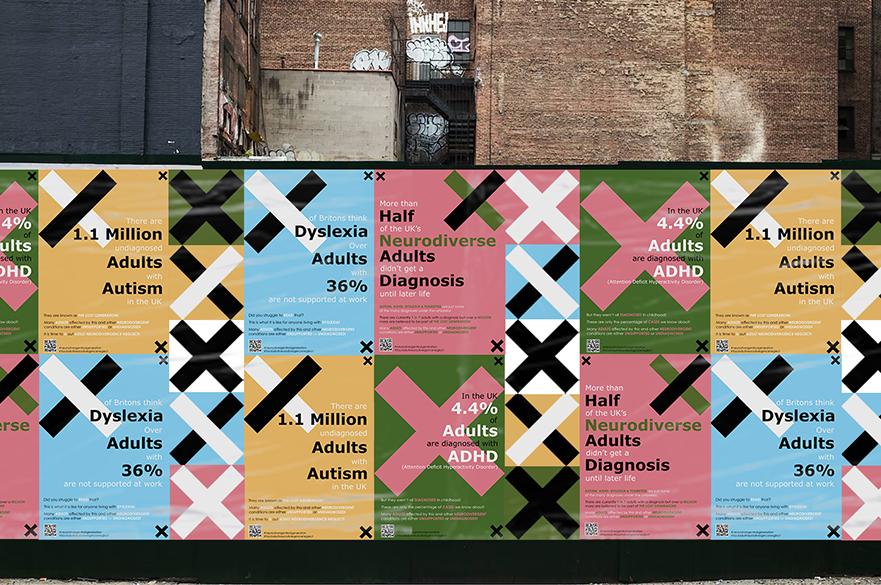
Student Work
How you're taught
Within individual modules the delivery of the material encourages increasing levels of skill development and student participation, ensuring that, as you progress through the course, you become a more confident and independent learner. We aim to include a range of methods of delivery that may include;
- Lectures
- Seminars
- Workshop
- Group tutorials
- Academic Tutorials
- Presentations and pitches
- Team working
- Independent learning
- Visiting industry professionals.
All the modes of delivery are structured to develop on-going abilities and skills through exploring ideas and problem solving. The course will offer a broad range of assessment methods.
Showcase
You will be given the opportunity to exhibit your work during your time at NTU to members of the creative industries.
Artificial Intelligence and Innovation in Graphics and Digital Design
Alongside developing proficiency in relevant industry-standard software, the course actively integrates emerging technologies, including AI, to ensure students are equipped with the skills and insight needed for the future of creative industries. Through workshops, lectures, and industry collaborations, students will have opportunities to explore and critically evaluate the role of these tools in the creative process, while also considering the ethical implications of their use within their practice.
Find out more about AI, Creativity and Innovation at the Nottingham School of Art & Design
How you're assessed
A variety of formative and summative assessment methods will be employed throughout the course such as:
- presentations
- idea development
- research led projects
- live briefs
- essays
- reports.
Each assessment undertaken for each module will enable you to develop specific skills required by a graphic designer.
Contact hours
For each 20-credit module, you’ll spend about 200 hours learning overall. Around 40 of those hours will be taught in lectures or seminars. The rest of the time is for independent study, reading, research, or working on assignments.
Who will teach you?



Entry requirements
This course is in Clearing
Looking for a place in Clearing? We are accepting applications and would love to hear from you!
UK students
Clearing requirements
From 64 UCAS tariff points from up to qualifications.
To discuss our entry requirements and see what we can offer you, call us now on +44 (0)115 848 6000. Alternatively, if you already have your qualifications, apply online via our Clearing Application form.
Additional requirements for UK students
There are no additional requirements for this course.
Contextual offers
We consider every application in the context of your individual circumstances and educational background. This may include information about where you live, the school or college you attended, or experiences that may have shaped your educational journey. This is known as a contextual offer, and we use information provided through UCAS to help inform our decisions. By considering achievement in context, we can better recognise academic potential and ensure applicants are assessed as fairly and fully as possible. Please note we do not make contextual offers during Clearing.
Other qualifications and experience
NTU welcomes applications from students with non-standard qualifications and learning backgrounds, either for year one entry or for advanced standing beyond the start of a course into year 2 or beyond.
We consider study and/or credit achieved from a similar course at another institution (otherwise known as credit transfer), vocational and professional qualifications, and broader work or life experience.
Our Recognition of Prior Learning and Credit Transfer Policy outlines the process and options available for this route. If you wish to apply via Recognition of Prior Learning, please contact the central Admissions and Enquiries Team who will be able to support you through the process.
Getting in touch
If you need more help or information, get in touch through our enquiry form.
International students
Clearing requirements
From 64 UCAS tariff points from up to qualifications.
To discuss our entry requirements and see what we can offer you, call us now on +44 (0)115 848 6000. Alternatively, if you already have your qualifications, apply online via our Clearing Application form.
This course is not suitable for International applicants.
Additional requirements for international students
There are no additional requirements for this course.
English language requirements
View our English language requirements for all courses, including alternative English language tests and country qualifications accepted by the University.
If you need help achieving the language requirements, we offer a Pre-Sessional English for Academic Purposes course on our City campus which is an intensive preparation course for academic study at NTU.
Other qualifications and experience
If you have the right level of qualifications, you may be able to start your Bachelors degree at NTU in year 2 or year 3. This is called ‘advanced standing’ entry and is decided on a case-by case basis after our assessment of your qualifications and experience.
You can view our Recognition of Prior Learning and Credit Transfer Policy which outlines the process and options available, such as recognising experiential learning and credit transfer.
Sign up for emails
Sign up to receive regular emails from the International Office. You'll hear about our news, scholarships and any upcoming events in your country with our expert regional teams.
Getting in touch
If you need advice about studying at NTU as an international student or how to apply, our international webpages are a great place to start. If you have any questions about your study options, your international qualifications, experience, grades or other results, please get in touch through our enquiry form. Our international teams are highly experienced in answering queries from students all over the world.
Policies
We strive to make our admissions procedures as fair and clear as possible. To find out more about how we make offers, visit our admissions policies page.