About this course
Over the next ten years, artificial intelligence (AI) is expected to create new jobs, improve productivity, help tackle climate change and deliver better public services. The UK government are also heavily investing in AI growth through its AI Sector Deal.
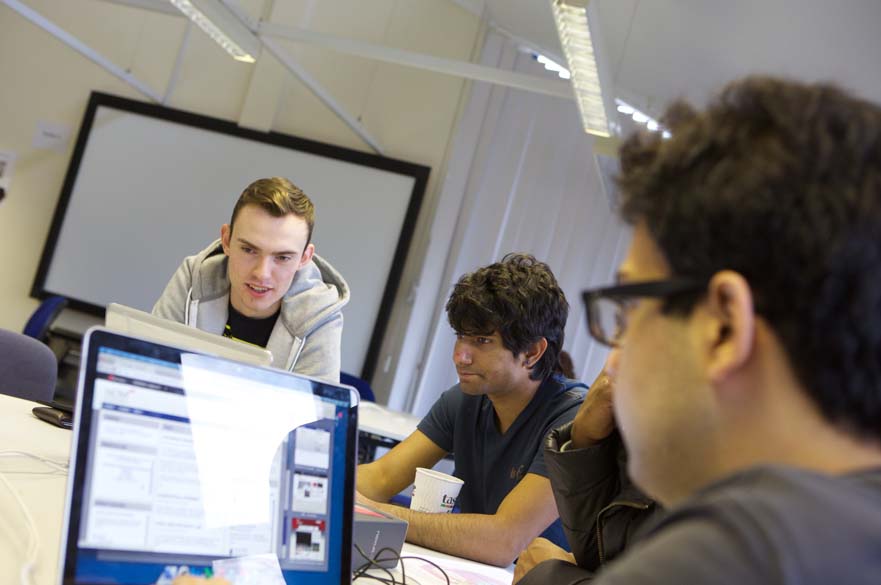
In this course, you'll learn how to deploy, manage, and maintain AI technologies within the business value chain. You will gain the skills to work as part of an interdisciplinary team that include AI expert practitioners, who will be tasked with designing and developing systems that meet business requirements.
When you graduate, you will understand AI principles, concepts, techniques and methods to support the integration of fully developed AI technologies into existing information technology systems by adapting the existing systems to interface with the new technologies.
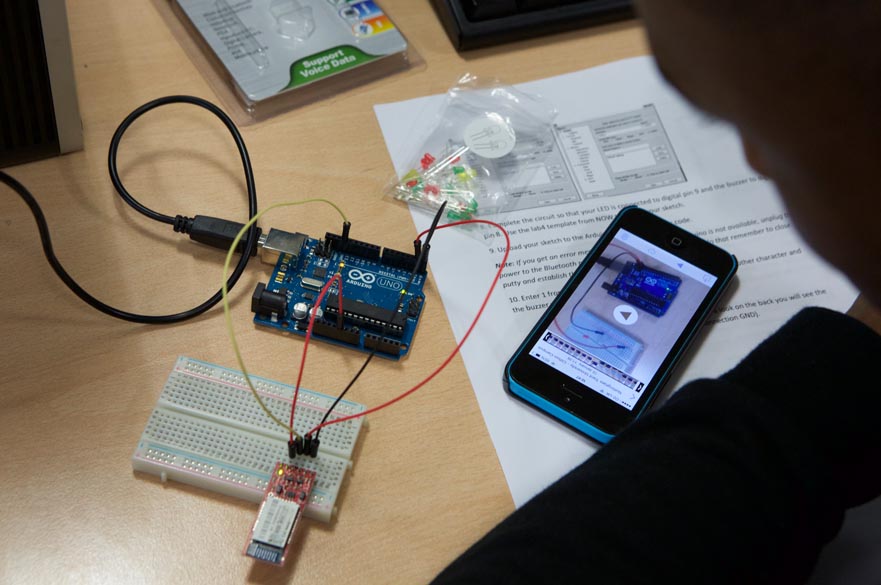
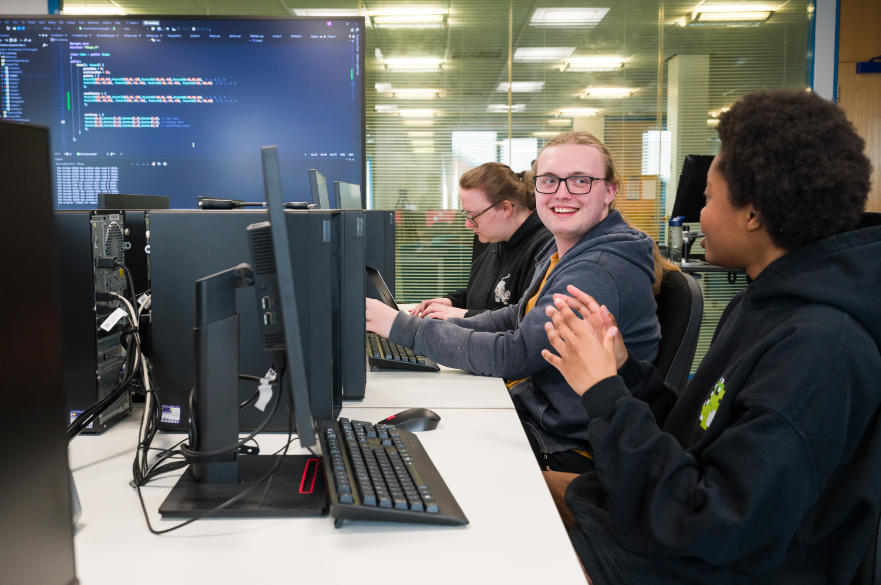
The course puts theory into practice through skills development relevant to the modern world, particularly the industrial application of artificial intelligence. It offers skills development as an integral part of the curriculum and as preparation for the world of work. As well as practical skills necessary for the Computing professional, with emphasis on design and development, students will develop transferable skills which will make them suitable for graduate employment in an ever-changing job market.
This course is available to students with some prior knowledge of quantitative research methods and experience in software engineering practice, for example, graduates of the Q-step Social Sciences with Quantitative Methods undergraduate degree courses who may also have software development experience through previous work.
The year-long paid work placement is an important feature of the course. It is optional, but if chosen, it will give you a distinct advantage in graduating. We have an excellent placements office to support finding a right placement opportunity for each student.
-

Placement Opportunities
One year paid work placement option available.
-

Change your career direction
No prior AI or Computer Science knowledge needed if you have software engineering and quantitative research experience.
-

World-Leading Research
In the last Research Excellence Framework (REF 2021) we’re proud that 80% of NTU's Computer Science submission was assessed to be world-leading or internationally excellent.
-

Learn from the experts
at a university rated TEF ‘Gold’ for teaching and learning.
On this MSc Artificial Intelligence course, you’ll study six 20-credit modules and work on a major independent project. Each module is taught over a ten-week block, and you’ll take no more than two modules at the same time, giving you space to focus deeply on each area of study.
Module information
Here’s a breakdown of what you’ll be studying throughout the course:
During this module, you will develop an understanding of the foundations of Artificial Intelligence, theoretical and practical approaches to problem-solving, and the techniques for knowledge representation and pattern discovery in data for effective AI-based solutions.
20 credits
In this module you'll focus on developing your skills in producing software solutions for practical problems. Through hands-on experiences, it emphasizes the use of program development environments and develops advanced procedural programming skills. Additionally, you will become familiar with object-oriented programming,preparing you for contemporary software development challenges.
20 credits
Understand Artificial Cognitive Systems (ACS) and how they use their surroundings to autonomously make decisions, anticipate actions and how they learn from experiences and changing circumstances. You'll also be introduced to artificial neural networks and the current applications and practices.
20 credits
Learn the processes, techniques and technologies businesses use to develop cloud-enabled Big Data infrastructures that transform data into valuable business intelligence. You'll explore relational and non-relational database technologies, distributed computing frameworks, and scalable cloud platforms to capture, store and process high-volume, high-velocity data, enabling robust analytics and informed decision-making.
20 credits
Learn how to apply cutting-edge artificial intelligence techniques, including machine learning, deep learning, large language models (LLMs), data mining, reasoning and optimisation methods, to solve complex real-world challenges. You'll explore applying these techniques to a variety of problem domains, such as computer vision, medical imaging, financial analytics, natural language processing and smart manufacturing, developing the skills to transform data into actionable insights and business value.
20 credits
Develop skills for effective research, including the development of project definition documents, writing project reports, and technical papers. Covering research design, project planning, data collection, presentations, research governance, ethics, and time management, you will learn how to select appropriate methodologies.
20 credits
On completion of the taught modules on this course you will then have the opportunity to undertake an MSc research project. This gives you 15 weeks to concentrate full time on a specialist area that interests you and apply what you have learnt to a specific problem.
You will produce a dissertation or technical research paper, which is a substantial piece of work which you will work on under the supervision of a member of the academic staff.
60 credits
credits
credits
credits
credits
credits
credits
credits
credits
credits
credits
credits
credits
credits
credits
credits
credits
credits
credits
credits
credits
credits
credits
credits
credits
credits
credits
credits
credits
credits
credits
credits
credits
credits
credits
credits
credits
credits
credits
credits
credits
credits
credits
credits
credits
credits
credits
credits
credits
credits
credits
credits
credits
credits
credits
credits
credits
credits
credits
credits
credits
credits
credits
credits
credits
credits
credits
credits
credits
credits
credits
credits
credits
credits
credits
credits
credits
credits
credits
credits
credits
credits
credits
credits
credits
credits
credits
credits
credits
credits
credits
credits
credits
credits
credits
credits
credits
credits
credits
credits
credits
credits
credits
credits
credits
credits
credits
credits
credits
credits
credits
credits
credits
credits
credits
credits
credits
credits
credits
credits
credits
credits
credits
credits
credits
credits
credits
credits
credits
credits
credits
credits
credits
credits
credits
credits
credits
credits
credits
credits
credits
credits
credits
credits
credits
credits
credits
credits
credits
credits
credits
credits
credits
credits
credits
credits
credits
credits
credits
credits
credits
credits
credits
credits
credits
credits
credits
credits
credits
credits
credits
credits
credits
credits
credits
credits
credits
credits
credits
credits
credits
credits
credits
credits
credits
credits
credits
credits
credits
credits
credits
credits
credits
credits
credits
credits
credits
credits
credits
credits
credits
credits
credits
credits
credits
credits
credits
credits
credits
credits
credits
credits
credits
credits
credits
credits
credits
credits
credits
credits
credits
credits
credits
credits
credits
credits
credits
credits
credits
credits
credits
credits
credits
credits
credits
credits
credits
credits
credits
credits
credits
credits
credits
credits
credits
credits
credits
credits
credits
credits
credits
credits
credits
credits
credits
credits
credits
credits
credits
credits
credits
credits
credits
credits
credits
credits
credits
credits
credits
credits
credits
credits
credits
credits
credits
credits
credits
credits
credits
credits
credits
credits
credits
credits
credits
credits
credits
credits
credits
credits
credits
credits
credits
credits
credits
credits
credits
credits
credits
credits
credits
credits
credits
credits
credits
credits
credits
credits
credits
credits
credits
credits
credits
credits
credits
credits
credits
credits
credits
credits
credits
credits
credits
credits
credits
credits
credits
credits
credits
credits
credits
credits
credits
credits
credits
credits
credits
credits
credits
credits
credits
credits
credits
credits
credits
credits
credits
credits
credits
credits
credits
credits
credits
credits
credits
credits
credits
credits
credits
credits
credits
credits
credits
credits
credits
credits
credits
credits
credits
credits
credits
credits
credits
credits
credits
credits
credits
credits
credits
credits
credits
credits
credits
credits
credits
credits
credits
credits
credits
credits
credits
credits
credits
credits
credits
credits
credits
credits
credits
credits
credits
credits
credits
credits
credits
credits
credits
credits
credits
credits
credits
credits
credits
credits
credits
credits
credits
credits
credits
credits
credits
credits
credits
credits
credits
credits
credits
credits
credits
credits
credits
credits
credits
credits
credits
credits
credits
credits
credits
credits
credits
credits
credits
credits
credits
credits
credits
credits
credits
credits
credits
credits
credits
credits
credits
credits
credits
credits
credits
credits
credits
credits
credits
credits
credits
credits
credits
credits
credits
credits
credits
credits
credits
credits
credits
credits
credits
credits
credits
credits
credits
credits
credits
credits
credits
credits
credits
credits
credits
credits
credits
credits
credits
credits
credits
credits
credits
credits
credits
credits
credits
credits
credits
credits
credits
credits
credits
credits
credits
credits
credits
credits
credits
credits
credits
credits
credits
credits
credits
credits
credits
credits
credits
credits
credits
credits
credits
credits
credits
credits
credits
credits
credits
credits
credits
credits
credits
credits
credits
credits
credits
credits
credits
credits
credits
credits
credits
credits
credits
credits
credits
credits
credits
credits
credits
credits
credits
credits
credits
credits
credits
credits
credits
credits
credits
credits
credits
credits
credits
credits
credits
credits
credits
credits
credits
credits
credits
credits
credits
credits
credits
credits
credits
credits
credits
credits
credits
credits
credits
credits
credits
credits
credits
credits
credits
credits
credits
credits
credits
credits
credits
credits
credits
credits
credits
credits
credits
credits
credits
credits
credits
credits
credits
credits
credits
credits
credits
credits
credits
credits
credits
credits
credits
credits
credits
credits
credits
credits
credits
credits
credits
credits
credits
credits
credits
credits
credits
credits
credits
credits
credits
credits
credits
credits
credits
credits
credits
credits
credits
credits
credits
credits
credits
credits
credits
credits
credits
credits
credits
credits
credits
credits
credits
credits
credits
credits
credits
credits
credits
credits
credits
credits
credits
credits
credits
credits
credits
credits
credits
credits
credits
credits
credits
credits
credits
credits
credits
credits
credits
credits
credits
credits
credits
credits
credits
credits
credits
credits
credits
credits
credits
credits
credits
credits
credits
credits
credits
credits
credits
credits
credits
credits
credits
credits
credits
credits
credits
credits
credits
credits
credits
credits
credits
credits
credits
credits
credits
credits
credits
credits
credits
credits
credits
credits
credits
credits
credits
credits
credits
credits
credits
credits
credits
credits
credits
credits
credits
credits
credits
credits
credits
credits
credits
credits
credits
credits
credits
credits
credits
credits
credits
credits
credits
credits
credits
credits
credits
credits
credits
credits
credits
credits
credits
credits
credits
credits
credits
credits
credits
credits
credits
credits
credits
credits
credits
credits
credits
credits
credits
credits
credits
credits
credits
credits
credits
credits
credits
credits
credits
credits
credits
credits
credits
credits
credits
credits
credits
credits
credits
credits
credits
credits
credits
credits
credits
credits
credits
credits
credits
credits
credits
credits
credits
credits
credits
credits
credits
credits
credits
credits
credits
credits
credits
credits
credits
credits
credits
credits
credits
credits
credits
credits
credits
credits
credits
credits
credits
credits
credits
credits
credits
credits
credits
credits
credits
credits
credits
credits
credits
credits
credits
credits
credits
credits
credits
credits
credits
credits
credits
credits
credits
credits
credits
credits
credits
credits
credits
credits
credits
credits
credits
credits
credits
credits
credits
credits
credits
credits
credits
credits
credits
credits
credits
credits
credits
credits
credits
credits
credits
credits
credits
credits
credits
credits
credits
credits
credits
credits
credits
credits
credits
credits
credits
credits
credits
credits
credits
credits
credits
credits
credits
credits
credits
credits
credits
credits
credits
credits
credits
credits
credits
credits
credits
credits
credits
credits
credits
credits
credits
credits
credits
credits
credits
credits
credits
credits
credits
credits
credits
credits
credits
credits
credits
credits
credits
credits
credits
credits
credits
credits
credits
credits
credits
credits
credits
credits
credits
credits
credits
credits
credits
credits
credits
credits
credits
credits
credits
credits
credits
credits
credits
credits
credits
credits
credits
credits
credits
credits
credits
credits
credits
credits
credits
credits
credits
credits
credits
credits
credits
credits
credits
credits
credits
credits
credits
credits
credits
credits
credits
credits
credits
credits
credits
credits
credits
credits
credits
credits
credits
credits
credits
credits
credits
credits
credits
credits
credits
credits
credits
credits
credits
credits
credits
credits
credits
credits
credits
credits
credits
credits
credits
credits
credits
credits
credits
credits
credits
credits
credits
credits
credits
credits
credits
credits
credits
credits
credits
credits
credits
credits
credits
credits
credits
credits
credits
credits
credits
credits
credits
credits
credits
credits
credits
credits
credits
credits
credits
credits
credits
credits
credits
credits
credits
credits
credits
credits
credits
credits
credits
credits
credits
credits
credits
credits
credits
credits
credits
credits
credits
credits
credits
credits
credits
credits
credits
credits
credits
credits
credits
credits
credits
credits
credits
credits
credits
credits
credits
credits
credits
credits
credits
credits
credits
credits
credits
credits
credits
credits
credits
credits
credits
credits
credits
credits
credits
credits
credits
credits
credits
credits
credits
credits
credits
credits
credits
credits
credits
credits
credits
credits
credits
credits
credits
credits
credits
credits
credits
credits
credits
credits
credits
credits
credits
credits
credits
credits
credits
credits
credits
credits
credits
credits
credits
credits
credits
credits
credits
credits
credits
credits
credits
credits
credits
credits
credits
credits
credits
credits
credits
credits
credits
credits
credits
credits
credits
credits
credits
credits
credits
credits
credits
credits
credits
credits
credits
credits
credits
credits
credits
credits
credits
credits
credits
credits
credits
credits
credits
credits
credits
credits
credits
credits
credits
credits
credits
credits
credits
credits
credits
credits
credits
credits
credits
credits
credits
credits
credits
credits
credits
credits
credits
credits
credits
credits
credits
credits
credits
credits
credits
credits
credits
credits
credits
credits
credits
credits
credits
credits
credits
credits
credits
credits
credits
credits
credits
credits
credits
credits
credits
credits
credits
credits
credits
credits
credits
credits
credits
credits
credits
credits
credits
credits
credits
credits
credits
credits
credits
credits
credits
credits
credits
credits
credits
credits
credits
credits
credits
credits
credits
credits
credits
credits
credits
credits
credits
credits
credits
credits
credits
credits
credits
credits
credits
credits
credits
credits
credits
credits
credits
credits
credits
credits
credits
credits
credits
credits
credits
credits
credits
credits
credits
credits
credits
credits
credits
credits
credits
credits
credits
credits
credits
credits
credits
credits
credits
credits
credits
credits
credits
credits
credits
credits
credits
credits
credits
credits
credits
credits
credits
credits
credits
credits
credits
credits
credits
credits
credits
credits
credits
credits
credits
credits
credits
credits
credits
credits
credits
credits
credits
credits
credits
credits
credits
credits
credits
credits
credits
credits
credits
credits
credits
credits
credits
credits
credits
credits
credits
credits
credits
credits
credits
credits
credits
credits
credits
credits
credits
credits
credits
credits
credits
credits
credits
credits
credits
credits
credits
credits
credits
credits
credits
credits
credits
credits
credits
credits
credits
credits
credits
credits
credits
credits
credits
credits
credits
credits
credits
credits
credits
credits
credits
credits
credits
credits
credits
credits
credits
credits
credits
credits
credits
credits
credits
credits
credits
credits
credits
credits
credits
credits
credits
credits
credits
credits
credits
credits
credits
credits
credits
credits
credits
credits
credits
credits
credits
credits
credits
credits
credits
credits
credits
credits
credits
credits
credits
credits
credits
credits
credits
credits
credits
credits
credits
credits
credits
credits
credits
credits
credits
credits
credits
credits
credits
credits
credits
credits
credits
credits
credits
credits
credits
credits
credits
credits
credits
credits
credits
credits
credits
credits
credits
credits
credits
credits
credits
credits
credits
credits
credits
credits
credits
credits
credits
credits
credits
credits
credits
credits
credits
credits
credits
credits
credits
credits
credits
credits
credits
credits
credits
credits
credits
credits
credits
credits
credits
credits
credits
credits
credits
credits
credits
credits
credits
credits
credits
credits
credits
credits
credits
credits
credits
credits
credits
credits
credits
credits
credits
credits
credits
credits
credits
credits
credits
credits
credits
credits
credits
credits
credits
credits
credits
credits
credits
credits
credits
credits
credits
credits
credits
credits
credits
credits
credits
credits
credits
credits
credits
credits
credits
credits
credits
credits
credits
credits
credits
credits
credits
credits
credits
credits
credits
credits
credits
credits
credits
credits
credits
credits
credits
credits
credits
credits
credits
credits
credits
credits
credits
credits
credits
credits
credits
credits
credits
credits
credits
credits
credits
credits
credits
credits
credits
credits
credits
credits
credits
credits
credits
credits
credits
credits
credits
credits
credits
credits
credits
credits
credits
credits
credits
credits
credits
credits
credits
credits
credits
credits
credits
credits
credits
credits
credits
credits
credits
credits
credits
credits
credits
credits
credits
credits
credits
credits
credits
credits
credits
credits
credits
credits
credits
credits
credits
credits
credits
credits
credits
credits
credits
credits
credits
credits
credits
credits
credits
credits
credits
credits
credits
credits
credits
credits
credits
credits
credits
credits
credits
credits
credits
credits
credits
credits
credits
credits
credits
credits
credits
credits
credits
credits
credits
credits
credits
credits
credits
credits
We regularly review our course content based on student and employer feedback to ensure they remain current and relevant. This may result in changes to module content or availability in future years. Optional modules will only run where there is sufficient demand. This will be determined on a case-by-case basis to protect the academic and student experience.
Video Gallery
How you're taught
Throughout the course, you will experience a variety of teaching and assessment methods designed to help you demonstrate the learning outcomes of each module. Your MSc project forms a significant part of your degree, contributing one‑third of your final grade (60 credits).
We assess your subject knowledge and understanding mainly through written coursework and technical reports. Your ability to apply principles and techniques is developed and evaluated through individual assignments and case‑study work. These activities also help you build key transferable skills, including effective written communication and confident oral presentation.
You will work on simulated real‑world problems in case studies, allowing you to demonstrate problem‑solving abilities and creativity in designing solutions.
Laboratory sessions and workshops give you the opportunity to develop practical skills, particularly those related to hypothesis testing, data collection, and data interpretation.
In the Artificial Cognitive Systems module, work‑based learning is used to give you experience of completing coursework in group settings that reflect professional practice.
Artificial Intelligence and Innovation
On this course, you’ll engage with AI in a practical, informed way, reflecting its use across science and technology today. You’ll explore how AI supports analysis, problem solving and innovation, while developing the skills to understand its limitations and ethical implications.
AI won’t replace scientific knowledge or professional judgement. Instead, you’ll learn how it complements your expertise and enhances professional practice in industry and research.
We’ll help you build confidence, adaptability and informed judgement, preparing you for a changing workplace where human expertise remains essential.
How you're assessed
Typical assessments include coursework reports and presentations.
Contact hours
For each 20-credit module, you’ll spend about 200 hours learning overall. Around 40 of those hours will be taught in lectures or seminars. The rest of the time is for independent study, reading, research, or working on assignments.
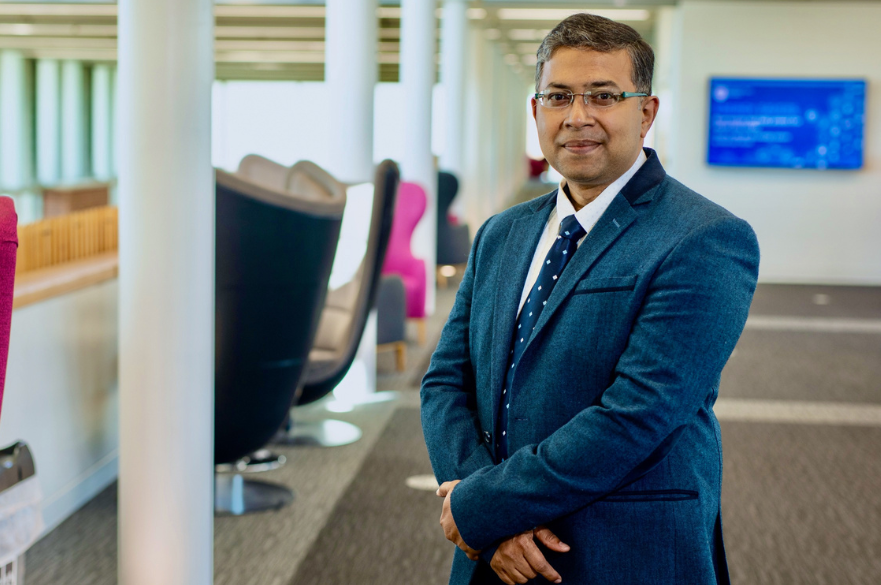
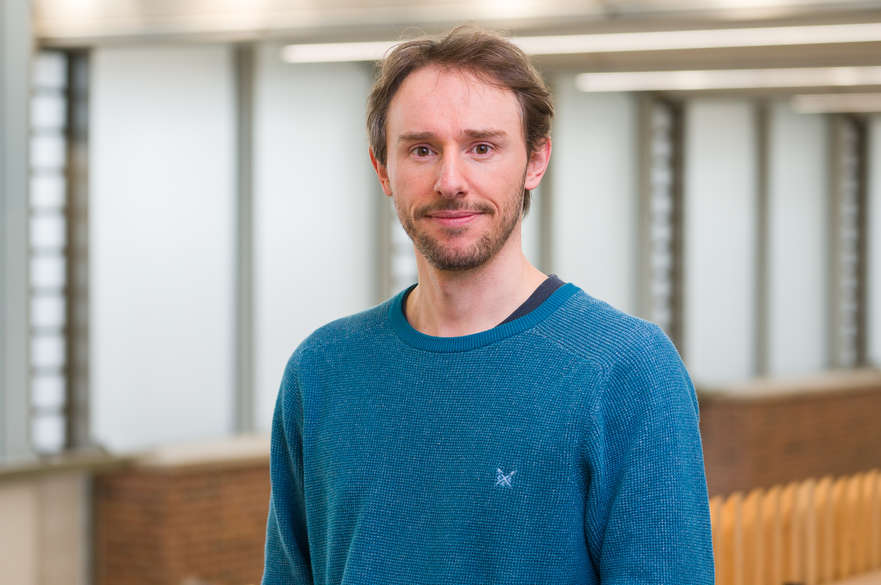
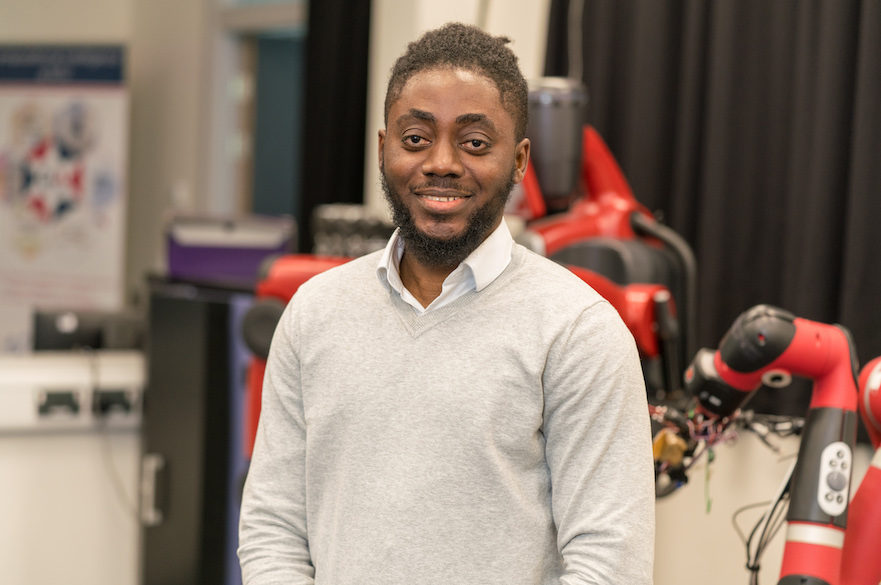
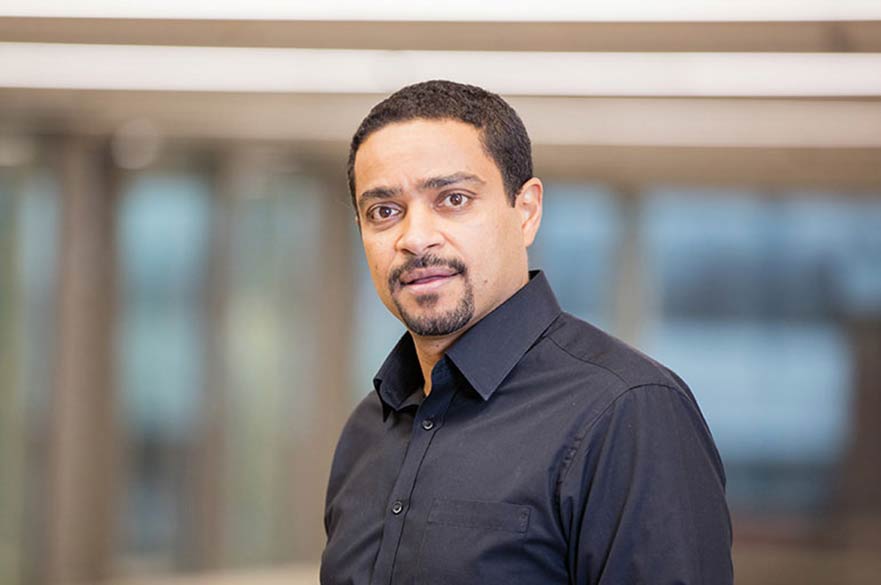
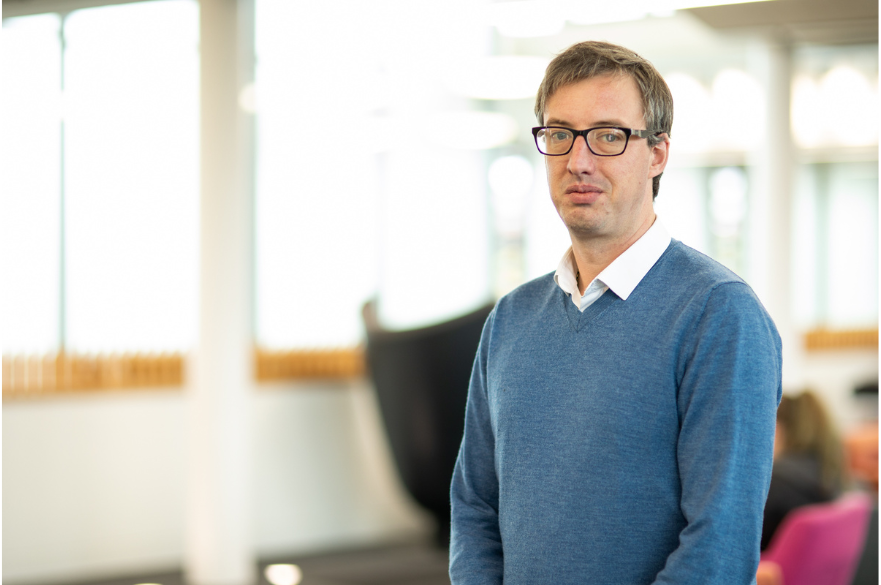
Who will teach you?

Entry requirements
UK students
Academic entry requirements: 2.2 honours degree or equivalent in a technical or scientific subject*
Applicants must demonstrate knowledge of mathematics usually through modules taken on an undergraduate degree or through relevant professional experience.
Applicants must not hold an initial degree in Artificial Intelligence, Data Science or Machine Learning.
*including, but not limited to, sport science, biomedical sciences, environmental science, mathematics, statistics, economics, accounting, information systems, computer science, cybersecurity, software engineering, animal sciences, veterinary sciences, psychology, engineering.
Additional requirements for UK students
This is a conversion course intended for those who wish to retrain or gain skills and knowledge in the area of Artificial Intelligence. If you already hold an undergraduate degree or extensive knowledge of AI, you may be better suited to our MSc Robotics and Intelligent Systems, which builds on prior learning in this area.
Other qualifications and experience
We welcome applications from students with non-standard qualifications and learning backgrounds and work experience. We consider credit transfer, vocational and professional qualifications, and any work or life experience you may have.
You can view our Recognition of Prior Learning and Credit Transfer Policy which outlines the process and options available, such as recognising experiential learning and credit transfer.
Getting in touch
If you need more help or information, get in touch through our enquiry form.
International students
Academic entry requirements: 2.2 honours degree or equivalent in a technical or scientific subject*
Applicants must demonstrate knowledge of mathematics usually through modules taken on an undergraduate degree or through relevant professional experience.
Applicants must not hold an initial degree in Artificial Intelligence, Data Science or Machine Learning.
*including, but not limited to, sport science, biomedical sciences, environmental science, mathematics, statistics, economics, accounting, information systems, computer science, cybersecurity, software engineering, animal sciences, veterinary sciences, psychology, engineering.
We accept equivalent qualifications from all over the world. Please check your international entry requirements by country.
English language requirements: See our English language requirements page for requirements for your subject and information on alternative tests and Pre-sessional English.
Additional requirements for international students
This is a conversion course intended for those who wish to retrain or gain skills and knowledge in the area of Artificial Intelligence. If you already hold an undergraduate degree or extensive knowledge of AI, you may be better suited to our MSc Robotics and Intelligent Systems, which builds on prior learning in this area.
If you need help achieving the academic entry requirements, we offer a Pre-Masters course for this degree. The course is offered through our partner Nottingham Trent International College (NTIC) based on our City Campus.
English language requirements
View our English language requirements for all courses, including alternative English language tests and country qualifications accepted by the University.
If you need help achieving the language requirements, we offer a Pre-Sessional English for Academic Purposes course on our City campus which is an intensive preparation course for academic study at NTU.
Other qualifications and experience
We welcome applications from students with non-standard qualifications and learning backgrounds and work experience. We consider credit transfer, vocational and professional qualifications, and any work or life experience you may have.
You can view our Recognition of Prior Learning and Credit Transfer Policy which outlines the process and options available, such as recognising experiential learning and credit transfer.
Sign up for emails
Sign up to receive regular emails from the International Office. You'll hear about our news, scholarships and any upcoming events in your country with our expert regional teams.
Getting in touch
If you need advice about studying at NTU as an international student or how to apply, our international webpages are a great place to start. If you have any questions about your study options, your international qualifications, experience, grades or other results, please get in touch through our enquiry form. Our international teams are highly experienced in answering queries from students all over the world.
Policies
We strive to make our admissions procedures as fair and clear as possible. To find out more about how we make offers, visit our admissions policies page.