Project
Linguistic practices of coal mining communities in the post-industrial era
Unit(s) of assessment: English Language and Literature
Overview
Visit the German-language version of this page.
Linguistic practices of coal mining communities in the post-industrial era: variation, documentation, representation, regeneration
The language of miners is rarely valued as a form of cultural heritage in the same way as material assets, such as tools and machinery. With the decline of the coal industry throughout large areas of Europe, miners and their communities are facing considerable societal transformations and their unique linguistic heritage is at severe risk of disappearing. This international project examines coal mining language through a comparative exploration of the Ruhr Area (Germany) and the East Midlands (UK), both historically important mining regions. These areas have been selected because they share a common period of coal mining, beginning in the 18th century and ending around the same time (in 2018 and 2015 respectively). As with other post-industrial regions of Europe, they have developed varied strategies to find new senses of identity, community and belonging. While regeneration through local mining heritage has been beneficial, less tangible forms of cultural heritage, notably language, have been chronically overlooked.
The project has the following aims and objectives:
- Investigating linguistic variation of mining language in individuals and their communities and across the regions
- Documenting typical linguistic features to ensure their preservation
- Working with local mining communities and museums to engage with this heritage
- Examining the visibility of mining heritage and culture in the public domain
To do this, we are recording mining tours, speaking with miners and their families and collecting photos of mining heritage, such as memorials, street signs, pub names, shops, sports clubs, working men’s clubs, stickers and graffiti.
Our project revolves around working together with local mining communities and mining museums to address under-representation of mining language.
Short biographies
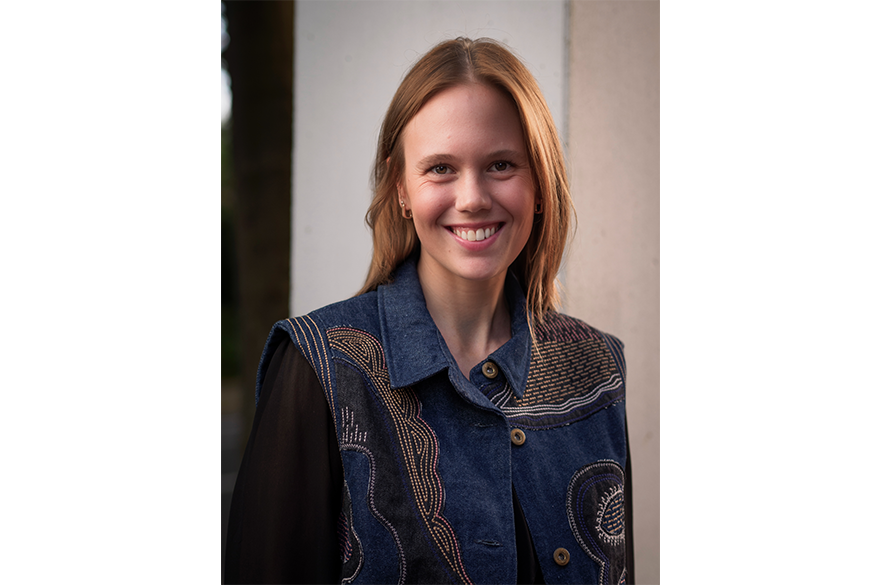
I am a sociolinguist at the University of Duisburg-Essen. I am currently working as a Research Fellow on this project. My research interests include language attitude studies, language variation, multilingualism, linguistic landscapes and interactional sociolinguistics.

I am a Senior Lecturer in Linguistics at Manchester Metropolitan University. My sociolinguistic research explores intersections between multilingualism, industry and heritage. My publications include ‘Discourse analysis of spoken interaction’ in the context of language attitudes and ‘Historical perspectives on lexical variation in pit talk’ with Natalie Braber. I am UK co-principal investigator of this project.
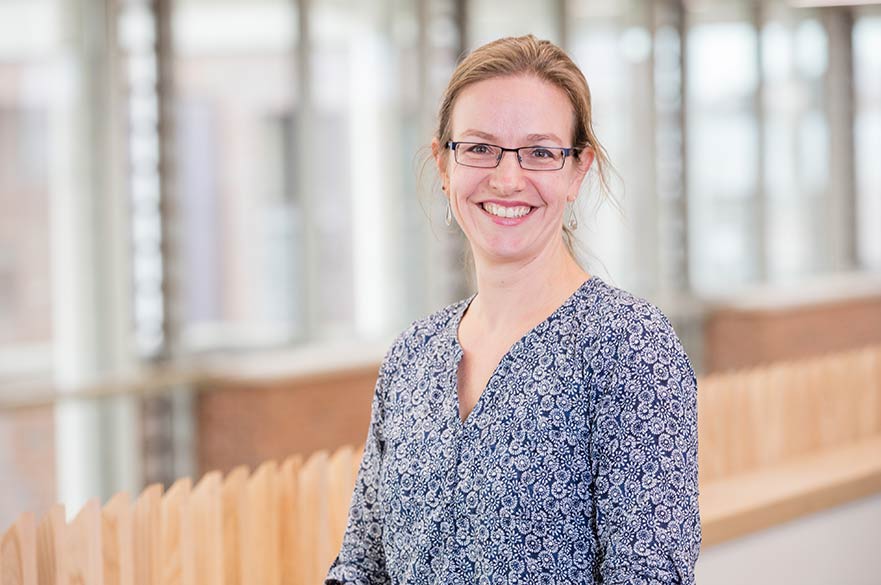
I am a Professor of Linguistics at Nottingham Trent University. My research focuses on the sociolinguistic variation of accents and dialects, including pit talk. My publications include East Midlands English (2018) and Lexical Variation of an East Midlands Coal Mining Community (2022). I work on language as heritage, accent discrimination and language and memory. My projects include collaboration with those in the fields of creative writing, poetry, photography, art and theatre in order to co-create with local communities. I am principal investigator of this project.
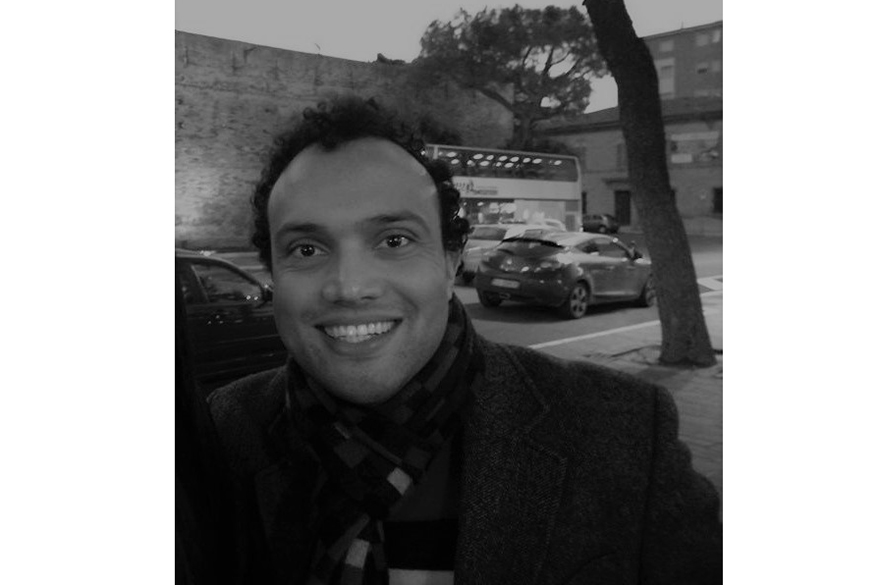
I am a Research Fellow in Linguistics on this project at Nottingham Trent University. I have published on language policy, multilingualism, minority languages, and translation studies, and am also interested in cultural heritage in postcolonial and post-industrial contexts.
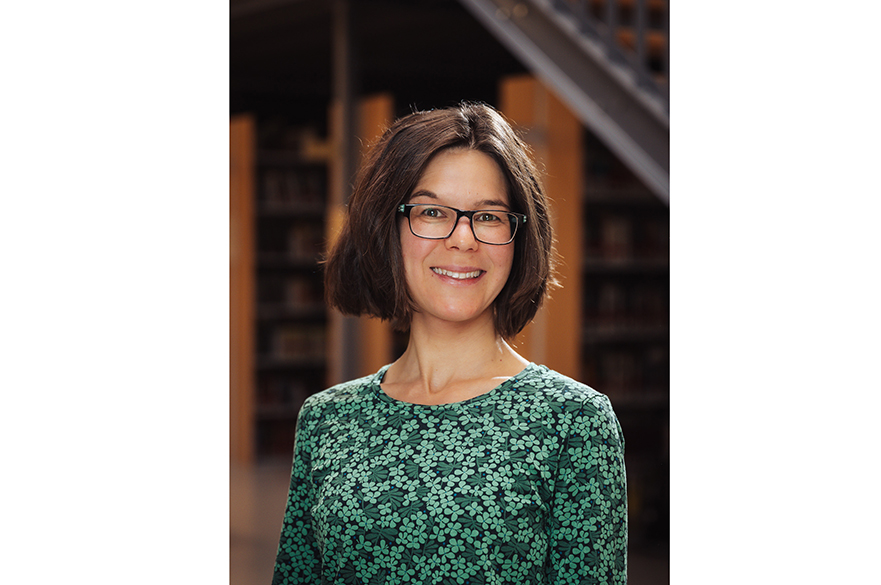
I am a Research Fellow in Linguistics at the University of Münster, and associated with the Institute of Migration Research and Intercultural Studies in Osnabrück. My research specializes in language variation and change, language-dialect contact, language acquisition and attitudes, with a particular focus on workplace interactions (health care and industrial contexts). I published Language Contact in a Mining Community. A Study of Personal Pronouns and Progressive Aspect in Cite Duits (2021). I am the German co-principal investigator of this project.
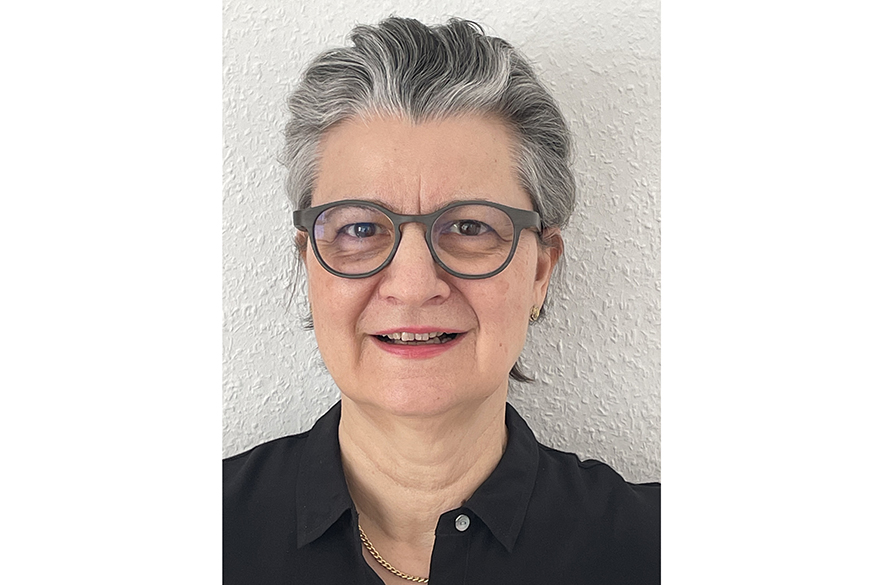
I am a Professor of German Sociolinguistics at the University of Duisburg-Essen. My research focuses on language variation, multilingualism, attitude studies, language history and semiotic transformation in post-industrial societies. I am German co-principal investigator of this project, and I was the Project Lead of the research project Metropolenzeichen: Visuelle Mehrsprachigkeit im Ruhrgebiet (Signs of the Metropolises: Visual multilingualism in the Ruhr Area 2018; 2022;
Current student research assistants
- Hannah Blaschke
- Leonie Selbmann
- Timo Weber
Former student research assistants
- Ermonda Gava
- Lena Kiara Gojevic
- Lara Maria Köppen
Blogs
Blog: Project on Tour: Taking Our Research on the Road
Mon 5 Oct 2026
Blog: Remembered Voices: Memories and Stories from Coal Mining Communities
Thu 6 Aug 2026
Blog: From Pit to Stadium: Football and Mining in the Ruhr Area
Thu 9 Jul 2026
Blog: Workshop at Nottingham Trent University: Intercultural exchange and creative inspiration
Wed 3 Jun 2026
Blog: Collecting data in the German Mining Museum Bochum: Guided tours with former miners
Wed 13 May 2026
Blog: Workshop in Essen - Laying the Foundations for Coal Mining Language Research
Thu 16 Apr 2026
Blog: Exploring the Language of Coal Mining: A New Cross-Regional Research Project
Tue 3 Mar 2026