Fashion, football and crisis management: why the Beckhams’ British origin story no longer works
The Beckhams have built a global brand around football, fashion and British identity. But when a carefully crafted image comes under pressure, how can they maintain trust? Marketing experts Dr Arooj Rashid and Dr David Cook explore the growing importance of authenticity in celebrity crisis management.
By Dr Arooj Rashid and Dr David Cook | Published on 9 February 2026
Categories: Press office; Research;
Building the brand
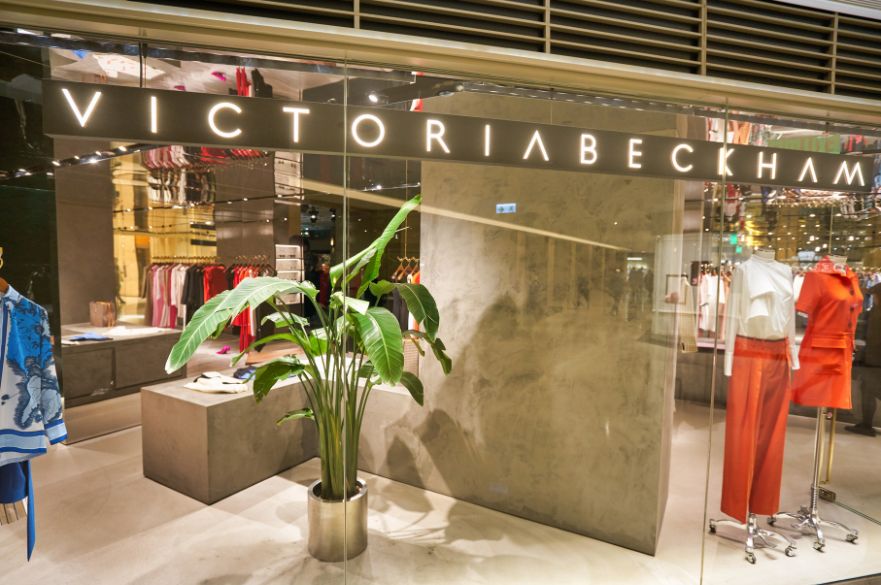
The Beckhams have a particular look. Tailored silhouettes, coordinated family styling and a polished aesthetic that blends British refinement with global luxury. It is an image built to be seen - deliberate, consistent and unmistakably theirs.
For years, this visual language reinforced their origin story: the working-class boy from East London who became a football icon, and the pop star who reinvented herself as a designer. Together, they crafted a brand that felt both aspirational and distinctly British.
But behind the familiar imagery of Savile Row tailoring, London Fashion Week appearances and carefully curated family portraits lies a more complex story about how national identity is packaged and sold.
The Beckhams’ have long traded on the prestige of Britishness, a country-of-origin narrative that signals heritage, taste and cultural capital.
Their brand draws on the same symbolic power that makes “Made in Italy” synonymous with craftsmanship – as seen with houses like Gucci and Prada - or how German engineering evokes precision and reliability, exemplified by BMW; country‑of‑origin effects are well‑documented to shape brand evaluations.
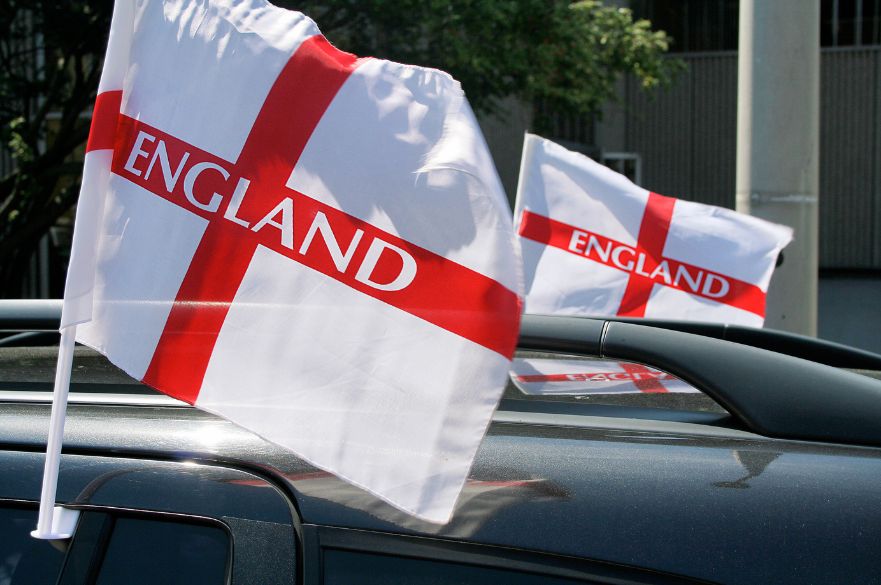
David Beckham's brand is rooted in the England football team.
English identity has long been shaped by the fortunes of the national football team, and this connection is woven into the national memory in ways that also anchor the Beckhams’ own origin story.
David Beckham’s rise through English football was revisited for a new audience in Beckham, a 2023 Netflix docuseries following his journey from Leytonstone to global celebrity and its impact on public perceptions.
His role as a symbol of English sporting pride helped establish the Beckhams’ identity as a couple who embodied both working class British values and global ambition.
From the moment he first appeared in the sports pages, Beckham grew not only as a player but as a celebrity and cultural figure. His public image shifted dramatically - from young prodigy to national villain and eventually to a kind of people’s royalty – a trajectory widely noted in reviews and coverage of the series. This constant visibility helped shape the Beckhams broader origin story, positioning them at the centre of British popular culture long before they became a global brand.
Over time, David Beckham stopped being seen purely as a footballer and became something much larger: a brand.
His image blends football, fashion, family life and British cultural identity into a recognisable and commercially powerful narrative. Analyses of “Brand Beckham” show how layered identities create multiple “entry points” for audiences across sport, style and lifestyle, sustaining appeal beyond the pitch.
Consistency is key
What makes Brand Beckham distinctive is its consistency. Every public appearance, fashion campaign and family moment reinforces a wider story about success, style and Britishness. This coherence has allowed the Beckhams to operate not just as individuals but as a cultural product, one that appeals across markets, industries and generations.
In branding terms, consistency matters because it helps audiences form stable expectations - trust and recognition compound when the cues are predictable over time.
Fashion has played a major role in communicating this story. Victoria Beckham’s own label - showcased and reviewed on the fashion‑week circuit - signals luxury, restraint and design credibility; critics emphasise English tailoring codes and a disciplined minimalism in recent seasons
Meanwhile, David Beckham’s high‑visibility partnerships (e.g., Adidas campaigns and menswear collaborations) have long embedded fashion into the family’s public image; the docuseries underlined how clothes, grooming and presentation became part of the brand grammar.
Their coordinated public appearances function as visual storytelling, translating personal style into brand meaning.
The Beckhams are synonymous with luxury brands.
Shifting perceptions
Moments of crisis reveal how quickly this same story can become vulnerable. Public scrutiny of their marriage, tensions around their son’s high-profile wedding and other media controversies show how the polished Beckham image can start to feel disconnected from the “working class made good” narrative that underpins their brand.
Coverage of Brooklyn Beckham and Nicola Peltz’s 2022 wedding - from the Valentino dress to now‑contested accounts of a “first dance” - illustrates how audiences re‑interrogate curated stories when timelines and details appear inconsistent.
When audiences sense a gap between the origin story and the current performance of identity, the symbolism that once built trust becomes unstable. Immaculate styling and curated perfection - once sources of admiration - can begin to invite scepticism.
This is a useful point for crisis communication. Studies and practitioner texts note that when an established narrative clashes with how a public figure behaves under pressure, polished statements can be read as strategic rather than sincere - a tension amplified in social‑media environments.
Audience expectations and carefully crafted ‘reality’
This shift is not unique to the Beckhams. Public reactions to Prince Harry’s controlled media appearances (from interviews to streaming projects) show how rehearsed responses can invite scrutiny rather than resolve it. The more polished the delivery, the more it risks being perceived as a “performance”.
This change in audience expectations reveals how difficult it has become for public figures to rely on traditional crisis management. Carefully crafted messaging can now appear overly strategic, even when the intention is sincerity.
The Beckhams face a similar challenge: when their responses feel too controlled or too aligned with their long-standing brand image, they risk being read as calculated rather than genuine.
This tension reflects a wider shift in how crises unfold today. Polished statements, controlled appearances and tightly managed messaging - once the gold standard of crisis response- are now often seen as insincere.
In this environment, origin stories must do more than sound good, they must feel believable, consistent and aligned with how a public figure behaves under pressure. For the Beckhams, this means their long-standing British origin story needs to evolve.
The challenge is not that the story is untrue, but that it no longer fully matches the family’s current public image. Their global lifestyle, luxury branding and highly curated fashion presence can feel distant from the modest, grounded narrative that originally made them relatable.
This does not mean abandoning their origin story altogether. Instead, it requires a more flexible and transparent approach to crisis management, one that acknowledges change rather than trying to hide it. Contemporary work in crisis communication suggests that admitting complexity or contradiction can strengthen trust more effectively than offering a flawless but unconvincing narrative.
The Beckhams remain one of the most influential families in global culture. But their recent challenges show that even the strongest origin stories must adapt to new expectations. In an era where audiences value authenticity over polish, the future of their brand - and many others - will depend on how well they balance their iconic image with a more open, coherent and believable narrative.
Dr Arooj Rashid and Dr David Cook, Department of Marketing, Nottingham Business School.