About this course
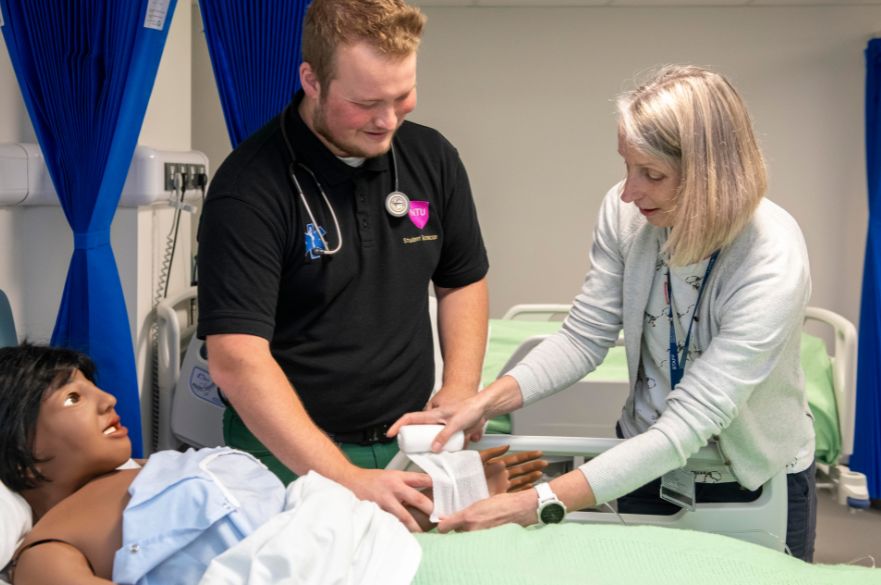
Paramedics are highly skilled healthcare professionals who deliver urgent and emergency care in fast-paced, high-pressure settings. As the NHS evolves, Paramedics are increasingly taking on new and innovative roles within healthcare.
With state-of-the-art facilities, including VR suites, hands-on learning opportunities, and a highly experienced teaching team, apprentices are fully supported and well-prepared for a rewarding career as a Paramedic.
-

Experienced teaching team
You’ll be taught by an experienced teaching team, which includes active members of the East Midlands Ambulance Service.
-

Study in our state-of-the-art facilities
Study at our state-of-the-art Health and Allied Professions Centre with a VR suite, a mock apartment, and a range of other healthcare simulation facilities.
-

Placements with an ambulance service
The apprenticeship includes placements within the ambulance service, as well as in a range of additional non-ambulance placement settings giving you hands-on experience.
Apprentices will study the following modules over three years.
Module information
Here’s a breakdown of what you’ll be studying throughout the course:
Core modules
This module provides you with an understanding of the academic conventions for writing at level 5 and the processes that support the creation of academic input. In addition, this module will help to build a conceptual framework around biopsychosocial, cognitive, political, economic, medical influences on health and wellbeing. Finally the module will support the development of your personal and professional identity and practice.
20 credits
credits
credits
credits
credits
credits
credits
credits
credits
credits
credits
credits
credits
credits
credits
credits
credits
credits
credits
credits
credits
credits
credits
credits
credits
credits
credits
credits
credits
credits
credits
credits
credits
credits
credits
credits
credits
credits
credits
credits
credits
credits
credits
credits
credits
credits
credits
credits
credits
credits
credits
credits
credits
credits
credits
credits
credits
credits
credits
credits
credits
credits
credits
credits
credits
credits
credits
credits
credits
credits
credits
credits
credits
credits
credits
credits
credits
credits
credits
credits
credits
credits
credits
credits
credits
credits
credits
credits
credits
credits
credits
credits
credits
credits
credits
credits
credits
credits
credits
credits
credits
credits
credits
credits
credits
credits
credits
credits
credits
credits
credits
credits
credits
credits
credits
credits
credits
credits
credits
credits
credits
credits
credits
credits
credits
credits
credits
credits
credits
credits
credits
credits
credits
credits
credits
credits
credits
credits
credits
credits
credits
credits
credits
credits
credits
credits
credits
credits
credits
credits
credits
credits
credits
credits
credits
credits
credits
credits
credits
credits
credits
credits
credits
credits
credits
credits
credits
credits
credits
credits
credits
credits
credits
credits
credits
Core modules
This module follows on from the Foundations of Paramedic Practice module to further develop your skills in patient management. You'll enhance your clinical skills; develop clinical reasoning and management of adult trauma and medical patients; and support your own mental health in practice through the Trauma Risk Management (TRiM) principles.
40 credits
This module integrates pre-hospital interventions with the underpinning knowledge of the pharmacodynamics and pharmacokinetics. It will provide you with the necessary knowledge to administer interventions to a range of patients under your care. You'll also learn about commonly prescribed medication and the use of recreational and illegal drugs and alcohol.
20 credits
You'll build on your existing knowledge of research and evidence-based practice by exploring methodologies and data gathering alongside searching literature and reviewing. It will enable you to consider the factors that impact on literature appraisal, future planning and managing an investigation as a professional practitioner.
20 credits
This module considers the role of the paramedic within public health and wellbeing. You'll consider how social, economic and political factors can influence health and wellbeing and the role of the paramedic in empowering individuals.
20 credits
The aim of this module is to conduct a thorough and detailed physical examination of the patient using appropriate skills to inform clinical reasoning, and guide the formulation of a differential diagnosis of the obstetric and paediatric patient. You'll also learn about the safe management of a paediatric cardiac arrest utilising advanced life support skills.
20 credits
credits
credits
credits
credits
credits
credits
credits
credits
credits
credits
credits
credits
credits
credits
credits
credits
credits
credits
credits
credits
credits
credits
credits
credits
credits
credits
credits
credits
credits
credits
credits
credits
credits
credits
credits
credits
credits
credits
credits
credits
credits
credits
credits
credits
credits
credits
credits
credits
credits
credits
credits
credits
credits
credits
credits
credits
credits
credits
credits
credits
credits
credits
credits
credits
credits
credits
credits
credits
credits
credits
credits
credits
credits
credits
credits
credits
credits
credits
credits
credits
credits
credits
credits
credits
credits
credits
credits
credits
credits
credits
credits
credits
credits
credits
credits
credits
credits
credits
credits
credits
credits
credits
credits
credits
credits
credits
credits
credits
credits
credits
credits
credits
credits
credits
credits
credits
credits
credits
credits
credits
credits
credits
credits
credits
credits
credits
credits
credits
credits
credits
credits
credits
credits
credits
credits
credits
credits
credits
credits
credits
credits
credits
credits
credits
credits
credits
credits
credits
credits
credits
credits
credits
credits
credits
credits
credits
credits
credits
credits
credits
credits
credits
credits
credits
credits
credits
credits
credits
credits
credits
Core modules
This module will support you in your transition to professional practice. It will develop your understanding of the knowledge and skills required to supervise others and provide feedback.
20 credits
This module contemplates the components of integrated health and social car, and the challenges surrounding the requirements of those with complex health needs. Furthermore, you'll learn to critically appraise collaborative working within the out-of-hospital, unscheduled emergency and urgent care setting, along with the environment and organisations in which paramedics practice.
40 credits
The dissertation module provides you with the opportunity for originality and intellectual independence into a specific area of your clinical practice. You'll get to choose between an impact study (e.g., service evaluation or audit), a clinical change project, or a critical review of clinical practice. You can also suggest another project with the agreement of your dissertation supervisor.
40 credits
This module aims to further develop your skills in patient management. You'll enhance your consultation skills; develop clinical reasoning and management of undiagnosed minor illnesses or injury; develop confidence in determining clinical risk; and promote awareness of the role of the paramedic.
20 credits
credits
credits
credits
credits
credits
credits
credits
credits
credits
credits
credits
credits
credits
credits
credits
credits
credits
credits
credits
credits
credits
credits
credits
credits
credits
credits
credits
credits
credits
credits
credits
credits
credits
credits
credits
credits
credits
credits
credits
credits
credits
credits
credits
credits
credits
credits
credits
credits
credits
credits
credits
credits
credits
credits
credits
credits
credits
credits
credits
credits
credits
credits
credits
credits
credits
credits
credits
credits
credits
credits
credits
credits
credits
credits
credits
credits
credits
credits
credits
credits
credits
credits
credits
credits
credits
credits
credits
credits
credits
credits
credits
credits
credits
credits
credits
credits
credits
credits
credits
credits
credits
credits
credits
credits
credits
credits
credits
credits
credits
credits
credits
credits
credits
credits
credits
credits
credits
credits
credits
credits
credits
credits
credits
credits
credits
credits
credits
credits
credits
credits
credits
credits
credits
credits
credits
credits
credits
credits
credits
credits
credits
credits
credits
credits
credits
credits
credits
credits
credits
credits
credits
credits
credits
credits
credits
credits
credits
credits
credits
credits
credits
credits
credits
credits
credits
credits
credits
credits
credits
credits
credits
To achieve the apprenticeship, all apprentices must complete an End-Point Assessment (EPA). The EPA is an independent assessment that ascertains whether an apprentice is competent in their occupation.
Gateway
Gateway is the period of time between the end of the off-the-job training (practical period) and the beginning of the assessment period when EPA will take place.
At Gateway, the apprentice, employer and training provider will review the apprentice’s knowledge, skills and behaviours to determine whether they are ready to take their EPA. This is normally done at a Gateway review meeting which takes place near the end of the apprenticeship. At this meeting, all three parties will check that the mandatory aspects of the apprenticeship have been completed and that the apprentice is ready to take their final assessment(s).
Apprentices must meet the Gateway requirement set out in the assessment plan before taking their EPA.
End-Point Assessment
This apprenticeship is integrated. This means that the end-point assessment is administered by Nottingham Trent University and is usually linked to the academic award that apprentices study whilst in their off-the-job training period.
Details of the assessment elements can be found in the assessment plan.
The end-point assessment for this apprenticeship standard is the examination board.
Successful completion of this apprenticeship will enable apprentices to register with the Health and Care Professions Council.
credits
credits
credits
credits
credits
credits
credits
credits
credits
credits
credits
credits
credits
credits
credits
credits
credits
credits
credits
credits
credits
credits
credits
credits
credits
credits
credits
credits
credits
credits
credits
credits
credits
credits
credits
credits
credits
credits
credits
credits
credits
credits
credits
credits
credits
credits
credits
credits
credits
credits
credits
credits
credits
credits
credits
credits
credits
credits
credits
credits
credits
credits
credits
credits
credits
credits
credits
credits
credits
credits
credits
credits
credits
credits
credits
credits
credits
credits
credits
credits
credits
credits
credits
credits
credits
credits
credits
credits
credits
credits
credits
credits
credits
credits
credits
credits
credits
credits
credits
credits
credits
credits
credits
credits
credits
credits
credits
credits
credits
credits
credits
credits
credits
credits
credits
credits
credits
credits
credits
credits
credits
credits
credits
credits
credits
credits
credits
credits
credits
credits
credits
credits
credits
credits
credits
credits
credits
credits
credits
credits
credits
credits
credits
credits
credits
credits
credits
credits
credits
credits
credits
credits
credits
credits
credits
credits
credits
credits
credits
credits
credits
credits
credits
credits
credits
credits
credits
credits
credits
credits
credits
credits
credits
credits
credits
credits
credits
credits
credits
credits
credits
credits
credits
credits
credits
credits
credits
credits
credits
credits
credits
credits
credits
credits
credits
credits
credits
credits
credits
credits
credits
credits
credits
credits
credits
credits
credits
credits
credits
credits
credits
credits
credits
credits
credits
credits
credits
credits
credits
credits
credits
credits
credits
credits
credits
credits
credits
credits
credits
credits
credits
credits
credits
credits
credits
credits
credits
credits
credits
credits
credits
credits
credits
credits
credits
credits
credits
credits
credits
credits
credits
credits
credits
credits
credits
credits
credits
credits
credits
credits
credits
credits
credits
credits
credits
credits
credits
credits
credits
credits
credits
credits
credits
credits
credits
credits
credits
credits
credits
credits
credits
credits
credits
credits
credits
credits
credits
credits
credits
credits
credits
credits
credits
credits
credits
credits
credits
credits
credits
credits
credits
credits
credits
credits
credits
credits
credits
credits
credits
credits
credits
credits
credits
credits
credits
credits
credits
credits
credits
credits
credits
credits
credits
credits
credits
credits
credits
credits
credits
credits
credits
credits
credits
credits
credits
credits
credits
credits
credits
credits
credits
credits
credits
credits
credits
credits
credits
credits
credits
credits
credits
credits
credits
credits
credits
credits
credits
credits
credits
credits
credits
credits
credits
credits
credits
credits
credits
credits
credits
credits
credits
credits
credits
credits
credits
credits
credits
credits
credits
credits
credits
credits
credits
credits
credits
credits
credits
credits
credits
credits
credits
credits
credits
credits
credits
credits
credits
credits
credits
credits
credits
credits
credits
credits
credits
credits
credits
credits
credits
credits
credits
credits
credits
credits
credits
credits
credits
credits
credits
credits
credits
credits
credits
credits
credits
credits
credits
credits
credits
credits
credits
credits
credits
credits
credits
credits
credits
credits
credits
credits
credits
credits
credits
credits
credits
credits
credits
credits
credits
credits
credits
credits
credits
credits
credits
credits
credits
credits
credits
credits
credits
credits
credits
credits
credits
credits
credits
credits
credits
credits
credits
credits
credits
credits
credits
credits
credits
credits
credits
credits
credits
credits
credits
credits
credits
credits
credits
credits
credits
credits
credits
credits
credits
credits
credits
credits
credits
credits
credits
credits
credits
credits
credits
credits
credits
credits
credits
credits
credits
credits
credits
credits
credits
credits
credits
credits
credits
credits
credits
credits
credits
credits
credits
credits
credits
credits
credits
credits
credits
credits
credits
credits
credits
credits
credits
credits
credits
credits
credits
credits
credits
credits
credits
credits
credits
credits
credits
credits
credits
credits
credits
credits
credits
credits
credits
credits
credits
credits
credits
credits
credits
credits
credits
credits
credits
credits
credits
credits
credits
credits
credits
credits
credits
credits
credits
credits
credits
credits
credits
credits
credits
credits
credits
credits
credits
credits
credits
credits
credits
credits
credits
credits
credits
credits
credits
credits
credits
credits
credits
credits
credits
credits
credits
credits
credits
credits
credits
credits
credits
credits
credits
credits
credits
credits
credits
credits
credits
credits
credits
credits
credits
credits
credits
credits
credits
credits
credits
credits
credits
credits
credits
credits
credits
credits
credits
credits
credits
credits
credits
credits
credits
credits
credits
credits
credits
credits
credits
credits
credits
credits
credits
credits
credits
credits
credits
credits
credits
credits
credits
credits
credits
credits
credits
credits
credits
credits
credits
credits
credits
credits
credits
credits
credits
credits
credits
credits
credits
credits
credits
credits
credits
credits
credits
credits
credits
credits
credits
credits
credits
credits
credits
credits
credits
credits
credits
credits
credits
credits
credits
credits
credits
credits
credits
credits
credits
credits
credits
credits
credits
credits
credits
credits
credits
credits
credits
credits
credits
credits
credits
credits
credits
credits
credits
credits
credits
credits
credits
credits
credits
credits
credits
credits
credits
credits
credits
credits
credits
credits
credits
credits
credits
credits
credits
credits
credits
credits
credits
credits
credits
credits
credits
credits
credits
credits
credits
credits
credits
credits
credits
credits
credits
credits
credits
credits
credits
credits
credits
credits
credits
credits
credits
credits
credits
credits
credits
credits
credits
credits
credits
credits
credits
credits
credits
credits
credits
credits
credits
credits
credits
credits
credits
credits
credits
credits
credits
credits
credits
credits
credits
credits
credits
credits
credits
credits
credits
credits
credits
credits
credits
credits
credits
credits
credits
credits
credits
credits
credits
credits
credits
credits
credits
credits
credits
credits
credits
credits
credits
credits
credits
credits
credits
credits
credits
credits
credits
credits
credits
credits
credits
credits
credits
credits
credits
credits
credits
credits
credits
credits
credits
credits
credits
credits
credits
credits
credits
credits
credits
credits
credits
credits
credits
credits
credits
credits
credits
credits
credits
credits
credits
credits
credits
credits
credits
credits
credits
credits
credits
credits
credits
credits
credits
credits
credits
credits
credits
credits
credits
credits
credits
credits
credits
credits
credits
credits
credits
credits
credits
credits
credits
credits
credits
credits
credits
credits
credits
credits
credits
credits
credits
credits
credits
credits
credits
credits
credits
credits
credits
credits
credits
credits
credits
credits
credits
credits
credits
credits
credits
credits
credits
credits
credits
credits
credits
credits
credits
credits
credits
credits
credits
credits
credits
credits
credits
credits
credits
credits
credits
credits
credits
credits
credits
credits
credits
credits
credits
credits
credits
credits
credits
credits
credits
credits
credits
credits
credits
credits
credits
credits
credits
credits
credits
credits
credits
credits
credits
credits
credits
credits
credits
credits
credits
credits
credits
credits
credits
credits
credits
credits
credits
credits
credits
credits
credits
credits
credits
credits
credits
credits
credits
credits
credits
credits
credits
credits
credits
credits
credits
credits
credits
credits
credits
credits
credits
credits
credits
credits
credits
credits
credits
credits
credits
credits
credits
credits
credits
credits
credits
credits
credits
credits
credits
credits
credits
credits
credits
credits
credits
credits
credits
credits
credits
credits
credits
credits
credits
credits
credits
credits
credits
credits
credits
credits
credits
credits
credits
credits
credits
credits
credits
credits
credits
credits
credits
credits
credits
credits
credits
credits
credits
credits
credits
credits
credits
credits
credits
credits
credits
credits
credits
credits
credits
credits
credits
credits
credits
credits
credits
credits
credits
credits
credits
credits
credits
credits
credits
credits
credits
credits
credits
credits
credits
credits
credits
credits
credits
credits
credits
credits
credits
credits
credits
credits
credits
credits
credits
credits
credits
credits
credits
credits
credits
credits
credits
credits
credits
credits
credits
credits
credits
credits
credits
credits
credits
credits
credits
credits
credits
credits
credits
credits
credits
credits
credits
credits
credits
credits
credits
credits
credits
credits
credits
credits
credits
credits
credits
credits
credits
credits
credits
credits
credits
credits
credits
credits
credits
credits
credits
credits
credits
credits
credits
credits
credits
credits
credits
credits
credits
credits
credits
credits
credits
credits
credits
credits
credits
credits
credits
credits
credits
credits
credits
credits
credits
credits
credits
credits
credits
credits
credits
credits
credits
credits
credits
credits
credits
credits
credits
credits
credits
credits
credits
credits
credits
credits
credits
credits
credits
credits
credits
credits
credits
credits
credits
credits
credits
We regularly review our course content based on student and employer feedback to ensure they remain current and relevant. This may result in changes to module content or availability in future years. Optional modules will only run where there is sufficient demand. This will be determined on a case-by-case basis to protect the academic and student experience.
How you're taught
This apprenticeship is delivered at the Clifton Campus and NTU Mansfield Hub.
In September, the course will be delivered at the Clifton Campus.
In March, the course will be delivered at the Mansfield Hub.
Delivery mode
Your learning will include a blend of face to face tuition in university, alongside blended and independent learning activities to support your learning. You will also spend a significant amount of time on placement, predominantly with your practice educator within the ambulance service but also in a range of additional placements that will compliment your experience. Non-ambulance placement settings may include Theatres, Cardiac Care, Maternity, and A&E.
Assessment
Assessment methods on the course include but are not limited to:
- OSCE (Objective Structured Clinical Examinations) - Practical demonstrations of skills in a simulated environment
- Practice Educators observations of competency in practice
- An E-portfolio (PebblePad)
- Case studies
- Reflective accounts
- Presentations
- Academic posters
- Essays
- Multiple-choice and short-answer question exams
- Simulated Multi-disciplinary meetings.
Student support
We want you to make the most of your NTU experience. Our award-winning Student Support Services team are committed to getting you the right help from the right people, and making sure that all of our students have the same opportunities to succeed.
Careers and Employability
After graduating from this undergraduate degree in Paramedic Science, you'll be eligible to apply for registration with the Health and Care Professions Council. Your career prospects in this field are excellent because of the current high demand for registered paramedics in urgent and emergency care settings, locally, nationally and internationally.
Following the completion of your Newly Qualified Paramedic (NQP) programme in addition to the traditional roles of the Ambulance paramedic there are many other roles available to you as your experience grows.
These include but are not limited to:
- Advanced Paramedic (AP)/ Specialist paramedic (SP) Specialising in Emergency Department, Prehospital or Primary care
- Critical care paramedic (CCP)
- Hazardous area response teams (HART)
- Urban Search and Rescue (USAR)
- Helicopter / Search and rescue
- Wilderness / Remote medical support
- Telephone triage /111 call advisors
- Event medics
- Primary care paramedic (GP or Community)
- Emergent or Urgent care (Hospital)
- Mental Health Specialist.
Further details are available from the College of Paramedics.
Who will teach you?

Entry requirements
UK students
In order to be eligible to undertake an Apprenticeship, you must ensure the following are in place prior to the start date of the course:
- You are a UK resident or have the right to work in the UK.
- Have a job or a job offer from an employer who will support you to complete your apprenticeship.
- Will spend at least 50% of your working week in England over the duration of the apprenticeship. This also applies to remote and hybrid workers
Make sure to read the course-specific entry requirements in the additional requirements section below.
Additional requirements for UK students
Standard offer: Recognised Ambulance Technician Qualification, A-Levels totalling 112 UCAS points or equivalent, or BSc (Hons) in a health-related subject.
Other requirements: GCSE English, Maths and Science grade C/4, and employment with an appropriate employer that will support your development toward to the Knowledge, Skills and Behaviours of the Paramedic Apprenticeship Standard.
Alternative and equivalent Maths and English qualifications will be accepted. Please see the Level 3 list on the ESFA Apprenticeship standards for a list of acceptable current and prior qualifications for English and Maths requirements in apprenticeship standards at Level 2 and above.
GCSE Maths and English equivalent
- Level 2 Key Skills; Application of Number; Grade C at GSCE Maths; Level 2 Maths credits from an Access course
GCSE Science equivalents
- Science units gained on a Level 3 BTEC or National Diploma or Extended Diploma Qualification
- Science credits gained on Access to Higher Education Diplomas (at least 12 credits at Level 2 or 6 credits gained at Level 3)
Apprentices who cannot provide evidence of any of the above qualifications in English and/or Maths will need to complete a Level 2 Functional Skills Exam in the relevant subject area(s) prior to Gateway. Exams must be sat in person with an invigilator.
Prior to taking the Level 2 exam, we ask the apprentice to complete the BKSB Initial Assessment Tool in the relevant subject. This provides us with an indication of the apprentice’s current level; it also provides the apprentice with a list of the topics they are good at and the topics that they need to practise before taking the exam.
It may be that an apprentice scores 100% and there are no topics that they need to practise, meaning they are ready to sit the exam without further support or revision. Others may have a list of topics to practise and may wish to take advantage of some Functional Skills support prior to sitting the exam. The Functional Skills support would be provided by Runway Training with whom the Apprenticeship Team have a sub-contracting arrangement.
You will also need to:
- be at least 18 years of age at the start of the course. This is the minimum age requirement set by our placement providers. If you will be under 18 at the start of the course, your application may be declined, or you may be offered the opportunity to defer your application until next year
- undertake an interview with a lecturer and practitioner or service user
- complete an enhanced-level Disclosure and Barring Service check
- provide a satisfactory health declaration
- confirm the ability to use a range of IT facilities including email, internet, and word processing
- provide evidence of vaccination against Hep B, or undergo a vaccination programme, before any placements can be undertaken.
Meeting our entry requirements
Hundreds of qualifications in the UK have UCAS Tariff points attached to specific grades, including A-levels, BTECs, T Levels and many more. You can use your grades and points from up to four different qualifications to meet our criteria. Enter your predicted or achieved grades into our Tariff calculator to find out how many points your qualifications are worth.
Other qualifications and experience
NTU welcomes applications from students with non-standard qualifications and learning backgrounds, either for year one entry or for advanced standing beyond the start of a course into year 2 or beyond.
We consider study and/or credit achieved from a similar course at another institution (otherwise known as credit transfer), vocational and professional qualifications, and broader work or life experience.
Our Recognition of Prior Learning and Credit Transfer Policy outlines the process and options available for this route. If you wish to apply via Recognition of Prior Learning, please contact the central Admissions and Enquiries Team who will be able to support you through the process.
Getting in touch
If you need more help or information, get in touch through our enquiry form.
International students
In order to be eligible to undertake an Apprenticeship, you must ensure you can fulfil the following prior to the start date of the course:
- You have been ordinarily resident in the UK and Islands for at least the previous 3-year period on the first day of your apprenticeship.
- Your ordinary residence in the UK and Islands has not during any part of that period been wholly or mainly for the purpose of receiving full-time education.
- You have permission granted by the UK government to live in the UK and such permission is not for education purposes only.
- You must be able to complete the apprenticeship in the time you have available (e.g. your Visa must last for the duration of the apprenticeship as well as your contract of employment).
Make sure to read the course-specific entry requirements in the additional requirements section below.
Additional requirements for international students
Standard offer: Recognised Ambulance Technician Qualification, A-Levels totalling 112 UCAS points or equivalent, or BSc (Hons) in a health-related subject.
Other requirements: GCSE English, Maths and Science grade C/4, and employment with an appropriate employer that will support your development toward to the Knowledge, Skills and Behaviours of the Paramedic Apprenticeship Standard.
Alternative and equivalent Maths and English qualifications will be accepted. Please see the Level 3 list on the ESFA Apprenticeship standards for a list of acceptable current and prior qualifications for English and Maths requirements in apprenticeship standards at Level 2 and above.
GCSE Maths and English equivalent
- Level 2 Key Skills; Application of Number; Grade C at GSCE Maths; Level 2 Maths credits from an Access course
GCSE Science equivalents
- Science units gained on a Level 3 BTEC or National Diploma or Extended Diploma Qualification
- Science credits gained on Access to Higher Education Diplomas (at least 12 credits at Level 2 or 6 credits gained at Level 3)
Apprentices who cannot provide evidence of any of the above qualifications in English and/or Maths will need to complete a Level 2 Functional Skills Exam in the relevant subject area(s) prior to Gateway. Exams must be sat in person with an invigilator.
Prior to taking the Level 2 exam, we ask the apprentice to complete the BKSB Initial Assessment Tool in the relevant subject. This provides us with an indication of the apprentice’s current level; it also provides the apprentice with a list of the topics they are good at and the topics that they need to practise before taking the exam.
It may be that an apprentice scores 100% and there are no topics that they need to practise, meaning they are ready to sit the exam without further support or revision. Others may have a list of topics to practise and may wish to take advantage of some Functional Skills support prior to sitting the exam. The Functional Skills support would be provided by Runway Training with whom the Apprenticeship Team have a sub-contracting arrangement.
You will also need to:
- be at least 18 years of age at the start of the course. This is the minimum age requirement set by our placement providers. If you will be under 18 at the start of the course, your application may be declined, or you may be offered the opportunity to defer your application until next year
- undertake an interview with a lecturer and practitioner or service user
- complete an enhanced-level Disclosure and Barring Service check
- provide a satisfactory health declaration
- confirm the ability to use a range of IT facilities including email, internet, and word processing
- provide evidence of vaccination against Hep B, or undergo a vaccination programme, before any placements can be undertaken.
Policies
We strive to make our admissions procedures as fair and clear as possible. To find out more about how we make offers, visit our admissions policies page.