About this course
Education unlocks potential, fosters innovation, and has the power to transform lives.
At NTU, the MA Education and Pathways course is designed for those people with a desire to provide high-quality education and care. You’ll explore the importance of education over time.
You’ll challenge your thinking as you reflect on how settings can make a positive impact on education and community development. All the while, you’ll build on your understanding of the field and emerge as a reflective and inclusive practitioner.
This course is aimed at education professionals or graduates with a related degree who wish to advance their career prospects. You’ll already work in a leadership or management role in an education focussed setting or have ambitions to move into leadership.
The MA Education and Pathways degree is increasingly seen as both academic enhancement and a means to facilitate career progress. Many graduates have gone on to successful careers in the education sector, pursuing senior roles, while others have continued studying to complete a Professional Doctorate, an MPhil or a PhD.
If you are looking for a course that provides a recognised teaching qualification with QTS status, please visit our PGCE Secondary Education or PGCE Primary Education course page.
The course is structured to allow you to study MA Education or a specialist pathway in MA Education in Organisation Leadership and Governance, Inclusive Pedagogy, Early Childhood or, Pedagogic Enquiry.
Why study this course?
-

Study education in its broadest sense
as you explore a diverse range of subject areas from the sociological, psychological, policy and social justice perspectives.
-

Freedom to build your own Masters degree
with a range of awards and modules in line with your specific interests and career aims.
-

Become part of our research-active community
as you actively design and carry out your own research.
-

Learn from experts
The course is designed and taught by experienced tutors and researchers with expertise in the sector.
Full-time route
The full-time route takes place over three terms.
During terms one and two, you will study two modules per term. Once completed, you will then undertake your dissertation in a topic of your choice for an MA Education. If you follow a specialist pathway, the dissertation is in this topic (e.g. Organisation Leadership and Governance or Inclusive Pedagogy or Early Childhood or Pedagogic Enquiry).
Part-time route
The part-time route takes two to four years to complete. Most students study a module per term with the choice to ‘rest’ for a term and pick up a module in the next term until all five modules are completed. When studying the part-time route, you will have one year to complete your dissertation.
Module information
A standard full-time MA course is made up of 180 credits studied each year. Some courses may vary, however, and you can find information on the total number of credits achieved per module below.
Here’s a breakdown of what you’ll be studying throughout the course:
You will study four core modules and choose one optional 30-credit module.
Core modules
This module critically evaluates and reflects on the contemporary debates that emerge in academic, cultural, societal and political contexts and how these influence practice.
You will bring your own views and experience to these debates, while engaging in critical reflection.
30 credits
This module will develop your 'research fluency' by extending your knowledge of research strategies and philosophical and methodological aspects of educational research.
You will develop a critical appreciation of ethical and professional issues in relation to educational research.
30 credits
In this module you will explore how education might need to develop to play a positive role in shaping society, whilst interacting sustainably with the environment.
You will develop a critical approach to evidence, reading and writing to make sense of multiple viewpoints and complex networks of information.
30 credits
The dissertation module allows you to focus your research in an area of professional interest, deepening your knowledge and understanding in your chosen pathway.
60 credits
credits
credits
credits
credits
credits
credits
credits
credits
credits
credits
credits
credits
credits
credits
credits
credits
credits
credits
credits
credits
credits
Optional modules
This module will develop your understanding of the nature of educational organisations, their governance and how these interact with leadership to develop successful and sustainable contexts for student development and growth.
You will explore the roles of leadership and governance in developing sustainable and resilient organisations and develop a critical approach to evidence and experience.
30 credits
This module provides you with an opportunity to explore a wide range of perspectives on Special Educational Needs and Disability (SEND) and inclusion.
You will explore key social and contemporary developments and reflect on practice as experienced by disabled learners, parents, teaching assistants and teachers.
30 credits
This module will develop your understanding of the ways that professionals and families can work together to support children's holistic development.
You will explore the context of early childhood and develop a critical and original approach to challenging practice in your local context and evolving new ways of working together with families and other professionals within a community of practice.
30 credits
In this module you will develop a research informed pedagogic innovation for practice, which is inclusive and culturally aware.
You will critically engage with and review a range of relevant research literature and learn to communicate your pedagogic innovation to specialist and non-specialist audiences.
30 credits
credits
credits
credits
credits
credits
credits
credits
credits
credits
credits
credits
credits
credits
credits
credits
credits
credits
credits
credits
credits
credits
credits
credits
credits
credits
credits
credits
credits
credits
credits
credits
credits
credits
credits
credits
credits
credits
credits
credits
credits
credits
credits
credits
credits
credits
credits
credits
credits
credits
credits
credits
credits
credits
credits
credits
credits
credits
credits
credits
credits
credits
credits
credits
credits
credits
credits
credits
credits
credits
credits
credits
credits
credits
credits
credits
credits
credits
credits
credits
credits
credits
credits
credits
credits
credits
credits
credits
credits
credits
credits
credits
credits
credits
credits
credits
credits
credits
credits
credits
credits
credits
credits
credits
credits
credits
credits
credits
credits
credits
credits
credits
credits
credits
credits
credits
credits
credits
credits
credits
credits
credits
credits
credits
credits
credits
credits
credits
credits
credits
credits
credits
credits
credits
credits
credits
credits
credits
credits
credits
credits
credits
credits
credits
credits
credits
credits
You will study four core modules and choose one optional 30-credit module.
Core modules
This module will develop your understanding of the nature of educational organisations, their governance and how these interact with leadership to develop successful and sustainable contexts for student development and growth.
You will explore the roles of leadership and governance in developing sustainable and resilient organisations and develop a critical approach to evidence and experience.
30 credits
This module will develop your 'research fluency' by extending your knowledge of research strategies and philosophical and methodological aspects of educational research.
You will develop a critical appreciation of ethical and professional issues in relation to educational research.
30 credits
In this module you will explore how education might need to develop to play a positive role in shaping society, whilst interacting sustainably with the environment.
You will develop a critical approach to evidence, reading and writing to make sense of multiple viewpoints and complex networks of information.
30 credits
The dissertation module allows you to focus your research in an area of professional interest, deepening your knowledge and understanding in your chosen pathway.
60 credits
credits
credits
credits
credits
credits
credits
credits
credits
credits
credits
credits
credits
credits
credits
credits
credits
credits
credits
credits
credits
credits
Optional modules
This module critically evaluates and reflects on the contemporary debates that emerge in academic, cultural, societal and political contexts and how these influence practice.
You will bring your own views and experience to these debates, while engaging in critical reflection.
30 credits
This module provides you with an opportunity to explore a wide range of perspectives on Special Educational Needs and Disability (SEND) and inclusion.
You will explore key social and contemporary developments and reflect on practice as experienced by disabled learners, parents, teaching assistants and teachers.
30 credits
This module will develop your understanding of the ways that professionals and families can work together to support children's holistic development.
You will explore the context of early childhood and develop a critical and original approach to challenging practice in your local context and evolving new ways of working together with families and other professionals within a community of practice.
30 credits
In this module you will develop a research informed pedagogic innovation for practice, which is inclusive and culturally aware.
You will critically engage with and review a range of relevant research literature and learn to communicate your pedagogic innovation to specialist and non-specialist audiences.
30 credits
credits
credits
credits
credits
credits
credits
credits
credits
credits
credits
credits
credits
credits
credits
credits
credits
credits
credits
credits
credits
credits
credits
credits
credits
credits
credits
credits
credits
credits
credits
credits
credits
credits
credits
credits
credits
credits
credits
credits
credits
credits
credits
credits
credits
credits
credits
credits
credits
credits
credits
credits
credits
credits
credits
credits
credits
credits
credits
credits
credits
credits
credits
credits
credits
credits
credits
credits
credits
credits
credits
credits
credits
credits
credits
credits
credits
credits
credits
credits
credits
credits
credits
credits
credits
credits
credits
credits
credits
credits
credits
credits
credits
credits
credits
credits
credits
credits
credits
credits
credits
credits
credits
credits
credits
credits
credits
credits
credits
credits
credits
credits
credits
credits
credits
credits
credits
credits
credits
credits
credits
credits
credits
credits
credits
credits
credits
credits
credits
credits
credits
credits
credits
credits
credits
credits
credits
credits
credits
credits
credits
credits
credits
credits
credits
credits
credits
You will study four core modules and choose one optional 30-credit module.
Core modules
This module provides you with an opportunity to explore a wide range of perspectives on Special Educational Needs and Disability (SEND) and inclusion.
You will explore key social and contemporary developments and reflect on practice as experienced by disabled learners, parents, teaching assistants and teachers.
30 credits
This module will develop your 'research fluency' by extending your knowledge of research strategies and philosophical and methodological aspects of educational research.
You will develop a critical appreciation of ethical and professional issues in relation to educational research.
30 credits
In this module you will explore how education might need to develop to play a positive role in shaping society, whilst interacting sustainably with the environment.
You will develop a critical approach to evidence, reading and writing to make sense of multiple viewpoints and complex networks of information.
30 credits
The dissertation module allows you to focus your research in an area of professional interest, deepening your knowledge and understanding in your chosen pathway.
60 credits
credits
credits
credits
credits
credits
credits
credits
credits
credits
credits
credits
credits
credits
credits
credits
credits
credits
credits
credits
credits
credits
Optional modules
This module critically evaluates and reflects on the contemporary debates that emerge in academic, cultural, societal and political contexts and how these influence practice.
You will bring your own views and experience to these debates, while engaging in critical reflection.
30 credits
This module will develop your understanding of the nature of educational organisations, their governance and how these interact with leadership to develop successful and sustainable contexts for student development and growth.
You will explore the roles of leadership and governance in developing sustainable and resilient organisations and develop a critical approach to evidence and experience.
30 credits
This module will develop your understanding of the ways that professionals and families can work together to support children's holistic development.
You will explore the context of early childhood and develop a critical and original approach to challenging practice in your local context and evolving new ways of working together with families and other professionals within a community of practice.
30 credits
In this module you will develop a research informed pedagogic innovation for practice, which is inclusive and culturally aware.
You will critically engage with and review a range of relevant research literature and learn to communicate your pedagogic innovation to specialist and non-specialist audiences.
30 credits
credits
credits
credits
credits
credits
credits
credits
credits
credits
credits
credits
credits
credits
credits
credits
credits
credits
credits
credits
credits
credits
credits
credits
credits
credits
credits
credits
credits
credits
credits
credits
credits
credits
credits
credits
credits
credits
credits
credits
credits
credits
credits
credits
credits
credits
credits
credits
credits
credits
credits
credits
credits
credits
credits
credits
credits
credits
credits
credits
credits
credits
credits
credits
credits
credits
credits
credits
credits
credits
credits
credits
credits
credits
credits
credits
credits
credits
credits
credits
credits
credits
credits
credits
credits
credits
credits
credits
credits
credits
credits
credits
credits
credits
credits
credits
credits
credits
credits
credits
credits
credits
credits
credits
credits
credits
credits
credits
credits
credits
credits
credits
credits
credits
credits
credits
credits
credits
credits
credits
credits
credits
credits
credits
credits
credits
credits
credits
credits
credits
credits
credits
credits
credits
credits
credits
credits
credits
credits
credits
credits
credits
credits
credits
credits
credits
credits
You will study four core modules and choose one optional 30-credit module.
Core modules
This module will develop your understanding of the ways that professionals and families can work together to support children's holistic development.
You will explore the context of early childhood and develop a critical and original approach to challenging practice in your local context and evolving new ways of working together with families and other professionals within a community of practice.
30 credits
This module will develop your 'research fluency' by extending your knowledge of research strategies and philosophical and methodological aspects of educational research.
You will develop a critical appreciation of ethical and professional issues in relation to educational research.
30 credits
In this module you will explore how education might need to develop to play a positive role in shaping society, whilst interacting sustainably with the environment.
You will develop a critical approach to evidence, reading and writing to make sense of multiple viewpoints and complex networks of information.
30 credits
The dissertation module allows you to focus your research in an area of professional interest, deepening your knowledge and understanding in your chosen pathway.
60 credits
credits
credits
credits
credits
credits
credits
credits
credits
credits
credits
credits
credits
credits
credits
credits
credits
credits
credits
credits
credits
credits
Optional modules
This module critically evaluates and reflects on the contemporary debates that emerge in academic, cultural, societal and political contexts and how these influence practice.
You will bring your own views and experience to these debates, while engaging in critical reflection.
30 credits
This module will develop your understanding of the nature of educational organisations, their governance and how these interact with leadership to develop successful and sustainable contexts for student development and growth.
You will explore the roles of leadership and governance in developing sustainable and resilient organisations and develop a critical approach to evidence and experience.
30 credits
This module provides you with an opportunity to explore a wide range of perspectives on Special Educational Needs and Disability (SEND) and inclusion.
You will explore key social and contemporary developments and reflect on practice as experienced by disabled learners, parents, teaching assistants and teachers.
30 credits
In this module you will develop a research informed pedagogic innovation for practice, which is inclusive and culturally aware.
You will critically engage with and review a range of relevant research literature and learn to communicate your pedagogic innovation to specialist and non-specialist audiences.
30 credits
credits
credits
credits
credits
credits
credits
credits
credits
credits
credits
credits
credits
credits
credits
credits
credits
credits
credits
credits
credits
credits
credits
credits
credits
credits
credits
credits
credits
credits
credits
credits
credits
credits
credits
credits
credits
credits
credits
credits
credits
credits
credits
credits
credits
credits
credits
credits
credits
credits
credits
credits
credits
credits
credits
credits
credits
credits
credits
credits
credits
credits
credits
credits
credits
credits
credits
credits
credits
credits
credits
credits
credits
credits
credits
credits
credits
credits
credits
credits
credits
credits
credits
credits
credits
credits
credits
credits
credits
credits
credits
credits
credits
credits
credits
credits
credits
credits
credits
credits
credits
credits
credits
credits
credits
credits
credits
credits
credits
credits
credits
credits
credits
credits
credits
credits
credits
credits
credits
credits
credits
credits
credits
credits
credits
credits
credits
credits
credits
credits
credits
credits
credits
credits
credits
credits
credits
credits
credits
credits
credits
credits
credits
credits
credits
credits
credits
You will study four core modules and choose one optional 30-credit module.
Core modules
In this module you will develop a research informed pedagogic innovation for practice, which is inclusive and culturally aware.
You will critically engage with and review a range of relevant research literature and learn to communicate your pedagogic innovation to specialist and non-specialist audiences.
30 credits
This module will develop your 'research fluency' by extending your knowledge of research strategies and philosophical and methodological aspects of educational research.
You will develop a critical appreciation of ethical and professional issues in relation to educational research.
30 credits
In this module you will explore how education might need to develop to play a positive role in shaping society, whilst interacting sustainably with the environment.
You will develop a critical approach to evidence, reading and writing to make sense of multiple viewpoints and complex networks of information.
30 credits
The dissertation module allows you to focus your research in an area of professional interest, deepening your knowledge and understanding in your chosen pathway.
60 credits
credits
credits
credits
credits
credits
credits
credits
credits
credits
credits
credits
credits
credits
credits
credits
credits
credits
credits
credits
credits
credits
Optional modules
This module critically evaluates and reflects on the contemporary debates that emerge in academic, cultural, societal and political contexts and how these influence practice.
You will bring your own views and experience to these debates, while engaging in critical reflection.
30 credits
This module will develop your understanding of the nature of educational organisations, their governance and how these interact with leadership to develop successful and sustainable contexts for student development and growth.
You will explore the roles of leadership and governance in developing sustainable and resilient organisations and develop a critical approach to evidence and experience.
30 credits
This module provides you with an opportunity to explore a wide range of perspectives on Special Educational Needs and Disability (SEND) and inclusion.
You will explore key social and contemporary developments and reflect on practice as experienced by disabled learners, parents, teaching assistants and teachers.
30 credits
This module will develop your understanding of the ways that professionals and families can work together to support children's holistic development.
You will explore the context of early childhood and develop a critical and original approach to challenging practice in your local context and evolving new ways of working together with families and other professionals within a community of practice.
30 credits
credits
credits
credits
credits
credits
credits
credits
credits
credits
credits
credits
credits
credits
credits
credits
credits
credits
credits
credits
credits
credits
credits
credits
credits
credits
credits
credits
credits
credits
credits
credits
credits
credits
credits
credits
credits
credits
credits
credits
credits
credits
credits
credits
credits
credits
credits
credits
credits
credits
credits
credits
credits
credits
credits
credits
credits
credits
credits
credits
credits
credits
credits
credits
credits
credits
credits
credits
credits
credits
credits
credits
credits
credits
credits
credits
credits
credits
credits
credits
credits
credits
credits
credits
credits
credits
credits
credits
credits
credits
credits
credits
credits
credits
credits
credits
credits
credits
credits
credits
credits
credits
credits
credits
credits
credits
credits
credits
credits
credits
credits
credits
credits
credits
credits
credits
credits
credits
credits
credits
credits
credits
credits
credits
credits
credits
credits
credits
credits
credits
credits
credits
credits
credits
credits
credits
credits
credits
credits
credits
credits
credits
credits
credits
credits
credits
credits
credits
credits
credits
credits
credits
credits
credits
credits
credits
credits
credits
credits
credits
credits
credits
credits
credits
credits
credits
credits
credits
credits
credits
credits
credits
credits
credits
credits
credits
credits
credits
credits
credits
credits
credits
credits
credits
credits
credits
credits
credits
credits
credits
credits
credits
credits
credits
credits
credits
credits
credits
credits
credits
credits
credits
credits
credits
credits
credits
credits
credits
credits
credits
credits
credits
credits
credits
credits
credits
credits
credits
credits
credits
credits
credits
credits
credits
credits
credits
credits
credits
credits
credits
credits
credits
credits
credits
credits
credits
credits
credits
credits
credits
credits
credits
credits
credits
credits
credits
credits
credits
credits
credits
credits
credits
credits
credits
credits
credits
credits
credits
credits
credits
credits
credits
credits
credits
credits
credits
credits
credits
credits
credits
credits
credits
credits
credits
credits
credits
credits
credits
credits
credits
credits
credits
credits
credits
credits
credits
credits
credits
credits
credits
credits
credits
credits
credits
credits
credits
credits
credits
credits
credits
credits
credits
credits
credits
credits
credits
credits
credits
credits
credits
credits
credits
credits
credits
credits
credits
credits
credits
credits
credits
credits
credits
credits
credits
credits
credits
credits
credits
credits
credits
credits
credits
credits
credits
credits
credits
credits
credits
credits
credits
credits
credits
credits
credits
credits
credits
credits
credits
credits
credits
credits
credits
credits
credits
credits
credits
credits
credits
credits
credits
credits
credits
credits
credits
credits
credits
credits
credits
credits
credits
credits
credits
credits
credits
credits
credits
credits
credits
credits
credits
credits
credits
credits
credits
credits
credits
credits
credits
credits
credits
credits
credits
credits
credits
credits
credits
credits
credits
credits
credits
credits
credits
credits
credits
credits
credits
credits
credits
credits
credits
credits
credits
credits
credits
credits
credits
credits
credits
credits
credits
credits
credits
credits
credits
credits
credits
credits
credits
credits
credits
credits
credits
credits
credits
credits
credits
credits
credits
credits
credits
credits
credits
credits
credits
credits
credits
credits
credits
credits
credits
credits
credits
credits
credits
credits
credits
credits
credits
credits
credits
credits
credits
credits
credits
credits
credits
credits
credits
credits
credits
credits
credits
credits
credits
credits
credits
credits
credits
credits
credits
credits
credits
credits
credits
credits
credits
credits
credits
credits
credits
credits
credits
credits
credits
credits
credits
credits
credits
credits
credits
credits
credits
credits
credits
credits
credits
credits
credits
credits
credits
credits
credits
credits
credits
credits
credits
credits
credits
credits
credits
credits
credits
credits
credits
credits
credits
credits
credits
credits
credits
credits
credits
credits
credits
credits
credits
credits
credits
credits
credits
credits
credits
credits
credits
credits
credits
credits
credits
credits
credits
credits
credits
credits
credits
credits
credits
credits
credits
credits
credits
credits
credits
credits
credits
credits
credits
credits
credits
credits
credits
credits
credits
credits
credits
credits
credits
credits
credits
credits
credits
credits
credits
credits
credits
credits
credits
credits
credits
credits
credits
credits
credits
credits
credits
credits
credits
credits
credits
credits
credits
credits
credits
credits
credits
credits
credits
credits
credits
credits
credits
credits
credits
credits
credits
credits
credits
credits
credits
credits
credits
credits
credits
credits
credits
credits
credits
credits
credits
credits
credits
credits
credits
credits
credits
credits
credits
credits
credits
credits
credits
credits
credits
credits
credits
credits
credits
credits
credits
credits
credits
credits
credits
credits
credits
credits
credits
credits
credits
credits
credits
credits
credits
credits
credits
credits
credits
credits
credits
credits
credits
credits
credits
credits
credits
credits
credits
credits
credits
credits
credits
credits
credits
credits
credits
credits
credits
credits
credits
credits
credits
credits
credits
credits
credits
credits
credits
credits
credits
credits
credits
credits
credits
credits
credits
credits
credits
credits
credits
credits
credits
credits
credits
credits
credits
credits
credits
credits
credits
credits
credits
credits
credits
credits
credits
credits
credits
credits
credits
credits
credits
credits
credits
credits
credits
credits
credits
credits
credits
credits
credits
credits
credits
credits
credits
credits
credits
credits
credits
credits
credits
credits
credits
credits
credits
credits
credits
credits
credits
credits
credits
credits
credits
credits
credits
credits
credits
credits
credits
credits
credits
credits
credits
credits
credits
credits
credits
credits
credits
credits
credits
credits
credits
credits
credits
credits
credits
credits
credits
credits
credits
credits
credits
credits
credits
credits
credits
credits
credits
credits
credits
credits
credits
credits
credits
credits
credits
credits
credits
credits
credits
credits
credits
credits
credits
credits
credits
credits
credits
credits
credits
credits
credits
credits
credits
credits
credits
credits
credits
credits
credits
credits
credits
credits
credits
credits
credits
credits
credits
credits
credits
credits
credits
credits
credits
credits
credits
credits
credits
credits
credits
credits
credits
credits
credits
credits
credits
credits
credits
credits
credits
credits
credits
credits
credits
credits
credits
credits
credits
credits
credits
credits
credits
credits
credits
credits
credits
credits
credits
credits
credits
credits
credits
credits
credits
credits
credits
credits
credits
credits
credits
credits
credits
credits
credits
credits
credits
credits
credits
credits
credits
credits
credits
credits
credits
credits
credits
credits
credits
credits
credits
credits
credits
credits
credits
credits
credits
credits
credits
credits
credits
credits
credits
credits
credits
credits
credits
credits
credits
credits
credits
credits
credits
credits
credits
credits
credits
credits
credits
credits
credits
credits
credits
credits
credits
credits
credits
credits
credits
credits
credits
credits
credits
credits
credits
credits
credits
credits
credits
credits
credits
credits
credits
credits
credits
credits
credits
credits
credits
credits
credits
credits
credits
credits
credits
credits
credits
credits
credits
credits
credits
credits
credits
credits
credits
credits
credits
credits
credits
credits
credits
credits
credits
credits
credits
credits
credits
credits
credits
credits
credits
credits
credits
credits
credits
credits
credits
credits
credits
credits
credits
credits
credits
credits
credits
credits
credits
credits
credits
credits
credits
credits
credits
We regularly review our course content based on student and employer feedback to ensure they remain current and relevant. This may result in changes to module content or availability in future years. Optional modules will only run where there is sufficient demand. This will be determined on a case-by-case basis to protect the academic and student experience.
Student experience



Video Gallery
How you're taught
How will I learn?
You’ll benefit from a variety of teaching and learning approaches designed to help you achieve the course learning outcomes and support you in your career ambitions.
Teaching and learning methods include:
- face-to-face learning
- blended learning
- virtual online learning environment (NOW)
- large and small group work
- guest lecturers.
Special Interest and Research groups
As a student on the MA Education course, you’ll have access to NTU special interest and research groups.
How you're assessed
Your progress on the Masters course is assessed by 100% coursework.
A wide range of creative assessment strategies are used to develop the skills, knowledge and expertise you will need for your professional profile. These include:
- seminar presentations
- research posters / podcasts
- critical reviews of published research
- research study in an area of your choice
- essay writing.
Contact hours
You will have 30 hours of contact time per module, per term (10 hours of contact time per week made up of seminars and/or workshops) with our teaching staff. The exception is when undertaking your dissertation, you will have 25 hours of seminar/workshop contact time and 5 hours of supervision time. The remaining 70% of your module and dissertation module time will be devoted to independent study.
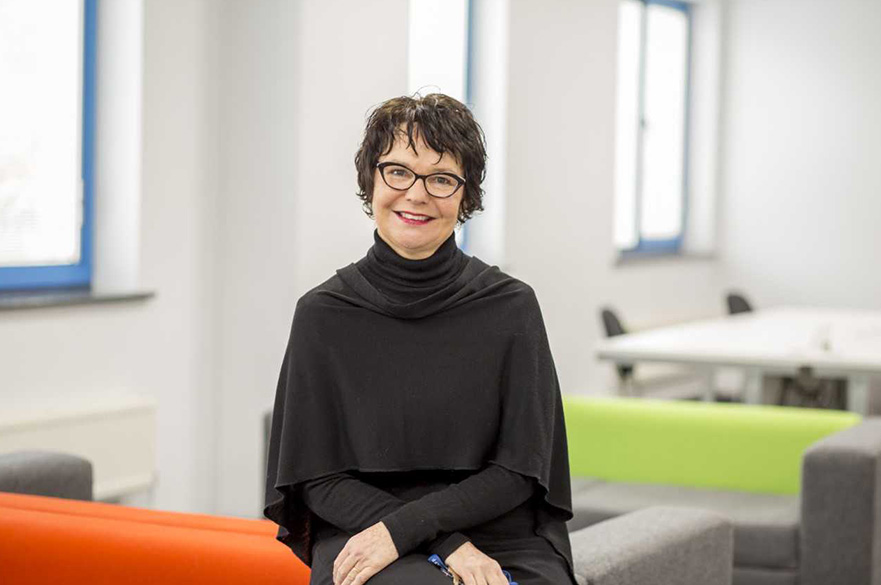
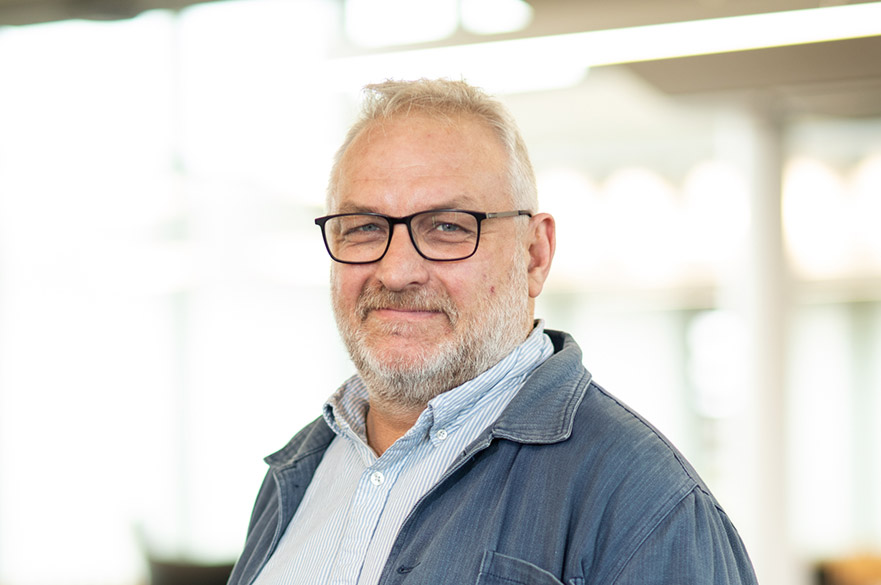
Who will teach you?

Entry requirements
UK students
- An undergraduate degree equivalent to a UK undergraduate honours degree at a 2.2 or above.
- Applications with a third class honours degree will need to provide details of relevant work experience as part of their application.
- A 300-500 word statement on: Explain why you selected MA Education (or particular pathway) and how do you see this developing your career? This submission is required as well as your personal statement. Submissions over the word count will not be considered.
Additional requirements for UK students
- Work experience is preferred, but applications will be considered without it.
APL credits
There are two common level 7 entry routes for applicants with APL into the course:
- PG Certificate in Education (with QTS) (maximum of 60 credits)
- Special Educational Needs Co-ordinator (NASENCO) award (maximum of 60 credits)
For applicants with a PGCE in Education from an NTU ITE course (i.e. 60 credits at level 7), their level 7 credits will be automatically accepted. For applicants who completed a PGCE ITE course at another university or gained level 7 credits from any non-ITE education course, consideration for APL on to the course will be considered on an individual basis.
Due to the rapidly changing nature of education, APL must occur within five years of having attained the award.
Please check the Student Finance Master's Loan eligibility criteria if you are applying for APL or RPL as you may not be eligible to use your credits for a Student Loan.
Other qualifications and experience
We welcome applications from students with non-standard qualifications and learning backgrounds and work experience. We consider credit transfer, vocational and professional qualifications, and any work or life experience you may have.
You can view our Recognition of Prior Learning and Credit Transfer Policy which outlines the process and options available, such as recognising experiential learning and credit transfer.
Getting in touch
If you need more help or information, get in touch through our enquiry form.
International students
International students can undertake the MA Education or an MA Education pathway as a full-time degree.
Academic entry requirements: An undergraduate degree equivalent to a UK undergraduate honours degree at a 2.2 or above. Applications with a third class honours degree will need to provide details of relevant work experience as part of their application.
We accept equivalent qualifications from all over the world. Please check your international entry requirements by country.
Other requirements: A 300-500 word statement on: Explain why you selected MA Education (or particular pathway) and how do you see this developing your career? This submission is required as well as your personal statement. Submissions over the word count will not be considered.
English language requirements: See our English language requirements page for requirements for your subject and information on alternative tests and Pre-sessional English.
Additional requirements for international students
- Work experience is preferred, but applications will be considered without it. We can find placements during the course for students without experience.
APL credits
There are two common level 7 entry routes for applicants with APL into the course:
- PG Certificate in Education (with QTS) (maximum of 60 credits)
- Special Educational Needs Co-ordinator (NASENCO) award (maximum of 60 credits)
For applicants with a PGCE in Education from an NTU ITE course (i.e. 60 credits at level 7), their level 7 credits will be automatically accepted. For applicants who completed a PGCE ITE course at another university or gained level 7 credits from any non-ITE education course, consideration for APL on to the course will be considered on an individual basis.
Due to the rapidly changing nature of education, APL must occur within five years of having attained the award.
Please check the Student Finance Master's Loan eligibility criteria if you are applying for APL or RPL as you may not be eligible for finance for the full 180 credits.
English language requirements
View our English language requirements for all courses, including alternative English language tests and country qualifications accepted by the University.
If you need help achieving the language requirements, we offer a Pre-Sessional English for Academic Purposes course on our City campus which is an intensive preparation course for academic study at NTU.
Other qualifications and experience
We welcome applications from students with non-standard qualifications and learning backgrounds and work experience. We consider credit transfer, vocational and professional qualifications, and any work or life experience you may have.
You can view our Recognition of Prior Learning and Credit Transfer Policy which outlines the process and options available, such as recognising experiential learning and credit transfer.
Sign up for emails
Sign up to receive regular emails from the International Office. You'll hear about our news, scholarships and any upcoming events in your country with our expert regional teams.
Getting in touch
If you need advice about studying at NTU as an international student or how to apply, our international webpages are a great place to start. If you have any questions about your study options, your international qualifications, experience, grades or other results, please get in touch through our enquiry form. Our international teams are highly experienced in answering queries from students all over the world.
Policies
We strive to make our admissions procedures as fair and clear as possible. To find out more about how we make offers, visit our admissions policies page.