This course is in Clearing.
Offers from 80 tariff points

About this course
If you're constantly creating, sharing, and thinking about digital content, this is your opportunity to turn that passion into a profession. Join our BA Content Creation degree in Nottingham and start building your future in the creator economy.
This course is designed for the next generation of creators, marketers, storytellers, and digital innovators. You'll learn how to create engaging content that grabs attention, builds audiences, and delivers real results across today's biggest social media platforms.
From day one, you'll get hands-on experience producing videos, creating social media campaigns, developing brands, and analysing what makes content perform. Whether you're interested in becoming a content creator, social media manager, digital marketer, or starting your own business, you'll build the skills and confidence to succeed.
What You'll Do
- Create content for platforms such as Instagram, TikTok, YouTube, and emerging digital channels.
- Develop professional video production, photography, design, and editing skills.
- Learn how to build audiences, grow engagement, and create content strategies.
- Work on live projects and collaborate with brands and industry partners.
- Explore storytelling, digital marketing, branding, and analytics.
- Build a professional portfolio throughout your degree, showcasing your creativity and skills to future employers.
Why Choose Content Creation?
The digital world is growing faster than ever, and organisations need talented content creators who understand both creativity and strategy. This course combines practical production skills with industry knowledge, helping you stand out in a competitive job market.
By the time you graduate, you'll have a portfolio packed with real-world projects, social media campaigns, video content, and creative work that demonstrates exactly what you can do.
Your Future Career
Our graduates are equipped for a wide range of exciting careers, including:
- Content Creator
- Social Media Manager
- Digital Marketing Executive
- Content Strategist
- Brand and Communications Officer
- Influencer Marketing Executive
- Freelance Creator
-

Gain hands-on industry experience
Gain real-world experience so you have the practical skills necessary to make it in your industry
-

Use industry-standard equipment
Master professional-grade production tools including DJI Osmo gimbals, Sony A7 series cameras, and the full Adobe Creative Cloud suite for post-production editing.
-

Work on live briefs
Boost your CV and industry connections by working on live briefs set by industry giants. Previous students have worked on briefs from big names including NSPCC, Splendour and BBC Children in Need.
-

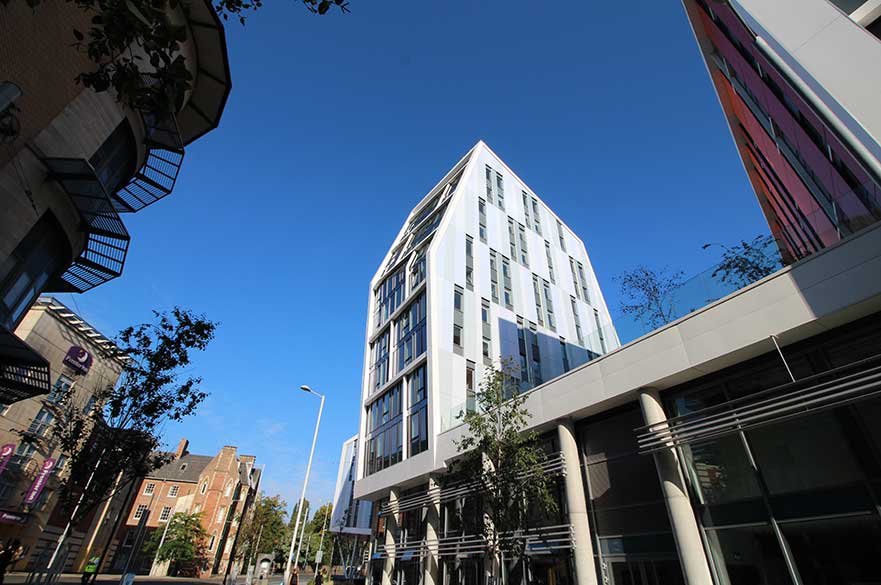
Study in the heart of Nottingham
One of Europe’s top 25 student cities, and home to over 75,000 learners.
Master the art of producing compelling content that cuts through the noise with this hands-on degree. Nottingham School of Art & Design's unique links with the creative industries make it the perfect place to develop your portfolio.
15
Module information
A standard full-time BA (Hons) course is made up of 120 credits studied each year. Some courses may vary, however, and you can find information on the total number of credits achieved per module below.
Here’s a breakdown of what you’ll be studying throughout the course:
Core Modules
This module equips you with the essential practical skills to create impactful short-form content for social media platforms like TikTok, Instagram, and YouTube Shorts. You will learn how to plan, shoot, and edit engaging video and photo content.
40 credits
This module focuses on the essential skills for building and refining a brand in the digital space. You will learn how to define your online presence through content pillars, strategic frameworks, and targeted audience analysis, enabling you to craft a cohesive and authentic brand. The module covers social media audits, content planning, and platform-specific strategies.
20 credits
This module takes you through the complete process of a social media campaign, from planning and design to execution and performance analysis. You will learn to develop effective campaign strategies, create compelling content, and apply graphic design principles to enhance their visuals. You will also gain practical skills in both creative and analytical aspects of digital marketing, analysing data to measure success and adapting strategies based on real-time performance insights.
40 credits
This module focuses on ethical considerations in content creation. You will gain an understanding of copyright, fair use, and content ownership while exploring ethical issues such as the use of AI, representation, misinformation, freedom of speech, digital harm, and the responsibilities of content creators. Through case studies, you will examine real-world situations, exploring the balance between creativity, legal boundaries, and ethical practice in the digital landscape.
20 credits
credits
credits
credits
credits
credits
credits
credits
credits
credits
credits
credits
credits
credits
credits
credits
credits
credits
credits
credits
credits
credits
credits
credits
credits
credits
credits
credits
credits
credits
credits
credits
credits
credits
credits
credits
credits
credits
credits
credits
credits
credits
credits
credits
credits
credits
credits
credits
credits
credits
credits
credits
credits
credits
credits
credits
credits
credits
credits
credits
credits
credits
credits
credits
credits
credits
credits
credits
credits
credits
credits
credits
credits
credits
credits
credits
credits
credits
credits
credits
credits
credits
credits
credits
credits
credits
credits
credits
credits
credits
credits
credits
credits
credits
credits
credits
credits
credits
credits
credits
credits
credits
credits
credits
credits
credits
credits
credits
credits
credits
credits
credits
credits
credits
credits
credits
credits
credits
credits
credits
credits
credits
credits
credits
credits
credits
credits
credits
credits
credits
credits
credits
credits
credits
credits
credits
credits
credits
credits
credits
credits
credits
credits
credits
credits
credits
credits
credits
credits
credits
credits
credits
credits
credits
credits
credits
credits
credits
credits
credits
credits
credits
credits
credits
credits
credits
credits
credits
credits
credits
credits
credits
You will study one 20-credit Optional Module. There are a range of optional 20-credit modules - these options add personalisation to your course and cover content related to your course subject area. The Optional modules may change year on year and we purposely update these regularly to allow for industry input and innovations in the subject.
Core Modules
This module equips you with the practical skills needed to produce high-quality podcasts and live-stream events, with a focus on audio production, live interaction, multi-camera setups, and audience engagement. You will learn technical aspects like multi-camera mixing, OBS, and audio editing, while also honing journalistic skills such as interviewing, storytelling, and audience-focused content creation. You will explore strategies for building and maintaining an engaged audience while ensuring content is both compelling and professionally produced.
40 credits
This module focuses on creating high-quality, narrative-driven long-form content (6-10 minutes), covering everything from pre-production to advanced filming and editing and AI workflows. You will explore different genres and formats, learning how to tell engaging stories through long-form projects like documentaries, short films, music videos, and promotional content.
40 credits
Through active participation with team-based problem solving, you will work together in mixed teams on a project where you will use your creative ideas to generate solutions to the challenge or brief. Your project will allow you to explore how creativity can make an impact in society, as you choose a theme of sustainability, social justice, enterprise and innovation or community. This collaborative learning experience will expose you to a range of new processes and approaches that will develop your creative thinking.
20 credits
credits
credits
credits
credits
credits
credits
credits
credits
credits
credits
credits
credits
credits
credits
credits
credits
credits
credits
credits
credits
credits
credits
Optional Modules
This module explores the fast-paced world of digital marketing and communication in fashion and lifestyle. You'll analyse digital brand experiences, experiment with new technologies, and develop a concept proposal with prototype designs. Through individual and group projects, you'll build skills in data analytics, user experience, digital strategy, and storytelling to enhance customer engagement across digital platforms.
20 credits
Using a given theme, this optional module will broaden your technical and theoretical practice in the subject of motion design. You will produce a piece of short form motion design. Encompassing the use of key fundamentals such as pace, flow, narrative and audio. Whilst responding to the needs of the audience through purpose, context and environment. Studied in mixed-course groups, this module encourages personalisation and cross-course collaboration while helping you build you motion portfolio and skillset.
20 credits
This optional module lets you personalise your course and collaborate with students from across the Nottingham School of Art & Design. Through seminars, case studies, and practical workshops, you'll explore the full process of producing a fashion magazine editorial and cover shoot, from concept to final edit, while developing technical, creative, and collaborative skills in a simulated industry environment.
20 credits
This module provides a detailed exploration of Virtual Production, a cutting-edge filmmaking technique that integrates live-action footage with digital environments in real-time. Students will explore a range of advanced technologies such as CGI, augmented reality, motion capture, and LED walls in order to shoot content using immersive and realistic virtual sets. The module will introduce students to the workflow of Virtual Production, from pre-visualisation and real-time engine integration to in-camera visual effects and performance capture.
20 credits
This module offers the opportunity to work on a live commercial brief from an established record label, developing and producing a music video for multimedia platforms such as YouTube, TikTok, and Instagram. You'll pitch your own concept, then collaborate in cross-course teams to produce the selected idea. The module builds creative, technical, and professional skills in areas including research, direction, filming, editing, ethical practice, and industry-focused teamwork.
20 credits
Explore how photography can respond to the world around you in this optional module. Through workshops and seminars, you'll experiment with analogue and digital techniques, develop visual responses to contemporary issues, and produce original photographic work. This module offers the chance to personalise your course and collaborate with students from across the School of Art & Design.
20 credits
Students will gain a broad understanding of how to create and use live events as part of a wider portfolio of activations to create a narrative and shape a conversation. Students will be introduced to the key themes within creative live event production including creating concepts/pitch decks, the importance of location, technical considerations such as lighting, sound and set and the power of collaboration as the centre of successful creative event production.
20 credits
In Sound Art & Design we explore sound as an artistic medium with various applications in the creative industries. Drawing from a wide range of sound practitioners and critical analyses, this module offers a platform for sound research and experimentation, allowing you to create innovative, research-informed listening experiences. Through a set of practical tasks, you will develop a personal portfolio of sound artefacts and research, enhancing your creative practice.
20 credits
credits
credits
credits
credits
credits
credits
credits
credits
credits
credits
credits
credits
credits
credits
credits
credits
credits
credits
credits
credits
credits
credits
credits
credits
credits
credits
credits
credits
credits
credits
credits
credits
credits
credits
credits
credits
credits
credits
credits
credits
credits
credits
credits
credits
credits
credits
credits
credits
credits
credits
credits
credits
credits
credits
credits
credits
credits
credits
credits
credits
credits
credits
credits
credits
credits
credits
credits
credits
credits
credits
credits
credits
credits
credits
credits
credits
credits
credits
credits
credits
credits
credits
credits
credits
credits
credits
credits
credits
credits
credits
credits
credits
credits
credits
credits
credits
credits
credits
credits
credits
credits
credits
credits
credits
credits
credits
credits
credits
credits
credits
credits
credits
credits
credits
credits
credits
credits
credits
credits
credits
credits
credits
credits
credits
credits
credits
credits
credits
credits
credits
credits
credits
credits
credits
credits
credits
credits
credits
credits
credits
credits
credits
Placement year routes
We have an option for all of our students to undertake a placement year and allow you to decide whether this is right for you once you have completed years 1 and 2 of your course. This time spent working in industry provides our students with crucial work experience, which is highly prized and much sought after by employers upon graduation. If you are successful in securing a placement you will have the chance to gain an additional Certificate or Diploma in Professional Practice, dependent on duration.
The additional placement year incurs a fee. For international students considering the transfer to the 4-yr SW route it's important to seek advice from the International Student Support team and the Home Office regarding any potential visa implications and costs. For UK students, advice should also be sought regarding SLC eligibility, if applicable.
* If you choose to take the sandwich route option, you will need to apply for this course by using the full-time UCAS code.
0 credits
If you're studying on our sandwich route you can also opt to study abroad for a full academic year, or for a semester, during Year Three. This is an optional and additional period of study that complements your degree at NTU as an alternative to taking a work placement.
This is an exciting opportunity to experience a different national culture, teaching and learning styles and subjects in an international environment. The destination university must be a year abroad / exchange partner of NTU or member of a formally recognised scheme such as the International Student Exchange Programme (ISEP).
Our NTU Global and student mobility team will support you in finding the right opportunity from one of the many international partners available around the world.
Successful completion of a period of international study will earn you a standalone award an International Study Certificate (minimum six weeks) or the International Study Diploma (minimum 36 weeks).
credits
credits
credits
credits
credits
credits
credits
credits
credits
credits
credits
credits
credits
credits
credits
credits
credits
credits
credits
credits
credits
credits
credits
credits
credits
credits
credits
credits
credits
credits
credits
credits
credits
credits
credits
credits
credits
credits
credits
credits
credits
credits
credits
credits
credits
credits
credits
credits
credits
credits
credits
credits
credits
credits
credits
credits
credits
credits
credits
credits
credits
credits
credits
credits
credits
credits
credits
credits
credits
credits
credits
credits
credits
credits
credits
credits
credits
credits
credits
credits
credits
credits
credits
credits
credits
credits
credits
credits
credits
credits
credits
credits
credits
credits
credits
credits
credits
credits
credits
credits
credits
credits
credits
credits
credits
credits
credits
credits
credits
credits
credits
credits
credits
credits
credits
credits
credits
credits
credits
credits
credits
credits
credits
credits
credits
credits
credits
credits
credits
credits
credits
credits
credits
credits
credits
credits
credits
credits
credits
credits
credits
credits
credits
credits
credits
credits
credits
credits
credits
credits
credits
credits
credits
credits
credits
credits
credits
credits
credits
credits
credits
credits
credits
credits
credits
credits
credits
credits
credits
credits
credits
credits
credits
credits
Core Modules
This module gives you the opportunity to explore emerging technology and trends whilst researching, developing, and planning your final content project. You will test your concepts and refine your ideas before moving into production in Semester 2. You will consider your audience and distribution, and create a clear plan for how your project will be realised. The module concludes with a presentation of your proposed project, which will be signed off as the foundation for your final work.
20 credits
In this module, you will begin by researching the current state of the content creation industry to understand the trends, challenges, and opportunities shaping professional practice. This knowledge will inform your approach as you work on a series of real or simulated client briefs, helping you to respond in ways that are relevant, creative, and industry-aware. Through these projects, you will build a portfolio of client-focused work while developing essential professional skills such as organisation, project management, and teamwork.
40 credits
This capstone module is where you bring together everything you have learned throughout the course to create a final content project. You will choose the format, platform, and style of your project, allowing you to showcase your individual strengths, creativity, and professional skills. You will also write a reflection on your personal growth and an analysis of your final project. The module is designed to give you the freedom to define how you want to conclude your degree, producing a substantial piece of work that demonstrates your readiness for industry or further creative pursuits.
40 credits
This module supports you in preparing for life after graduation by developing a clear career plan and a professional portfolio that showcases your skills. You will carry out a skills audit, explore potential career paths, and create a business or development plan to guide your next steps. Alongside this, you will produce a portfolio of work across different content areas (such as photography, filming, and editing), build a professional online presence, and refine your CV. The module concludes with a presentation of your career plan and portfolio as the final assessment.
20 credits
credits
credits
credits
credits
credits
credits
credits
credits
credits
credits
credits
credits
credits
credits
credits
credits
credits
credits
credits
credits
credits
credits
credits
credits
credits
credits
credits
credits
credits
credits
credits
credits
credits
credits
credits
credits
credits
credits
credits
credits
credits
credits
credits
credits
credits
credits
credits
credits
credits
credits
credits
credits
credits
credits
credits
credits
credits
credits
credits
credits
credits
credits
credits
credits
credits
credits
credits
credits
credits
credits
credits
credits
credits
credits
credits
credits
credits
credits
credits
credits
credits
credits
credits
credits
credits
credits
credits
credits
credits
credits
credits
credits
credits
credits
credits
credits
credits
credits
credits
credits
credits
credits
credits
credits
credits
credits
credits
credits
credits
credits
credits
credits
credits
credits
credits
credits
credits
credits
credits
credits
credits
credits
credits
credits
credits
credits
credits
credits
credits
credits
credits
credits
credits
credits
credits
credits
credits
credits
credits
credits
credits
credits
credits
credits
credits
credits
credits
credits
credits
credits
credits
credits
credits
credits
credits
credits
credits
credits
credits
credits
credits
credits
credits
credits
credits
credits
credits
credits
credits
credits
credits
credits
credits
credits
credits
credits
credits
credits
credits
credits
credits
credits
credits
credits
credits
credits
credits
credits
credits
credits
credits
credits
credits
credits
credits
credits
credits
credits
credits
credits
credits
credits
credits
credits
credits
credits
credits
credits
credits
credits
credits
credits
credits
credits
credits
credits
credits
credits
credits
credits
credits
credits
credits
credits
credits
credits
credits
credits
credits
credits
credits
credits
credits
credits
credits
credits
credits
credits
credits
credits
credits
credits
credits
credits
credits
credits
credits
credits
credits
credits
credits
credits
credits
credits
credits
credits
credits
credits
credits
credits
credits
credits
credits
credits
credits
credits
credits
credits
credits
credits
credits
credits
credits
credits
credits
credits
credits
credits
credits
credits
credits
credits
credits
credits
credits
credits
credits
credits
credits
credits
credits
credits
credits
credits
credits
credits
credits
credits
credits
credits
credits
credits
credits
credits
credits
credits
credits
credits
credits
credits
credits
credits
credits
credits
credits
credits
credits
credits
credits
credits
credits
credits
credits
credits
credits
credits
credits
credits
credits
credits
credits
credits
credits
credits
credits
credits
credits
credits
credits
credits
credits
credits
credits
credits
credits
credits
credits
credits
credits
credits
credits
credits
credits
credits
credits
credits
credits
credits
credits
credits
credits
credits
credits
credits
credits
credits
credits
credits
credits
credits
credits
credits
credits
credits
credits
credits
credits
credits
credits
credits
credits
credits
credits
credits
credits
credits
credits
credits
credits
credits
credits
credits
credits
credits
credits
credits
credits
credits
credits
credits
credits
credits
credits
credits
credits
credits
credits
credits
credits
credits
credits
credits
credits
credits
credits
credits
credits
credits
credits
credits
credits
credits
credits
credits
credits
credits
credits
credits
credits
credits
credits
credits
credits
credits
credits
credits
credits
credits
credits
credits
credits
credits
credits
credits
credits
credits
credits
credits
credits
credits
credits
credits
credits
credits
credits
credits
credits
credits
credits
credits
credits
credits
credits
credits
credits
credits
credits
credits
credits
credits
credits
credits
credits
credits
credits
credits
credits
credits
credits
credits
credits
credits
credits
credits
credits
credits
credits
credits
credits
credits
credits
credits
credits
credits
credits
credits
credits
credits
credits
credits
credits
credits
credits
credits
credits
credits
credits
credits
credits
credits
credits
credits
credits
credits
credits
credits
credits
credits
credits
credits
credits
credits
credits
credits
credits
credits
credits
credits
credits
credits
credits
credits
credits
credits
credits
credits
credits
credits
credits
credits
credits
credits
credits
credits
credits
credits
credits
credits
credits
credits
credits
credits
credits
credits
credits
credits
credits
credits
credits
credits
credits
credits
credits
credits
credits
credits
credits
credits
credits
credits
credits
credits
credits
credits
credits
credits
credits
credits
credits
credits
credits
credits
credits
credits
credits
credits
credits
credits
credits
credits
credits
credits
credits
credits
credits
credits
credits
credits
credits
credits
credits
credits
credits
credits
credits
credits
credits
credits
credits
credits
credits
credits
credits
credits
credits
credits
credits
credits
credits
credits
credits
credits
credits
credits
credits
credits
credits
credits
credits
credits
credits
credits
credits
credits
credits
credits
credits
credits
credits
credits
credits
credits
credits
credits
credits
credits
credits
credits
credits
credits
credits
credits
credits
credits
credits
credits
credits
credits
credits
credits
credits
credits
credits
credits
credits
credits
credits
credits
credits
credits
credits
credits
credits
credits
credits
credits
credits
credits
credits
credits
credits
credits
credits
credits
credits
credits
credits
credits
credits
credits
credits
credits
credits
credits
credits
credits
credits
credits
credits
credits
credits
credits
credits
credits
credits
credits
credits
credits
credits
credits
credits
credits
credits
credits
credits
credits
credits
credits
credits
credits
credits
credits
credits
credits
credits
credits
credits
credits
credits
credits
credits
credits
credits
credits
credits
credits
credits
credits
credits
credits
credits
credits
credits
credits
credits
credits
credits
credits
credits
credits
credits
credits
credits
credits
credits
credits
credits
credits
credits
credits
credits
credits
credits
credits
credits
credits
credits
credits
credits
credits
credits
credits
credits
credits
credits
credits
credits
credits
credits
credits
credits
credits
credits
credits
credits
credits
credits
credits
credits
credits
credits
credits
credits
credits
credits
credits
credits
credits
credits
credits
credits
credits
credits
credits
credits
credits
credits
credits
credits
credits
credits
credits
credits
credits
credits
credits
credits
credits
credits
credits
credits
credits
credits
credits
credits
credits
credits
credits
credits
credits
credits
credits
credits
credits
credits
credits
credits
credits
credits
credits
credits
credits
credits
credits
credits
credits
credits
credits
credits
credits
credits
credits
credits
credits
credits
credits
credits
credits
credits
credits
credits
credits
credits
credits
credits
credits
credits
credits
credits
credits
credits
credits
credits
credits
credits
credits
credits
credits
credits
credits
credits
credits
credits
credits
credits
credits
credits
credits
credits
credits
credits
credits
credits
credits
credits
credits
credits
credits
credits
credits
credits
credits
credits
credits
credits
credits
credits
credits
credits
credits
credits
credits
credits
credits
credits
credits
credits
credits
credits
credits
credits
credits
credits
credits
credits
credits
credits
credits
credits
credits
credits
credits
credits
credits
credits
credits
credits
credits
credits
credits
credits
credits
credits
credits
credits
credits
credits
credits
credits
credits
credits
credits
credits
credits
credits
credits
credits
credits
credits
credits
credits
credits
credits
credits
credits
credits
credits
credits
credits
credits
credits
credits
credits
credits
credits
credits
credits
credits
credits
credits
credits
credits
credits
credits
credits
credits
credits
credits
credits
credits
credits
credits
credits
credits
credits
credits
credits
credits
credits
credits
credits
credits
credits
credits
credits
credits
credits
credits
credits
credits
credits
credits
credits
credits
credits
credits
credits
credits
credits
credits
credits
credits
credits
credits
credits
credits
credits
credits
credits
credits
credits
credits
credits
credits
credits
credits
credits
credits
credits
credits
credits
credits
credits
credits
credits
credits
credits
credits
credits
credits
credits
credits
credits
credits
credits
credits
credits
credits
credits
credits
credits
credits
credits
credits
credits
credits
credits
credits
credits
credits
credits
credits
credits
credits
credits
credits
credits
credits
credits
credits
credits
credits
credits
credits
credits
credits
credits
credits
credits
credits
credits
credits
credits
credits
credits
credits
credits
credits
credits
credits
credits
credits
credits
credits
credits
credits
credits
credits
credits
credits
credits
credits
credits
credits
credits
credits
credits
credits
credits
credits
credits
credits
credits
credits
credits
credits
credits
credits
credits
credits
credits
credits
credits
credits
credits
credits
credits
credits
credits
credits
credits
credits
credits
credits
credits
credits
credits
credits
credits
credits
credits
credits
credits
credits
credits
credits
credits
credits
credits
credits
credits
credits
credits
credits
credits
credits
credits
credits
credits
credits
credits
credits
credits
credits
credits
credits
credits
credits
credits
credits
credits
credits
credits
credits
credits
credits
credits
credits
credits
credits
credits
credits
credits
credits
credits
credits
credits
credits
credits
credits
credits
credits
credits
credits
credits
credits
credits
credits
credits
credits
credits
credits
credits
credits
credits
credits
credits
credits
credits
credits
credits
We regularly review our course content based on student and employer feedback to ensure they remain current and relevant. This may result in changes to module content or availability in future years. Optional modules will only run where there is sufficient demand. This will be determined on a case-by-case basis to protect the academic and student experience.
Student experience



Student Showcase
How you're taught
Within individual modules the delivery of the material encourages increasing levels of skill development and student participation, ensuring that, as you progress through the course, you become a more confident and independent learner. We aim to include a range of methods of delivery that may include;
- Lectures
- Seminars
- Workshop
- Group tutorials
- Academic Tutorials (ATs)
- Presentations and Pitches
- Team working
- Independent learning
- Visiting industry professionals
All the modes of delivery are structured to develop on-going abilities and skills through exploring ideas and problem solving.
Assessment
Assessment tasks are designed to challenge students, and to allow them to demonstrate their own creativity and independent research. Assessment design is moderated to ensure students can demonstrate the full range of learning, skills and attributes and to confirm its relevance to the development of the skills needed for the workplace and for further study.
A range of assessment types are used allowing students to demonstrate that they have met the module outcomes. All summative assessment is aligned to formative development of the skills needed. Assessment feedback is developmental and aligned to learning outcomes. Formative feedback includes peer, employer and staff feedback and may be written or verbal. For some modules, there will be a range of submission methods available to offer a degree of personalisation.
Showcase
You will be given the opportunity to exhibit your work during your time at NTU to members of the creative industries.
Artificial Intelligence and Innovation in Content Creation
In the BA Content Creation course, students explore how AI can shape and enhance the creative process, from developing concepts and crafting narratives to planning and producing content. The course encourages hands-on experimentation with AI tools to spark ideas, refine storytelling, and push creative boundaries, while fostering critical discussion around the ethical and cultural impact of AI in content creation. Students also gain exposure to industry innovators using AI in real-world projects, offering practical insights and a view of emerging trends.
Find out more about AI, Creativity and Innovation at the Nottingham School of Art & Design.
Contact hours
For each 20-credit module, you’ll spend about 200 hours learning overall. Around 40 of those hours will be taught in lectures or seminars. The rest of the time is for independent study, reading, research, or working on assignments.
Who will teach you?


Entry requirements
This course is in Clearing
Looking for a place in Clearing? We are accepting applications and would love to hear from you!
UK students
Clearing requirements
From 80 UCAS tariff points from up to 4 qualifications.
To discuss our entry requirements and see what we can offer you, call us now on +44 (0)115 848 6000. Alternatively, if you already have your qualifications, apply online via our Clearing Application form.
Additional requirements:
To find out what qualifications have tariff points, please use our tariff calculator.
Additional requirements for UK students
There are no additional requirements for this course.
Contextual offers
We consider every application in the context of your individual circumstances and educational background. This may include information about where you live, the school or college you attended, or experiences that may have shaped your educational journey. This is known as a contextual offer, and we use information provided through UCAS to help inform our decisions. By considering achievement in context, we can better recognise academic potential and ensure applicants are assessed as fairly and fully as possible. Please note we do not make contextual offers during Clearing.
Meeting our entry requirements
Hundreds of qualifications in the UK have UCAS Tariff points attached to specific grades, including A-levels, BTECs, T Levels and many more. You can use your grades and points from up to four different qualifications to meet our criteria. Enter your predicted or achieved grades into our Tariff calculator to find out how many points your qualifications are worth.
Other qualifications and experience
NTU welcomes applications from students with non-standard qualifications and learning backgrounds, either for year one entry or for advanced standing beyond the start of a course into year 2 or beyond.
We consider study and/or credit achieved from a similar course at another institution (otherwise known as credit transfer), vocational and professional qualifications, and broader work or life experience.
Our Recognition of Prior Learning and Credit Transfer Policy outlines the process and options available for this route. If you wish to apply via Recognition of Prior Learning, please contact the central Admissions and Enquiries Team who will be able to support you through the process.
Getting in touch
If you need more help or information, get in touch through our enquiry form.
International students
Clearing requirements
From 80 UCAS tariff points from up to 4 qualifications.
To discuss our entry requirements and see what we can offer you, call us now on +44 (0)115 848 6000. Alternatively, if you already have your qualifications, apply online via our Clearing Application form.
Additional requirements:
English language requirements: See our English language requirements page for requirements for your subject and information on alternative tests and Pre-sessional English.
Additional requirements for international students
If you need help achieving the academic entry requirements, we offer a Foundation preparation course for this degree. The course is offered through our partner Nottingham Trent International College (NTIC) based on our City campus.
English language requirements
View our English language requirements for all courses, including alternative English language tests and country qualifications accepted by the University.
If you need help achieving the language requirements, we offer a Pre-Sessional English for Academic Purposes course on our City campus which is an intensive preparation course for academic study at NTU.
Other qualifications and experience
If you have the right level of qualifications, you may be able to start your Bachelors degree at NTU in year 2 or year 3. This is called ‘advanced standing’ entry and is decided on a case-by case basis after our assessment of your qualifications and experience.
You can view our Recognition of Prior Learning and Credit Transfer Policy which outlines the process and options available, such as recognising experiential learning and credit transfer.
Sign up for emails
Sign up to receive regular emails from the International Office. You'll hear about our news, scholarships and any upcoming events in your country with our expert regional teams.
Getting in touch
If you need advice about studying at NTU as an international student or how to apply, our international webpages are a great place to start. If you have any questions about your study options, your international qualifications, experience, grades or other results, please get in touch through our enquiry form. Our international teams are highly experienced in answering queries from students all over the world.
Policies
We strive to make our admissions procedures as fair and clear as possible. To find out more about how we make offers, visit our admissions policies page.