Music Business and Management - London BA (Hons)
UCAS code: W379

About this course
This degree is delivered at our London Campus in Whitechapel.
This course gives you the opportunity to develop the advanced skills, knowledge and technological understanding necessary to succeed as a multifaceted music business practitioner in a music industry where creative technologies continue to transform the creation, production, performance and distribution of music.
-

Gain hands-on industry experience
Gain real-world experience so you have the practical skills necessary to make it in your industry.
-

Work on live briefs
Boost your portfolio and industry connections by working on live briefs set by industry giants.
-

Launch Your Career with Denizen Records
Gain hands-on experience with Denizen Records, our in-house label. Collaborate on real releases, receive mentorship from industry professionals, and develop skills in A&R, marketing, and artist management to kickstart your music business career.
-

Start your creative journey in London
Students on all courses across music, content and events work together to perform in an annual large scale, content rich, immersive festival of music for the public with external acts as headliners.
To sustain a career in the music business, you must have a broad scope of knowledge across the different sectors of the industry and how they interact with each other and generate revenue. New technologies continue to merge the various functions of the recording, publishing and live industries into a range of artist services. This continually advancing technological revolution enables today’s industry practitioners to fulfil the traditional roles of manager, label, distributor, publisher, promoter and marketeer themselves.
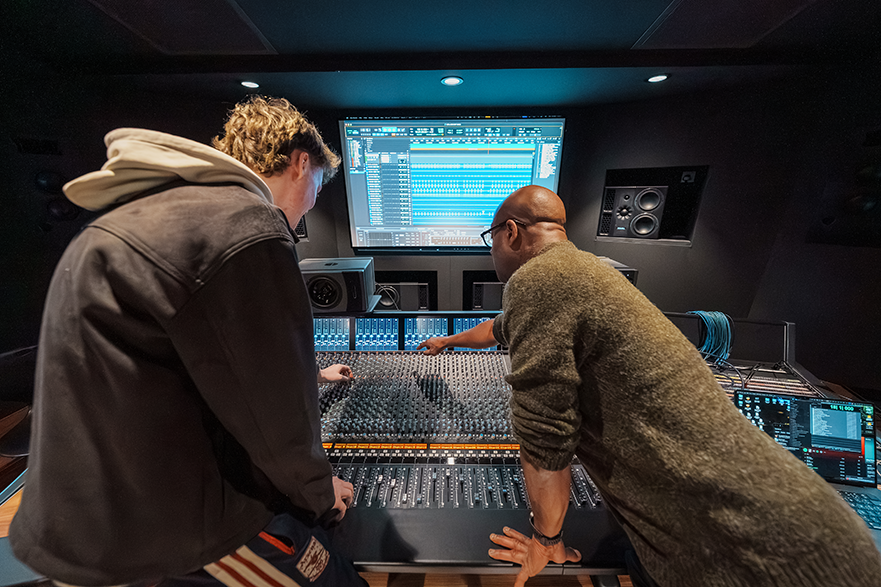
In addition to these wide-ranging skill sets and bodies of knowledge, to be a successful industry practitioner, you must also understand how contemporary music is made. You need a working knowledge of how to use DAWs, sample packs and plug-ins, and experience how musicians and producers work in the recording studio. The use of technology to gain insights into demographics, markets, fan engagement and the performance of projects is essential, in addition to the ability to create marketing assets and spreadsheets. It is important to develop soft skills and the ability to manage many projects simultaneously. Having a compelling professional identity and an understanding of how to market yourself effectively is essential.
This course aims to give you an education that encompasses all these facets. It offers the broad technical education you need to thrive in all the key areas of the music industry and the knowledge you need to sustain a successful career in the music industry.
15
Module information
A standard full-time BA (Hons) course is made up of 120 credits studied each year. Some courses may vary, however, and you can find information on the total number of credits achieved per module below.
Here’s a breakdown of what you’ll be studying throughout the course:
Core modules
Increasing access to technology continues to transform the music and creative industries. In this more democratised environment, with narrow job roles converging and evolving, the modern music industry practitioner must be both generalist and specialist.
Successful music business practitioners are often required to take control of promotion, advertising, merchandise and packaging of music product. They need to understand the how modern music is recorded and produced, and the technical language used in this process.
In this module you will produce audio and visual assets using a Digital Audio Workstation (DAW) and other essential software tools.
20 credits
Live music events play a pivotal role in the music business. They are the lifeblood of the industry, helping to develop artists, grow fanbases and generate revenue. Be it live bands or DJs, a single gig in a venue or a multi-day festival, live performance events are products that need clear brand identities. Whether they are highly commercial or grassroots, a live event is a product with an audience and a set of interrelated legal, commercial, financial and logistical elements.
In this module you will appraise the key revenue streams and business roles essential for the effective management of live music events. You will be introduced to key legislative and regulatory frameworks and discuss current issues affecting the live music industry.
20 credits
Music is ubiquitous in human culture. It is used for entertainment, ceremonial, social or cultural purposes and has evolved into a vast ecosystem of related businesses. The popular music industry, from the US and UK in the 1950s has expanded with more countries developing their domestic music into exciting product that attracts new global audiences.
In this module you will explore a wide range of game-changing people and businesses from the world of contemporary popular music. Be it artists, bands and producers to the founders of influential record labels and publishers, you will start to understand who these significant figures and organisations are and so recognise how the industry continues to be shaped by the work of these founding individuals.
20 credits
In this module you will explore the breadth of the creative industries landscape and then focus on a specific business area in detail. You will analyse market data and other information to devise a creative project and pitch it to a panel. Working collaboratively, you will learn how to use a range of tools to analyse and present your findings in a group presentation which will include slides, infographics and a concise persuasive paper to substantiate your argument.
20 credits
Live music events play a pivotal role in the music business. They are the lifeblood of the industry, helping to develop artists, grow fanbases and generate revenue. Be it live bands or DJs, a single gig in a venue or a multi-day festival, live performance events are products that need clear brand identities and effective marketing strategies. Whether they are highly commercial or grassroots, a live event is a product with an audience and a set of interrelated legal, commercial, financial and logistical elements.
In this module you will put your knowledge of the live music sector into practice. You will learn current marketing techniques and approaches and use them to find an audience and promote a live event.
20 credits
Technological innovation has shaped the creation, consumption and distribution of popular music since the early 20th Century. This ongoing transformation provides both opportunities and challenges for all music industry practitioners to understand, overcome and harness.
In this module you will investigate key transformational technologies in the modern music industry and discuss the legal and commercial issues these innovations have produced.
20 credits
credits
credits
credits
credits
credits
credits
credits
credits
credits
credits
credits
credits
credits
credits
credits
credits
credits
credits
credits
credits
credits
credits
credits
credits
credits
credits
credits
credits
credits
credits
credits
credits
credits
credits
credits
credits
credits
credits
credits
credits
credits
credits
credits
credits
credits
credits
credits
credits
credits
credits
credits
credits
credits
credits
credits
credits
credits
credits
credits
credits
credits
credits
credits
credits
credits
credits
credits
credits
credits
credits
credits
credits
credits
credits
credits
credits
credits
credits
credits
credits
credits
credits
credits
credits
credits
credits
credits
credits
credits
credits
credits
credits
credits
credits
credits
credits
credits
credits
credits
credits
credits
credits
credits
credits
credits
credits
credits
credits
credits
credits
credits
credits
credits
credits
credits
credits
credits
credits
credits
credits
credits
credits
credits
credits
credits
credits
credits
credits
credits
credits
credits
credits
credits
credits
credits
credits
credits
credits
credits
credits
credits
credits
credits
credits
credits
credits
credits
credits
credits
credits
credits
credits
credits
credits
credits
credits
credits
credits
credits
credits
credits
credits
credits
credits
credits
credits
credits
credits
credits
Core modules
The recorded music industry has been revolutionised by a new range of technology-based companies that have made the distribution of tracks more accessible than ever before. There are a bewildering array of platforms and formats available to music creators and their business partners and the barrier to entry is extremely low, resulting in a mind-blowing amount of new music available every day.
This module will look at the myriad platforms, tools and methods available to distribute recorded music and critically evaluate the suitability of each one for a range of scenarios. You will examine all aspects of the music distribution process, including contracts, music rights, distribution methods, platforms, marketing and revenues.
20 credits
The music industry has been shaped by both technological developments and pioneering individuals. This module focuses on the influential people who have changed the music business and critically analyses the impact these figures have made on the industry.
This module will investigate game-changing individuals in each of the key pillars of the music industry namely live, recording, publishing and management. In addition to looking at their notable achievements and personal approaches, the module will critically evaluate their impact on the cultural, ethical and artistic landscape of the music industry.
20 credits
Through active participation with team-based problem solving, you will work together in mixed teams on a project where you will use your creative ideas to generate solutions to the challenge or brief. Your project will allow you to explore how creativity can make an impact in society, as you choose a theme of sustainability, social justice, enterprise and innovation or community. This collaborative learning experience will expose you to a range of new processes and approaches that will develop your creative thinking.
20 credits
The recorded music industry has been revolutionised by a new range of technology-based companies that have made the distribution of tracks more accessible than ever before. There are a bewildering array of platforms and formats available to music creators and their business partners and the barrier to entry is extremely low, resulting in a mind-blowing amount of new music available every day.
In this module you will produce a recorded music product with a release strategy, budget and targeted marketing assets. Working with an artist or band of your choice, you will select an appropriate A&R process to develop a track from discovery to a convincing release and use relevant marketing strategies to reach your target audience. Bringing together your track, marketing assets, release strategy and budget you will pitch your project to an expert panel.
20 credits
Music is ubiquitous in human culture. It is used for entertainment, ceremonial, social or cultural purposes and has evolved into a vast ecosystem of related businesses. The popular music industry, from the US and UK in the 1950s has expanded with more countries developing their domestic music into exciting product that attracts new global audiences.
In this module, you will discuss contemporary ethical, cultural, economic and political issues affecting the primary business areas of the music industry. You will examine current legal and regulatory frameworks in addition to industry bodies and trade associations. The module will challenge you to develop your own perspectives on the key challenges all facets of the music industry face.
20 credits
credits
credits
credits
credits
credits
credits
credits
credits
credits
credits
credits
credits
credits
credits
credits
credits
credits
credits
credits
credits
Optional modules - choose one
This module offers the opportunity to work on a live commercial brief from an established record label, developing and producing a music video for multimedia platforms such as YouTube, TikTok, and Instagram. You'll pitch your own concept, then collaborate in cross-course teams to produce the selected idea. The module builds creative, technical, and professional skills in areas including research, direction, filming, editing, ethical practice, and industry-focused teamwork.
20 credits
In this module, you will develop a range of sound design skills that will allow you to complete various sound design briefs, for example in the large industries of films and gaming, but equally for personal content creation or public-facing events or media, such as exhibitions and podcasts. You will learn how to analyse existing sounds for recreation and how to manipulate audio to generate new content. The module will provide a creative, practical and playful approach to the discipline, using sampling, synthesis and recording techniques.
20 credits
This creative, practical module is designed for aspiring artists and songwriters who wish to refine both their songwriting craft and captivate audiences with their live performance skills.
You will explore the art of songwriting, exploring lyric composition, melody creation, and the intricacies of performing your original music live.
With hands-on workshops and expert-led feedback sessions, you'll develop your unique sound and hone your performance skills in a supportive environment. You will engage in collaborative projects and live showcases, gaining invaluable experience in songwriting and live performance.
20 credits
credits
credits
credits
credits
credits
credits
credits
credits
credits
credits
credits
credits
credits
credits
credits
credits
credits
credits
credits
credits
credits
credits
credits
credits
credits
credits
credits
credits
credits
credits
credits
credits
credits
credits
credits
credits
credits
credits
credits
credits
credits
credits
credits
credits
credits
credits
credits
credits
credits
credits
credits
credits
credits
credits
credits
credits
credits
credits
credits
credits
credits
credits
credits
credits
credits
credits
credits
credits
credits
credits
credits
credits
credits
credits
credits
credits
credits
credits
credits
credits
credits
credits
credits
credits
credits
credits
credits
credits
credits
credits
credits
credits
credits
credits
credits
credits
credits
credits
credits
credits
credits
credits
credits
credits
credits
credits
credits
credits
credits
credits
credits
credits
credits
credits
credits
credits
credits
credits
credits
credits
credits
credits
credits
credits
credits
credits
credits
credits
credits
credits
credits
credits
credits
credits
credits
credits
credits
credits
credits
credits
credits
credits
credits
credits
credits
credits
credits
Placement year routes
We have an option for all of our students to undertake a placement year and allow you to decide whether this is right for you once you have completed years 1 and 2 of your course. This time spent working in industry provides our students with crucial work experience, which is highly prized and much sought after by employers upon graduation. If you are successful in securing a placement you will have the chance to gain an additional Certificate or Diploma in Professional Practice, dependent on duration.
The additional placement year incurs a fee. For international students considering the transfer to the 4-yr SW route it's important to seek advice from the International Student Support team and the Home Office regarding any potential visa implications and costs. For UK students, advice should also be sought regarding SLC eligibility, if applicable.
* If you choose to take the sandwich route option, you will need to apply for this course by using the full-time UCAS code.
0 credits
If you're studying on our sandwich route you can also opt to study abroad for a full academic year, or for a semester, during Year Three. This is an optional and additional period of study that complements your degree at NTU as an alternative to taking a work placement.
This is an exciting opportunity to experience a different national culture, teaching and learning styles and subjects in an international environment. The destination university must be a year abroad / exchange partner of NTU or member of a formally recognised scheme such as the International Student Exchange Programme (ISEP).
Our NTU Global and student mobility team will support you in finding the right opportunity from one of the many international partners available around the world.
Successful completion of a period of international study will earn you a standalone award an International Study Certificate (minimum six weeks) or the International Study Diploma (minimum 36 weeks).
credits
credits
credits
credits
credits
credits
credits
credits
credits
credits
credits
credits
credits
credits
credits
credits
credits
credits
credits
credits
credits
credits
credits
credits
credits
credits
credits
credits
credits
credits
credits
credits
credits
credits
credits
credits
credits
credits
credits
credits
credits
credits
credits
credits
credits
credits
credits
credits
credits
credits
credits
credits
credits
credits
credits
credits
credits
credits
credits
credits
credits
credits
credits
credits
credits
credits
credits
credits
credits
credits
credits
credits
credits
credits
credits
credits
credits
credits
credits
credits
credits
credits
credits
credits
credits
credits
credits
credits
credits
credits
credits
credits
credits
credits
credits
credits
credits
credits
credits
credits
credits
credits
credits
credits
credits
credits
credits
credits
credits
credits
credits
credits
credits
credits
credits
credits
credits
credits
credits
credits
credits
credits
credits
credits
credits
credits
credits
credits
credits
credits
credits
credits
credits
credits
credits
credits
credits
credits
credits
credits
credits
credits
credits
credits
credits
credits
credits
credits
credits
credits
credits
credits
credits
credits
credits
credits
credits
credits
credits
credits
credits
credits
credits
credits
credits
credits
credits
credits
credits
credits
credits
credits
credits
credits
Core modules
Get ready to dive into the real world of the creative industries! This module is all about tackling live industry work via real briefs or other professional practices and developing the skills you need to thrive in your career. Whatever you're producing, you’ll be responding to industry challenges, pushing your problem solving, project management and creativity to build a portfolio that sets you apart. With skills workshops, and hands-on experience, this is your chance to level up and prove what you can do within professional parameters.
By the end of the module you will have assets that could support your Future Pathways module outward facing portfolio for semester 2, and the skills can support your Capstone Project.
20 credits
In this module you will apply what you have learnt throughout your course and start developing a Final Capstone Project. Working with your peers and lecturers, you will negotiate collaborative practice and individual achievement with the view of showcasing your work.
Depending on your course, these final capstone projects may be prescribed, collaborative or individual.
By the end of the module, you are expected to have arrived at an evidence-backed plan that can be implemented in Semester 2. You will have assessed any possible challenges and risks, including how collaboration and ethical considerations may affect your journey.
You will be submitting a project proposal for approval at the end of the module. In addition, you are expected to provide planning documentation and/or examples of work which will be negotiated with the course team when the assessment is set.
Any project work or expenditure can only take place after the project has been approved by the relevant course team.
The delivery comprises discipline-specific practical classes as well as lectures that will help you to design and contextualise the project.
20 credits
This module provides an opportunity for you to consolidate your academic, practical, and professional learning into a focused and strategic portfolio that reflects your readiness for the next stage of your career.
Drawing on the experiences, insights, and skills developed throughout your degree, you will curate a body of work that articulates your professional identity and future direction within Music and Events industries. This is a chance to synthesise your journey so far and present a compelling narrative of your abilities, values, and ambitions.
The emphasis is on finalising your career or further study plans, demonstrating a clear understanding of industry expectations, and showcasing your preparedness for employment or continued education. Through engagement with professional practices and critical self-reflection, you will develop a portfolio that not only highlights your achievements but positions you confidently for your next steps.
20 credits
Final Capstone Project is the culmination of your degree and an opportunity to integrate your learning, skills and experiences. This is your chance to create something meaningful, challenge yourself, and showcase who you are as a professional in your field.
At the core of your project is a practical, creative or research-led negotiated output – what this entails depends on your discipline area. These projects may be prescribed, collaborative or individual.
Whatever form your project takes, you are expected to frame it as a research project as well as to consider aspects such as existing and/or emerging technologies (including AI), ways of working, sustainability and social responsibility. Moreover, you are required to critically reflect on the distance travelled, the role collaboration played and any challenges you faced and overcame. You are invited to link this reflection with your personal and professional goals. Your appendices will evidence processes and experimentation within your subject area.
40 credits
This module is designed to ensure that as a final-year student, you are industry-ready. The module focuses on advanced professional practice, strategic decision-making, and entrepreneurial skills, preparing you for a successful career in a fast-changing global music landscape.
You’ll work on real-world briefs, develop business plans, and pitch ideas to industry professionals. Topics include complex deal structures, brand partnerships, data-driven marketing, and leadership in music ventures. Through workshops, guest lectures, and practical projects, you’ll build a portfolio that showcases your ability to operate at a professional level.
Whether your ambition is to manage artists, launch a label, or innovate in music tech, this module equips you with the insight, confidence, and practical tools to thrive in today’s music business.
20 credits
credits
credits
credits
credits
credits
credits
credits
credits
credits
credits
credits
credits
credits
credits
credits
credits
credits
credits
credits
credits
credits
credits
credits
credits
credits
credits
credits
credits
credits
credits
credits
credits
credits
credits
credits
credits
credits
credits
credits
credits
credits
credits
credits
credits
credits
credits
credits
credits
credits
credits
credits
credits
credits
credits
credits
credits
credits
credits
credits
credits
credits
credits
credits
credits
credits
credits
credits
credits
credits
credits
credits
credits
credits
credits
credits
credits
credits
credits
credits
credits
credits
credits
credits
credits
credits
credits
credits
credits
credits
credits
credits
credits
credits
credits
credits
credits
credits
credits
credits
credits
credits
credits
credits
credits
credits
credits
credits
credits
credits
credits
credits
credits
credits
credits
credits
credits
credits
credits
credits
credits
credits
credits
credits
credits
credits
credits
credits
credits
credits
credits
credits
credits
credits
credits
credits
credits
credits
credits
credits
credits
credits
credits
credits
credits
credits
credits
credits
credits
credits
credits
credits
credits
credits
credits
credits
credits
credits
credits
credits
credits
credits
credits
credits
credits
credits
credits
credits
credits
credits
credits
credits
credits
credits
credits
credits
credits
credits
credits
credits
credits
credits
credits
credits
credits
credits
credits
credits
credits
credits
credits
credits
credits
credits
credits
credits
credits
credits
credits
credits
credits
credits
credits
credits
credits
credits
credits
credits
credits
credits
credits
credits
credits
credits
credits
credits
credits
credits
credits
credits
credits
credits
credits
credits
credits
credits
credits
credits
credits
credits
credits
credits
credits
credits
credits
credits
credits
credits
credits
credits
credits
credits
credits
credits
credits
credits
credits
credits
credits
credits
credits
credits
credits
credits
credits
credits
credits
credits
credits
credits
credits
credits
credits
credits
credits
credits
credits
credits
credits
credits
credits
credits
credits
credits
credits
credits
credits
credits
credits
credits
credits
credits
credits
credits
credits
credits
credits
credits
credits
credits
credits
credits
credits
credits
credits
credits
credits
credits
credits
credits
credits
credits
credits
credits
credits
credits
credits
credits
credits
credits
credits
credits
credits
credits
credits
credits
credits
credits
credits
credits
credits
credits
credits
credits
credits
credits
credits
credits
credits
credits
credits
credits
credits
credits
credits
credits
credits
credits
credits
credits
credits
credits
credits
credits
credits
credits
credits
credits
credits
credits
credits
credits
credits
credits
credits
credits
credits
credits
credits
credits
credits
credits
credits
credits
credits
credits
credits
credits
credits
credits
credits
credits
credits
credits
credits
credits
credits
credits
credits
credits
credits
credits
credits
credits
credits
credits
credits
credits
credits
credits
credits
credits
credits
credits
credits
credits
credits
credits
credits
credits
credits
credits
credits
credits
credits
credits
credits
credits
credits
credits
credits
credits
credits
credits
credits
credits
credits
credits
credits
credits
credits
credits
credits
credits
credits
credits
credits
credits
credits
credits
credits
credits
credits
credits
credits
credits
credits
credits
credits
credits
credits
credits
credits
credits
credits
credits
credits
credits
credits
credits
credits
credits
credits
credits
credits
credits
credits
credits
credits
credits
credits
credits
credits
credits
credits
credits
credits
credits
credits
credits
credits
credits
credits
credits
credits
credits
credits
credits
credits
credits
credits
credits
credits
credits
credits
credits
credits
credits
credits
credits
credits
credits
credits
credits
credits
credits
credits
credits
credits
credits
credits
credits
credits
credits
credits
credits
credits
credits
credits
credits
credits
credits
credits
credits
credits
credits
credits
credits
credits
credits
credits
credits
credits
credits
credits
credits
credits
credits
credits
credits
credits
credits
credits
credits
credits
credits
credits
credits
credits
credits
credits
credits
credits
credits
credits
credits
credits
credits
credits
credits
credits
credits
credits
credits
credits
credits
credits
credits
credits
credits
credits
credits
credits
credits
credits
credits
credits
credits
credits
credits
credits
credits
credits
credits
credits
credits
credits
credits
credits
credits
credits
credits
credits
credits
credits
credits
credits
credits
credits
credits
credits
credits
credits
credits
credits
credits
credits
credits
credits
credits
credits
credits
credits
credits
credits
credits
credits
credits
credits
credits
credits
credits
credits
credits
credits
credits
credits
credits
credits
credits
credits
credits
credits
credits
credits
credits
credits
credits
credits
credits
credits
credits
credits
credits
credits
credits
credits
credits
credits
credits
credits
credits
credits
credits
credits
credits
credits
credits
credits
credits
credits
credits
credits
credits
credits
credits
credits
credits
credits
credits
credits
credits
credits
credits
credits
credits
credits
credits
credits
credits
credits
credits
credits
credits
credits
credits
credits
credits
credits
credits
credits
credits
credits
credits
credits
credits
credits
credits
credits
credits
credits
credits
credits
credits
credits
credits
credits
credits
credits
credits
credits
credits
credits
credits
credits
credits
credits
credits
credits
credits
credits
credits
credits
credits
credits
credits
credits
credits
credits
credits
credits
credits
credits
credits
credits
credits
credits
credits
credits
credits
credits
credits
credits
credits
credits
credits
credits
credits
credits
credits
credits
credits
credits
credits
credits
credits
credits
credits
credits
credits
credits
credits
credits
credits
credits
credits
credits
credits
credits
credits
credits
credits
credits
credits
credits
credits
credits
credits
credits
credits
credits
credits
credits
credits
credits
credits
credits
credits
credits
credits
credits
credits
credits
credits
credits
credits
credits
credits
credits
credits
credits
credits
credits
credits
credits
credits
credits
credits
credits
credits
credits
credits
credits
credits
credits
credits
credits
credits
credits
credits
credits
credits
credits
credits
credits
credits
credits
credits
credits
credits
credits
credits
credits
credits
credits
credits
credits
credits
credits
credits
credits
credits
credits
credits
credits
credits
credits
credits
credits
credits
credits
credits
credits
credits
credits
credits
credits
credits
credits
credits
credits
credits
credits
credits
credits
credits
credits
credits
credits
credits
credits
credits
credits
credits
credits
credits
credits
credits
credits
credits
credits
credits
credits
credits
credits
credits
credits
credits
credits
credits
credits
credits
credits
credits
credits
credits
credits
credits
credits
credits
credits
credits
credits
credits
credits
credits
credits
credits
credits
credits
credits
credits
credits
credits
credits
credits
credits
credits
credits
credits
credits
credits
credits
credits
credits
credits
credits
credits
credits
credits
credits
credits
credits
credits
credits
credits
credits
credits
credits
credits
credits
credits
credits
credits
credits
credits
credits
credits
credits
credits
credits
credits
credits
credits
credits
credits
credits
credits
credits
credits
credits
credits
credits
credits
credits
credits
credits
credits
credits
credits
credits
credits
credits
credits
credits
credits
credits
credits
credits
credits
credits
credits
credits
credits
credits
credits
credits
credits
credits
credits
credits
credits
credits
credits
credits
credits
credits
credits
credits
credits
credits
credits
credits
credits
credits
credits
credits
credits
credits
credits
credits
credits
credits
credits
credits
credits
credits
credits
credits
credits
credits
credits
credits
credits
credits
credits
credits
credits
credits
credits
credits
credits
credits
credits
credits
credits
credits
credits
credits
credits
credits
credits
credits
credits
credits
credits
credits
credits
credits
credits
credits
credits
credits
credits
credits
credits
credits
credits
credits
credits
credits
credits
credits
credits
credits
credits
credits
credits
credits
credits
credits
credits
credits
credits
credits
credits
credits
credits
credits
credits
credits
credits
credits
credits
credits
credits
credits
credits
credits
credits
credits
credits
credits
credits
credits
credits
credits
credits
credits
credits
credits
credits
credits
credits
credits
credits
credits
credits
credits
credits
credits
credits
credits
credits
credits
credits
credits
credits
credits
credits
credits
credits
credits
credits
credits
credits
credits
credits
credits
credits
credits
credits
credits
credits
credits
credits
credits
credits
credits
credits
credits
credits
credits
credits
credits
credits
credits
credits
credits
credits
credits
credits
credits
credits
credits
credits
credits
credits
credits
credits
credits
credits
credits
credits
credits
credits
credits
credits
credits
credits
credits
credits
credits
credits
credits
credits
credits
credits
credits
credits
credits
credits
credits
credits
credits
credits
credits
credits
credits
credits
credits
credits
credits
credits
credits
credits
credits
credits
credits
credits
credits
credits
credits
credits
credits
credits
credits
credits
credits
credits
credits
credits
credits
credits
credits
credits
credits
credits
credits
credits
credits
credits
credits
credits
credits
credits
credits
credits
credits
credits
credits
We regularly review our course content based on student and employer feedback to ensure they remain current and relevant. This may result in changes to module content or availability in future years. Optional modules will only run where there is sufficient demand. This will be determined on a case-by-case basis to protect the academic and student experience.
How you're taught
This course forms part of a wider suite of music courses designed to work collaboratively with other courses in the London campus in Events and content. Every course in the London campus works towards an annual large scale final live music event designed to replicate a professional work-like environment. External input from the industry will be included in its design and execution.
Industry visits, guest speakers and networking opportunities are provided at all levels of the course through extensive access to London-based music industry companies, individuals and organisations.
Career information guidance is embedded throughout the course and in the modules Music Industry in Numbers and Professional Identity in particular.
Assessment strategies and choice of assessment methods are designed to relate to the type of work students would be expected to undertake in related employment.
Students will develop and practice skills in industry relevant software, as well as looking at new and emerging technologies.
Course staff have worked extensively in the contemporary music industry ensuring current working practices are designed into every aspect of the course.
Artificial Intelligence and Innovation in Music Business and Management
Our Music Business and Management course gives students a clear understanding of how AI and machine learning are reshaping workflows across the global music industries. Students explore how AI enabled tools support tasks such as market analysis, audience insights, digital marketing optimisation, rights management and catalogue organisation. These technologies help streamline administrative or data heavy processes, allowing learners to focus more on strategic thinking, creative development, and building sustainable careers and business models within an evolving sector.
Students are encouraged to critically evaluate emerging technologies and to consider the ethical and professional implications of AI for artists, audiences and industry infrastructures. Discussions address topics such as copyright, transparency, data governance, bias in algorithmic systems and the impact of automation on creative and commercial labour. Students are also expected to discuss and agree the use of AI supported tools in their academic and project work, ensuring openness in how these technologies inform their business planning and creative decision making.
Find out more about AI, Creativity and Innovation at the Nottingham School of Art & Design | Nottingham Trent University.
How you're assessed
The course provides you with a broad range of assessment opportunities designed to both challenge you and help you develop a broad range of skills and understanding relevant to the course outcomes. These assessment methods can include:
- Skills assessments
- Assessment of Performance
- Finished physical items
- Presentations
- Viva Voce
People excel in different ways, and we want everybody to have the best possible chance of success. On this course you will be assessed on a range of individual and group presentations, and your final year project. Your work in Year Two accounts for 20% of your final degree mark, and your work in your final year accounts for the other 80%
Contact hours
For each 20-credit module, you’ll spend about 200 hours learning overall. Around 40 of those hours will be taught in lectures or seminars. The rest of the time is for independent study, reading, research, or working on assignments.
Entry requirements
UK students
- Standard offer: 112 UCAS Tariff points from up to four qualifications
- Contextual offer: 104 UCAS Tariff points from up to four qualifications
To find out what qualifications have tariff points, please use our tariff calculator.
Additional requirements for UK students
There are no additional requirements for this course.
Contextual offers
We consider every application in the context of your individual circumstances and educational background. This may include information about where you live, the school or college you attended, or experiences that may have shaped your educational journey. This is known as a contextual offer, and we use information provided through UCAS to help inform our decisions. By considering achievement in context, we can better recognise academic potential and ensure applicants are assessed as fairly and fully as possible.
Meeting our entry requirements
Hundreds of qualifications in the UK have UCAS Tariff points attached to specific grades, including A-levels, BTECs, T Levels and many more. You can use your grades and points from up to four different qualifications to meet our criteria. Enter your predicted or achieved grades into our Tariff calculator to find out how many points your qualifications are worth.
Other qualifications and experience
NTU welcomes applications from students with non-standard qualifications and learning backgrounds, either for year one entry or for advanced standing beyond the start of a course into year 2 or beyond.
We consider study and/or credit achieved from a similar course at another institution (otherwise known as credit transfer), vocational and professional qualifications, and broader work or life experience.
Our Recognition of Prior Learning and Credit Transfer Policy outlines the process and options available for this route. If you wish to apply via Recognition of Prior Learning, please contact the central Admissions and Enquiries Team who will be able to support you through the process.
Getting in touch
If you need more help or information, get in touch through our enquiry form.
International students
Academic entry requirements: 112 UCAS Tariff points from up to four qualifications. We accept equivalent qualifications from all over the world. Please check your international entry requirements by country.
English language requirements: See our English language requirements page for requirements for your subject and information on alternative tests and Pre-sessional English.
Additional requirements for international students
If you need help achieving the academic entry requirements, we offer a Foundation preparation course for this degree. The course is offered through our partner Nottingham Trent International College (NTIC) based on our City campus.
English language requirements
View our English language requirements for all courses, including alternative English language tests and country qualifications accepted by the University.
If you need help achieving the language requirements, we offer a Pre-Sessional English for Academic Purposes course on our City campus which is an intensive preparation course for academic study at NTU.
Other qualifications and experience
If you have the right level of qualifications, you may be able to start your Bachelors degree at NTU in year 2 or year 3. This is called ‘advanced standing’ entry and is decided on a case-by case basis after our assessment of your qualifications and experience.
You can view our Recognition of Prior Learning and Credit Transfer Policy which outlines the process and options available, such as recognising experiential learning and credit transfer.
Sign up for emails
Sign up to receive regular emails from the International Office. You'll hear about our news, scholarships and any upcoming events in your country with our expert regional teams.
Getting in touch
If you need advice about studying at NTU as an international student or how to apply, our international webpages are a great place to start. If you have any questions about your study options, your international qualifications, experience, grades or other results, please get in touch through our enquiry form. Our international teams are highly experienced in answering queries from students all over the world.
Policies
We strive to make our admissions procedures as fair and clear as possible. To find out more about how we make offers, visit our admissions policies page.