About this course
In a climate of shrinking budgets, shifting priorities, and growing division, what makes a policy successful? How do we ensure that every voice is heard — and that our public policies are relevant, inclusive, and impactful?
This course has been designed for a new generation of policymakers, analysts, and advocates. Guided by practitioners from the diverse worlds of government, grant-writing, project-management, youth outreach, gender politics, and international security, you’ll examine the concepts, trends and methodologies of public policy. Participating in group simulations, you’ll explore the roles of different stakeholders. And ultimately, you’ll apply your skills and knowledge in the wild, working with your peers to solve a real-world problem.
Policymaking is a science, and an art — a combination of good data and great storytelling. Our course reflects that duality, bringing together theoretical rigour, critical reflection, and a strong focus on experiential learning. You’ll develop academically, but also as an all-round communicator; someone who can engage stakeholders, build and manage key relationships, and navigate the policymaking process with resilience, confidence, and creativity. That’s how our global community of graduates progress into fields as varied as journalism, lobbying, policy planning, and consultancy — right here in Nottingham, across the UK, and all around the world.
Specialise and localise; collaborate and negotiate; get involved and problem solve. These are the six pillars of our course, informing every aspect of what you’ll be studying and how you’ll be learning. We advocate a practical, personalised approach that connects you with the real — and not just theoretical — world of public policy. Our small-group sessions are intimate and friendly, but also incredibly diverse; we welcome students from all around the world, encouraging new friendships and lasting networks.
We’ve designed this course with change-makers, early-career professionals, and the politically curious in mind; people who are looking for applied, Masters-level study with a clear emphasis on real-world learning, as a gateway to an executive career in policymaking. It’s a broad professional field, and our goal is to provide you with the knowledge, tailored employability support, and wider transferable skills to excel in a range of roles.
Variously, you’ll be exploring the sociocultural, economic, and political contexts of policymaking and its processes; the fundamentals of research, analysis, and writing; and the art of negotiation and stakeholder engagement. You’ll consider how we can act locally and think globally to help tackle crises in international security, the climate, and the cost of living. You’ll explore local, social, and foreign policy; you’ll partner with civic services and hear from prestigious guest speakers. We encourage specialisation, and you’ll consolidate the core modules with your own choice of elective. Public policy is a multidisciplinary field, and these optional modules draw from expertise across NTU’s School of Social Sciences.
The course culminates in a 60-credit research project. You’ll be working with your peers in a small team to help resolve the real-world policy dilemma of a public, private, non-profit, civic, or academic organisation. Cultivated through our Policy Lab — one of this course’s unique features — we’ll work hard to ensure the project reflects your own interests and ambitions. The scope is huge: your project could be focused on the East Midlands or East Africa, dealing with an issue that’s distinct and specialised, or one that cuts across multiple areas. What these projects all share, however, is the natural ability to consolidate your theoretical and research skills, and to refine your so-called ‘soft’ skills — both vital ingredients for any aspiring policy professional.
Module information
Here’s a breakdown of what you’ll be studying throughout the course:
Core modules
This module is designed to help students obtain foundational knowledge both theoretical and practical - in the study of Public Policy. Students will critically engage with the theories, concepts, and heuristics of public policy and the policy process. Students will also gain knowledge of and critically assess current issues and trends in public policy and the field.
The module strategically combines traditional and existing approaches to policy studies with creative and online learning tools.
30 credits
This module is designed to help students engage with major concepts, empirical issues and trends in three specific policy areas: local and regional policy, social policy, and foreign policy. It is co-taught, incorporating online learning and bringing together policy expertise from different units across the College of Business, Law and Social Sciences.
30 credits
The aim of this module is to provide you with a comprehensive understanding of the theory and methods of social research. You will interrogate key methodological debates regarding the production of knowledge and develop an understanding of a range of research designs and methods. You will also develop a range of skills, enabling you to apply your knowledge to the conduct of research. The module will therefore prepare you for carrying out research for your Dissertation, Work-based Dissertation and Policy Lab modules.
30 credits
Undertake practical research experience and meaningful engagement with external (or internal) partners on a real policy issue within the local East Midlands region or, alternatively, at national or international levels.
60 credits
credits
credits
credits
credits
credits
credits
credits
credits
credits
credits
credits
credits
credits
credits
credits
credits
credits
credits
credits
credits
credits
Optional modules
You will critically appraise social welfare policy in the UK and make international comparisons. You are encouraged to attend the Crown Court to witness its work and reflect on the roles and issues you encounter. You will also be working in one of NTU's mock courtrooms to provide a realistic experience.
30 credits
This module provides the opportunity to link with social and civic organisations seeking to make a difference on a wide range of contemporary social issues as a public sociologist. Through dedicated service learning projects, you will apply your sociological imagination to issues in the civic sphere, work with practitioners, academics, and community members to propose and test solutions to some of the challenges those groups face.
30 credits
The module considers the relationship between citizenship and the environment. It provides a critical overview of the last 20 years of academic debates concerning environmental citizenship, including models drawn from the civic-republican, liberal, anarchist, feminist, post-colonial and (post)cosmopolitan traditions within Western political thought. A range of contemporary environmental and sustainability issues, such as those relating to food, energy, clothing, waste, and consumption, will be explored in the context of these debates.
30 credits
This module focuses on strengthening your negotiation and diplomacy skills. It is for those interested in developing their diplomatic and negotiation skills as well as their ability to form reasoned arguments and speak confidently in public. The module includes simulations of the UN, EU, and other multilateral platforms.
30 credits
This module focuses on the study of gender in global politics and security. As Feminist Security Studies is a rapidly developing sub-filed of International Relations and Critical Security Studies, this module enables you to acquire theoretical insights into the gendered realities of contemporary world politics and insecurities. As the wider feminist research itself, this module draws on interdisciplinary theoretical discussions, ranging from politics and IR, security, or sociology to criminology and international development.
30 credits
This module provides a programme of study on the concept, theories and processes of global governance with a focus on the role of contemporary international institutions. The study of global governance is becoming increasingly important in a world facing a multitude of problems requiring multilateral action.
30 credits
Increasing our intercultural communication skills in global educational and professional environments can help professionals work more effectively across and within cultures (Matveev, 2017). A lack of intercultural sensitivity can lead to offence, alienation and other negative outcomes, limiting our abilities to build cooperative, tolerant and respectful personal and working relationships. Therefore, it’s essential to break down cultural barriers by building awareness of different cultures, enhancing self-awareness and developing communication skills so that we’re equipped with the knowledge, skills and strategies needed in both professional and everyday life.
The overarching goal of the module is to equip you with the knowledge, skills and strategies to build your intercultural communication competence and successfully interact in multicultural settings, including in professional contexts.
30 credits
credits
credits
credits
credits
credits
credits
credits
credits
credits
credits
credits
credits
credits
credits
credits
credits
credits
credits
credits
credits
credits
credits
credits
credits
credits
credits
credits
credits
credits
credits
credits
credits
credits
credits
credits
credits
credits
credits
credits
credits
credits
credits
credits
credits
credits
credits
credits
credits
credits
credits
credits
credits
credits
credits
credits
credits
credits
credits
credits
credits
credits
credits
credits
credits
credits
credits
credits
credits
credits
credits
credits
credits
credits
credits
credits
credits
credits
credits
credits
credits
credits
credits
credits
credits
credits
credits
credits
credits
credits
credits
credits
credits
credits
credits
credits
credits
credits
credits
credits
credits
credits
credits
credits
credits
credits
credits
credits
credits
credits
credits
credits
credits
credits
credits
credits
credits
credits
credits
credits
credits
credits
credits
credits
credits
credits
credits
credits
credits
credits
credits
credits
credits
credits
credits
credits
credits
credits
credits
credits
credits
credits
credits
credits
credits
credits
credits
credits
credits
credits
credits
credits
credits
credits
credits
credits
credits
credits
credits
credits
credits
credits
credits
credits
credits
credits
credits
credits
credits
credits
credits
credits
credits
credits
credits
credits
credits
credits
credits
credits
credits
credits
credits
credits
credits
credits
credits
credits
credits
credits
credits
credits
credits
credits
credits
credits
credits
credits
credits
credits
credits
credits
credits
credits
credits
credits
credits
credits
credits
credits
credits
credits
credits
credits
credits
credits
credits
credits
credits
credits
credits
credits
credits
credits
credits
credits
credits
credits
credits
credits
credits
credits
credits
credits
credits
credits
credits
credits
credits
credits
credits
credits
credits
credits
credits
credits
credits
credits
credits
credits
credits
credits
credits
credits
credits
credits
credits
credits
credits
credits
credits
credits
credits
credits
credits
credits
credits
credits
credits
credits
credits
credits
credits
credits
credits
credits
credits
credits
credits
credits
credits
credits
credits
credits
credits
credits
credits
credits
credits
credits
credits
credits
credits
credits
credits
credits
credits
credits
credits
credits
credits
credits
credits
credits
credits
credits
credits
credits
credits
credits
credits
credits
credits
credits
credits
credits
credits
credits
credits
credits
credits
credits
credits
credits
credits
credits
credits
credits
credits
credits
credits
credits
credits
credits
credits
credits
credits
credits
credits
credits
credits
credits
credits
credits
credits
credits
credits
credits
credits
credits
credits
credits
credits
credits
credits
credits
credits
credits
credits
credits
credits
credits
credits
credits
credits
credits
credits
credits
credits
credits
credits
credits
credits
credits
credits
credits
credits
credits
credits
credits
credits
credits
credits
credits
credits
credits
credits
credits
credits
credits
credits
credits
credits
credits
credits
credits
credits
credits
credits
credits
credits
credits
credits
credits
credits
credits
credits
credits
credits
credits
credits
credits
credits
credits
credits
credits
credits
credits
credits
credits
credits
credits
credits
credits
credits
credits
credits
credits
credits
credits
credits
credits
credits
credits
credits
credits
credits
credits
credits
credits
credits
credits
credits
credits
credits
credits
credits
credits
credits
credits
credits
credits
credits
credits
credits
credits
credits
credits
credits
credits
credits
credits
credits
credits
credits
credits
credits
credits
credits
credits
credits
credits
credits
credits
credits
credits
credits
credits
credits
credits
credits
credits
credits
credits
credits
credits
credits
credits
credits
credits
credits
credits
credits
credits
credits
credits
credits
credits
credits
credits
credits
credits
credits
credits
credits
credits
credits
credits
credits
credits
credits
credits
credits
credits
credits
credits
credits
credits
credits
credits
credits
credits
credits
credits
credits
credits
credits
credits
credits
credits
credits
credits
credits
credits
credits
credits
credits
credits
credits
credits
credits
credits
credits
credits
credits
credits
credits
credits
credits
credits
credits
credits
credits
credits
credits
credits
credits
credits
credits
credits
credits
credits
credits
credits
credits
credits
credits
credits
credits
credits
credits
credits
credits
credits
credits
credits
credits
credits
credits
credits
credits
credits
credits
credits
credits
credits
credits
credits
credits
credits
credits
credits
credits
credits
credits
credits
credits
credits
credits
credits
credits
credits
credits
credits
credits
credits
credits
credits
credits
credits
credits
credits
credits
credits
credits
credits
credits
credits
credits
credits
credits
credits
credits
credits
credits
credits
credits
credits
credits
credits
credits
credits
credits
credits
credits
credits
credits
credits
credits
credits
credits
credits
credits
credits
credits
credits
credits
credits
credits
credits
credits
credits
credits
credits
credits
credits
credits
credits
credits
credits
credits
credits
credits
credits
credits
credits
credits
credits
credits
credits
credits
credits
credits
credits
credits
credits
credits
credits
credits
credits
credits
credits
credits
credits
credits
credits
credits
credits
credits
credits
credits
credits
credits
credits
credits
credits
credits
credits
credits
credits
credits
credits
credits
credits
credits
credits
credits
credits
credits
credits
credits
credits
credits
credits
credits
credits
credits
credits
credits
credits
credits
credits
credits
credits
credits
credits
credits
credits
credits
credits
credits
credits
credits
credits
credits
credits
credits
credits
credits
credits
credits
credits
credits
credits
credits
credits
credits
credits
credits
credits
credits
credits
credits
credits
credits
credits
credits
credits
credits
credits
credits
credits
credits
credits
credits
credits
credits
credits
credits
credits
credits
credits
credits
credits
credits
credits
credits
credits
credits
credits
credits
credits
credits
credits
credits
credits
credits
credits
credits
credits
credits
credits
credits
credits
credits
credits
credits
credits
credits
credits
credits
credits
credits
credits
credits
credits
credits
credits
credits
credits
credits
credits
credits
credits
credits
credits
credits
credits
credits
credits
credits
credits
credits
credits
credits
credits
credits
credits
credits
credits
credits
credits
credits
credits
credits
credits
credits
credits
credits
credits
credits
credits
credits
credits
credits
credits
credits
credits
credits
credits
credits
credits
credits
credits
credits
credits
credits
credits
credits
credits
credits
credits
credits
credits
credits
credits
credits
credits
credits
credits
credits
credits
credits
credits
credits
credits
credits
credits
credits
credits
credits
credits
credits
credits
credits
credits
credits
credits
credits
credits
credits
credits
credits
credits
credits
credits
credits
credits
credits
credits
credits
credits
credits
credits
credits
credits
credits
credits
credits
credits
credits
credits
credits
credits
credits
credits
credits
credits
credits
credits
credits
credits
credits
credits
credits
credits
credits
credits
credits
credits
credits
credits
credits
credits
credits
credits
credits
credits
credits
credits
credits
credits
credits
credits
credits
credits
credits
credits
credits
credits
credits
credits
credits
credits
credits
credits
credits
credits
credits
credits
credits
credits
credits
credits
credits
credits
credits
credits
credits
credits
credits
credits
credits
credits
credits
credits
credits
credits
credits
credits
credits
credits
credits
credits
credits
credits
credits
credits
credits
credits
credits
credits
credits
credits
credits
credits
credits
credits
credits
credits
credits
credits
credits
credits
credits
credits
credits
credits
credits
credits
credits
credits
credits
credits
credits
credits
credits
credits
credits
credits
credits
credits
credits
credits
credits
credits
credits
credits
credits
credits
credits
credits
credits
credits
credits
credits
credits
credits
credits
credits
credits
credits
credits
credits
credits
credits
credits
credits
credits
credits
credits
credits
credits
credits
credits
credits
credits
credits
credits
credits
credits
credits
credits
credits
credits
credits
credits
credits
credits
credits
credits
credits
credits
credits
credits
credits
credits
credits
credits
credits
credits
credits
credits
credits
credits
credits
credits
credits
credits
credits
credits
credits
credits
credits
credits
credits
credits
credits
credits
credits
credits
credits
credits
credits
credits
credits
credits
credits
credits
credits
credits
credits
credits
credits
credits
credits
credits
credits
credits
credits
credits
credits
credits
credits
credits
credits
credits
credits
credits
credits
credits
credits
credits
credits
credits
credits
credits
credits
credits
credits
credits
credits
credits
credits
credits
credits
credits
credits
credits
credits
credits
credits
credits
credits
credits
credits
credits
credits
credits
credits
credits
credits
credits
credits
credits
credits
credits
credits
credits
credits
credits
credits
credits
credits
credits
credits
credits
credits
credits
credits
credits
credits
credits
credits
credits
credits
credits
credits
credits
credits
credits
credits
credits
credits
credits
credits
credits
credits
credits
credits
credits
credits
credits
credits
credits
credits
credits
credits
credits
credits
credits
credits
credits
credits
credits
credits
credits
credits
credits
credits
credits
credits
credits
credits
credits
credits
credits
credits
credits
credits
credits
credits
credits
credits
credits
credits
credits
credits
credits
credits
credits
credits
credits
credits
credits
credits
credits
credits
credits
credits
credits
credits
credits
credits
credits
credits
credits
credits
credits
credits
credits
credits
credits
credits
credits
credits
credits
credits
credits
credits
credits
credits
credits
credits
credits
credits
credits
credits
credits
credits
credits
credits
credits
credits
credits
credits
credits
credits
credits
credits
credits
credits
credits
credits
credits
credits
credits
credits
credits
credits
credits
credits
credits
credits
credits
credits
credits
credits
credits
credits
credits
credits
credits
credits
credits
credits
credits
credits
credits
credits
credits
credits
credits
credits
credits
credits
credits
credits
credits
credits
credits
credits
credits
credits
credits
credits
credits
credits
credits
credits
credits
credits
credits
credits
credits
credits
credits
credits
credits
credits
credits
credits
credits
credits
credits
credits
credits
credits
credits
credits
credits
credits
credits
credits
credits
credits
credits
credits
credits
credits
credits
credits
credits
credits
credits
credits
credits
credits
credits
credits
credits
credits
credits
credits
credits
credits
credits
credits
credits
credits
credits
credits
credits
credits
credits
credits
credits
credits
credits
credits
credits
credits
credits
credits
credits
credits
credits
credits
credits
credits
credits
credits
credits
credits
credits
credits
credits
credits
credits
credits
credits
credits
credits
credits
credits
credits
credits
credits
credits
credits
credits
credits
credits
credits
credits
credits
credits
credits
credits
credits
credits
credits
credits
credits
credits
credits
credits
credits
credits
credits
credits
credits
credits
credits
credits
credits
credits
credits
credits
credits
credits
credits
credits
credits
credits
credits
credits
credits
credits
credits
credits
credits
credits
credits
credits
credits
credits
credits
credits
credits
credits
credits
credits
credits
credits
credits
credits
credits
credits
credits
credits
credits
credits
credits
credits
credits
credits
credits
credits
credits
credits
credits
credits
credits
credits
credits
credits
credits
credits
credits
credits
credits
credits
credits
credits
credits
credits
credits
credits
credits
credits
credits
credits
credits
credits
credits
credits
credits
credits
credits
credits
credits
credits
credits
credits
credits
credits
credits
credits
credits
credits
credits
credits
credits
credits
credits
credits
credits
credits
credits
credits
credits
credits
credits
credits
credits
credits
credits
credits
credits
credits
credits
credits
credits
credits
credits
credits
credits
credits
credits
credits
credits
credits
credits
credits
credits
credits
credits
credits
credits
credits
credits
credits
credits
credits
credits
credits
credits
credits
credits
credits
credits
credits
credits
credits
credits
credits
credits
credits
credits
credits
credits
credits
credits
credits
credits
credits
credits
credits
credits
credits
credits
credits
credits
credits
credits
credits
credits
credits
credits
credits
credits
credits
credits
credits
credits
credits
credits
credits
credits
credits
credits
credits
credits
credits
credits
credits
credits
credits
credits
credits
credits
credits
credits
credits
credits
credits
credits
credits
credits
credits
credits
credits
credits
credits
credits
credits
credits
credits
credits
credits
credits
credits
credits
credits
credits
credits
credits
credits
credits
credits
credits
credits
credits
credits
credits
credits
credits
credits
credits
credits
credits
credits
credits
credits
credits
credits
credits
credits
credits
credits
credits
credits
credits
credits
credits
credits
credits
credits
credits
credits
credits
credits
credits
credits
credits
credits
credits
credits
credits
credits
credits
credits
credits
credits
credits
credits
credits
credits
We regularly review our course content based on student and employer feedback to ensure they remain current and relevant. This may result in changes to module content or availability in future years. Optional modules will only run where there is sufficient demand. This will be determined on a case-by-case basis to protect the academic and student experience.
Student experience




Q&A - Politics, International Relations, Security and Public Policy Masters courses
How you're taught
A wide-range of traditional and experiential teaching methods are employed in the course. These may include discussion-based seminars, online teaching and learning sessions, interactive workshops, traditional lectures, presentations and collaborative project-based work. These sessions are designed to engage students through problem-solving, sharing ideas, giving and receiving feedback and teaching each other.
The course also benefits from activities and research seminars taking place within the Nottingham Institute of Humanities, Arts, Society and Political Studies, and across the School of Social Sciences. You will have the option to partake in various events focusing on politics and policy. Activities range from negotiation simulations, and guest lectures by politicians and practitioners, to problem-solving activities.
An active research environment
Teaching on the course is drawn directly from regionally aligned research strengths in the Middle East, North Africa, Asia, the Indian sub-continent, and Europe. This research feeds directly into the course allowing you to learn about the latest issues in this field from world-renowned experts.
Taught by experts
Your teachers and mentors specialise in:
- Social policy
- Foreign policy
- Media policy
- Health policy
- Economic policy
- Security policy
- Citizen engagement
- Local and regional development
- Global governance
- Negotiation and diplomacy
- Politicisation and Expertise
Our focus
- Applied and collaborative approach
- Outward-facing local engagement
- Citizens in the policy process
- Employability and career support
You will benefit from
- Policy Labs
- Nottingham Civic Exchange (Internal Think Tank)
- Local civic network
- Employability and career development support
- Specialisation drawing from expertise across the Social Sciences and Nottingham Business School
- Both online and face-to-face teaching and learning methods
What opportunities await you?
You will have the opportunity to:
- Specialise
- Localise
- Collaborate
- Negotiate
- Get involved
- Problem solve
In-sessional English language support
In-sessional English language support classes are available to all international (non-EU) students studying on degree courses at NTU. There is no extra charge for these classes
How you're assessed
Assessment of the course involves coursework, conducting your own research piece, individual and group class presentations and a reflective assessment. To encourage and facilitate independent learning the course will take full advantage of NTU's online workspace (NOW).
Moreover, the assessment methods enable students to develop and strengthen transferable skills, thus supporting their employability profile. The Politics and International Relations Employability Coordinator, together with NTU’s employability team, will assist in developing a professional portfolio that can be used when applying for internships, professional employment or further study.
Contact hours
You will have around 8-10 hours per week of contact time (lectures, seminars and workshops). Approximately 90% of this teaching is in person. Overall, contact time makes up around 30% of a full-time week, while the remaining 70% of your time will be devoted to independent study.
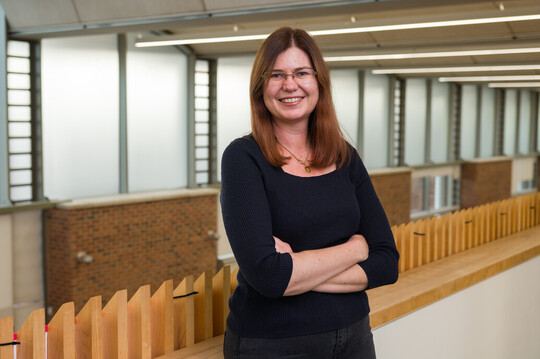
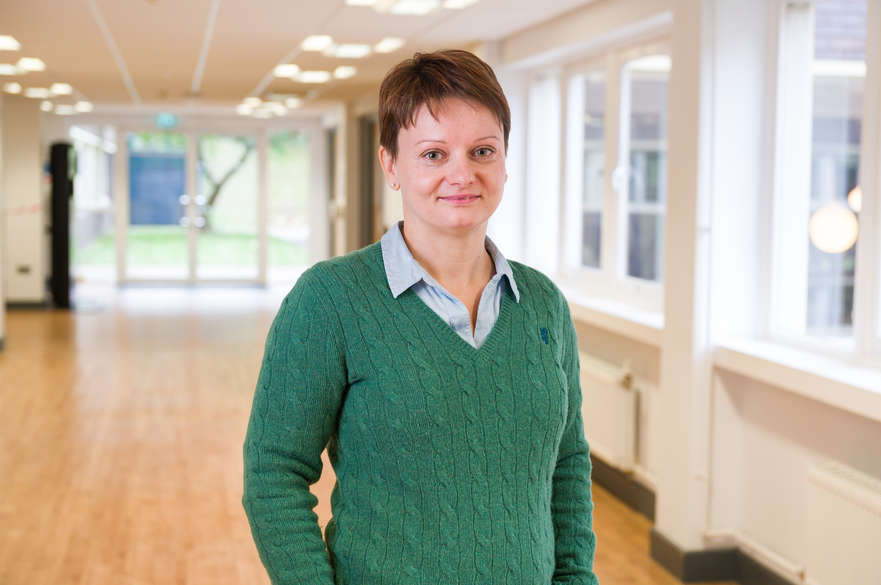
Who will teach you?






Entry requirements
UK students
Applying with prior qualifications
You will need an undergraduate degree equivalent to a UK undergraduate honours degree (normally 2.2 or above). If you hold a first degree but it doesn't meet the entry requirements above, please refer to the information below.
Applying with non-standard entry qualifications/experience
Applicants with non-standard entry qualifications and/or relevant experience will be considered on an individual basis. You will be required to demonstrate how your experiences and knowledge would enable you to study this course at Masters-level in your Personal Statement.
No references are required when applying for this course.
Additional requirements for UK students
There are no additional requirements for this course.
Other qualifications and experience
We welcome applications from students with non-standard qualifications and learning backgrounds and work experience. We consider credit transfer, vocational and professional qualifications, and any work or life experience you may have.
You can view our Recognition of Prior Learning and Credit Transfer Policy which outlines the process and options available, such as recognising experiential learning and credit transfer.
Getting in touch
If you need more help or information, get in touch through our enquiry form.
International students
Academic entry requirements: 2.2 honours degree or equivalent qualification. We accept equivalent qualifications from all over the world. Please check your international entry requirements by country.
Applicants with non-standard entry qualifications and/or relevant experience will be considered on an individual basis. You will be required to demonstrate how your experiences and knowledge would enable you to study this course at Masters-level in your Personal Statement.
English language requirements: See our English language requirements page for requirements for your subject and information on alternative tests and Pre-sessional English.
Additional requirements for international students
There are no additional requirements for this course.
English language requirements
View our English language requirements for all courses, including alternative English language tests and country qualifications accepted by the University.
If you need help achieving the language requirements, we offer a Pre-Sessional English for Academic Purposes course on our City campus which is an intensive preparation course for academic study at NTU.
Other qualifications and experience
We welcome applications from students with non-standard qualifications and learning backgrounds and work experience. We consider credit transfer, vocational and professional qualifications, and any work or life experience you may have.
You can view our Recognition of Prior Learning and Credit Transfer Policy which outlines the process and options available, such as recognising experiential learning and credit transfer.
Sign up for emails
Sign up to receive regular emails from the International Office. You'll hear about our news, scholarships and any upcoming events in your country with our expert regional teams.
Getting in touch
If you need advice about studying at NTU as an international student or how to apply, our international webpages are a great place to start. If you have any questions about your study options, your international qualifications, experience, grades or other results, please get in touch through our enquiry form. Our international teams are highly experienced in answering queries from students all over the world.
Policies
We strive to make our admissions procedures as fair and clear as possible. To find out more about how we make offers, visit our admissions policies page.