About this course
If you see yourself as the next voice and face of the airwaves, shaping and driving the news agenda for your generation, this is the course for you.
Delivered by award-winning journalists, this industry-accredited degree will give you the tools and space to tell the stories which matter to you.
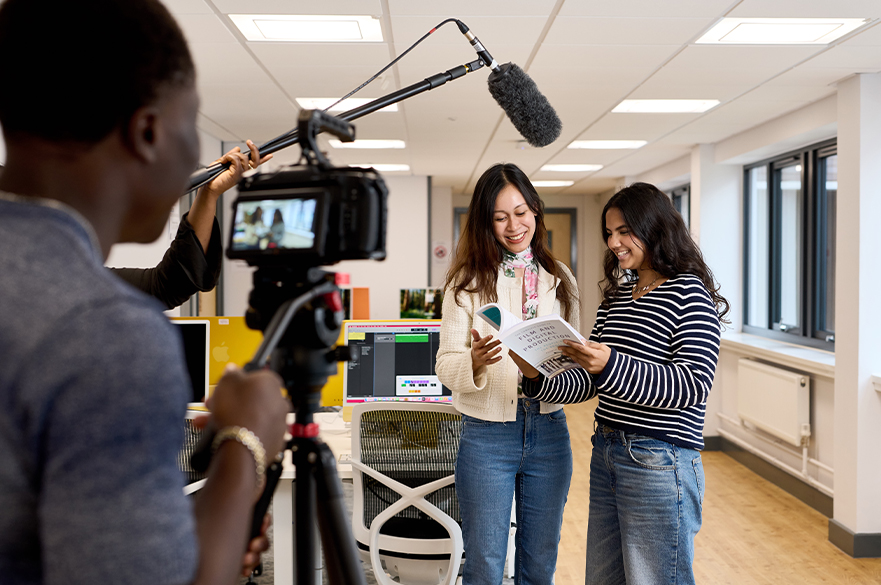
You will practice and obtain professional skills and abilities, such as TV and Radio reporting, producing and presenting, making digital content for social media platforms and the web, within our Centre for Broadcasting and Journalism in the heart of Nottingham.
You will take part in live industry projects and weekly newsdays, as you enjoy working alongside your peers, using the latest equipment and facilities.
Our unique partnership, and 35-year reputation for excellence, with regional and national broadcasters including the BBC, ITV, Sky News, Global Radio, and Bauer Media, provide valuable opportunities for working in industry alongside your studies and enables our graduates to gain top positions in broadcasting, news and communications.
Recent graduates have secured roles such as an undercover reporter on BBC’s Panorama, News editor at ITN, Producer on Good Morning Britain, Entertainment’s editor at Channel 5 News, Reporter at Sky News, Global Radio reporter and presenter, and Social Media Editor at the Daily Mail.
-

Study at a leading journalism university
NTU is in the Top 10 for number of students studying Media, Journalism and Communications (HESA 2024/25).
-

A popular choice
NTU is in the Top 10 for UK accepts in Journalism (UCAS End of Cycle Data 2025).
-

Get the skills editors want
BJTC accredited course - a guarantee you'll have the skills that hiring editors are looking for.
-

Exceptional facilities
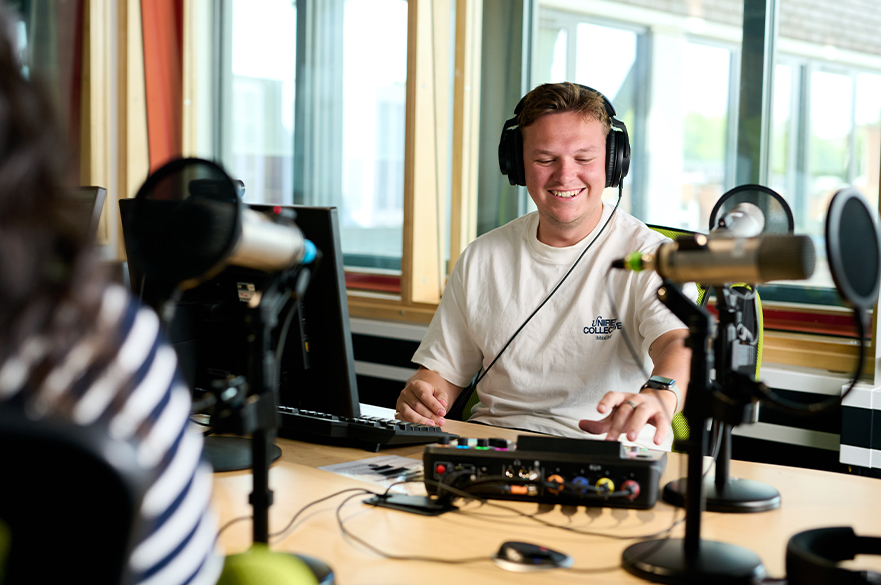
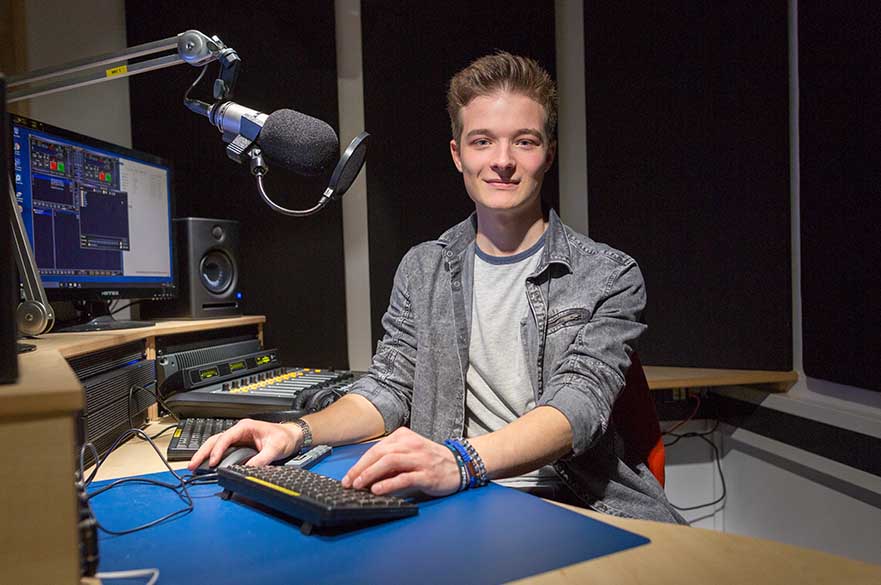
You'll be working in one of the largest newsrooms in the country, including industry standard studios, TV gallery and recording booths.
The course is 50% practical and 50% academic. As well as traditional lectures and seminars, you’ll gain extensive practical experience through:
Practical work and news-days
You’ll develop your practical skills in radio, television and online across all three years. Teaching and learning activities include writing for broadcast, research, interviewing, radio and television recording and editing and news reading.
You’ll also spend a considerable time learning the skills necessary to be able to use broadcast equipment and IT systems. You’ll take part in mock news-day activities which simulate the real world. These take place on a weekly basis at key stages during your course of study and also as a rolling week of news day activity. Staff act as consultant editors, as do representatives from industry. Roles on news days are rotated and cover: news reading, presenting, reporting, television gallery roles and editing.
Recent guests on course have included Sky's award-winning special correspondent Alex Crawford, BBC's investigative reporter Richard Bilton, BBC Breakfast's Mike Bushell, Manchester United 's Natalie Pike and BBC Radio 5 Live sport reporter John Acres.
You'll have the opportunity to attend the Broadcast Futures networking event which is attended by some of the news industry's most senior figures including BBC Breakfast's Richard Frediani, ITN's Arti Lukha, ITV Central's Nimesh Joshi and Bauer Radio's Louise Easton
In the second and third year you'll also produce material for our outward-facing news website –CBJSpotlight.co.uk
Module information
Here’s a breakdown of what you’ll be studying throughout the course:
Core modules
Immerse yourself in practical skills for audio, video, and online news production. Learn story sourcing, interview techniques, and precise broadcast writing. Gain hands-on experience with industry-level hardware and software for audio and video editing, setting you on a path for an exciting career in journalism.
40 credits
This module delves into the core principles of media law in England and Wales, alongside crucial UK media regulations. You'll master the art of crafting court reports that merge legal knowledge with journalistic finesse and gain practical courtroom insights during faculty-led court visits. Be ready to produce content that's both legally sound and ethically robust across diverse platforms. Aligned with BJTC and NCTJ standards, this module serves as a springboard to your second-year 'Essential Media Law' course. Dive into courtroom terminology, defamation, contempt, and more while hearing from guest speakers in journalism and the judiciary system.
20 credits
You'll explore both local and central government in our country, understand how they work, and uncover intriguing political stories. This adventure blends politics and journalism, making you a skilled and informed journalist ready to tackle real-world issues. From the Prime Minister's role to field trips, it's a dynamic experience. Expect real-world engagement, expert insights, and a path to navigating the world of government and journalism.
20 credits
This module is your key to understanding journalism's core, its global impact, and the skills essential for success. We'll investigate journalism's significance, emphasizing safety, confidence, accuracy, and cross-cultural communication. Meet real journalists, dive into practical insights, and build a captivating portfolio.
20 credits
Explore journalism in print, radio, TV, and online. Analyse media's societal impact and its role in reinforcing or challenging norms. Dive into power, equality, and justice issues. Understand how media addresses social disparities and influences content. This module combines theory, expert guest speakers, and real-world insights to cultivate a critical understanding of contemporary journalism.
20 credits
credits
credits
credits
credits
credits
credits
credits
credits
credits
credits
credits
credits
credits
credits
credits
credits
credits
credits
credits
credits
credits
credits
credits
credits
credits
credits
credits
credits
credits
credits
credits
credits
credits
credits
credits
credits
credits
credits
credits
credits
credits
credits
credits
credits
credits
credits
credits
credits
credits
credits
credits
credits
credits
credits
credits
credits
credits
credits
credits
credits
credits
credits
credits
credits
credits
credits
credits
credits
credits
credits
credits
credits
credits
credits
credits
credits
credits
credits
credits
credits
credits
credits
credits
credits
credits
credits
credits
credits
credits
credits
credits
credits
credits
credits
credits
credits
credits
credits
credits
credits
credits
credits
credits
credits
credits
credits
credits
credits
credits
credits
credits
credits
credits
credits
credits
credits
credits
credits
credits
credits
credits
credits
credits
credits
credits
credits
credits
credits
credits
credits
credits
credits
credits
credits
credits
credits
credits
credits
credits
credits
credits
credits
credits
credits
credits
credits
credits
credits
credits
credits
credits
credits
credits
credits
credits
credits
credits
credits
credits
credits
credits
credits
credits
credits
credits
credits
credits
credits
credits
credits
In Semester Two, you'll have the option to take one of two pathways:
Pathway 1: An international exchange
Travel the world, meet new friends, and have experiences you will remember for the rest of your life.
Our flexible curriculum has been designed to allow some amazing opportunities for you. Your second year of study is divided into two semesters, giving you the opportunity to take part in an international exchange. You could study with one of our international exchange partners in Australia, Europe, USA, Canada, Thailand, and many more.
Our dedicated team will support you in finding and arranging a suitable exchange. And don't worry about the cost, they will help you apply for any grants or loans you may need, as no one should miss out on the chance to broaden their horizons.
Pathway 2: Optional modules
You will choose two optional modules, in addition to the core modules.
Core modules
This module elevates your broadcast journalism skills. Explore story research, reporting, presenting, and package-making. Engage with industry professionals through guest lectures, receive voice coaching, and produce radio bulletins. Participate in 105 hours of work-like experience on BJTC-accredited newsdays, gaining real-world insights and advancing your broadcast journalism knowledge.
20 credits
Building on the learning of year one, this module dives into media-relevant laws and regulations for daily journalism. Enhance your understanding of legal provisions impacting working journalists. Embrace critical evaluation to assess the effectiveness and validity of these laws, delving into the complexities of media law.
20 credits
In this module, you'll be guided to secure a two-week placement in industry working with our partners, the Spirit of Alfreton Project and/or Bauer Media. Explore the many and varied careers within the broadcast news media and creative industries through guest lectures. Assess your skills with portfolio assignments related to your work placement, including a self-reflective blog.
20 credits
Elevate your broadcast journalism skills from the Broadcast News Reporting module. Work in a professional newsroom and studios, meet deadlines and emulate industry practices. Create live radio and TV news and current affairs programs within legal and ethical boundaries. Research, report, produce, and present content, experimenting with various formats. Showcase diverse stories and engage with industry professionals during 15 BJTC-accredited newsdays for 105 hours of practical experience.
20 credits
credits
credits
credits
credits
credits
credits
credits
credits
credits
credits
credits
credits
credits
credits
credits
credits
credits
credits
credits
credits
credits
Optional modules
Develop your theoretical and critical understanding of the role and coverage of sport in contemporary society, and build the skills needed to work as a sports reporter. You'll study the links between national, regional, and local identity and sport, reflecting on how the media shapes that identity. Alongside lectures and student presentations, expert guest speakers will explain the logistics of reporting on sport and provide a greater understanding of the practical aspects of sports reporting.
20 credits
This module enables you to demonstrate skills, knowledge and understanding of the theory and practice of stills photography. You'll gain practical skills in image capture on still digital formats and the transmission of stills You'll be competent in producing stills for publication and demonstrate the ability to write clear and accurate captions and news stories. You'll understand photographic practice and media law and ethics relating to the publication of images from both professional photographers, citizen journalists and other external sources in newspapers, magazines and on related websites and social media.
20 credits
This module explores the principles guiding ethical journalism in various media forms. You'll learn to dissect the impact of journalism, discuss ethical dilemmas, and craft your personal ethical compass for sensitive reporting. Dive into media's role in addressing social divisions while honing vital skills for academic success and beyond.
20 credits
Learn to report on global and UK issues effectively. Explore the journalist-politician relationship, tackle ethical challenges, and grasp the power of journalism in democracy. Dive into contemporary topics, honing skills to effect change. It's a toolkit for your future, applicable beyond journalism.
20 credits
credits
credits
credits
credits
credits
credits
credits
credits
credits
credits
credits
credits
credits
credits
credits
credits
credits
credits
credits
credits
credits
credits
credits
credits
credits
credits
credits
credits
credits
credits
credits
credits
credits
credits
credits
credits
credits
credits
credits
credits
credits
credits
credits
credits
credits
credits
credits
credits
credits
credits
credits
credits
credits
credits
credits
credits
credits
credits
credits
credits
credits
credits
credits
credits
credits
credits
credits
credits
credits
credits
credits
credits
credits
credits
credits
credits
credits
credits
credits
credits
credits
credits
credits
credits
credits
credits
credits
credits
credits
credits
credits
credits
credits
credits
credits
credits
credits
credits
credits
credits
credits
credits
credits
credits
credits
credits
credits
credits
credits
credits
credits
credits
credits
credits
credits
credits
credits
credits
credits
credits
credits
credits
credits
credits
credits
credits
credits
credits
credits
credits
credits
credits
credits
credits
credits
credits
credits
credits
credits
credits
credits
credits
credits
credits
credits
credits
You may choose to take an optional year-long placement in Year Three, either in the UK or overseas.
You will be supported by our experienced Employability Team to source a suitable placement.
credits
credits
credits
credits
credits
credits
credits
credits
credits
credits
credits
credits
credits
credits
credits
credits
credits
credits
credits
credits
credits
credits
credits
credits
credits
credits
credits
credits
credits
credits
credits
credits
credits
credits
credits
credits
credits
credits
credits
credits
credits
credits
credits
credits
credits
credits
credits
credits
credits
credits
credits
credits
credits
credits
credits
credits
credits
credits
credits
credits
credits
credits
credits
credits
credits
credits
credits
credits
credits
credits
credits
credits
credits
credits
credits
credits
credits
credits
credits
credits
credits
credits
credits
credits
credits
credits
credits
credits
credits
credits
credits
credits
credits
credits
credits
credits
credits
credits
credits
credits
credits
credits
credits
credits
credits
credits
credits
credits
credits
credits
credits
credits
credits
credits
credits
credits
credits
credits
credits
credits
credits
credits
credits
credits
credits
credits
credits
credits
credits
credits
credits
credits
credits
credits
credits
credits
credits
credits
credits
credits
credits
credits
credits
credits
credits
credits
credits
credits
credits
credits
credits
credits
credits
credits
credits
credits
credits
credits
credits
credits
credits
credits
credits
credits
credits
credits
credits
credits
credits
credits
credits
credits
credits
credits
credits
Each semester, you will choose one optional module, in addition to your core modules.
Core modules
Enhance your Year 2 knowledge and skills. Engage in 15 industry-standard newsdays, led by experts. Work on projects for Sky News, BBC Radio Derby, and more. Connect with industry leaders at our Futures Day careers event. Boost your technical and journalistic abilities with practical workshops and networking opportunities.
40 credits
Put your creative storytelling to the test. You'll produce a news documentary for TV or radio or a captivating podcast, pitching it to one of our industry partners. Explore your interests and address pressing societal issues while upholding journalistic standards and safety guidelines. You will pitch your documentary for broadcast on NottsTV or your podcast for publishing by Janno Media. Alongside this, you will craft an online feature and an academic research essay. This module is your canvas to shine and potentially open doors to exciting career prospects.
40 credits
credits
credits
credits
credits
credits
credits
credits
credits
credits
credits
credits
credits
credits
credits
credits
credits
credits
credits
credits
credits
credits
credits
credits
Semester one
Explore the world of public relations and communications in this engaging module. Gain essential skills for a career in PR, including crafting campaigns, writing news releases, and leveraging social media. Understand the unique role of PR across various sectors, and delve into legal and ethical considerations. Get ready to sit the NCTJ Introduction to PR for Journalists exam upon completion.
20 credits
This module introduces you to the essential skills required to be a magazine journalist in digital and print formats and the key qualities and behaviours sought by editors. You'll develop an understanding of how to write for specialist and segmented audiences and how to identify, research and produce content ideas. You will practise these skills on a series of magazine production days.
20 credits
credits
credits
credits
credits
credits
credits
credits
credits
credits
credits
credits
credits
credits
credits
credits
credits
credits
credits
credits
credits
credits
credits
credits
Semester two
We'll dive into contemporary journalism, focusing on how public personalities are portrayed. From music to sports, we'll explore social dynamics and media's influence. Discover the journalist's role in shaping perceptions in our celebrity-driven world.
20 credits
Learn the practical skills needed to compile and produce successful podcasts, while developing an understanding of the role of podcasting in the contemporary media landscape. Guest speakers who are experts in the field will explain the logistics and monetisation of podcasting to provide a better understanding of the economic framework within which podcasting sits.
20 credits
credits
credits
credits
credits
credits
credits
credits
credits
credits
credits
credits
credits
credits
credits
credits
credits
credits
credits
credits
credits
credits
credits
credits
credits
credits
credits
credits
credits
credits
credits
credits
credits
credits
credits
credits
credits
credits
credits
credits
credits
credits
credits
credits
credits
credits
credits
credits
credits
credits
credits
credits
credits
credits
credits
credits
credits
credits
credits
credits
credits
credits
credits
credits
credits
credits
credits
credits
credits
credits
credits
credits
credits
credits
credits
credits
credits
credits
credits
credits
credits
credits
credits
credits
credits
credits
credits
credits
credits
credits
credits
credits
credits
credits
credits
credits
credits
credits
credits
credits
credits
credits
credits
credits
credits
credits
credits
credits
credits
credits
credits
credits
credits
credits
credits
credits
credits
credits
credits
credits
credits
credits
credits
credits
credits
credits
credits
credits
credits
credits
credits
credits
credits
credits
credits
credits
credits
credits
credits
credits
credits
credits
credits
credits
credits
credits
credits
credits
credits
credits
credits
credits
credits
credits
credits
credits
credits
credits
credits
credits
credits
credits
credits
credits
credits
credits
credits
credits
credits
credits
credits
credits
credits
credits
credits
credits
credits
credits
credits
credits
credits
credits
credits
credits
credits
credits
credits
credits
credits
credits
credits
credits
credits
credits
credits
credits
credits
credits
credits
credits
credits
credits
credits
credits
credits
credits
credits
credits
credits
credits
credits
credits
credits
credits
credits
credits
credits
credits
credits
credits
credits
credits
credits
credits
credits
credits
credits
credits
credits
credits
credits
credits
credits
credits
credits
credits
credits
credits
credits
credits
credits
credits
credits
credits
credits
credits
credits
credits
credits
credits
credits
credits
credits
credits
credits
credits
credits
credits
credits
credits
credits
credits
credits
credits
credits
credits
credits
credits
credits
credits
credits
credits
credits
credits
credits
credits
credits
credits
credits
credits
credits
credits
credits
credits
credits
credits
credits
credits
credits
credits
credits
credits
credits
credits
credits
credits
credits
credits
credits
credits
credits
credits
credits
credits
credits
credits
credits
credits
credits
credits
credits
credits
credits
credits
credits
credits
credits
credits
credits
credits
credits
credits
credits
credits
credits
credits
credits
credits
credits
credits
credits
credits
credits
credits
credits
credits
credits
credits
credits
credits
credits
credits
credits
credits
credits
credits
credits
credits
credits
credits
credits
credits
credits
credits
credits
credits
credits
credits
credits
credits
credits
credits
credits
credits
credits
credits
credits
credits
credits
credits
credits
credits
credits
credits
credits
credits
credits
credits
credits
credits
credits
credits
credits
credits
credits
credits
credits
credits
credits
credits
credits
credits
credits
credits
credits
credits
credits
credits
credits
credits
credits
credits
credits
credits
credits
credits
credits
credits
credits
credits
credits
credits
credits
credits
credits
credits
credits
credits
credits
credits
credits
credits
credits
credits
credits
credits
credits
credits
credits
credits
credits
credits
credits
credits
credits
credits
credits
credits
credits
credits
credits
credits
credits
credits
credits
credits
credits
credits
credits
credits
credits
credits
credits
credits
credits
credits
credits
credits
credits
credits
credits
credits
credits
credits
credits
credits
credits
credits
credits
credits
credits
credits
credits
credits
credits
credits
credits
credits
credits
credits
credits
credits
credits
credits
credits
credits
credits
credits
credits
credits
credits
credits
credits
credits
credits
credits
credits
credits
credits
credits
credits
credits
credits
credits
credits
credits
credits
credits
credits
credits
credits
credits
credits
credits
credits
credits
credits
credits
credits
credits
credits
credits
credits
credits
credits
credits
credits
credits
credits
credits
credits
credits
credits
credits
credits
credits
credits
credits
credits
credits
credits
credits
credits
credits
credits
credits
credits
credits
credits
credits
credits
credits
credits
credits
credits
credits
credits
credits
credits
credits
credits
credits
credits
credits
credits
credits
credits
credits
credits
credits
credits
credits
credits
credits
credits
credits
credits
credits
credits
credits
credits
credits
credits
credits
credits
credits
credits
credits
credits
credits
credits
credits
credits
credits
credits
credits
credits
credits
credits
credits
credits
credits
credits
credits
credits
credits
credits
credits
credits
credits
credits
credits
credits
credits
credits
credits
credits
credits
credits
credits
credits
credits
credits
credits
credits
credits
credits
credits
credits
credits
credits
credits
credits
credits
credits
credits
credits
credits
credits
credits
credits
credits
credits
credits
credits
credits
credits
credits
credits
credits
credits
credits
credits
credits
credits
credits
credits
credits
credits
credits
credits
credits
credits
credits
credits
credits
credits
credits
credits
credits
credits
credits
credits
credits
credits
credits
credits
credits
credits
credits
credits
credits
credits
credits
credits
credits
credits
credits
credits
credits
credits
credits
credits
credits
credits
credits
credits
credits
credits
credits
credits
credits
credits
credits
credits
credits
credits
credits
credits
credits
credits
credits
credits
credits
credits
credits
credits
credits
credits
credits
credits
credits
credits
credits
credits
credits
credits
credits
credits
credits
credits
credits
credits
credits
credits
credits
credits
credits
credits
credits
credits
credits
credits
credits
credits
credits
credits
credits
credits
credits
credits
credits
credits
credits
credits
credits
credits
credits
credits
credits
credits
credits
credits
credits
credits
credits
credits
credits
credits
credits
credits
credits
credits
credits
credits
credits
credits
credits
credits
credits
credits
credits
credits
credits
credits
credits
credits
credits
credits
credits
credits
credits
credits
credits
credits
credits
credits
credits
credits
credits
credits
credits
credits
credits
credits
credits
credits
credits
credits
credits
credits
credits
credits
credits
credits
credits
credits
credits
credits
credits
credits
credits
credits
credits
credits
credits
credits
credits
credits
credits
credits
credits
credits
credits
credits
credits
credits
credits
credits
credits
credits
credits
credits
credits
credits
credits
credits
credits
credits
credits
credits
credits
credits
credits
credits
credits
credits
credits
credits
credits
credits
credits
credits
credits
credits
credits
credits
credits
credits
credits
credits
credits
credits
credits
credits
credits
credits
credits
credits
credits
credits
credits
credits
credits
credits
credits
credits
credits
credits
credits
credits
credits
credits
credits
credits
credits
credits
credits
credits
credits
credits
credits
credits
credits
credits
credits
credits
credits
credits
credits
credits
credits
credits
credits
credits
credits
credits
credits
credits
credits
credits
credits
credits
credits
credits
credits
credits
credits
credits
credits
credits
credits
credits
credits
credits
credits
credits
credits
credits
credits
credits
credits
credits
credits
credits
credits
credits
credits
credits
credits
credits
credits
credits
credits
credits
credits
credits
credits
credits
credits
credits
credits
credits
credits
credits
credits
credits
credits
credits
credits
credits
credits
credits
credits
credits
credits
credits
credits
credits
credits
credits
credits
credits
credits
credits
credits
credits
credits
credits
credits
credits
credits
credits
credits
credits
credits
credits
credits
credits
credits
credits
credits
credits
credits
credits
credits
credits
credits
credits
credits
credits
credits
credits
credits
credits
credits
credits
credits
credits
credits
credits
credits
credits
credits
credits
credits
credits
credits
credits
credits
credits
credits
credits
credits
credits
credits
credits
credits
credits
credits
credits
credits
credits
credits
credits
credits
credits
credits
credits
credits
credits
credits
credits
credits
credits
credits
credits
credits
credits
credits
credits
credits
credits
credits
credits
credits
credits
credits
credits
credits
credits
credits
credits
credits
credits
credits
credits
credits
credits
credits
credits
credits
credits
credits
credits
credits
credits
credits
credits
credits
credits
credits
credits
credits
credits
credits
credits
credits
credits
credits
credits
credits
credits
credits
credits
credits
credits
credits
credits
credits
credits
credits
credits
credits
credits
credits
credits
credits
credits
credits
credits
credits
credits
credits
credits
credits
credits
credits
credits
credits
credits
credits
credits
credits
credits
credits
credits
credits
credits
credits
credits
credits
credits
credits
credits
credits
credits
credits
credits
credits
credits
credits
credits
credits
credits
credits
credits
credits
credits
credits
credits
credits
credits
credits
credits
credits
credits
credits
credits
credits
credits
credits
credits
credits
We regularly review our course content based on student and employer feedback to ensure they remain current and relevant. This may result in changes to module content or availability in future years. Optional modules will only run where there is sufficient demand. This will be determined on a case-by-case basis to protect the academic and student experience.
Student experience




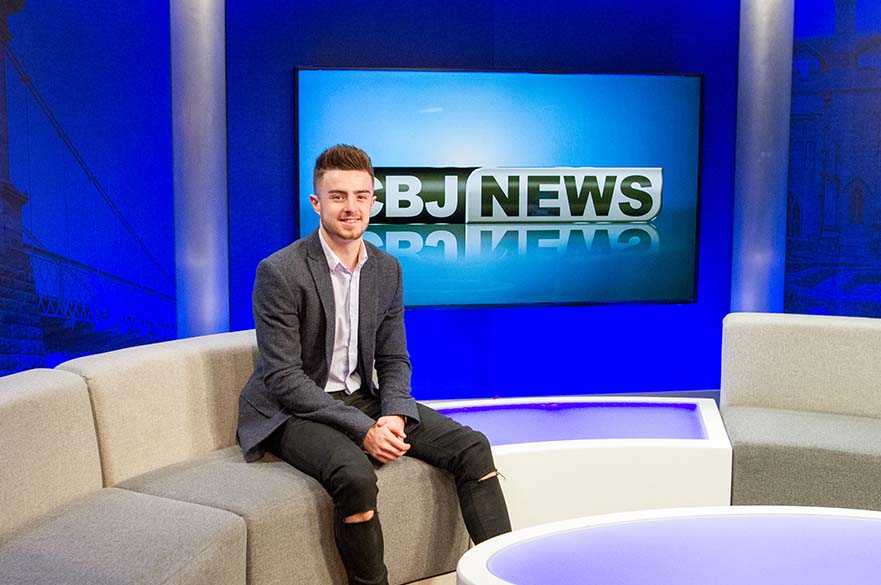
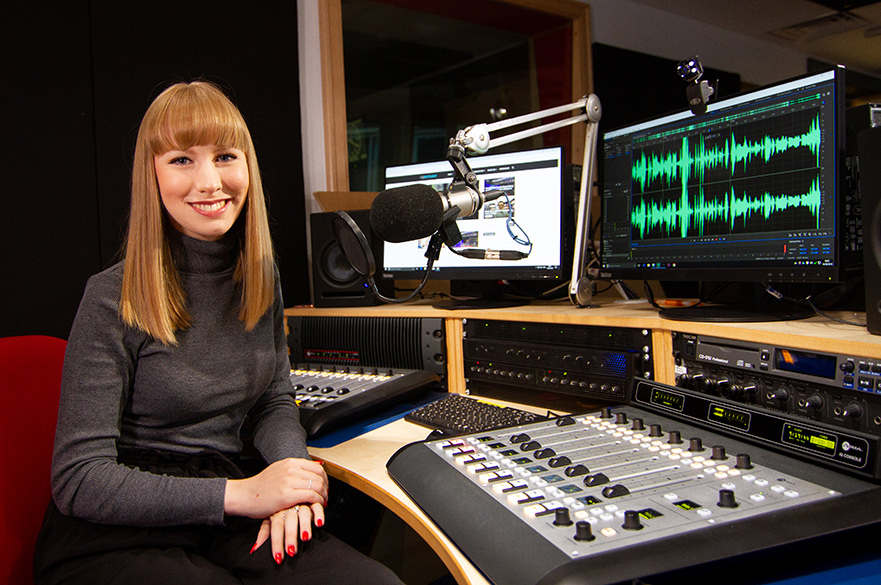
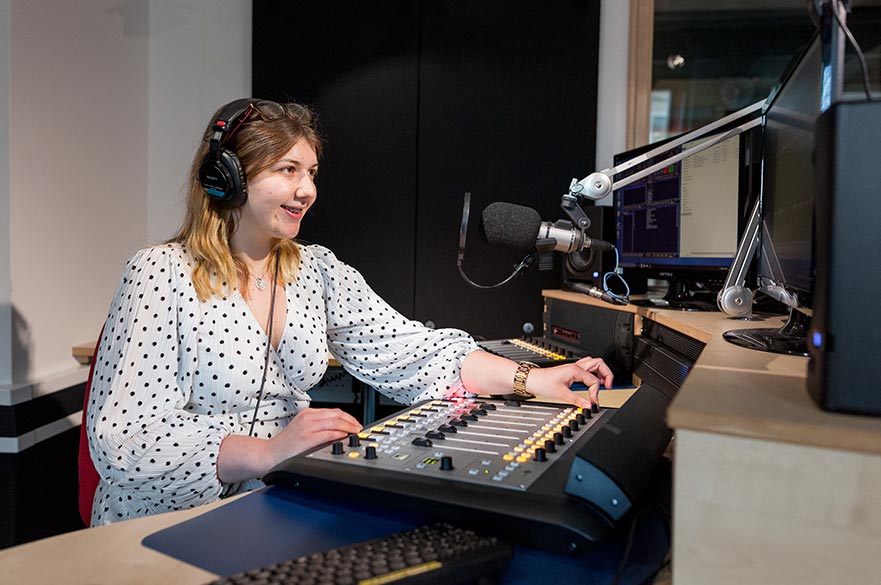
Newsdays
How you're taught
As this is a highly vocational course, half of your time will be spent carrying out practical tasks including TV, radio and online news production, news days, presentations, live team projects and visits. The other half of your time will be spent in academic study, including lectures and briefings, seminars and tutorials. You’ll also be involved in independent project work where you’ll have the support of NOW, or virtual learning environment.
Learn from expert staff
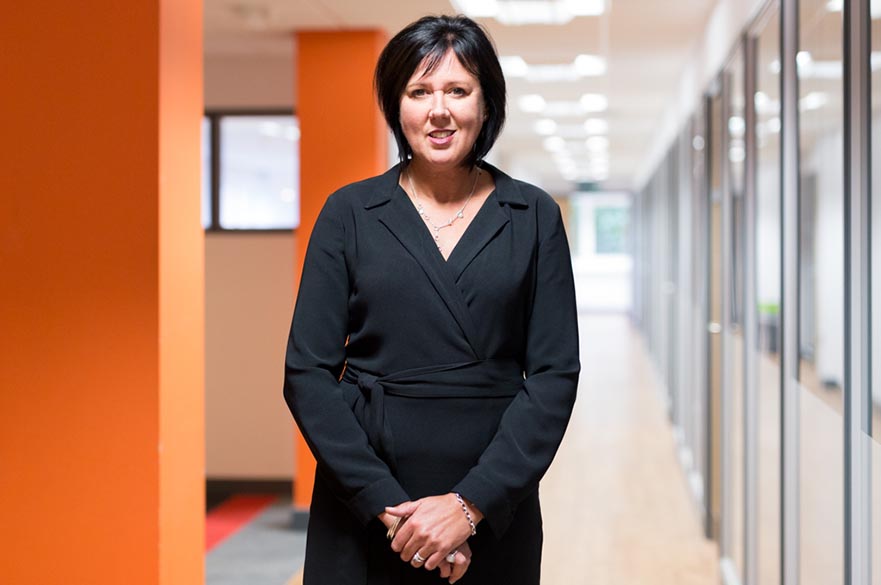
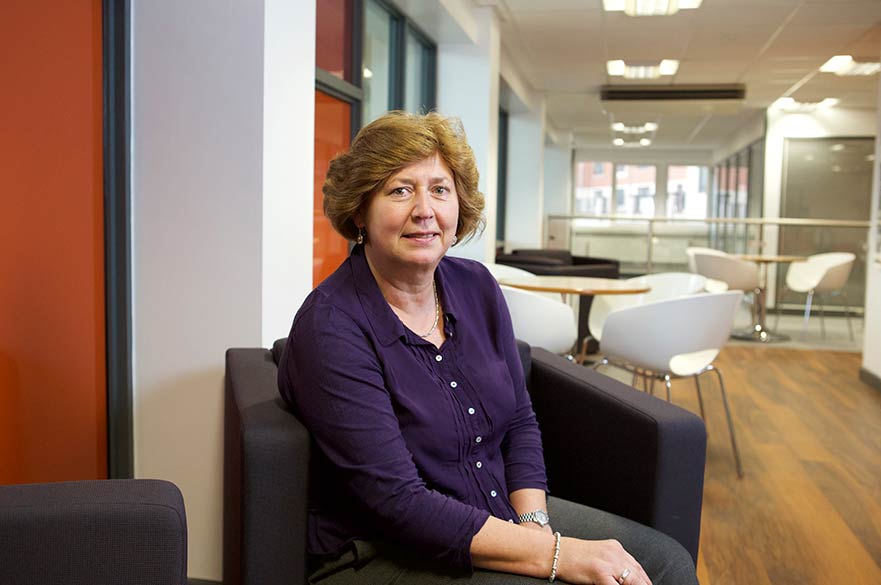
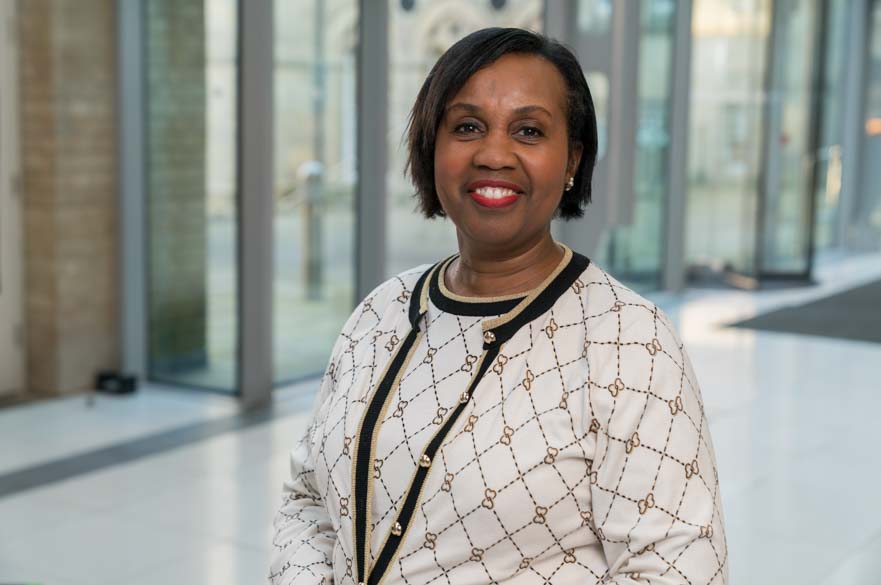
Our journalism team is made up of expert academic and technical staff that have extensive experience in education and industry. These, together with visiting professionals, provide a rounded, up-to-date education, informed by current practice and industry developments. You’ll also benefit from the extensive knowledge and experience brought to us by prestigious visiting lecturers, who have included: Jon Snow of ITN's Channel 4 News, BBC correspondents James Reynolds and Richard Bilton, and Sunday Telegraph Editor Ian MacGregor.
Excellent placement opportunities
You’re expected to undertake a total of three weeks' of placements in radio and / or television newsrooms, normally during holiday times. Recent students have gone on a placement within the following companies:
- Erewash Sound,
- BBC Radio Derby,
- Cartwright Communications,
- Bauer Media,
- Nottingham Forest,
- Notts County,
- Nottinghamshire County Cricket Club media teams.
You’ll be supported to find a placement with access to a database containing a wide range of contacts for potential work placements, live project opportunities with placements and prizes awarded by companies for successful projects. The Broadcasting and Journalism Industry Consortium, a network of regional and national media organisations, supports the broadcasting and journalism courses at NTU.
You’ll also benefit from final year students and graduates sharing experiences of their own work placement experiences with you. They’ll make recommendations about how best to approach companies and get the most from your experience. You’ll also be able to attend sessions to help you to develop your CV and identify possible work experience opportunities.
Study abroad in Year Two
You’ll have the option to take part in an international exchange at a partner university in the second half of Year Two. This will enable you to gain impressive international experience, and broaden your perspective and career ambitions.
You’ll experience other cultures, travel the globe and open your eyes to a world of opportunities. Our exchange partnership with a number of international universities enables you to live and study in another country in your second year. Find out more about international exchange and study abroad.
Learn a new language
Alongside your study, you also have the opportunity to learn another new language. The University Language Programme (ULP) is available to all students and gives you the option of learning a totally new language or improving the skills you already have. Learning a new language can enhance your communication skills, enrich your experience when travelling abroad and boost your career prospects. Find out more about the University Language Programme.
How you're assessed
Each module is assessed separately and involves practical assessments such as essays, project work, competency portfolios, placements, presentations and skills assessments. You’ll also be assessed through formal examinations and class tests.
Over the three years, you’ll gradually increase your study skills, production and presentation techniques. The marks that count towards the degree also increase year-by-year, so that assessment is matched fairly with the expected rate of your learning throughout the three year course.
You’ll receive feedback throughout the module so you know what level you are working at.
Contact hours
For each 20-credit module, you’ll spend about 200 hours learning overall. Around 40 of those hours will be taught in lectures or seminars. The rest of the time is for independent study, reading, research, or working on assignments.
If you’re struggling with a topic or require additional support or guidance, you can arrange to see your tutors in small groups or one-to-one, to discuss essay plans or to seek some specific academic guidance.
Who will teach you?

Entry requirements
UK students
Standard offer: 112 UCAS Tariff points from up to four qualifications
Contextual offer: 104 UCAS Tariff points from up to four qualifications.
To find out what qualifications have tariff points, please use our tariff calculator.
Additional requirements for UK students
There are no additional requirements for this course.
Contextual offers
If you don’t quite meet our entry requirements, we might be able to make you a lower offer based on a range of factors, including your background (such as where you live and the school or college you attended), your experiences and your individual circumstances (you may have been in care, for example). This is called a contextual offer, and we get data from UCAS to help make these decisions. We do this because we believe everyone with the potential to succeed at NTU should have the opportunity to do so, no matter what barriers you may face.
Meeting our entry requirements
Hundreds of qualifications in the UK have UCAS Tariff points attached to specific grades, including A-levels, BTECs, T Levels and many more. You can use your grades and points from up to four different qualifications to meet our criteria. Enter your predicted or achieved grades into our Tariff calculator to find out how many points your qualifications are worth.
Other qualifications and experience
NTU welcomes applications from students with non-standard qualifications and learning backgrounds, either for year one entry or for advanced standing beyond the start of a course into year 2 or beyond.
We consider study and/or credit achieved from a similar course at another institution (otherwise known as credit transfer), vocational and professional qualifications, and broader work or life experience.
Our Recognition of Prior Learning and Credit Transfer Policy outlines the process and options available for this route. If you wish to apply via Recognition of Prior Learning, please contact the central Admissions and Enquiries Team who will be able to support you through the process.
Getting in touch
If you need more help or information, get in touch through our enquiry form.
International students
Academic entry requirements: 112 UCAS Tariff points from up to four A levels. We accept equivalent qualifications from all over the world. Please check your international entry requirements by country.
English language requirements: See our English language requirements page for requirements for your subject and information on alternative tests and Pre-sessional English.
Additional requirements for international students
There are no additional requirements for this course.
English language requirements
View our English language requirements for all courses, including alternative English language tests and country qualifications accepted by the University.
If you need help achieving the language requirements, we offer a Pre-Sessional English for Academic Purposes course on our City campus which is an intensive preparation course for academic study at NTU.
Other qualifications and experience
If you have the right level of qualifications, you may be able to start your Bachelors degree at NTU in year 2 or year 3. This is called ‘advanced standing’ entry and is decided on a case-by case basis after our assessment of your qualifications and experience.
You can view our Recognition of Prior Learning and Credit Transfer Policy which outlines the process and options available, such as recognising experiential learning and credit transfer.
Sign up for emails
Sign up to receive regular emails from the International Office. You'll hear about our news, scholarships and any upcoming events in your country with our expert regional teams.
Getting in touch
If you need advice about studying at NTU as an international student or how to apply, our international webpages are a great place to start. If you have any questions about your study options, your international qualifications, experience, grades or other results, please get in touch through our enquiry form. Our international teams are highly experienced in answering queries from students all over the world.
Policies
We strive to make our admissions procedures as fair and clear as possible. To find out more about how we make offers, visit our admissions policies page.