Music Business BA (Hons)
UCAS code: W375

About this course
If you’re serious about building a career in the music industry, you need to train in the industry. It’s at NTU where you’ll get the best industry connections, real-life work experience and unrivalled facilities.
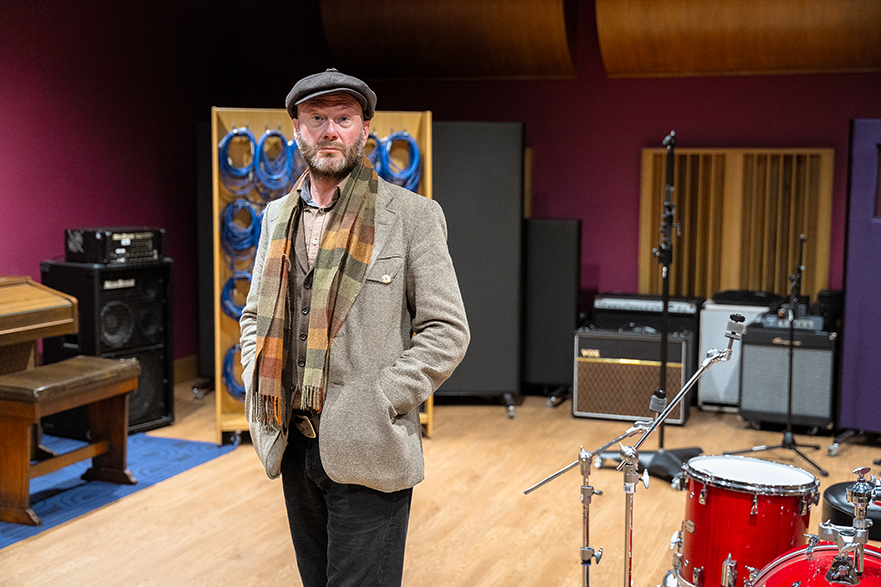
We operate our own live music and event spaces – like Metronome – that are home to an eclectic mix of commercial-facing events and gigs. It’s here where you’ll learn your trade; the perfect space to learn, develop and connect.
-

Gain hands-on industry experience
Gain real-world experience so you have the practical skills necessary to make it in your industry.
-

Use industry standard equipment
Learn how to use specialist tech and equipment including Adobe, podcast equipment and portfolio building software.
-

Launch Your Career with Denizen Records
Gain hands-on experience with Denizen Records, our in-house label. Collaborate on real releases, receive mentorship from industry professionals, and develop skills in A&R, marketing, and artist management to kickstart your music business career.
-

Study in the heart of Nottingham
One of Europe’s top 25 student cities, and home to over 75,000 learners.
You’ll be immersed in the world of music, gaining valuable knowledge and techniques in discovering new talent, setting up your business, marketing and PR, music publishing, intellectual property, the live industry, music recording and distribution.
You’ll be able to put your learning into practice through live projects, including the chance to work with our record label, Denizen.
15
Module information
A standard full-time BA (Hons) course is made up of 120 credits studied each year. Some courses may vary, however, and you can find information on the total number of credits achieved per module below.
Here’s a breakdown of what you’ll be studying throughout the course:
Core modules
The music business is a fast-evolving, multi-faceted industry driven by technology and complex interconnections between professionals, organisations, and economic structures. To succeed, practitioners must grasp how these elements operate together, apply key business theories, and adapt to ongoing change. This module explores these dynamics through engaging case studies—past and present—equipping you with the insight to navigate and shape the industry's future.
credits
In an industry where visibility can be as valuable as talent, understanding how to effectively market music and manage public relations is essential. This module introduces you to the foundational theories and practices of marketing and PR within the music business, equipping you with the tools to plan, promote, and present music-related projects in a competitive and evolving landscape.
20 credits
In today’s creative industries, versatility is key. This module equips you with practical, transferable skills in audio, graphic design, photography, filming, and editing using accessible digital tools. You will learn to develop engaging marketing content and creative outputs for a variety of projects, helping you build a strong portfolio that can support your entrepreneurial and creative ambitions. The skills gained in this module are also directly applicable to future projects, including those in event management and other creative contexts in Semester 2.
20 credits
The history of popular music has informed where we are and where we might go next. In this module, you will be exposed to decades of key recordings, events, artists and the movers and shakers involved in shaping modern popular music as we know it. You'll examine the importance of music and see how it's been influenced by and influences society, politics and the world we live in. You will choose your own specific area to explore in more detail, then consider how you could apply what you have learned in your own practice.
20 credits
Live music is the beating heart of the music industry. Whether it's a grassroots gig in a local venue or a stadium tour from an era defining artist, live performance is where music truly comes alive — connecting artists and audiences in unforgettable, powerful ways. In this module you will work as part of a team, responsible for planning, promoting, and delivering a live music event featuring one or more artists. From scouting venues and booking talent to designing marketing campaigns and managing the show on the night, you’ll experience the full event cycle from concept to curtain call. All proceeds from your event will go to a charity of your team’s choosing giving your work real-world impact and purpose beyond the music.
20 credits
You're at the beginning of your journey. You need to know your strengths and what you need to develop so you can focus your energies on filling those gaps. This module will empower you to supercharge the fundamental academic and wellbeing skills you need in your studies and personal adventure. You will explore potential job roles of interest and assess current suitability and what you need to do to improve your chances of success in those fields. You will also develop a web presence which considers you as a professional that you will revisit over your three years to support your professional profile.
20 credits
credits
credits
credits
credits
credits
credits
credits
credits
credits
credits
credits
credits
credits
credits
credits
credits
credits
credits
credits
credits
credits
credits
credits
credits
credits
credits
credits
credits
credits
credits
credits
credits
credits
credits
credits
credits
credits
credits
credits
credits
credits
credits
credits
credits
credits
credits
credits
credits
credits
credits
credits
credits
credits
credits
credits
credits
credits
credits
credits
credits
credits
credits
credits
credits
credits
credits
credits
credits
credits
credits
credits
credits
credits
credits
credits
credits
credits
credits
credits
credits
credits
credits
credits
credits
credits
credits
credits
credits
credits
credits
credits
credits
credits
credits
credits
credits
credits
credits
credits
credits
credits
credits
credits
credits
credits
credits
credits
credits
credits
credits
credits
credits
credits
credits
credits
credits
credits
credits
credits
credits
credits
credits
credits
credits
credits
credits
credits
credits
credits
credits
credits
credits
credits
credits
credits
credits
credits
credits
credits
credits
credits
credits
credits
credits
credits
credits
credits
credits
credits
credits
credits
credits
credits
credits
credits
credits
credits
credits
credits
credits
credits
credits
credits
credits
credits
credits
credits
credits
credits
Core Modules
Through active participation with team-based problem solving, you will work together in mixed teams on a project where you will use your creative ideas to generate solutions to the challenge or brief. Your project will allow you to explore how creativity can make an impact in society, as you choose a theme of sustainability, social justice, enterprise and innovation or community. This collaborative learning experience will expose you to a range of new processes and approaches that will develop your creative thinking.
20 credits
The music industry can be a minefield and you need to be able to find your way around the fundamentals of the legal and ethical aspects of protecting yours and others intellectual property. In this module you will explore what the law means to you and your potential avenues of income and will prepare you to spot the icebergs!
20 credits
In today’s music business, data is not just information – it is strategy. From A&R scouting and release planning to branding and fan monetisation, professional decisions are increasingly driven by analytics, insights and predictive tools. This module positions students as emerging music business strategists, using real-world data and AI technologies to design a conceptual project for an artist, label, or brand.
You will investigate how major labels, independent teams and creative entrepreneurs use platforms such as Chartmetric, Spotify for Artists, TikTok analytics and AI tools (e.g. ChatGPT for trend forecasting, Midjourney for visual branding, ChatGPT for campaign copywriting) to inform commercial strategy. You will then apply these methods to develop and pitch a data-led creative concept: an artist release plan, discovery strategy, brand identity, or fan economy/merchandise strategy.
The module culminates in a professional-style pitch, delivered individually to an internal panel simulating industry roles.
20 credits
In this module, you’ll discover and develop an artist or band, working towards the release of a music product. Every project will look different depending on the artist you find and the stage they’re at. Some may have release-ready material, while others may be developing demos that require recording before release. Your role is to adapt the A&R process to suit the artist, balancing recording, marketing and release strategies in ways that fit their journey. You’ll collaborate with students on other creative courses, taking overall responsibility for quality control and leadership. Finally, you’ll have the chance to pitch your release for potential funding. Can you take an artist from discovery to impact?
40 credits
credits
credits
credits
credits
credits
credits
credits
credits
credits
credits
credits
credits
credits
credits
credits
credits
credits
credits
credits
credits
credits
Optional modules - choose one
Journalism for the Creative Industries is an exciting module that explores the dynamic intersection of journalism and the modern creative industries landscape.
The module equips students with the skills to produce engaging content across a range of formats, including features, news pieces, reviews, and copy for creative purposes.
Students will have the chance to engage in both written and video journalism, developing established techniques for conducting interviews and crafting compelling stories.
With a strong focus on contemporary industry practices, this module prepares creatives with an interest in journalism to navigate and contribute meaningfully to the world of the creative industries.
The module also explores the use of generative AI in journalism, considering its role in content creation, research, and storytelling. You will critically examine how AI tools can support journalistic practice while raising questions around ethics, originality, and credibility in the creative industries.
20 credits
This module offers a dynamic and immersive introduction to the world of music production, designed specifically for Level 5 degree students with little to no prior experience. Delivered entirely within a Mac-based music lab using industry-standard Digital Audio Workstations (DAWs) course emphasizes hands-on learning, creativity, and collaboration.
Each week introduces a new and distinct aspect of music production—from beat making and synthesis to mixing, remixing, and composing for media. Students will engage in a variety of practical tasks, creative challenges, and group-based projects that encourage experimentation and peer learning. The course is structured to ensure that every session feels fresh and engaging, with clear learning goals and tangible outcomes.
Through guided exploration of tools and techniques used by professionals, students will develop a foundational understanding of digital music creation. They will also build critical listening skills, problem-solving strategies, and the ability to communicate musical ideas effectively to both technical and non-technical audiences.
By the end of the course you will have produced a track that showcases their creative and technical growth. This course not only equips students with essential production skills but also fosters a deeper appreciation of the creative process behind modern music-making.
20 credits
This practical module introduces the technologies and techniques behind live sound reinforcement. You will learn the features, functions, and interconnections of sound system components, including point source and line array systems. Through hands-on experience, you will build, test, and operate sound systems, ensuring they are functional and fit for purpose. While focused on live music events, the skills gained can also be applied to corporate events, theatre, and general speech reinforcement.
20 credits
This module introduces you to the fundamental software and hardware technologies used in live streaming and broadcasting digital content. You will gain hands-on experience with a range of essential tools including cameras, lighting setups, vision mixing software and hardware, and graphic systems. The module places a strong emphasis on practical application, allowing you to explore both technical and creative aspects of streaming.
You will learn to use industry-standard platforms such as OBS and vMix, and develop an understanding of effective composition, lighting techniques, and camera operation for live environments. In addition to mastering the core technologies, you will explore automation tools, control surfaces, and plugins, as well as third-party applications that enhance the live broadcast workflow. The module also covers networked remote broadcasting setups, online streaming platforms, and video compression techniques.
As part of the content, you will investigate the requirements for broadcasting across multiple platforms, with attention to moderation, peripheral optimisation, and maintaining stream quality. Strategic content planning and production workflows will also be examined, ensuring you are prepared to deliver high-quality, engaging broadcasts to diverse audiences.
20 credits
This optional module allows you to personalise your course and collaborate with students from across the Nottingham School of Art & Design. You'll gain hands-on experience in fashion styling, exploring personal and cultural identity while responding to global trends. Through creative image-making and critical reflection, you'll build a portfolio that demonstrates how styling can communicate powerful narratives and challenge social norms.
20 credits
This optional module lets you personalise your course and collaborate with students from across the Nottingham School of Art & Design. Through seminars, case studies, and practical workshops, you'll explore the full process of producing a fashion magazine editorial and cover shoot, from concept to final edit, while developing technical, creative, and collaborative skills in a simulated industry environment.
20 credits
This module offers the opportunity to work on a live commercial brief from an established record label, developing and producing a music video for multimedia platforms such as YouTube, TikTok, and Instagram. You'll pitch your own concept, then collaborate in cross-course teams to produce the selected idea. The module builds creative, technical, and professional skills in areas including research, direction, filming, editing, ethical practice, and industry-focused teamwork.
20 credits
Explore how photography can respond to the world around you in this optional module. Through workshops and seminars, you'll experiment with analogue and digital techniques, develop visual responses to contemporary issues, and produce original photographic work. This module offers the chance to personalise your course and collaborate with students from across the School of Art & Design.
20 credits
credits
credits
credits
credits
credits
credits
credits
credits
credits
credits
credits
credits
credits
credits
credits
credits
credits
credits
credits
credits
credits
credits
credits
credits
credits
credits
credits
credits
credits
credits
credits
credits
credits
credits
credits
credits
credits
credits
credits
credits
credits
credits
credits
credits
credits
credits
credits
credits
credits
credits
credits
credits
credits
credits
credits
credits
credits
credits
credits
credits
credits
credits
credits
credits
credits
credits
credits
credits
credits
credits
credits
credits
credits
credits
credits
credits
credits
credits
credits
credits
credits
credits
credits
credits
credits
credits
credits
credits
credits
credits
credits
credits
credits
credits
credits
credits
credits
credits
credits
credits
credits
credits
credits
credits
credits
credits
credits
credits
credits
credits
credits
credits
credits
credits
credits
credits
credits
credits
credits
credits
credits
credits
credits
credits
credits
credits
credits
credits
credits
credits
credits
credits
credits
credits
credits
credits
credits
credits
credits
credits
credits
credits
Placement year routes
We have an option for all of our students to undertake a placement year and allow you to decide whether this is right for you once you have completed years 1 and 2 of your course. This time spent working in industry provides our students with crucial work experience, which is highly prized and much sought after by employers upon graduation. If you are successful in securing a placement you will have the chance to gain an additional Certificate or Diploma in Professional Practice, dependent on duration.
The additional placement year incurs a fee. For international students considering the transfer to the 4-yr SW route it's important to seek advice from the International Student Support team and the Home Office regarding any potential visa implications and costs. For UK students, advice should also be sought regarding SLC eligibility, if applicable.
* If you choose to take the sandwich route option, you will need to apply for this course by using the full-time UCAS code.
0 credits
If you're studying on our sandwich route you can also opt to study abroad for a full academic year, or for a semester, during Year Three. This is an optional and additional period of study that complements your degree at NTU as an alternative to taking a work placement.
This is an exciting opportunity to experience a different national culture, teaching and learning styles and subjects in an international environment. The destination university must be a year abroad / exchange partner of NTU or member of a formally recognised scheme such as the International Student Exchange Programme (ISEP).
Our NTU Global and student mobility team will support you in finding the right opportunity from one of the many international partners available around the world.
Successful completion of a period of international study will earn you a standalone award an International Study Certificate (minimum six weeks) or the International Study Diploma (minimum 36 weeks).
credits
credits
credits
credits
credits
credits
credits
credits
credits
credits
credits
credits
credits
credits
credits
credits
credits
credits
credits
credits
credits
credits
credits
credits
credits
credits
credits
credits
credits
credits
credits
credits
credits
credits
credits
credits
credits
credits
credits
credits
credits
credits
credits
credits
credits
credits
credits
credits
credits
credits
credits
credits
credits
credits
credits
credits
credits
credits
credits
credits
credits
credits
credits
credits
credits
credits
credits
credits
credits
credits
credits
credits
credits
credits
credits
credits
credits
credits
credits
credits
credits
credits
credits
credits
credits
credits
credits
credits
credits
credits
credits
credits
credits
credits
credits
credits
credits
credits
credits
credits
credits
credits
credits
credits
credits
credits
credits
credits
credits
credits
credits
credits
credits
credits
credits
credits
credits
credits
credits
credits
credits
credits
credits
credits
credits
credits
credits
credits
credits
credits
credits
credits
credits
credits
credits
credits
credits
credits
credits
credits
credits
credits
credits
credits
credits
credits
credits
credits
credits
credits
credits
credits
credits
credits
credits
credits
credits
credits
credits
credits
credits
credits
credits
credits
credits
credits
credits
credits
credits
credits
credits
credits
credits
credits
Core modules
Get ready to dive into the real world of the creative industries! This module is all about tackling live industry work via real briefs or other professional practices and developing the skills you need to thrive in your career. Whatever you're producing, you’ll be responding to industry challenges, pushing your problem solving, project management and creativity to build a portfolio that sets you apart. With skills workshops, and hands-on experience, this is your chance to level up and prove what you can do within professional parameters.
By the end of the module you will have assets that could support your Future Pathways module outward facing portfolio for semester 2, and the skills can support your Capstone Project.
20 credits
This module provides an opportunity for you to consolidate your academic, practical, and professional learning into a focused and strategic portfolio that reflects your readiness for the next stage of your career.
Drawing on the experiences, insights, and skills developed throughout your degree, you will curate a body of work that articulates your professional identity and future direction within Music and Events industries. This is a chance to synthesise your journey so far and present a compelling narrative of your abilities, values, and ambitions.
The emphasis is on finalising your career or further study plans, demonstrating a clear understanding of industry expectations, and showcasing your preparedness for employment or continued education. Through engagement with professional practices and critical self-reflection, you will develop a portfolio that not only highlights your achievements but positions you confidently for your next steps.
20 credits
Final Capstone Project is the culmination of your degree and an opportunity to integrate your learning, skills and experiences. This is your chance to create something meaningful, challenge yourself, and showcase who you are as a professional in your field.
At the core of your project is a practical, creative or research-led negotiated output – what this entails depends on your discipline area. These projects may be prescribed, collaborative or individual.
Whatever form your project takes, you are expected to frame it as a research project as well as to consider aspects such as existing and/or emerging technologies (including AI), ways of working, sustainability and social responsibility. Moreover, you are required to critically reflect on the distance travelled, the role collaboration played and any challenges you faced and overcame. You are invited to link this reflection with your personal and professional goals. Your appendices will evidence processes and experimentation within your subject area.
40 credits
In this module you will apply what you have learnt throughout your course and start developing a Final Capstone Project. Working with your peers and lecturers, you will negotiate collaborative practice and individual achievement with the view of showcasing your work.
Depending on your course, these final capstone projects may be prescribed, collaborative or individual.
By the end of the module, you are expected to have arrived at an evidence-backed plan that can be implemented in Semester 2. You will have assessed any possible challenges and risks, including how collaboration and ethical considerations may affect your journey.
You will be submitting a project proposal for approval at the end of the module. In addition, you are expected to provide planning documentation and/or examples of work which will be negotiated with the course team when the assessment is set.
Any project work or expenditure can only take place after the project has been approved by the relevant course team.
The delivery comprises discipline-specific practical classes as well as lectures that will help you to design and contextualise the project.
20 credits
This module explores the entrepreneurial and strategic processes involved in starting a new business in the contemporary music industry. Students will develop a critical understanding of how technological change, shifting cultural dynamics, and new consumer behaviours are reshaping business models and market opportunities.
By analysing both traditional and innovative models of music enterprise, students will learn how to position creative ideas strategically within evolving industry contexts. Emphasis is placed on applying relevant strategic, legal, and operational frameworks to the development of original business concepts.
Through a combination of lectures, workshops, and case studies, students will investigate real-world examples of music entrepreneurship, examining innovation, leadership, and organisational structures. The module culminates in the creation and presentation of a music business start-up concept, supported by market research, strategic modelling, and digital mock-ups, preparing students for professional practice and innovation within the music industries.
20 credits
credits
credits
credits
credits
credits
credits
credits
credits
credits
credits
credits
credits
credits
credits
credits
credits
credits
credits
credits
credits
credits
credits
credits
credits
credits
credits
credits
credits
credits
credits
credits
credits
credits
credits
credits
credits
credits
credits
credits
credits
credits
credits
credits
credits
credits
credits
credits
credits
credits
credits
credits
credits
credits
credits
credits
credits
credits
credits
credits
credits
credits
credits
credits
credits
credits
credits
credits
credits
credits
credits
credits
credits
credits
credits
credits
credits
credits
credits
credits
credits
credits
credits
credits
credits
credits
credits
credits
credits
credits
credits
credits
credits
credits
credits
credits
credits
credits
credits
credits
credits
credits
credits
credits
credits
credits
credits
credits
credits
credits
credits
credits
credits
credits
credits
credits
credits
credits
credits
credits
credits
credits
credits
credits
credits
credits
credits
credits
credits
credits
credits
credits
credits
credits
credits
credits
credits
credits
credits
credits
credits
credits
credits
credits
credits
credits
credits
credits
credits
credits
credits
credits
credits
credits
credits
credits
credits
credits
credits
credits
credits
credits
credits
credits
credits
credits
credits
credits
credits
credits
credits
credits
credits
credits
credits
credits
credits
credits
credits
credits
credits
credits
credits
credits
credits
credits
credits
credits
credits
credits
credits
credits
credits
credits
credits
credits
credits
credits
credits
credits
credits
credits
credits
credits
credits
credits
credits
credits
credits
credits
credits
credits
credits
credits
credits
credits
credits
credits
credits
credits
credits
credits
credits
credits
credits
credits
credits
credits
credits
credits
credits
credits
credits
credits
credits
credits
credits
credits
credits
credits
credits
credits
credits
credits
credits
credits
credits
credits
credits
credits
credits
credits
credits
credits
credits
credits
credits
credits
credits
credits
credits
credits
credits
credits
credits
credits
credits
credits
credits
credits
credits
credits
credits
credits
credits
credits
credits
credits
credits
credits
credits
credits
credits
credits
credits
credits
credits
credits
credits
credits
credits
credits
credits
credits
credits
credits
credits
credits
credits
credits
credits
credits
credits
credits
credits
credits
credits
credits
credits
credits
credits
credits
credits
credits
credits
credits
credits
credits
credits
credits
credits
credits
credits
credits
credits
credits
credits
credits
credits
credits
credits
credits
credits
credits
credits
credits
credits
credits
credits
credits
credits
credits
credits
credits
credits
credits
credits
credits
credits
credits
credits
credits
credits
credits
credits
credits
credits
credits
credits
credits
credits
credits
credits
credits
credits
credits
credits
credits
credits
credits
credits
credits
credits
credits
credits
credits
credits
credits
credits
credits
credits
credits
credits
credits
credits
credits
credits
credits
credits
credits
credits
credits
credits
credits
credits
credits
credits
credits
credits
credits
credits
credits
credits
credits
credits
credits
credits
credits
credits
credits
credits
credits
credits
credits
credits
credits
credits
credits
credits
credits
credits
credits
credits
credits
credits
credits
credits
credits
credits
credits
credits
credits
credits
credits
credits
credits
credits
credits
credits
credits
credits
credits
credits
credits
credits
credits
credits
credits
credits
credits
credits
credits
credits
credits
credits
credits
credits
credits
credits
credits
credits
credits
credits
credits
credits
credits
credits
credits
credits
credits
credits
credits
credits
credits
credits
credits
credits
credits
credits
credits
credits
credits
credits
credits
credits
credits
credits
credits
credits
credits
credits
credits
credits
credits
credits
credits
credits
credits
credits
credits
credits
credits
credits
credits
credits
credits
credits
credits
credits
credits
credits
credits
credits
credits
credits
credits
credits
credits
credits
credits
credits
credits
credits
credits
credits
credits
credits
credits
credits
credits
credits
credits
credits
credits
credits
credits
credits
credits
credits
credits
credits
credits
credits
credits
credits
credits
credits
credits
credits
credits
credits
credits
credits
credits
credits
credits
credits
credits
credits
credits
credits
credits
credits
credits
credits
credits
credits
credits
credits
credits
credits
credits
credits
credits
credits
credits
credits
credits
credits
credits
credits
credits
credits
credits
credits
credits
credits
credits
credits
credits
credits
credits
credits
credits
credits
credits
credits
credits
credits
credits
credits
credits
credits
credits
credits
credits
credits
credits
credits
credits
credits
credits
credits
credits
credits
credits
credits
credits
credits
credits
credits
credits
credits
credits
credits
credits
credits
credits
credits
credits
credits
credits
credits
credits
credits
credits
credits
credits
credits
credits
credits
credits
credits
credits
credits
credits
credits
credits
credits
credits
credits
credits
credits
credits
credits
credits
credits
credits
credits
credits
credits
credits
credits
credits
credits
credits
credits
credits
credits
credits
credits
credits
credits
credits
credits
credits
credits
credits
credits
credits
credits
credits
credits
credits
credits
credits
credits
credits
credits
credits
credits
credits
credits
credits
credits
credits
credits
credits
credits
credits
credits
credits
credits
credits
credits
credits
credits
credits
credits
credits
credits
credits
credits
credits
credits
credits
credits
credits
credits
credits
credits
credits
credits
credits
credits
credits
credits
credits
credits
credits
credits
credits
credits
credits
credits
credits
credits
credits
credits
credits
credits
credits
credits
credits
credits
credits
credits
credits
credits
credits
credits
credits
credits
credits
credits
credits
credits
credits
credits
credits
credits
credits
credits
credits
credits
credits
credits
credits
credits
credits
credits
credits
credits
credits
credits
credits
credits
credits
credits
credits
credits
credits
credits
credits
credits
credits
credits
credits
credits
credits
credits
credits
credits
credits
credits
credits
credits
credits
credits
credits
credits
credits
credits
credits
credits
credits
credits
credits
credits
credits
credits
credits
credits
credits
credits
credits
credits
credits
credits
credits
credits
credits
credits
credits
credits
credits
credits
credits
credits
credits
credits
credits
credits
credits
credits
credits
credits
credits
credits
credits
credits
credits
credits
credits
credits
credits
credits
credits
credits
credits
credits
credits
credits
credits
credits
credits
credits
credits
credits
credits
credits
credits
credits
credits
credits
credits
credits
credits
credits
credits
credits
credits
credits
credits
credits
credits
credits
credits
credits
credits
credits
credits
credits
credits
credits
credits
credits
credits
credits
credits
credits
credits
credits
credits
credits
credits
credits
credits
credits
credits
credits
credits
credits
credits
credits
credits
credits
credits
credits
credits
credits
credits
credits
credits
credits
credits
credits
credits
credits
credits
credits
credits
credits
credits
credits
credits
credits
credits
credits
credits
credits
credits
credits
credits
credits
credits
credits
credits
credits
credits
credits
credits
credits
credits
credits
credits
credits
credits
credits
credits
credits
credits
credits
credits
credits
credits
credits
credits
credits
credits
credits
credits
credits
credits
credits
credits
credits
credits
credits
credits
credits
credits
credits
credits
credits
credits
credits
credits
credits
credits
credits
credits
credits
credits
credits
credits
credits
credits
credits
credits
credits
credits
credits
credits
credits
credits
credits
credits
credits
credits
credits
credits
credits
credits
credits
credits
credits
credits
credits
credits
credits
credits
credits
credits
credits
credits
credits
credits
credits
credits
credits
credits
credits
credits
credits
credits
credits
credits
credits
credits
credits
credits
credits
credits
credits
credits
credits
credits
credits
credits
credits
credits
credits
credits
credits
credits
credits
credits
credits
credits
credits
credits
credits
credits
credits
credits
credits
credits
credits
credits
credits
credits
credits
credits
credits
credits
credits
credits
credits
credits
credits
credits
credits
credits
credits
credits
credits
credits
credits
credits
credits
credits
credits
credits
credits
credits
credits
credits
credits
credits
credits
credits
credits
credits
credits
credits
credits
credits
credits
credits
credits
credits
credits
credits
credits
credits
credits
credits
credits
credits
credits
credits
credits
credits
credits
credits
credits
credits
credits
credits
credits
credits
credits
credits
credits
credits
credits
credits
credits
credits
credits
credits
credits
credits
credits
credits
credits
credits
credits
credits
credits
credits
credits
credits
credits
credits
credits
credits
credits
credits
credits
credits
credits
credits
credits
credits
credits
credits
credits
credits
credits
credits
credits
credits
credits
credits
credits
credits
credits
credits
credits
credits
credits
credits
credits
credits
credits
credits
credits
credits
credits
credits
credits
credits
credits
credits
credits
credits
credits
credits
credits
credits
credits
credits
credits
credits
credits
credits
credits
credits
credits
credits
credits
credits
credits
credits
credits
credits
credits
credits
credits
credits
credits
credits
credits
credits
credits
credits
credits
credits
credits
We regularly review our course content based on student and employer feedback to ensure they remain current and relevant. This may result in changes to module content or availability in future years. Optional modules will only run where there is sufficient demand. This will be determined on a case-by-case basis to protect the academic and student experience.
Student experience

How you're taught
This course incorporates a wide range of teaching methods including:
- Lectures
- Practical seminars
- Guest speakers
- Portfolio work
- Team-based learning
- Reflection
- Independent study
The project-based learning and group activities form important elements of your learning, developing your ability to work in a team and enhancing your employability.
Showcase
Artificial Intelligence and Innovation in Music Business
The BA (Hons) Music Business course recognises that AI and emerging technologies are transforming how the music industry operates. Students will learn to use AI tools responsibly and ethically as part of professional music business practice. Throughout the course, you may use AI-supported data and marketing tools to research audiences, plan campaigns, and support creative projects.
You’ll be encouraged to think critically about copyright, ownership, bias, and transparency, and to reflect on when and how AI should be used appropriately. AI is taught as a support tool, not a replacement for creativity, originality, or critical thinking. Find out more about AI, Creativity and Innovation at the Nottingham School of Art & Design | Nottingham Trent University.
Contact hours
For each 20-credit module, you’ll spend about 200 hours learning overall. Around 40 of those hours will be taught in lectures or seminars. The rest of the time is for independent study, reading, research, or working on assignments.
Who will teach you?


Entry requirements
UK students
- Standard offer: 112 UCAS Tariff points from up to four qualifications
- Contextual offer: 104 UCAS Tariff points from up to four qualifications
To find out what qualifications have tariff points, please use our tariff calculator.
Additional requirements for UK students
There are no additional requirements for this course.
Contextual offers
We consider every application in the context of your individual circumstances and educational background. This may include information about where you live, the school or college you attended, or experiences that may have shaped your educational journey. This is known as a contextual offer, and we use information provided through UCAS to help inform our decisions. By considering achievement in context, we can better recognise academic potential and ensure applicants are assessed as fairly and fully as possible.
Meeting our entry requirements
Hundreds of qualifications in the UK have UCAS Tariff points attached to specific grades, including A-levels, BTECs, T Levels and many more. You can use your grades and points from up to four different qualifications to meet our criteria. Enter your predicted or achieved grades into our Tariff calculator to find out how many points your qualifications are worth.
Other qualifications and experience
NTU welcomes applications from students with non-standard qualifications and learning backgrounds, either for year one entry or for advanced standing beyond the start of a course into year 2 or beyond.
We consider study and/or credit achieved from a similar course at another institution (otherwise known as credit transfer), vocational and professional qualifications, and broader work or life experience.
Our Recognition of Prior Learning and Credit Transfer Policy outlines the process and options available for this route. If you wish to apply via Recognition of Prior Learning, please contact the central Admissions and Enquiries Team who will be able to support you through the process.
Getting in touch
If you need more help or information, get in touch through our enquiry form.
International students
Academic entry requirements: 112 UCAS Tariff points from up to four qualifications. We accept equivalent qualifications from all over the world. Please check your international entry requirements by country.
English language requirements: See our English language requirements page for requirements for your subject and information on alternative tests and Pre-sessional English.
Additional requirements for international students
There are no additional requirements for this course.
English language requirements
View our English language requirements for all courses, including alternative English language tests and country qualifications accepted by the University.
If you need help achieving the language requirements, we offer a Pre-Sessional English for Academic Purposes course on our City campus which is an intensive preparation course for academic study at NTU.
Other qualifications and experience
If you have the right level of qualifications, you may be able to start your Bachelors degree at NTU in year 2 or year 3. This is called ‘advanced standing’ entry and is decided on a case-by case basis after our assessment of your qualifications and experience.
You can view our Recognition of Prior Learning and Credit Transfer Policy which outlines the process and options available, such as recognising experiential learning and credit transfer.
Sign up for emails
Sign up to receive regular emails from the International Office. You'll hear about our news, scholarships and any upcoming events in your country with our expert regional teams.
Getting in touch
If you need advice about studying at NTU as an international student or how to apply, our international webpages are a great place to start. If you have any questions about your study options, your international qualifications, experience, grades or other results, please get in touch through our enquiry form. Our international teams are highly experienced in answering queries from students all over the world.
Policies
We strive to make our admissions procedures as fair and clear as possible. To find out more about how we make offers, visit our admissions policies page.