
About this course
Who is it for?
This course offers existing staff in a relevant job role (or newly appointed apprentices) the opportunity to study BSc (Hons) Applied Biomedical Science alongside working full-time. Applicants may already have practical experience but wish to improve their theoretical understanding, want to develop their skills further and obtain an academic qualification, whilst also gaining professional recognition or wish to train to become HCPC registered Biomedical Scientists. You are required to hold a position in an IBMS-approved training laboratory and have employers support in order to apply for this course.
Why do the apprenticeship?
The degree apprenticeship integrates academic and work-based learning through employment and leads to a BSc (Hons) degree qualification that is contextualised for workplace occupational competency as a Health and Care Professions Council (HCPC) Registered Biomedical Scientist.
What are the benefits?
Completion of this apprenticeship enables graduates to apply for registration with the HCPC through the IBMS certificate of competence as a Biomedical Scientist.
Other information
The curricula (including the assessment programme) were developed with the input of employers, professional bodies and patients, and are a blend of employer-defined knowledge, skills, behaviours and values that are integrated and assessed (both formatively and summatively) as part of the degree.
Please visit the IBMS website or the apprenticeship standard page for further details on the role of a Biomedical Scientist and the types of key skills, knowledge and behaviours learned during the apprenticeship.
-

Gain your IBMS certificate of competence
which you'll need to register with the Healthcare Professions Council to become a professional biomedical scientist.
-

Earn while you learn
by studying this course on day release alongside working full-time.
-

Learn from the experts
at a university rated TEF ‘Gold’ for teaching and learning.
The modules are delivered by a combination of in-person and blended learning part-time, over four years.
Module information
Here’s a breakdown of what you’ll be studying throughout the course:
This module provides an overview of the course and the essential professional requirements for Biomedical Scientists. It covers key topics such as registration with the Health and Care Professions Council (HCPC), the role of the Institute of Biomedical Science (IBMS), and the completion of the IBMS Registration Training Portfolio. Emphasis is placed on personal responsibility, continuous development, and the integration of these concepts with the apprenticeship, while also highlighting the significance of equality and diversity in professional practice.
20 credits
Introduces levels of biological organisation from molecules to cells and ecosystems, providing a platform of knowledge and skills upon which other modules are developed.
20 credits
Study the key aspects of macromolecules, cell structure and function, and inter-relationships in both practical and theoretical contexts.
20 credits
Explore different types of microbes, their function and purpose. Consider the significance of the microbial world, the biology of microorganisms, and medical, industrial, and environmental microbiology.
20 credits
credits
credits
credits
credits
credits
credits
credits
credits
credits
credits
credits
credits
credits
credits
credits
credits
credits
credits
credits
credits
credits
credits
credits
credits
credits
credits
credits
credits
credits
credits
credits
credits
credits
credits
credits
credits
credits
credits
credits
credits
credits
credits
credits
credits
credits
credits
credits
credits
credits
credits
credits
credits
credits
credits
credits
credits
credits
credits
credits
credits
credits
credits
credits
credits
credits
credits
credits
credits
credits
credits
credits
credits
credits
credits
credits
credits
credits
credits
credits
credits
credits
credits
credits
credits
credits
credits
credits
credits
credits
credits
credits
credits
credits
credits
credits
credits
credits
credits
credits
credits
credits
credits
credits
credits
credits
credits
credits
credits
credits
credits
credits
credits
credits
credits
credits
credits
credits
credits
credits
credits
credits
credits
credits
credits
credits
credits
credits
credits
credits
credits
credits
credits
credits
credits
credits
credits
credits
credits
credits
credits
credits
credits
credits
credits
credits
credits
credits
credits
credits
credits
credits
credits
credits
credits
credits
credits
credits
credits
credits
credits
credits
credits
credits
credits
credits
credits
credits
credits
credits
credits
credits
This module covers the essential aspects of molecular biology and genetics, including the regulation of transcription and translation, identification of genetic mutations and their impact on disease, and the growing role of bioinformatics in healthcare. It explores immunopathological conditions, abnormal immune function, and the application of immunological and DNA techniques in disease screening, diagnosis, treatment, and monitoring. The content encompasses topics such as DNA replication, gene expression, the genetic code, molecular methods for analysing chromosomes and proteins, and the ethical considerations associated with genetic testing.
20 credits
This module introduces fundamental aspects of human physiology, focusing on key organ systems such as cardiovascular, respiratory, and endocrine systems, as well as the foundational process of homeostasis. It emphasises the development of essential skills in communication, IT, and data analysis. The acquired knowledge and skills provide a solid foundation for further studies in diverse fields, including biomedical science, microbiology, pharmacology, and physiology, covering topics such as blood composition, respiratory and cardiovascular systems, urinary and muscular systems, neuroendocrine systems, and thermoregulation.
20 credits
This module investigates various disorders, covering clinical symptoms, biochemical and molecular defects, as well as detection, diagnosis, and treatment. It aims to foster the development of practical and communication skills, addressing topics such as plasma proteins, metabolic responses to injury, serum enzymes, myocardial infarction, liver and kidney diseases, hyperuricemia, thyroid metabolism, metabolic bone diseases, hyperglycaemia, diabetes mellitus, genetic disorders, and drug monitoring during treatment. The content provides a comprehensive understanding of diverse medical conditions and emphasizes the acquisition of essential skills for their management.
20 credits
Professional Practice 2 deepens understanding in key areas of Biomedical Practice, emphasising Health and Safety, Patient Records, Data Handling, and enhancing professional communication skills. The module covers aspects such as verbal and non-verbal communication, considerations affecting communication, confidentiality, information governance, and the impact of pathology on patient care. It also explores professional relationships, the role of other professionals, and the structure of the NHS and social care, ensuring awareness of health and safety legislation and biological hazard groups.
20 credits
This module explains the principles and applications of diagnostic and analytical microbiology for monitoring and controlling diseases caused by microbes. It covers the role of microbiology in investigating infectious diseases, identifying pathogenic microbes in human specimens, and examining potential sources in food, water, and the environment. Additionally, the module addresses the sources and routes of microbial infections, emphasising control measures, including disinfection and sterilisation, as well as the isolation and investigation of pathogens in food, water, and other environmental sources.
20 credits
credits
credits
credits
credits
credits
credits
credits
credits
credits
credits
credits
credits
credits
credits
credits
credits
credits
credits
credits
credits
credits
credits
credits
credits
credits
credits
credits
credits
credits
credits
credits
credits
credits
credits
credits
credits
credits
credits
credits
credits
credits
credits
credits
credits
credits
credits
credits
credits
credits
credits
credits
credits
credits
credits
credits
credits
credits
credits
credits
credits
credits
credits
credits
credits
credits
credits
credits
credits
credits
credits
credits
credits
credits
credits
credits
credits
credits
credits
credits
credits
credits
credits
credits
credits
credits
credits
credits
credits
credits
credits
credits
credits
credits
credits
credits
credits
credits
credits
credits
credits
credits
credits
credits
credits
credits
credits
credits
credits
credits
credits
credits
credits
credits
credits
credits
credits
credits
credits
credits
credits
credits
credits
credits
credits
credits
credits
credits
credits
credits
credits
credits
credits
credits
credits
credits
credits
credits
credits
credits
credits
credits
credits
credits
credits
credits
credits
credits
credits
credits
credits
credits
credits
credits
credits
credits
credits
credits
credits
credits
credits
credits
credits
credits
credits
credits
credits
credits
credits
credits
credits
This module delves into the connections between cell division, death, and injury and their impact on systems and organs, focusing on pathophysiology and pharmacotherapy of inflammation, hypersensitivity, and selected disorders such as asthma, cardiac and CNS inflammatory disorders, and cancer. It explores the effects and mechanisms of action of drugs, including novel drug targets, in addressing chronic disorders that significantly impact global health and the economy. The content delves into innate immunity, inflammatory pathways, cardiac inflammation, chronic heart disease, airway smooth muscle physiology, immune responses in allergic asthma, and the challenges and recent advances in cancer pharmacotherapy.
20 credits
Today's Biomedical Scientist faces critical considerations in the ever-evolving landscape of healthcare. These include staying informed about current initiatives and policies like GIRFT and One Health, adapting to the integration of AI and evolving technology, exploring diverse career options and advancements, and understanding the principles and applications of Point of Care Testing (POCT) equipment in disease screening, diagnosis, treatment, and monitoring. Additionally, there is a need for expertise in applying POCT within patient pathways, ensuring Quality Assurance, and addressing key considerations when conducting testing outside the traditional laboratory setting.
20 credits
This module covers the essential aspects of molecular biology and genetics, including the regulation of transcription and translation, identification of genetic mutations and their impact on disease, and the growing role of bioinformatics in healthcare. It explores immunopathological conditions, abnormal immune function, and the application of immunological and DNA techniques in disease screening, diagnosis, treatment, and monitoring. The content encompasses topics such as DNA replication, gene expression, the genetic code, molecular methods for analysing chromosomes and proteins, and the ethical considerations associated with genetic testing.
20 credits
This module explores the pathological basis of disease, demonstrating how histopathological and cytological techniques contribute to diagnosis, treatment, and prognosis. It covers the histology of cells, tissues, and organ systems, addressing the pathology of various tissues and organ systems. Additionally, the module explains the principles and methods of preparing specimens for investigation, introduces immunohistochemistry and molecular methods for diagnosis, and delves into the epidemiology, aetiology, and classification of cancer, with an emphasis on future trends in cancer diagnostics and treatment based on histopathological assessment, particularly molecular diagnostics.
20 credits
This final module builds on the professional aspects of the course, focusing on quality, professional knowledge, and preparation for the IBMS Registration Portfolio Verification. The module covers topics such as the role of the laboratory in disease diagnosis, quality management, non-analytical errors, Point of Care Testing (POCT), laboratory techniques, instrumentation, research and development, research technologies, and statistics. It guides students in developing their research project proposals and prepares them for completion.
20 credits
credits
credits
credits
credits
credits
credits
credits
credits
credits
credits
credits
credits
credits
credits
credits
credits
credits
credits
credits
credits
credits
credits
credits
credits
credits
credits
credits
credits
credits
credits
credits
credits
credits
credits
credits
credits
credits
credits
credits
credits
credits
credits
credits
credits
credits
credits
credits
credits
credits
credits
credits
credits
credits
credits
credits
credits
credits
credits
credits
credits
credits
credits
credits
credits
credits
credits
credits
credits
credits
credits
credits
credits
credits
credits
credits
credits
credits
credits
credits
credits
credits
credits
credits
credits
credits
credits
credits
credits
credits
credits
credits
credits
credits
credits
credits
credits
credits
credits
credits
credits
credits
credits
credits
credits
credits
credits
credits
credits
credits
credits
credits
credits
credits
credits
credits
credits
credits
credits
credits
credits
credits
credits
credits
credits
credits
credits
credits
credits
credits
credits
credits
credits
credits
credits
credits
credits
credits
credits
credits
credits
credits
credits
credits
credits
credits
credits
credits
credits
credits
credits
credits
credits
credits
credits
credits
credits
credits
credits
credits
credits
credits
credits
credits
credits
credits
credits
credits
credits
credits
credits
This blended learning module focuses on the global impact of infectious diseases, providing in-depth insights into their effects on individuals and populations. You'll explore the transmission of pathogens, their role in causing diseases, and strategies for prevention and control, including vaccines, antimicrobial agents, and public health approaches with ethical and global sustainability considerations. The laboratory sessions simulate diagnostic clinical microbiology scenarios, enhancing practical skills and linking the acquired knowledge to potential employability in providing causative organism identification and clinical advice to healthcare professionals.
20 credits
This module delves into the biological basis of blood-related diseases and the techniques used in their investigation, including clinical applications of blood products and components in transfusion laboratories. Students cover normal hemopoiesis, blood cell function, hemostasis, techniques in clinical haematology, coagulation, and transfusion laboratories, as well as various disorders, including malignancies and red cell disorders. Additionally, it explores genetic aspects, immune-mediated destruction of blood cells, and the role of histocompatibility antigens in transplantation.
20 credits
The Research Project equips you with essential research skills for independent study. It covers formulating research questions, conducting literature reviews, and practicing critical appraisal, along with practical techniques, scientific writing, referencing, and oral presentations. The module explores ethics, sustainability, and research-related issues, including design and implementation of capstone projects, statistical analysis, and presentation of findings, fostering an understanding of investigative principles and enabling students to plan, execute, and report on independent projects under staff supervision.
40 credits
credits
credits
credits
credits
credits
credits
credits
credits
credits
credits
credits
credits
credits
credits
credits
credits
credits
credits
credits
credits
credits
credits
credits
credits
credits
credits
credits
credits
credits
credits
credits
credits
credits
credits
credits
credits
credits
credits
credits
credits
credits
credits
credits
credits
credits
credits
credits
credits
credits
credits
credits
credits
credits
credits
credits
credits
credits
credits
credits
credits
credits
credits
credits
credits
credits
credits
credits
credits
credits
credits
credits
credits
credits
credits
credits
credits
credits
credits
credits
credits
credits
credits
credits
credits
credits
credits
credits
credits
credits
credits
credits
credits
credits
credits
credits
credits
credits
credits
credits
credits
credits
credits
credits
credits
credits
credits
credits
credits
credits
credits
credits
credits
credits
credits
credits
credits
credits
credits
credits
credits
credits
credits
credits
credits
credits
credits
credits
credits
credits
credits
credits
credits
credits
credits
credits
credits
credits
credits
credits
credits
credits
credits
credits
credits
credits
credits
credits
credits
credits
credits
credits
credits
credits
credits
credits
credits
credits
credits
credits
credits
credits
credits
credits
credits
credits
credits
credits
credits
credits
credits
credits
credits
credits
credits
credits
credits
credits
credits
credits
credits
credits
credits
credits
credits
credits
credits
credits
credits
credits
credits
credits
credits
credits
credits
credits
credits
credits
credits
credits
credits
credits
credits
credits
credits
credits
credits
credits
credits
credits
credits
credits
credits
credits
credits
credits
credits
credits
credits
credits
credits
credits
credits
credits
credits
credits
credits
credits
credits
credits
credits
credits
credits
credits
credits
credits
credits
credits
credits
credits
credits
credits
credits
credits
credits
credits
credits
credits
credits
credits
credits
credits
credits
credits
credits
credits
credits
credits
credits
credits
credits
credits
credits
credits
credits
credits
credits
credits
credits
credits
credits
credits
credits
credits
credits
credits
credits
credits
credits
credits
credits
credits
credits
credits
credits
credits
credits
credits
credits
credits
credits
credits
credits
credits
credits
credits
credits
credits
credits
credits
credits
credits
credits
credits
credits
credits
credits
credits
credits
credits
credits
credits
credits
credits
credits
credits
credits
credits
credits
credits
credits
credits
credits
credits
credits
credits
credits
credits
credits
credits
credits
credits
credits
credits
credits
credits
credits
credits
credits
credits
credits
credits
credits
credits
credits
credits
credits
credits
credits
credits
credits
credits
credits
credits
credits
credits
credits
credits
credits
credits
credits
credits
credits
credits
credits
credits
credits
credits
credits
credits
credits
credits
credits
credits
credits
credits
credits
credits
credits
credits
credits
credits
credits
credits
credits
credits
credits
credits
credits
credits
credits
credits
credits
credits
credits
credits
credits
credits
credits
credits
credits
credits
credits
credits
credits
credits
credits
credits
credits
credits
credits
credits
credits
credits
credits
credits
credits
credits
credits
credits
credits
credits
credits
credits
credits
credits
credits
credits
credits
credits
credits
credits
credits
credits
credits
credits
credits
credits
credits
credits
credits
credits
credits
credits
credits
credits
credits
credits
credits
credits
credits
credits
credits
credits
credits
credits
credits
credits
credits
credits
credits
credits
credits
credits
credits
credits
credits
credits
credits
credits
credits
credits
credits
credits
credits
credits
credits
credits
credits
credits
credits
credits
credits
credits
credits
credits
credits
credits
credits
credits
credits
credits
credits
credits
credits
credits
credits
credits
credits
credits
credits
credits
credits
credits
credits
credits
credits
credits
credits
credits
credits
credits
credits
credits
credits
credits
credits
credits
credits
credits
credits
credits
credits
credits
credits
credits
credits
credits
credits
credits
credits
credits
credits
credits
credits
credits
credits
credits
credits
credits
credits
credits
credits
credits
credits
credits
credits
credits
credits
credits
credits
credits
credits
credits
credits
credits
credits
credits
credits
credits
credits
credits
credits
credits
credits
credits
credits
credits
credits
credits
credits
credits
credits
credits
credits
credits
credits
credits
credits
credits
credits
credits
credits
credits
credits
credits
credits
credits
credits
credits
credits
credits
credits
credits
credits
credits
credits
credits
credits
credits
credits
credits
credits
credits
credits
credits
credits
credits
credits
credits
credits
credits
credits
credits
credits
credits
credits
credits
credits
credits
credits
credits
credits
credits
credits
credits
credits
credits
credits
credits
credits
credits
credits
credits
credits
credits
credits
credits
credits
credits
credits
credits
credits
credits
credits
credits
credits
credits
credits
credits
credits
credits
credits
credits
credits
credits
credits
credits
credits
credits
credits
credits
credits
credits
credits
credits
credits
credits
credits
credits
credits
credits
credits
credits
credits
credits
credits
credits
credits
credits
credits
credits
credits
credits
credits
credits
credits
credits
credits
credits
credits
credits
credits
credits
credits
credits
credits
credits
credits
credits
credits
credits
credits
credits
credits
credits
credits
credits
credits
credits
credits
credits
credits
credits
credits
credits
credits
credits
credits
credits
credits
credits
credits
credits
credits
credits
credits
credits
credits
credits
credits
credits
credits
credits
credits
credits
credits
credits
credits
credits
credits
credits
credits
credits
credits
credits
credits
credits
credits
credits
credits
credits
credits
credits
credits
credits
credits
credits
credits
credits
credits
credits
credits
credits
credits
credits
credits
credits
credits
credits
credits
credits
credits
credits
credits
credits
credits
credits
credits
credits
credits
credits
credits
credits
credits
credits
credits
credits
credits
credits
credits
credits
credits
credits
credits
credits
credits
credits
credits
credits
credits
credits
credits
credits
credits
credits
credits
credits
credits
credits
credits
credits
credits
credits
credits
credits
credits
credits
credits
credits
credits
credits
credits
credits
credits
credits
credits
credits
credits
credits
credits
credits
credits
credits
credits
credits
credits
credits
credits
credits
credits
credits
credits
credits
credits
credits
credits
credits
credits
credits
credits
credits
credits
credits
credits
credits
credits
credits
credits
credits
credits
credits
credits
credits
credits
credits
credits
credits
credits
credits
credits
credits
credits
credits
credits
credits
credits
credits
credits
credits
credits
credits
credits
credits
credits
credits
credits
credits
credits
credits
credits
credits
credits
credits
credits
credits
credits
credits
credits
credits
credits
credits
credits
credits
credits
credits
credits
credits
credits
credits
credits
credits
credits
credits
credits
credits
credits
credits
credits
credits
credits
credits
credits
credits
credits
credits
credits
credits
credits
credits
credits
credits
credits
credits
credits
credits
credits
credits
credits
credits
credits
credits
credits
credits
credits
credits
credits
credits
credits
credits
credits
credits
credits
credits
credits
credits
credits
credits
credits
credits
credits
credits
credits
credits
credits
credits
credits
credits
credits
credits
credits
credits
credits
credits
credits
credits
credits
credits
credits
credits
credits
credits
credits
credits
credits
credits
credits
credits
credits
credits
credits
credits
credits
credits
credits
credits
credits
credits
credits
credits
credits
credits
credits
credits
credits
credits
credits
credits
credits
credits
credits
credits
credits
credits
credits
credits
credits
credits
credits
credits
credits
credits
credits
credits
credits
credits
credits
credits
credits
credits
credits
credits
credits
credits
credits
credits
credits
credits
credits
credits
credits
credits
credits
credits
credits
credits
credits
credits
credits
credits
credits
credits
credits
credits
credits
credits
credits
credits
credits
credits
credits
credits
credits
credits
credits
credits
credits
credits
credits
credits
credits
credits
credits
credits
credits
credits
credits
credits
credits
credits
credits
credits
credits
credits
credits
credits
credits
credits
credits
credits
credits
credits
credits
credits
credits
credits
credits
credits
credits
credits
credits
credits
credits
credits
credits
credits
credits
credits
credits
credits
credits
credits
credits
credits
credits
credits
credits
credits
credits
credits
credits
credits
credits
credits
credits
credits
credits
credits
credits
credits
credits
credits
credits
credits
credits
credits
credits
credits
credits
credits
credits
credits
credits
credits
credits
credits
credits
credits
credits
credits
credits
credits
credits
credits
credits
credits
credits
credits
credits
credits
credits
credits
credits
credits
credits
credits
credits
credits
credits
credits
credits
credits
credits
credits
credits
credits
credits
credits
credits
credits
credits
credits
credits
credits
credits
credits
credits
credits
credits
credits
credits
credits
credits
credits
credits
credits
credits
credits
credits
credits
credits
credits
credits
credits
credits
credits
credits
credits
credits
credits
credits
credits
credits
credits
credits
credits
credits
credits
credits
credits
credits
credits
credits
We regularly review our course content based on student and employer feedback to ensure they remain current and relevant. This may result in changes to module content or availability in future years. Optional modules will only run where there is sufficient demand. This will be determined on a case-by-case basis to protect the academic and student experience.
Learn more about this apprenticeship
How you're taught
Apprentices will be taught by Day Release. Predominantly term time with a very limited requirement to attend on additional days.
Apprentices will be expected to undertake online study out of term time to the equivalent of one day a week. This will be accommodated through the workplace to fulfil the apprenticeship requirement to fulfil the required minimum off the job study.
Further information can be obtained by contacting the course team via the course lead Claudia Pearse or Deputy Course Lead Sheri Scott.
How you're assessed
The BSc (Hons) Applied Biomedical Science degree is accredited by the Institute of Biomedical Science (IBMS) and is subject to completing the integrated IBMS Registration Portfolio satisfactorily and gaining a Certificate of Competence, which forms a gateway requirement for independent end point assessment (EPA).
The EPA starts with the examination board and finishes when the Approved Education Provider submits the required documentation to the HCPC. The apprentice is not required to carry out any additional assessments.
Consideration by the examination board and notice of the decision of pass or fail is shared to the IBMS who subsequently informs the Health and Care Professions Council (HCPC). The Apprentice separately applies for registration once awarded
Proceeding to EPA is subject to meeting L6 Biomedical Science apprenticeship standard gateway requirements which include fully evidenced Knowledge, Skills and Behaviours as part of the IBMS registration portfolio verification, and completion of the required 'Off the Job' hours. More details on the L6 Biomedical Scientist standard.
Gateway
Gateway is the period of time between the end of the off-the-job training (practical period) and the beginning of the assessment period for the EPA.
At Gateway, the apprentice, employer and training provider will review the apprentice’s knowledge, skills and behaviours to determine whether they are ready to proceed to EPA. This is normally done at a Gateway review meeting which takes place near the end of the apprenticeship. At this meeting, all three parties will check that the mandatory aspects of the apprenticeship have been completed and that the apprentice is ready to take their final assessment(s).
Apprentices must meet the Gateway requirement set out in the assessment plan before proceeding to the EPA.
End-Point Assessment
This apprenticeship is integrated. This means that the end-point assessment is administered by Nottingham Trent University and is linked to the academic award that apprentice’s study whilst in their off-the-job training period.
The EPA starts with the examination board and finishes when the Approved Education Provider submits the required documentation to the HCPC.
Learn a new language
Alongside your study you also have the opportunity to learn a new language. The University Language Programme (ULP) is available to all students and gives you the option of learning a totally new language or improving the skills you already have. Find out more about the ULP.
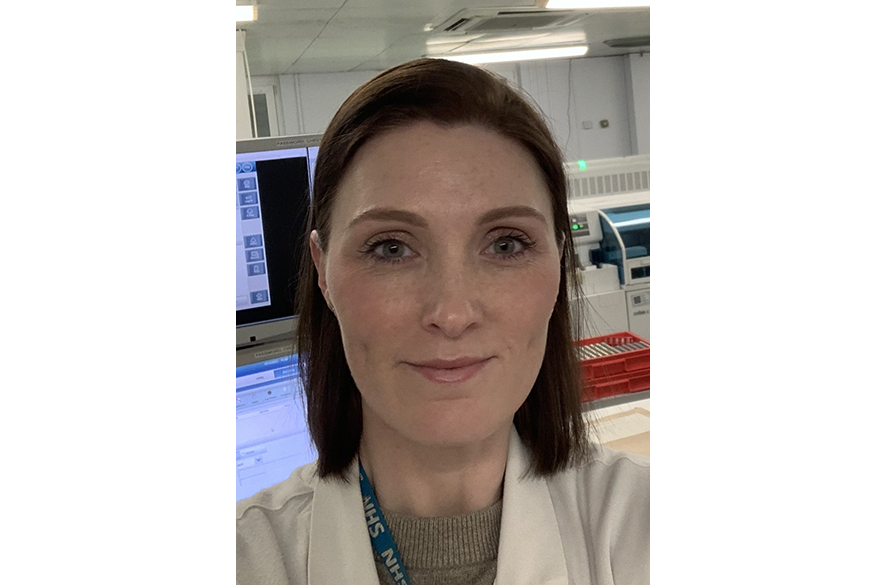
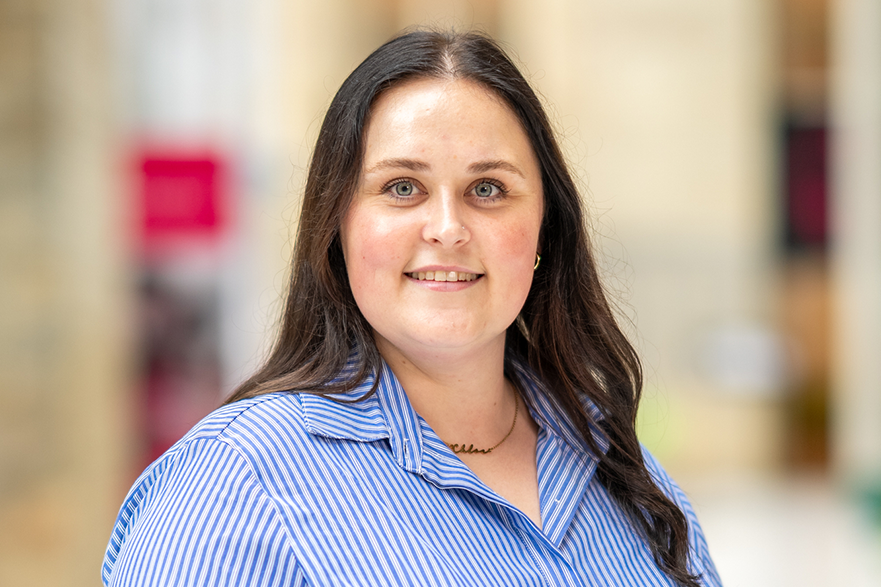
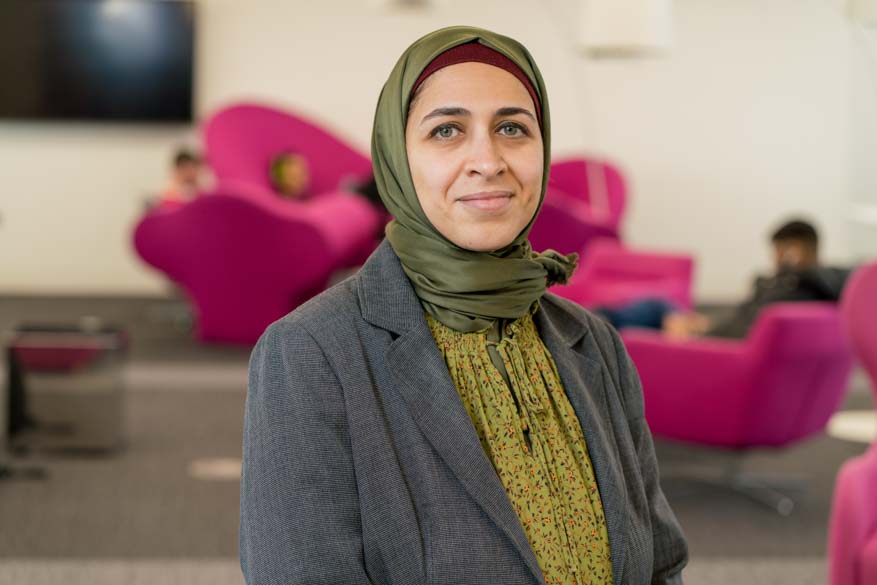
Who will teach you?







Entry requirements
UK students
In order to be eligible to undertake an Apprenticeship, you must ensure the following are in place prior to the start date of the course:
- You are a UK resident or have the right to work in the UK.
- You are required to have a job or a job offer in an IBMS-approved training laboratory.
- Have an employer who will support you to complete your apprenticeship.
- Will spend at least 50% of your working week in England over the duration of the apprenticeship. This also applies to remote and hybrid workers
Make sure to read the course-specific entry requirements in the additional requirements section below.
Additional requirements for UK students
- Standard offer: 120 UCAS Tariff points from up to three qualifications including A-level Biology grade C or BTEC Extended Diploma - DDM, including relevant Biology modules
- Other requirements: GCSE - English grade C / 4
Applicants who do not meet the above academic criteria but have sufficient relevant experience in the workplace will be considered on an individual basis provided they have undertaken some Level 3 study.
IBMS support staff qualifications; healthcare foundation degrees, and healthcare apprenticeships Level 3 / 4 are also considered for entry. Please contact Claudia Pearse or Sheri Scott to discuss your options.
Meeting our entry requirements
Hundreds of qualifications in the UK have UCAS Tariff points attached to specific grades, including A-levels, BTECs, T Levels and many more. You can use your grades and points from up to three different qualifications to meet our criteria. Enter your predicted or achieved grades into our Tariff calculator to find out how many points your qualifications are worth.
Other qualifications and experience
NTU welcomes applications from students with non-standard qualifications and learning backgrounds, either for year one entry or for advanced standing beyond the start of a course into year 2 or beyond.
We consider study and/or credit achieved from a similar course at another institution (otherwise known as credit transfer), vocational and professional qualifications, and broader work or life experience.
Our Recognition of Prior Learning and Credit Transfer Policy outlines the process and options available for this route. If you wish to apply via Recognition of Prior Learning, please contact the central Admissions and Enquiries Team who will be able to support you through the process.
Getting in touch
If you need more help or information, get in touch through our enquiry form.
International students
In order to be eligible to undertake an Apprenticeship, you must ensure you can fulfil the following prior to the start date of the course:
- You have been ordinarily resident in the UK and Islands for at least the previous 3-year period on the first day of your apprenticeship.
- Your ordinary residence in the UK and Islands has not during any part of that period been wholly or mainly for the purpose of receiving full-time education.
- You have permission granted by the UK government to live in the UK and such permission is not for education purposes only.
- You must be able to complete the apprenticeship in the time you have available (e.g. your Visa must last for the duration of the apprenticeship as well as your contract of employment).
- You are required to have a job or a job offer in an IBMS-approved training laboratory.
- Have an employer who will support you to complete your apprenticeship.
Make sure to read the course-specific entry requirements in the additional requirements section below.
Additional requirements for international students
- Standard offer: 120 UCAS Tariff points from up to three qualifications including A-level Biology grade C or BTEC Extended Diploma - DDM, including relevant Biology modules
- Other requirements: GCSE - English grade C / 4. If you have studied or gained qualifications in a country where English is the predominant language, this may not be required. Applications will be assessed on an individual basis.
Applicants who do not meet the above academic criteria but have sufficient relevant experience in the workplace will be considered on an individual basis provided they have undertaken some Level 3 study.
IBMS support staff qualifications; healthcare foundation degrees, and healthcare apprenticeships Level 3 / 4 are also considered for entry. Please contact Claudia Pearse or Sheri Scott to discuss your options.
Policies
We strive to make our admissions procedures as fair and clear as possible. To find out more about how we make offers, visit our admissions policies page.