Civil Engineer, Level 6 Degree Apprenticeship (Integrated) BEng (Hons)

About this course
Our Level 6 Civil Engineer Degree Apprenticeship (Integrated) offers the opportunity to gain a full honours degree, whilst developing valuable industry-specific work experience and earning a wage.
Who is this route suitable for?
- School leavers looking to do an apprenticeship instead of the traditional study route.
- Existing employees within companies who do not have a degree but want to develop.
Why choose a Degree Apprenticeship - How does it differ from a part-time course?
- Through government funding, your employer will be responsible for apprenticeship course fees, meaning that you will not pay University tuition fees.
- A Degree Apprenticeship is a three-way agreement by the University, your employer and you. As well as gaining a degree, you'll also benefit from on-the-job training, provided by your employer, opening up opportunities for career development and progression.
- You'll have the added advantage of years of relevant work experience, while making industry connections along the way. This could enhance your future employability and boost your career progression.
Find out more information about Degree Apprenticeships at NTU, including advice for both apprentices and employers.
Course details
The course is designed around the core themes in civil engineering, relating your learning to applications in the real world. You will develop your general understanding of civil engineering, focusing on key core subject areas: geotechnics, materials, and structures.
Work Based Learning (WBL) is integrated throughout the modules you will study. These modules will require you to reflect on your work experiences in the role that you will be working in whilst studying on the course. Some modules are exclusively based on Work Based Learning.
The apprenticeship course exposes you to the exciting and rapidly expanding world of civil engineering construction, preparing you to take on the challenges of developing and maintaining the infrastructure required by the world at large within the context of climate emergency while working within an ethical framework. Civil engineering offers a rewarding and varied career where you can make a positive difference to the world we all live in.
The course focuses on design and project work, which examine creativity and innovation within the engineering context. It uses these vehicles to develop a deep understanding of the principles and practice of civil engineering.
The course has a strong vocational nature. The final academic level of the course builds on the engineering principles covered in the early years of the course utilising construction and design projects as well as exploring the business and professional ethics side of the civil engineering industry.
Please note, you will need to be in employment with a relevant company to undertake our Degree Apprenticeship. Contact our Apprenticeship team for more information.
You must ensure that the company you undertake your Degree Apprenticeship with meets the necessary employer requirements. Please read our guidance for employers for more information.
-

Closely linked
This course is closely linked to our BEng (Hons) Civil Engineering degree.
-

Experience hands-on learning
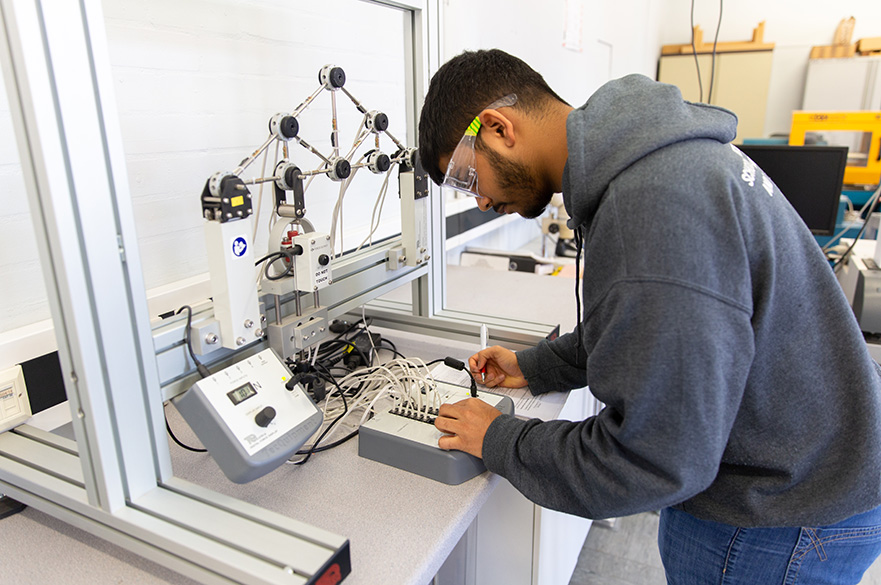
in our specialist facilities and workshops, including dedicated concrete, materials, hydraulics, geotechnical labs and structural testing equipment.
-

2nd
most sustainable university in the world (UI GreenMetric World University Rankings 2024).
The course is designed around the core themes in civil engineering, relating your learning to applications in the real world. You will develop your general understanding of civil engineering, focusing on key core subject areas: geotechnics, materials, and structures.
Work Based Learning (WBL) is integrated throughout the modules you will study. These modules will require you to reflect on your work experiences in the role that you will be working in whilst studying on the course. Some modules are exclusively based on Work Based Learning.
Module information
Here’s a breakdown of what you’ll be studying throughout the course:
Core modules
This module introduces you to the design processes and the graphical communication methods used within the civil engineering industry.
You'll practice the fundamental skills of hand sketching and drawing, before moving on to use industry relevant two-dimensional (2D) Computer Aided Design (CAD) packages to produce engineering drawings.
You'll be introduced to the fundamental principles of Building Information Modelling (BIM), including the compliance requirements at each level, whist emphasising the potential benefits of increased productivity and collaboration in the sector. In addition, you'll develop skills in other commonly used software, such as Microsoft Excel, to help solve and present engineering problems.
20 credits
This module will include a work-based learning element
During this module you'll reflect on your own work environment to: develop an understanding of the stakeholders involved in civil engineering projects; acquire an appreciation of the organisation of the construction industry and the key roles played in it by civil engineering professionals; and outline your own career aspirations and how you'll achieve them.
Using a negotiated project brief, you'll work to develop, evaluate and present your own design solutions to meet client requirements, within identified site and project constraints.
You'll develop an understanding of the stages of a construction project, including design, tender and construction stages, and how civil engineering infrastructure is designed and built with due consideration to safety, environmental and sustainability issues.
20 credits
This module is designed to introduce you to the materials encountered in civil engineering and general construction.
You'll look at areas such as geology, soil mechanics, steel, concrete, bricks and ceramics, and organic materials developing an understanding of the materials' properties and applications.
20 credits
This module will furnish you with a comprehensive range of mathematical techniques, providing you with the foundation for the study of more advanced mathematical techniques in Year Two.
20 credits
credits
credits
credits
credits
credits
credits
credits
credits
credits
credits
credits
credits
credits
credits
credits
credits
credits
credits
credits
credits
credits
credits
credits
credits
credits
credits
credits
credits
credits
credits
credits
credits
credits
credits
credits
credits
credits
credits
credits
credits
credits
credits
credits
credits
credits
credits
credits
credits
credits
credits
credits
credits
credits
credits
credits
credits
credits
credits
credits
credits
credits
credits
credits
credits
credits
credits
credits
credits
credits
credits
credits
credits
credits
credits
credits
credits
credits
credits
credits
credits
credits
credits
credits
credits
credits
credits
credits
credits
credits
credits
credits
credits
credits
credits
credits
credits
credits
credits
credits
credits
credits
credits
credits
credits
credits
credits
credits
credits
credits
credits
credits
credits
credits
credits
credits
credits
credits
credits
credits
credits
credits
credits
credits
credits
credits
credits
credits
credits
credits
credits
credits
credits
credits
credits
credits
credits
credits
credits
credits
credits
credits
credits
credits
credits
credits
credits
credits
credits
credits
credits
credits
credits
credits
credits
credits
credits
credits
credits
credits
credits
credits
credits
credits
credits
credits
credits
credits
credits
credits
credits
credits
Core modules
This module will introduce and develop your understanding of the principles and procedures of engineering surveying within the context of the construction industry.
The module will provide you with experience and develop your skills in the use of standard surveying instrumentation together with associated field and office procedures for the preparation of site plans, setting out and control of construction works.
20 credits
The module aims to provide you with an initial qualitative and quantitative appreciation of the behaviour and design of skeletal structures.
You'll explore a range of areas including the types of pin-jointed frameworks and their structural idealisation, types of beam structures and loadings, section analysis for direct bending stresses based on elastic theory, combined axial and bending elastic stresses with application to short columns, foundations and pre-stressed concrete and introductory timber design.
20 credits
The aim of this module is to improve your knowledge of practice within the construction industry, introducing you to the roles and responsibilities that you may undertake during placement, after graduation, and as you progress in your career.
You'll look at key areas such as project organisation, procurement, planning, programming, management, and contract and commercial documentation and administration.
20 credits
Building on the mathematical skills and knowledge developed in Year One, this module will provide you with the mathematical and fluid mechanics knowledge and techniques required as a civil engineer.
In this module you will look at probability, calculus, vectors and matrices. You'll also examine fluid mechanics, dimensional analysis, flow through pipes, and hydraulic machinery.
20 credits
credits
credits
credits
credits
credits
credits
credits
credits
credits
credits
credits
credits
credits
credits
credits
credits
credits
credits
credits
credits
credits
credits
credits
credits
credits
credits
credits
credits
credits
credits
credits
credits
credits
credits
credits
credits
credits
credits
credits
credits
credits
credits
credits
credits
credits
credits
credits
credits
credits
credits
credits
credits
credits
credits
credits
credits
credits
credits
credits
credits
credits
credits
credits
credits
credits
credits
credits
credits
credits
credits
credits
credits
credits
credits
credits
credits
credits
credits
credits
credits
credits
credits
credits
credits
credits
credits
credits
credits
credits
credits
credits
credits
credits
credits
credits
credits
credits
credits
credits
credits
credits
credits
credits
credits
credits
credits
credits
credits
credits
credits
credits
credits
credits
credits
credits
credits
credits
credits
credits
credits
credits
credits
credits
credits
credits
credits
credits
credits
credits
credits
credits
credits
credits
credits
credits
credits
credits
credits
credits
credits
credits
credits
credits
credits
credits
credits
credits
credits
credits
credits
credits
credits
credits
credits
credits
credits
credits
credits
credits
credits
credits
credits
credits
credits
credits
credits
credits
credits
credits
credits
credits
Core modules
This module will develop your appreciation of fundamental soil and geological properties.
You'll measure and test different geological and geotechnical materials, allowing you to recognise and investigate ground-related problems and hazards.
20 credits
This module allows you to learn from the work environment. It is designed so that you can:
- Acquire an appreciation of new and emerging technologies as used in the construction industry
- Further develop an appreciation of the importance of teamwork, communication and time management in the context of civil engineering projects by participating fully in, and contributing to, the production of a civil engineering related scheme from an initial design brief.
- Develop wider skills that will be of value in the world of work.
20 credits
The module aims to provide you with an introduction to the structural behaviour of elements in reinforced concrete, timber and steelwork and their design and detailing to the relevant codes of practice.
The module also focuses upon new and emerging technologies as used in the construction industry and to develop the principles underlying the construction of the superstructure of buildings for commercial, industrial and institutional use and of the technological and legislative influences upon building design and construction methods. The calculation of embodied carbon must become a key part of every design process.
20 credits
The module aims to provide you with an introduction to elastic and plastic behaviour of statically determinate and indeterminate beams, pin-jointed frames (trusses) and rigidly jointed frames.
20 credits
credits
credits
credits
credits
credits
credits
credits
credits
credits
credits
credits
credits
credits
credits
credits
credits
credits
credits
credits
credits
credits
credits
credits
credits
credits
credits
credits
credits
credits
credits
credits
credits
credits
credits
credits
credits
credits
credits
credits
credits
credits
credits
credits
credits
credits
credits
credits
credits
credits
credits
credits
credits
credits
credits
credits
credits
credits
credits
credits
credits
credits
credits
credits
credits
credits
credits
credits
credits
credits
credits
credits
credits
credits
credits
credits
credits
credits
credits
credits
credits
credits
credits
credits
credits
credits
credits
credits
credits
credits
credits
credits
credits
credits
credits
credits
credits
credits
credits
credits
credits
credits
credits
credits
credits
credits
credits
credits
credits
credits
credits
credits
credits
credits
credits
credits
credits
credits
credits
credits
credits
credits
credits
credits
credits
credits
credits
credits
credits
credits
credits
credits
credits
credits
credits
credits
credits
credits
credits
credits
credits
credits
credits
credits
credits
credits
credits
credits
credits
credits
credits
credits
credits
credits
credits
credits
credits
credits
credits
credits
credits
credits
credits
credits
credits
credits
credits
credits
credits
credits
credits
credits
Core modules
Building on the grasp of principles and theory you'll develop in Year Two, this module will provide a sound background to the decision making, design and implementation of geotechnical design.
You'll learn to analyse and design some typical engineering problems involved in the construction of geotechnical structures, and develop informed solutions in line with current design standards and industry approach.
You'll look at topics such as soil mechanics, foundations, slope stability, and the development of brownfield sites.
20 credits
This module will broaden your knowledge of the design of structural frameworks and how they withstand forces acting on them.
You will learn to analyse and design some typical engineering problems involved in the construction of geotechnical structures. These topics will be reviewed within the context of safe and sustainable development.
20 credits
This module will broaden your understanding of the wider urban environment through the introduction of infrastructure topics such as transport, highways, rail, asset management, and water. You'll develop an appreciation of the issues that influence decision-making, design and implementation of major infrastructure schemes.
You'll study these topics within the context of sustainable developments, looking at key elements of environmental legislation.
20 credits
credits
credits
credits
credits
credits
credits
credits
credits
credits
credits
credits
credits
credits
credits
credits
credits
credits
credits
credits
credits
credits
credits
credits
credits
credits
credits
credits
credits
credits
credits
credits
credits
credits
credits
credits
credits
credits
credits
credits
credits
credits
credits
credits
credits
credits
credits
credits
credits
credits
credits
credits
credits
credits
credits
credits
credits
credits
credits
credits
credits
credits
credits
credits
credits
credits
credits
credits
credits
credits
credits
credits
credits
credits
credits
credits
credits
credits
credits
credits
credits
credits
credits
credits
credits
credits
credits
credits
credits
credits
credits
credits
credits
credits
credits
credits
credits
credits
credits
credits
credits
credits
credits
credits
credits
credits
credits
credits
credits
credits
credits
credits
credits
credits
credits
credits
credits
credits
credits
credits
credits
credits
credits
credits
credits
credits
credits
credits
credits
credits
credits
credits
credits
credits
credits
credits
credits
credits
credits
credits
credits
credits
credits
credits
credits
credits
credits
credits
credits
credits
credits
credits
credits
credits
credits
credits
credits
credits
credits
credits
credits
credits
credits
credits
credits
credits
credits
credits
credits
credits
credits
credits
credits
Core module
This module is based around four themes: health, safety and welfare; the profession and wider society; clients, stakeholders, communities and government; and sustainability.
Its aim is to fully prepare you for graduate roles, with the knowledge, skills, awareness and professionalism expected by graduate employers.
20 credits
credits
credits
credits
credits
credits
credits
credits
credits
credits
credits
credits
credits
credits
credits
credits
credits
credits
credits
credits
credits
credits
credits
credits
credits
credits
credits
credits
credits
credits
credits
credits
credits
credits
credits
credits
credits
credits
credits
credits
credits
credits
credits
credits
credits
credits
credits
credits
credits
credits
credits
credits
credits
credits
credits
credits
credits
credits
credits
credits
credits
credits
credits
credits
credits
credits
credits
credits
credits
credits
credits
credits
credits
credits
credits
credits
credits
credits
credits
credits
credits
credits
credits
credits
credits
credits
credits
credits
credits
credits
credits
credits
credits
credits
credits
credits
credits
credits
credits
credits
credits
credits
credits
credits
credits
credits
credits
credits
credits
credits
credits
credits
credits
credits
credits
credits
credits
credits
credits
credits
credits
credits
credits
credits
credits
credits
credits
credits
credits
credits
credits
credits
credits
credits
credits
credits
credits
credits
credits
credits
credits
credits
credits
credits
credits
credits
credits
credits
credits
credits
credits
credits
credits
credits
credits
credits
credits
credits
credits
credits
credits
credits
credits
credits
credits
credits
credits
credits
credits
credits
credits
credits
credits
credits
credits
Core module
Each Apprentice will commence with the 40-credit points EPA module following “Gateway” which requires the Apprentice to have completed and passed 320 credits of the BEng (Hons) degree and for their employer to be content that the Apprentice is occupationally competent. The Gateway declaration document must be signed by the employer, Apprentice and NTU before the Apprentice can start the End-point Assessment (EPA) module.
Apprentice’s requirements prior to gateway:
- To complete 320 credits of the BEng (Hons) Civil Engineering Degree.
- To have compiled and submitted a Portfolio of Evidence during the on-programme period of their apprenticeship that contains evidence of how they have met or exceeded the required 49 Knowledge, Skills and Behaviours (KSBs) in their employment.
Employer requirements prior to gateway:
- To provide the necessary training in the workplace for the Apprentice to meet or exceed the 29 KSBs related to the Professional Discussion.
- To have signed off the Apprentices’ Portfolio of Evidence that contains work-based evidence of how they have met or exceeded the 49 KSBs.
NTU requirements prior to gateway:
- To hold a Board of Examiners meeting to certify that the Apprentice has completed and passed 320 credits of the BEng (Hons) degree.
- To certify by means of the Gateway Declaration document that the employer has confirmed that the Apprentice has met or exceeded the 49 KSBs in the workplace.
- If the above criteria have been met, to allow the Apprentice to progress to the commencement of this EPA module.
End Point Assessment: The EPA process includes the option of assessment for professional recognition as an Incorporated Engineer (IEng).
The EPA consists of two assessment methods:
1. Technical project report and presentation with questioning.
2. Professional discussion underpinned by a portfolio of evidence.
Assessment method 1: Technical project report and presentation with questioning.
A project involves the apprentice completing a significant and defined piece of work that has a real business application and benefit. The project must meet the needs of the employer’s business and be relevant to the apprentice’s occupation and apprenticeship. As such, the title and scope of the project is to be decided by the employer prior to Gateway and NTU will sign-off the project’s title and scope at Gateway to confirm its appropriateness in terms of the grading descriptors.
This assessment method has 2 components:
- project with a project output,
- presentation with questions and answers.
Assessment method 2: Professional discussion underpinned by a portfolio of evidence.
In the professional discussion, two independent assessors and apprentice have a formal two-way conversation. It gives the apprentice the opportunity to demonstrate the KSBs mapped to this assessment method.
The apprentice can refer to and illustrate their answers with evidence from their portfolio of evidence.
0 credits
credits
credits
credits
credits
credits
credits
credits
credits
credits
credits
credits
credits
credits
credits
credits
credits
credits
credits
credits
credits
credits
credits
credits
credits
credits
credits
credits
credits
credits
credits
credits
credits
credits
credits
credits
credits
credits
credits
credits
credits
credits
credits
credits
credits
credits
credits
credits
credits
credits
credits
credits
credits
credits
credits
credits
credits
credits
credits
credits
credits
credits
credits
credits
credits
credits
credits
credits
credits
credits
credits
credits
credits
credits
credits
credits
credits
credits
credits
credits
credits
credits
credits
credits
credits
credits
credits
credits
credits
credits
credits
credits
credits
credits
credits
credits
credits
credits
credits
credits
credits
credits
credits
credits
credits
credits
credits
credits
credits
credits
credits
credits
credits
credits
credits
credits
credits
credits
credits
credits
credits
credits
credits
credits
credits
credits
credits
credits
credits
credits
credits
credits
credits
credits
credits
credits
credits
credits
credits
credits
credits
credits
credits
credits
credits
credits
credits
credits
credits
credits
credits
credits
credits
credits
credits
credits
credits
credits
credits
credits
credits
credits
credits
credits
credits
credits
credits
credits
credits
credits
credits
credits
credits
credits
credits
credits
credits
credits
credits
credits
credits
credits
credits
credits
credits
credits
credits
credits
credits
credits
credits
credits
credits
credits
credits
credits
credits
credits
credits
credits
credits
credits
credits
credits
credits
credits
credits
credits
credits
credits
credits
credits
credits
credits
credits
credits
credits
credits
credits
credits
credits
credits
credits
credits
credits
credits
credits
credits
credits
credits
credits
credits
credits
credits
credits
credits
credits
credits
credits
credits
credits
credits
credits
credits
credits
credits
credits
credits
credits
credits
credits
credits
credits
credits
credits
credits
credits
credits
credits
credits
credits
credits
credits
credits
credits
credits
credits
credits
credits
credits
credits
credits
credits
credits
credits
credits
credits
credits
credits
credits
credits
credits
credits
credits
credits
credits
credits
credits
credits
credits
credits
credits
credits
credits
credits
credits
credits
credits
credits
credits
credits
credits
credits
credits
credits
credits
credits
credits
credits
credits
credits
credits
credits
credits
credits
credits
credits
credits
credits
credits
credits
credits
credits
credits
credits
credits
credits
credits
credits
credits
credits
credits
credits
credits
credits
credits
credits
credits
credits
credits
credits
credits
credits
credits
credits
credits
credits
credits
credits
credits
credits
credits
credits
credits
credits
credits
credits
credits
credits
credits
credits
credits
credits
credits
credits
credits
credits
credits
credits
credits
credits
credits
credits
credits
credits
credits
credits
credits
credits
credits
credits
credits
credits
credits
credits
credits
credits
credits
credits
credits
credits
credits
credits
credits
credits
credits
credits
credits
credits
credits
credits
credits
credits
credits
credits
credits
credits
credits
credits
credits
credits
credits
credits
credits
credits
credits
credits
credits
credits
credits
credits
credits
credits
credits
credits
credits
credits
credits
credits
credits
credits
credits
credits
credits
credits
credits
credits
credits
credits
credits
credits
credits
credits
credits
credits
credits
credits
credits
credits
credits
credits
credits
credits
credits
credits
credits
credits
credits
credits
credits
credits
credits
credits
credits
credits
credits
credits
credits
credits
credits
credits
credits
credits
credits
credits
credits
credits
credits
credits
credits
credits
credits
credits
credits
credits
credits
credits
credits
credits
credits
credits
credits
credits
credits
credits
credits
credits
credits
credits
credits
credits
credits
credits
credits
credits
credits
credits
credits
credits
credits
credits
credits
credits
credits
credits
credits
credits
credits
credits
credits
credits
credits
credits
credits
credits
credits
credits
credits
credits
credits
credits
credits
credits
credits
credits
credits
credits
credits
credits
credits
credits
credits
credits
credits
credits
credits
credits
credits
credits
credits
credits
credits
credits
credits
credits
credits
credits
credits
credits
credits
credits
credits
credits
credits
credits
credits
credits
credits
credits
credits
credits
credits
credits
credits
credits
credits
credits
credits
credits
credits
credits
credits
credits
credits
credits
credits
credits
credits
credits
credits
credits
credits
credits
credits
credits
credits
credits
credits
credits
credits
credits
credits
credits
credits
credits
credits
credits
credits
credits
credits
credits
credits
credits
credits
credits
credits
credits
credits
credits
credits
credits
credits
credits
credits
credits
credits
credits
credits
credits
credits
credits
credits
credits
credits
credits
credits
credits
credits
credits
credits
credits
credits
credits
credits
credits
credits
credits
credits
credits
credits
credits
credits
credits
credits
credits
credits
credits
credits
credits
credits
credits
credits
credits
credits
credits
credits
credits
credits
credits
credits
credits
credits
credits
credits
credits
credits
credits
credits
credits
credits
credits
credits
credits
credits
credits
credits
credits
credits
credits
credits
credits
credits
credits
credits
credits
credits
credits
credits
credits
credits
credits
credits
credits
credits
credits
credits
credits
credits
credits
credits
credits
credits
credits
credits
credits
credits
credits
credits
credits
credits
credits
credits
credits
credits
credits
credits
credits
credits
credits
credits
credits
credits
credits
credits
credits
credits
credits
credits
credits
credits
credits
credits
credits
credits
credits
credits
credits
credits
credits
credits
credits
credits
credits
credits
credits
credits
credits
credits
credits
credits
credits
credits
credits
credits
credits
credits
credits
credits
credits
credits
credits
credits
credits
credits
credits
credits
credits
credits
credits
credits
credits
credits
credits
credits
credits
credits
credits
credits
credits
credits
credits
credits
credits
credits
credits
credits
credits
credits
credits
credits
credits
credits
credits
credits
credits
credits
credits
credits
credits
credits
credits
credits
credits
credits
credits
credits
credits
credits
credits
credits
credits
credits
credits
credits
credits
credits
credits
credits
credits
credits
credits
credits
credits
credits
credits
credits
credits
credits
credits
credits
credits
credits
credits
credits
credits
credits
credits
credits
credits
credits
credits
credits
credits
credits
credits
credits
credits
credits
credits
credits
credits
credits
credits
credits
credits
credits
credits
credits
credits
credits
credits
credits
credits
credits
credits
We regularly review our course content based on student and employer feedback to ensure they remain current and relevant. This may result in changes to module content or availability in future years. Optional modules will only run where there is sufficient demand. This will be determined on a case-by-case basis to protect the academic and student experience.
Student experience

Student Work
Video Gallery
How you're taught
How will I learn?
- The Degree Apprenticeship route is taught one day a week during term time, and, where possible, you'll be taught alongside full-time students on the BEng (Hons) Civil Engineering course.
- Your typical day will run from 9 am through to about 7.30 pm, and normally three different subject areas are taught on each day.
- The course is organised into structured modules and is delivered through lectures, tutorials, workshops, seminar groups, site visits, laboratory sessions, and individual and group projects.
- The delivery of the course is enhanced by the incorporation of guest lectures delivered by external practitioner experts, extensive use of case studies and projects (some set by real companies).
- The duration of your Degree Apprenticeship is based on a typical 30-hour working week, with 6 hours per week being used for off-the-job training. If your weekly working hours are less than this, the apprenticeship may be extended.
Who will teach you?







Entry requirements
UK students
In order to be eligible to undertake an Apprenticeship, you must ensure the following are in place prior to the start date of the course:
- You are a UK resident or have the right to work in the UK.
- Have a job or a job offer from an employer who will support you to complete your apprenticeship.
- Will spend at least 50% of your working week in England over the duration of the apprenticeship. This also applies to remote and hybrid workers
Make sure to read the course-specific entry requirements in the additional requirements section below.
Additional requirements for UK students
To undertake our Civil Engineering Degree Apprenticeship you'll need to be in employment with a relevant employer. Your employer must also meet necessary requirements, read our guidance for employers for more information.
For help and advice about sourcing employment opportunities, please get in touch with our Apprenticeship team.
Entry requirements
120 UCAS Tariff points
Individual employers will set the selection criteria for their Apprentices in terms of employment and eligibility. Applicants for this course must meet the published entry requirements below:
- 112 UCAS Tariff points from up to three A-levels or equivalent qualifications, including an A-level grade C equivalent in Maths and excluding General Studies; or
- DMM from BTEC National Diploma (18 Units) in an Engineering subject. Applicants must gain Merit grades in both the Mathematics for Technicians AND Further Mathematics for Technicians units if they do not have a grade C in A-level Mathematics; or
- Merit from T-level in Design, Surveying and Planning for Construction; or
- A successfully completed Level 3 Apprenticeship as a Civil Engineering Technician.
And
- GCSEs – English and Maths grade C / 4.
Applicants applying without A-levels will have their qualifications assessed for subject compatibility.
All successful applicants must meet the criteria for Apprentices set by the Skills Funding Agency (SFA).
Other relevant qualifications or prior experience may also be considered as an alternative. NTU will liaise with the employer to determine their requirements.
Advanced entry
To qualify for Advanced Entry into Year 4 of the 5 year course, applicants will require the following minimum entry requirements:
- HND in Civil Engineering with an overall Merit grade with Merit grades in each of the units of Further Mathematics for Construction, Geotechnics & Soil Mechanics, Advanced Structural Design, and Hydraulics.
Meeting our entry requirements
Hundreds of qualifications in the UK have UCAS Tariff points attached to specific grades, including A-levels, BTECs, T Levels and many more. You can use your grades and points from up to four different qualifications to meet our criteria. Enter your predicted or achieved grades into our Tariff calculator to find out how many points your qualifications are worth.
Other qualifications and experience
NTU welcomes applications from students with non-standard qualifications and learning backgrounds, either for year one entry or for advanced standing beyond the start of a course into year 2 or beyond.
We consider study and/or credit achieved from a similar course at another institution (otherwise known as credit transfer), vocational and professional qualifications, and broader work or life experience.
Our Recognition of Prior Learning and Credit Transfer Policy outlines the process and options available for this route. If you wish to apply via Recognition of Prior Learning, please contact the central Admissions and Enquiries Team who will be able to support you through the process.
Getting in touch
If you need more help or information, get in touch through our enquiry form.
International students
In order to be eligible to undertake an Apprenticeship, you must ensure you can fulfil the following prior to the start date of the course:
- You have been ordinarily resident in the UK and Islands for at least the previous 3-year period on the first day of your apprenticeship.
- Your ordinary residence in the UK and Islands has not during any part of that period been wholly or mainly for the purpose of receiving full-time education.
- You have permission granted by the UK government to live in the UK and such permission is not for education purposes only.
- You must be able to complete the apprenticeship in the time you have available (e.g. your Visa must last for the duration of the apprenticeship as well as your contract of employment).
Make sure to read the course-specific entry requirements in the additional requirements section below.
Additional requirements for international students
To undertake our Civil Engineering Degree Apprenticeship you'll need to be in employment with a relevant employer. Your employer must also meet necessary requirements, read our guidance for employers for more information.
For help and advice about sourcing employment opportunities, please get in touch with our Apprenticeship team.
Entry requirements
112 UCAS Tariff points
Individual employers will set the selection criteria for their Apprentices in terms of employment and eligibility. Applicants for this course must meet the published entry requirements below:
- 120 UCAS Tariff points from up to three A-levels or equivalent qualifications, including an A-level grade C equivalent in Maths and excluding General Studies; or
- DMM from BTEC National Diploma (18 Units) in an Engineering subject. Applicants must gain Merit grades in both the Mathematics for Technicians AND Further Mathematics for Technicians units if they do not have a grade C in A-level Mathematics; or
- Merit from T-level in Design, Surveying and Planning for Construction; or
- A successfully completed Level 3 Apprenticeship as a Civil Engineering Technician.
And
- GCSEs – English and Maths grade C / 4.
Applicants applying without A-levels will have their qualifications assessed for subject compatibility.
All successful applicants must meet the criteria for Apprentices set by the Skills Funding Agency (SFA).
Other relevant qualifications or prior experience may also be considered as an alternative. NTU will liaise with the employer to determine their requirements.
Advanced entry
To qualify for Advanced Entry into Year 4 of the 5 year course, applicants will require the following minimum entry requirements:
- HND in Civil Engineering with an overall Merit grade with Merit grades in each of the units of Further Mathematics for Construction, Geotechnics & Soil Mechanics, Advanced Structural Design, and Hydraulics.
Policies
We strive to make our admissions procedures as fair and clear as possible. To find out more about how we make offers, visit our admissions policies page.