This course is in Clearing.
Offers from 80 tariff points
About this course
From specialist sports equipment to wearable sports technology, the study of sports engineering seeks to address problems associated with sports, health, and exercise. It brings together sports science, technology, and engineering to help improve performance, safety, and comfort in sporting and occupational settings.
On this sport engineering degree, you’ll develop devices and technology that address real-world sporting challenges – whether it’s designing equipment that gives athletes a competitive edge, or developing new and better materials, processes and devices that optimise human function and reduce the risk of injury.
You’ll gain an in-depth understanding of how the body moves and functions, how design and engineering principles are utilised for producing sporting equipment, and how to optimise the user-equipment interface to enhance performance, improve comfort, and reduce injury risk.
The global and diverse sport engineering industry is growing rapidly, attracting investment from professional clubs, sportswear manufacturers, and developers of wearable technology. Combining technical engineering skills with your passion for sport, this course will help you to become a part of the next big breakthrough in sport technology.
-

Get your Masters degree
with postgraduate-level modules built onto your undergraduate course
-

Cutting-edge equipment
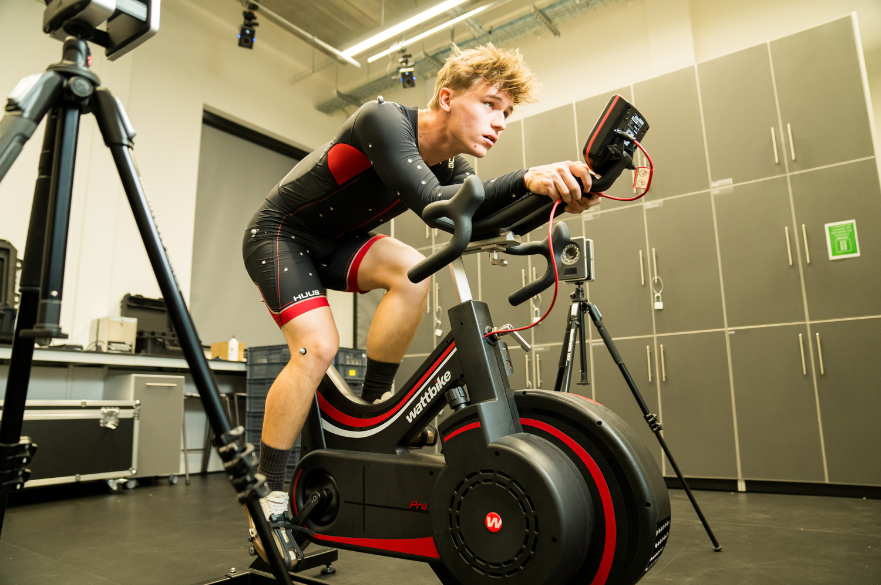
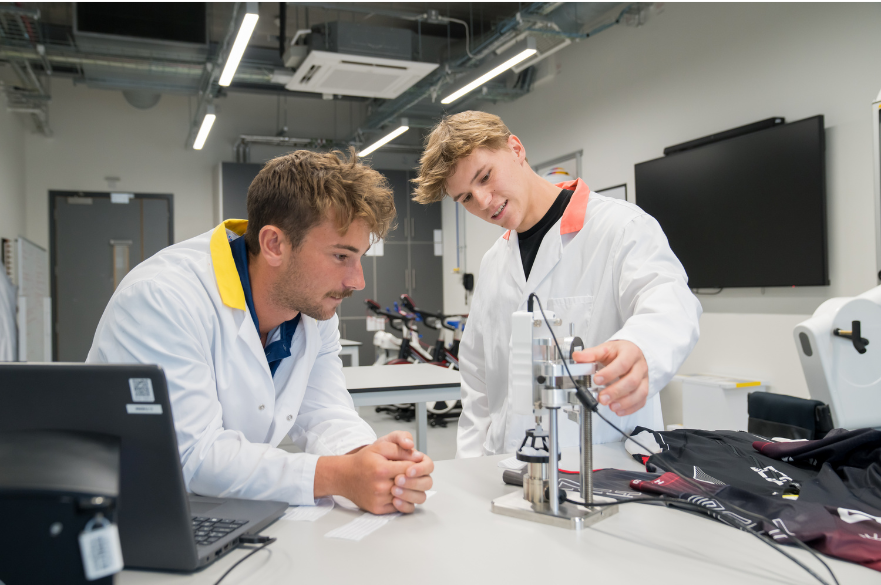
like specialist labs, purpose-built workshops and high-spec sports technology kit
-
Accredited by the Institution of Engineering and Technology
and recognised by CDIO, guaranteeing high-quality, project-based learning
-

Top 10 in the UK
for student satisfaction in general engineering (Complete University Guide 2027).
Studying sport engineering at NTU, you’ll get plenty of opportunities to work on live briefs set by our industry partners, use your creativity, and bring your ideas from conception to production. With full access to our industry-standard engineering facilities, you’ll tackle practical projects such as designing a helmet for a sport of your choice, reverse engineering everyday objects, and testing equipment both in the lab and in the field.
On this MEng Sport Engineering course, Masters-level modules are integrated into your final year. Therefore, you’ll learn to think, work and behave like a professional engineer, and graduate with a higher degree level.
What's the difference between BEng, MEng, and Foundation Year?
- This MEng (Hons) is a four-year course that leads to a single postgraduate qualification. The first two years are the same as the BEng course, with advanced, Masters-level study then spread across the third and fourth years.
- BEng (Hons) is a three-year undergraduate course, or four years if you choose to complete a work placement. If your academic performance is strong enough over the first two years, we’ll automatically offer you a place on the MEng course.
- BEng (Hons) with Foundation Year – If you don’t meet the entry criteria for the BEng or MEng Sport Engineering courses, then the foundation year is a great option. It brings you up to speed on maths, science and engineering so that you're ready to study sport engineering in your second year.
Highlights of this sport engineering degree include
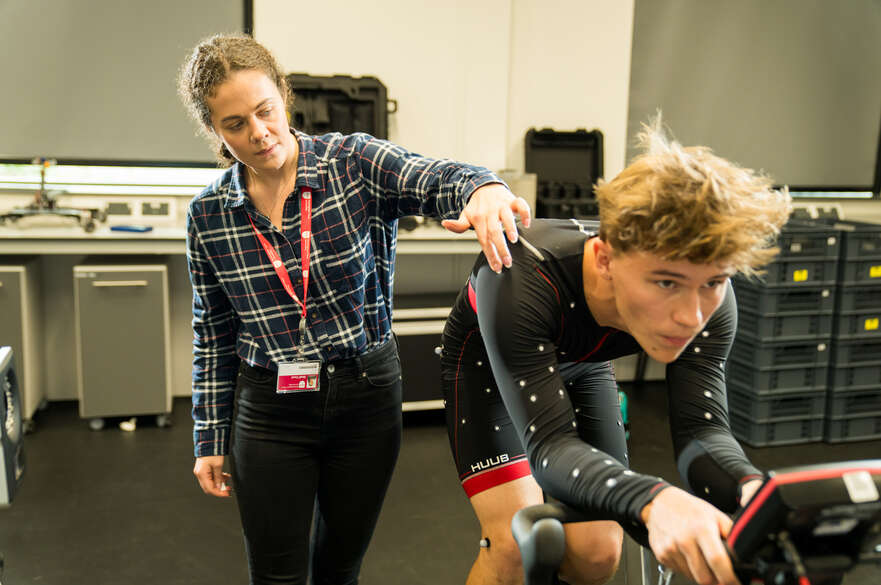
- Working on live projects for our industry partners, giving you real-world experience and professional networking opportunities
- The Grand Challenge, a collaborative in-depth engineering project with the opportunity to present your work at a trade show
- The chance to do a year-long placement and gain a Diploma in Professional Practice – placement destinations have included Hawk-Eye Innovations, Silverstone Sports Engineering Hub, PepsiCo, Vires Velo, ESP Fitness, and more
- Talks and field trips (covered by your course fees) are built into your sport engineering degree course, to help you contextualise your learning in the real world and network with potential employers
- The opportunity to get involved in active research on our eight-week Engineering Research Opportunities Scholarships (EROS) programme, after which you’ll get a certificate of professional practice.
Module information
Here’s a breakdown of what you’ll be studying throughout the course:
Study the aspects of materials, from a macroscopic perspective, including their key properties, mechanics, thermodynamics, measurement, instrumentation, electricity and electronics. This module develops the core knowledge and skills that are essential to engineers and to engineering.
20 credits
These core mathematical skills will inform the discipline specific mathematics and computing skills you will use in the design, manufacture and testing of engineered products in the coming years.
20 credits
Learn the physical and IT workshop skills required in the design and manufacture of products, including basic design methods and fabrication. In Terms One and Two the module is taught through a series of lectures and short projects, and includes industry training in Autodesk Fusion 360. In Term Three the module will culminate in a three-week Grand Challenge group project in which you will bring together the skills and techniques learned in this, and other, modules to solve an engineering challenge.
40 credits
Learn about the aspects of electrical components, electrical circuits and their properties, digital logic, and the fundamentals of microprocessor and programmable logic devices and their applications.
20 credits
This module will introduce you to basic methods for data collection and numerical techniques for analysing data to answer simple research questions in anatomy, physiology and biomechanics.
20 credits
credits
credits
credits
credits
credits
credits
credits
credits
credits
credits
credits
credits
credits
credits
credits
credits
credits
credits
credits
credits
credits
credits
credits
credits
credits
credits
credits
credits
credits
credits
credits
credits
credits
credits
credits
credits
credits
credits
credits
credits
credits
credits
credits
credits
credits
credits
credits
credits
credits
credits
credits
credits
credits
credits
credits
credits
credits
credits
credits
credits
credits
credits
credits
credits
credits
credits
credits
credits
credits
credits
credits
credits
credits
credits
credits
credits
credits
credits
credits
credits
credits
credits
credits
credits
credits
credits
credits
credits
credits
credits
credits
credits
credits
credits
credits
credits
credits
credits
credits
credits
credits
credits
credits
credits
credits
credits
credits
credits
credits
credits
credits
credits
credits
credits
credits
credits
credits
credits
credits
credits
credits
credits
credits
credits
credits
credits
credits
credits
credits
credits
credits
credits
credits
credits
credits
credits
credits
credits
credits
credits
credits
credits
credits
credits
credits
credits
credits
credits
credits
credits
credits
credits
credits
credits
credits
credits
credits
credits
credits
credits
credits
credits
credits
credits
credits
credits
credits
credits
credits
credits
Examine the theory of digital systems and gain hands-on experience integrating computing and electronics in order to solve practical problems.
20 credits
Study a range of analytical and numerical techniques that are needed to solve mathematical models including; the approximation of functions using series; Fourier analysis; numerical integration and differentiation methods; and solutions of ordinary and partial differential equations.
20 credits
Through understanding the parts and materials involved in designing a product, you'll explore how a product should be manufactured. You'll consider the design and manufacture processes, materials, assembly, rapid prototyping, efficiency and tolerance, analysis of quality, product maintenance and safety, costs, sustainability, business and consumer needs.
20 credits
This module is a practical project-based module where you'll immerse yourself in engineering projects and product analysis. You'll use the practical and project related skills you've developed so far, alongside necessary project management skills to design and produce components and / or products.
20 credits
Explore sport engineering solutions used to resolve problems associated with human performance in sport, exercise and the enhancement of health and identify engineering solutions which can be applied in a range of sport engineering scenarios.
20 credits
Develop the skills to obtain and explain measurable human characteristics, such as physiological and biomechanical responses, which will inform your engineering product design and manufacture that meets the sport and exercise needs of the user.
20 credits
credits
credits
credits
credits
credits
credits
credits
credits
credits
credits
credits
credits
credits
credits
credits
credits
credits
credits
credits
credits
credits
credits
credits
credits
credits
credits
credits
credits
credits
credits
credits
credits
credits
credits
credits
credits
credits
credits
credits
credits
credits
credits
credits
credits
credits
credits
credits
credits
credits
credits
credits
credits
credits
credits
credits
credits
credits
credits
credits
credits
credits
credits
credits
credits
credits
credits
credits
credits
credits
credits
credits
credits
credits
credits
credits
credits
credits
credits
credits
credits
credits
credits
credits
credits
credits
credits
credits
credits
credits
credits
credits
credits
credits
credits
credits
credits
credits
credits
credits
credits
credits
credits
credits
credits
credits
credits
credits
credits
credits
credits
credits
credits
credits
credits
credits
credits
credits
credits
credits
credits
credits
credits
credits
credits
credits
credits
credits
credits
credits
credits
credits
credits
credits
credits
credits
credits
credits
credits
credits
credits
credits
credits
credits
credits
credits
credits
credits
credits
credits
credits
credits
credits
credits
credits
credits
credits
credits
credits
credits
credits
credits
credits
credits
credits
credits
credits
credits
credits
credits
Optional year-long work placement or study abroad opportunity. If you are not studying abroad or taking a placement, you will progress directly to Year Three.
You will be supported by our experienced Employability Team or Global Team to find a suitable opportunity.
credits
credits
credits
credits
credits
credits
credits
credits
credits
credits
credits
credits
credits
credits
credits
credits
credits
credits
credits
credits
credits
credits
credits
credits
credits
credits
credits
credits
credits
credits
credits
credits
credits
credits
credits
credits
credits
credits
credits
credits
credits
credits
credits
credits
credits
credits
credits
credits
credits
credits
credits
credits
credits
credits
credits
credits
credits
credits
credits
credits
credits
credits
credits
credits
credits
credits
credits
credits
credits
credits
credits
credits
credits
credits
credits
credits
credits
credits
credits
credits
credits
credits
credits
credits
credits
credits
credits
credits
credits
credits
credits
credits
credits
credits
credits
credits
credits
credits
credits
credits
credits
credits
credits
credits
credits
credits
credits
credits
credits
credits
credits
credits
credits
credits
credits
credits
credits
credits
credits
credits
credits
credits
credits
credits
credits
credits
credits
credits
credits
credits
credits
credits
credits
credits
credits
credits
credits
credits
credits
credits
credits
credits
credits
credits
credits
credits
credits
credits
credits
credits
credits
credits
credits
credits
credits
credits
credits
credits
credits
credits
credits
credits
credits
credits
credits
credits
credits
credits
credits
credits
credits
credits
credits
credits
credits
Year Three is a placement year for Sandwich students. If you are not taking a placement you will take the following modules:
Core modules
Develop your understanding and application of methods for setting, measuring, improving and monitoring performance in an engineering setting, to ensure quality and efficiency in the product lifecycle.
20 credits
In the engineering industry group and teamwork is pivotal in developing many products. In this module, you will create a project plan, explore consumer needs and demands, design, prototype and test a product or process, and evaluate the business impact of your solution.
40 credits
Investigate the limits of human function in sporting, exercise and health contexts and develop the ability to use methods by which these limits can be measured and methods by which human function can be optimised.
20 credits
credits
credits
credits
credits
credits
credits
credits
credits
credits
credits
credits
credits
credits
credits
credits
credits
credits
credits
credits
credits
credits
credits
Group A Optional modules - choose one
Learn about the theory and practice of embedded electronics through the use of a small-scale development project on an embedded platform. You will be equipped with a deeper understanding of electronic devices and sensor systems; from semiconductor technology through data acquisition and control to the design of embedded systems.
20 credits
All too often, the most brilliant technical products are not used to their full potential because users are unable to operate them. This module will give you an understanding of what limits human performance including physical capability, mental agility and organisational systems. It will consider how to design products for targeted specialist users, or for the wider population.
20 credits
What happens to a product when it reaches the end of its useful life? As technology advances rapidly, many of the things we use become obsolete very quickly. This module considers designing for sustainability, and choosing materials and components that can be reused, repurposed or recycled.
20 credits
credits
credits
credits
credits
credits
credits
credits
credits
credits
credits
credits
credits
credits
credits
credits
credits
credits
credits
credits
credits
credits
credits
Group B Optional modules - choose one
Understand Industry 4.0 and how Cyber-Physical System (CPS) technology is attempting to make the products and systems smart and autonomous. By using real case studies from industry, you'll explore the challenges and solutions that Industry 4.0 poses and gain insights into how 'smartness' is being harnessed from data.
20 credits
The range of sport engineering products of a mechanical nature is extensive, from equipment such as sticks/bats/rackets/balls to protective gear such as shin pads/helmets. But how do you make something that improves human performance in sport and exercise, in a manner that is safe for the user and works within the rules and regulations of the sport? This module is intended to provide the tools and skills needed to answer these questions.
20 credits
credits
credits
credits
credits
credits
credits
credits
credits
credits
credits
credits
credits
credits
credits
credits
credits
credits
credits
credits
credits
credits
credits
credits
credits
credits
credits
credits
credits
credits
credits
credits
credits
credits
credits
credits
credits
credits
credits
credits
credits
credits
credits
credits
credits
credits
credits
credits
credits
credits
credits
credits
credits
credits
credits
credits
credits
credits
credits
credits
credits
credits
credits
credits
credits
credits
credits
credits
credits
credits
credits
credits
credits
credits
credits
credits
credits
credits
credits
credits
credits
credits
credits
credits
credits
credits
credits
credits
credits
credits
credits
credits
credits
credits
credits
credits
credits
credits
credits
credits
credits
credits
credits
credits
credits
credits
credits
credits
credits
credits
credits
credits
credits
credits
credits
credits
credits
credits
credits
credits
credits
credits
credits
credits
Core modules
Immerse yourself in a practical engineering project and bring together the knowledge, understanding and skills developed during the course of your degree to undertake a major individual industrial or research project of your own choosing.
60 credits
This module will explore current product case studies to understand the process from design concept to prototype and onward to product manufacturing, marketing, and sales.
20 credits
credits
credits
credits
credits
credits
credits
credits
credits
credits
credits
credits
credits
credits
credits
credits
credits
credits
credits
credits
credits
credits
credits
credits
Optional modules – choose two
Learn about the challenges and success possible with design and engineering in the exciting new areas in medical development, Robotics, Cybernetics and Biomechatronics. You will have the opportunity to look at devices, analyse their design and suggest possible improvements.
20 credits
When a medical device is implanted into the body this will have an impact on the flow of bodily fluids. In this module you'll study how fluids move in the body, how this is affected by the physiology of the human or animal, and how medical devices can alter or improve flows.
20 credits
Explores the recent developments in bionics, prosthesis, assistive robotics, and exoskeleton technology. In this module, you will have the opportunity to look at some of these devices analyse their design and suggest possible improvements in this field.
20 credits
Investigate how engineering designs and methods of manufacture can optimise the function of sport equipment in both its ergonomics and applications.
20 credits
credits
credits
credits
credits
credits
credits
credits
credits
credits
credits
credits
credits
credits
credits
credits
credits
credits
credits
credits
credits
credits
credits
credits
credits
credits
credits
credits
credits
credits
credits
credits
credits
credits
credits
credits
credits
credits
credits
credits
credits
credits
credits
credits
credits
credits
credits
credits
credits
credits
credits
credits
credits
credits
credits
credits
credits
credits
credits
credits
credits
credits
credits
credits
credits
credits
credits
credits
credits
credits
credits
credits
credits
credits
credits
credits
credits
credits
credits
credits
credits
credits
credits
credits
credits
credits
credits
credits
credits
credits
credits
credits
credits
credits
credits
credits
credits
credits
credits
credits
credits
credits
credits
credits
credits
credits
credits
credits
credits
credits
credits
credits
credits
credits
credits
credits
credits
credits
credits
credits
credits
credits
credits
credits
credits
credits
credits
credits
credits
credits
credits
credits
credits
credits
credits
credits
credits
credits
credits
credits
credits
credits
credits
credits
credits
credits
credits
credits
credits
credits
credits
credits
credits
credits
credits
credits
credits
credits
credits
credits
credits
credits
credits
credits
credits
credits
credits
credits
credits
credits
credits
credits
credits
credits
credits
credits
credits
credits
credits
credits
credits
credits
credits
credits
credits
credits
credits
credits
credits
credits
credits
credits
credits
credits
credits
credits
credits
credits
credits
credits
credits
credits
credits
credits
credits
credits
credits
credits
credits
credits
credits
credits
credits
credits
credits
credits
credits
credits
credits
credits
credits
credits
credits
credits
credits
credits
credits
credits
credits
credits
credits
credits
credits
credits
credits
credits
credits
credits
credits
credits
credits
credits
credits
credits
credits
credits
credits
credits
credits
credits
credits
credits
credits
credits
credits
credits
credits
credits
credits
credits
credits
credits
credits
credits
credits
credits
credits
credits
credits
credits
credits
credits
credits
credits
credits
credits
credits
credits
credits
credits
credits
credits
credits
credits
credits
credits
credits
credits
credits
credits
credits
credits
credits
credits
credits
credits
credits
credits
credits
credits
credits
credits
credits
credits
credits
credits
credits
credits
credits
credits
credits
credits
credits
credits
credits
credits
credits
credits
credits
credits
credits
credits
credits
credits
credits
credits
credits
credits
credits
credits
credits
credits
credits
credits
credits
credits
credits
credits
credits
credits
credits
credits
credits
credits
credits
credits
credits
credits
credits
credits
credits
credits
credits
credits
credits
credits
credits
credits
credits
credits
credits
credits
credits
credits
credits
credits
credits
credits
credits
credits
credits
credits
credits
credits
credits
credits
credits
credits
credits
credits
credits
credits
credits
credits
credits
credits
credits
credits
credits
credits
credits
credits
credits
credits
credits
credits
credits
credits
credits
credits
credits
credits
credits
credits
credits
credits
credits
credits
credits
credits
credits
credits
credits
credits
credits
credits
credits
credits
credits
credits
credits
credits
credits
credits
credits
credits
credits
credits
credits
credits
credits
credits
credits
credits
credits
credits
credits
credits
credits
credits
credits
credits
credits
credits
credits
credits
credits
credits
credits
credits
credits
credits
credits
credits
credits
credits
credits
credits
credits
credits
credits
credits
credits
credits
credits
credits
credits
credits
credits
credits
credits
credits
credits
credits
credits
credits
credits
credits
credits
credits
credits
credits
credits
credits
credits
credits
credits
credits
credits
credits
credits
credits
credits
credits
credits
credits
credits
credits
credits
credits
credits
credits
credits
credits
credits
credits
credits
credits
credits
credits
credits
credits
credits
credits
credits
credits
credits
credits
credits
credits
credits
credits
credits
credits
credits
credits
credits
credits
credits
credits
credits
credits
credits
credits
credits
credits
credits
credits
credits
credits
credits
credits
credits
credits
credits
credits
credits
credits
credits
credits
credits
credits
credits
credits
credits
credits
credits
credits
credits
credits
credits
credits
credits
credits
credits
credits
credits
credits
credits
credits
credits
credits
credits
credits
credits
credits
credits
credits
credits
credits
credits
credits
credits
credits
credits
credits
credits
credits
credits
credits
credits
credits
credits
credits
credits
credits
credits
credits
credits
credits
credits
credits
credits
credits
credits
credits
credits
credits
credits
credits
credits
credits
credits
credits
credits
credits
credits
credits
credits
credits
credits
credits
credits
credits
credits
credits
credits
credits
credits
credits
credits
credits
credits
credits
credits
credits
credits
credits
credits
credits
credits
credits
credits
credits
credits
credits
credits
credits
credits
credits
credits
credits
credits
credits
credits
credits
credits
credits
credits
credits
credits
credits
credits
credits
credits
credits
credits
credits
credits
credits
credits
credits
credits
credits
credits
credits
credits
credits
credits
credits
credits
credits
credits
credits
credits
credits
credits
credits
credits
credits
credits
credits
credits
credits
credits
credits
credits
credits
credits
credits
credits
credits
credits
credits
credits
credits
credits
credits
credits
credits
credits
credits
credits
credits
credits
credits
credits
credits
credits
credits
credits
credits
credits
credits
credits
credits
credits
credits
credits
credits
credits
credits
credits
credits
credits
credits
credits
credits
credits
credits
credits
credits
credits
credits
credits
credits
credits
credits
credits
credits
credits
credits
credits
credits
credits
credits
credits
credits
credits
credits
credits
credits
credits
credits
credits
credits
credits
credits
credits
credits
credits
credits
credits
credits
credits
credits
credits
credits
credits
credits
credits
credits
credits
credits
credits
credits
credits
credits
credits
credits
credits
credits
credits
credits
credits
credits
credits
credits
credits
credits
credits
credits
credits
credits
credits
credits
credits
credits
credits
credits
credits
credits
credits
credits
credits
credits
credits
credits
credits
credits
credits
credits
credits
credits
credits
credits
credits
credits
credits
credits
credits
credits
credits
credits
credits
credits
credits
credits
credits
credits
credits
credits
credits
credits
credits
credits
credits
credits
credits
credits
credits
credits
credits
credits
credits
credits
credits
credits
credits
credits
credits
credits
credits
credits
credits
credits
credits
credits
credits
credits
credits
credits
credits
credits
credits
credits
credits
credits
credits
credits
credits
credits
credits
credits
credits
credits
credits
credits
credits
credits
credits
credits
credits
credits
credits
credits
credits
credits
credits
credits
credits
credits
credits
credits
credits
credits
credits
credits
credits
credits
credits
credits
credits
credits
credits
credits
credits
credits
credits
credits
credits
credits
credits
credits
credits
credits
credits
credits
credits
credits
credits
credits
credits
credits
credits
credits
credits
credits
credits
credits
credits
credits
credits
credits
credits
credits
credits
credits
credits
credits
credits
credits
credits
credits
credits
credits
credits
credits
credits
credits
credits
credits
credits
credits
credits
credits
credits
credits
credits
credits
credits
credits
credits
credits
credits
credits
credits
credits
credits
credits
credits
credits
credits
credits
credits
credits
credits
credits
credits
credits
credits
credits
credits
credits
credits
credits
credits
credits
credits
credits
credits
credits
credits
credits
credits
credits
credits
credits
credits
credits
credits
credits
credits
credits
credits
credits
credits
credits
credits
credits
credits
credits
We regularly review our course content based on student and employer feedback to ensure they remain current and relevant. This may result in changes to module content or availability in future years. Optional modules will only run where there is sufficient demand. This will be determined on a case-by-case basis to protect the academic and student experience.
Student experience



Video Gallery
How you're taught
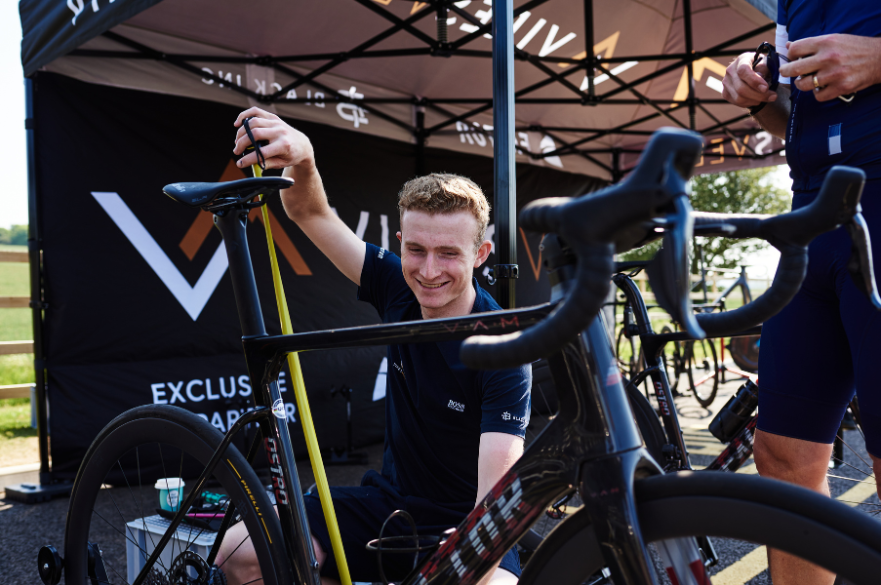
On this sport engineering course, you’ll benefit from our strong connections with the sector, bringing you live briefs to work on and ensuring you’re up to date with the very latest developments in sports technology. You’ll take a hands-on approach, developing your problem-solving skills and technical know-how.
Your teaching team will be made up of experienced sport engineering specialists, with personal research interests spanning from training and equipment optimisation, sports clothing development, clinical biomechanics, and impact mechanics.
You’ll be taught through a mix of:
- lectures, covering the breadth of sports technology and engineering
- seminars, for doing group work and learning key skills
- practical sessions and labs, where you’ll put theory to the test and make use of our extensive industry-standard facilities
- workshops and tutorials, in which you’ll discuss challenging topics with your lecturers in small groups.
With small year groups, your teaching will be focused and personal, and you’ll build a tight-knit community with your coursemates.
How you're assessed
Your assessments on this sport engineering course are designed to reflect the work you’ll do in the sports technology industry. Everyone excels in different ways, and you’ll get plenty of opportunities to showcase your skills and understanding via practical assessments, presentations and pitches, demonstrations, exams, videos, written papers, and industry, laboratory and technical reports.
Contact hours
For each 20-credit module, you’ll spend about 200 hours learning overall. Around 40 of those hours will be taught in labs, lectures or seminars. The rest of the time is for independent study, reading, research, or working on assignments.
Who will teach you?




Entry requirements
This course is in Clearing
Looking for a place in Clearing? We are accepting applications and would love to hear from you!
UK students
Clearing requirements
From 80 UCAS tariff points from up to 4 qualifications.
To discuss our entry requirements and see what we can offer you, call us now on +44 (0)115 848 6000. Alternatively, if you already have your qualifications, apply online via our Clearing Application form.
Additional requirements
- A-level or equivalent Maths grade D
To find out what qualifications have tariff points, please use our tariff calculator.
Additional requirements for UK students
We accept the following BTEC Extended Diplomas. If you are studying a different BTEC Extended Diploma you will also need a suitable level 3 Mathematics qualification.
- Extended Diploma in Engineering
- Extended Diploma in Electronic Engineering
- Extended Diploma in Mechanical Engineering.
Contextual offers
We consider every application in the context of your individual circumstances and educational background. This may include information about where you live, the school or college you attended, or experiences that may have shaped your educational journey. This is known as a contextual offer, and we use information provided through UCAS to help inform our decisions. By considering achievement in context, we can better recognise academic potential and ensure applicants are assessed as fairly and fully as possible. Please note we do not make contextual offers during Clearing.
Meeting our entry requirements
Hundreds of qualifications in the UK have UCAS Tariff points attached to specific grades, including A-levels, BTECs, T Levels and many more. You can use your grades and points from up to four different qualifications to meet our criteria. Enter your predicted or achieved grades into our Tariff calculator to find out how many points your qualifications are worth.
Other qualifications and experience
NTU welcomes applications from students with non-standard qualifications and learning backgrounds, either for year one entry or for advanced standing beyond the start of a course into year 2 or beyond.
We consider study and/or credit achieved from a similar course at another institution (otherwise known as credit transfer), vocational and professional qualifications, and broader work or life experience.
Our Recognition of Prior Learning and Credit Transfer Policy outlines the process and options available for this route. If you wish to apply via Recognition of Prior Learning, please contact the central Admissions and Enquiries Team who will be able to support you through the process.
Getting in touch
If you need more help or information, get in touch through our enquiry form.
International students
Clearing requirements
From 80 UCAS tariff points from up to 4 qualifications.
To discuss our entry requirements and see what we can offer you, call us now on +44 (0)115 848 6000. Alternatively, if you already have your qualifications, apply online via our Clearing Application form.
Additional requirements
- A-level or equivalent Maths grade D. We accept equivalent qualifications from all over the world. Please check your international entry requirements by country.
- English language requirements: See our English language requirements page for requirements for your subject and information on alternative tests and Pre-sessional English.
Additional requirements for international students
We accept the following BTEC Extended Diplomas. If you are studying a different BTEC Extended Diploma you will also need a suitable level 3 Mathematics qualification.
- Extended Diploma in Engineering
- Extended Diploma in Electronic Engineering
- Extended Diploma in Mechanical Engineering.
English language requirements
View our English language requirements for all courses, including alternative English language tests and country qualifications accepted by the University.
If you need help achieving the language requirements, we offer a Pre-Sessional English for Academic Purposes course on our City campus which is an intensive preparation course for academic study at NTU.
Other qualifications and experience
If you have the right level of qualifications, you may be able to start your Bachelors degree at NTU in year 2 or year 3. This is called ‘advanced standing’ entry and is decided on a case-by case basis after our assessment of your qualifications and experience.
You can view our Recognition of Prior Learning and Credit Transfer Policy which outlines the process and options available, such as recognising experiential learning and credit transfer.
Sign up for emails
Sign up to receive regular emails from the International Office. You'll hear about our news, scholarships and any upcoming events in your country with our expert regional teams.
Getting in touch
If you need advice about studying at NTU as an international student or how to apply, our international webpages are a great place to start. If you have any questions about your study options, your international qualifications, experience, grades or other results, please get in touch through our enquiry form. Our international teams are highly experienced in answering queries from students all over the world.
Policies
We strive to make our admissions procedures as fair and clear as possible. To find out more about how we make offers, visit our admissions policies page.