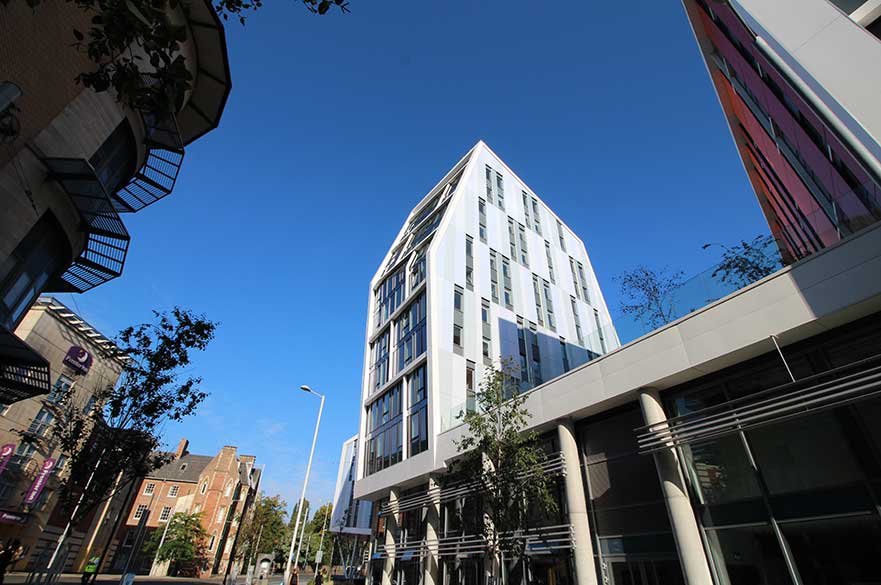
About this course
Designed for professionals aspiring to technical leadership positions within structural engineering design practice, this course focuses on applying engineering principles, advanced materials behaviour and technical themes within structural engineering.
You'll develop an advanced approach to research methods so that you can apply your knowledge and understanding of the continually changing issues related to structural engineering and materials. Through explorations of the environmental, technical and sustainability aspects of civil engineering and building construction, you'll gain awareness, understanding of, and competence in, the design, management and construction of structures.
Who is this course designed for?
This course is suitable for professionals working in construction-related industries who aspire to work in senior technical or management positions. Additionally, it's suitable for BSc (Hons) and BEng (Hons) undergraduates looking to progress to study a technical postgraduate programme.
The skills and knowledge you'll gain on this course will open up opportunities to pursue technical and middle/senior management positions.
Part of our postgraduate civil engineering suite
We have a suite of postgraduate civil and structural engineering courses. Take a look at our course comparison table to help find the right course for you.
-

Accredited by the Joint Board of Moderators
This degree is recognised as meeting the requirements for Further Learning for a Chartered Engineer (CEng) for candidates who have already acquired a partial CEng accredited undergraduate degree.
-

100%
of Civil Engineering with Management students would recommend studying at Nottingham Trent University to others (PTES, 2024).
-

2nd for sustainability
2nd most sustainable university in the world (UI GreenMetric World University Rankings 2024).
-

Flexible study routes
Our flexible study routes support part-time learners who wish to balance employment with further study. Significant support and guidance is in place to help students returning to study after extended periods in employment.
Our MSc Structural Engineering with Materials course is formed of nine taught modules, totalling 180 credit points. The modules’ credit points are weighted based on the total time you can expect to spend studying the module content, both in terms of contact hours and non-contact hours.
Full-time students will study the modules over the course of one year. Part-time students will study four modules in year one, and five modules (including the research project/dissertation) in year two.
Module information
Here’s a breakdown of what you’ll be studying throughout the course:
Core modules
This module provides an understanding of the fundamental principles of structural elements design, according to Eurocodes. It covers advanced aspects of structural engineering design of box beams for long-span bridges, steel-concrete composite beams, and structural elements for bridges and buildings.
The module intends to provide best practice requirements for the fire-resistance design of structures. A review of case studies where movements (dimensional variations) caused severe cracking or failure will be investigated.
The module aim is to provide a background in the design of structures and an understanding on advanced topics in the subject with the use of new concepts, construction techniques and materials.
The module will be delivered via lectures and seminars, and assessed via coursework and an exam.
15 credits
The aim of this module is to manage and produce an extended piece of work, which draws upon extensive and deep knowledge of primary and secondary source material, to investigate a complex problem.
You will define an appropriate project scope and review a selection of published works, pertinent to your investigation. Using a methodology that you have proposed, you will collect primary data, and secondary data, analysing the results and interpreting numerical outputs, to derive meaning from the data and draw appropriate conclusions. The output will be a substantial dissertation based upon your investigation, which will presented in writing.
The chosen topic should aim to integrate your learn, show well-developed research skills, show your ability to analyse and evaluate, and bring your own perspective to an unfamiliar and complex problem.
This module will be primarily self-directed, supported by a series of lectures and seminars relating to research methods, and one-to-one tutorials with your project/dissertation supervisor.
60 credits
This module evaluates some contemporary themes in structural engineering, including railway track systems, earthquake engineering, structural forms and structural optimisation. It aims to:
- Provide advanced understanding of highly specialised areas within structural engineering, such as track systems and structural forms.
- Optimise the design of structures using seismic analysis.
- Develop the skills to select and use relevant computer programmes for solving problems related to specialised topics in structural engineering.
- Develop the skills to apply various design codes and an ability to establish and evaluate them critically.
This module will be delivered via lectures, seminars and computer labs, and assessed via coursework, including a report and oral presentation.
15 credits
This module gives an introduction to the more specialised topics within structural analysis and the design field, including the stiffness method, plastic analysis, plate analysis and dynamic analysis of structures. It aims to:
- Provide the necessary tools for carrying out more refined structural analysis.
- Develop your ability to apply pertinent engineering concepts and mathematical knowledge for modelling structural systems.
- Develop a better understanding of the behaviour and performance of more complex structural systems.
- Develop skills to use structural analysis software for solving problems, and comparing the results with manual calculations.
This module will be delivered via lectures, seminars, computer labs and workshops, and assessed via coursework and an exam.
15 credits
In this module, you will evaluate the Finite Element Method (FEM) for its application to obtain an approximate solution, for the analysis of complex structural problems. You will be introduced to the theory behind FEM, how to derive the governing differential equations, and how to apply the method in sample structural problems. You will be introduced to proprietary FEM software - a leading engineering analysis tool that uses a comprehensive element technology, extensive library of material models and advanced post-processing capability.
The aim of the module is to provide you with the intellectual tools necessary to use proprietary FEM software, enabling you to produce computer models of various complex structural problems in order to obtain approximate numerical solutions.
You will learn how to use the advanced post-processing capability of the software to produce reports. As part of the module, you will be required to produce solutions for two small projects, which will be assessed for your ability to apply, refine and develop computer models to solve structural problems, and to generate reports supported with the appropriate graphs and data.
This module will be delivered via lectures, seminars and computer labs, and assessed via coursework.
15 credits
This module engages the student with advanced study of the principles, analysis and design aspects relating to the design of infrastructure such as roads, airfields, ports and industrial ground floors.
You will learn to:
- Critically appraise the fundamental scientific and engineering principles of infrastructure design.
- Appraise and contrast conflicting theories that underpin the application of design techniques.
- Make judgements based on skills and knowledge to apply various design codes and be able to evaluate them critically.
- Evaluate alternative design strategies and be able to critically select an appropriate design strategy in accordance with design requirements.
15 credits
This module examines main concepts, theories and principles for explaining the mechanical behaviour of materials under various states of stress and strain conditions.
The module aims to:
- Provide in-depth understanding of the major principles used in evaluating the response of construction materials to stresses and deformation.
- Develop advanced knowledge relating to the constitutive laws governing the behaviour of the material subject to elastic and plastic deformation, due to various types of loading.
- Develop the ability to interpret how and why materials fail, based on technical argument of the theories of material failure.
- Develop the skills to interrelate the theoretical and experimental results.
This module will be delivered via lectures, seminars, computer labs and experimental labs, and assessed via coursework and an exam.
15 credits
The aim of this module is to evaluate knowledge about the behaviour and performance of more specialised construction materials, including composites, as applied to structures built from diverse materials.
You will learn about the characteristics and durability of various advanced construction materials, ranging from fibre-reinforced concrete, to reinforced plastics and advanced paving materials. You will be able to assess how, by using various advanced construction materials in a range of structures, you can affect strength/weight ratio, durability and safety of structures. You will learn how fibre-reinforced materials can be used for the rehabilitation of civil engineering structures.
In a set of two experimental labs, you will be able to assess the behaviour and performance of samples of advanced materials, and report on how the application of these materials will affect design, durability and safety of structures.
This module will be delivered via lectures, seminars and an experimental lab, and assessed via coursework and an exam.
15 credits
This module focuses on condition assessment and the monitoring of civil infrastructure. You'll be introduced to current methods of structural condition assessment, advances and developments in sensing technologies, technical aspects of structural health monitoring and structural identification.
This module delivers:
- The motivation for, and integration of, conditional assessment and structural health monitoring in civil infrastructure.
- In-depth theoretical fundamentals, problems and challenges which an engineer has to tackle when assessing and monitoring civil infrastructure.
- Advances in, and applications of, sensing technologies and data management tools.
- Fundamentals of structural identification.
- Applications of information technology to generate numerical replicas of physical structures, which are employed to assess their performance.
- Algorithmic signal processing approaches, which are used to interpret measurements obtained from monitoring projects.
This module will be delivered via lectures, seminars computer labs and workshops, and assessed via coursework.
15 credits
credits
credits
credits
credits
credits
credits
credits
credits
credits
credits
credits
credits
credits
credits
credits
credits
credits
credits
credits
credits
credits
credits
credits
credits
credits
credits
credits
credits
credits
credits
credits
credits
credits
credits
credits
credits
credits
credits
credits
credits
credits
credits
credits
credits
credits
credits
credits
credits
credits
credits
credits
credits
credits
credits
credits
credits
credits
credits
credits
credits
credits
credits
credits
credits
credits
credits
credits
credits
credits
credits
credits
credits
credits
credits
credits
credits
credits
credits
credits
credits
credits
credits
credits
credits
credits
credits
credits
credits
credits
credits
credits
credits
credits
credits
credits
credits
credits
credits
credits
credits
credits
credits
credits
credits
credits
credits
credits
credits
credits
credits
credits
credits
credits
credits
credits
credits
credits
credits
credits
credits
credits
credits
credits
credits
credits
credits
credits
credits
credits
credits
credits
credits
credits
credits
credits
credits
credits
credits
credits
credits
credits
credits
credits
credits
credits
credits
credits
credits
credits
credits
credits
credits
credits
credits
credits
credits
credits
credits
credits
credits
credits
credits
credits
credits
credits
credits
credits
credits
credits
credits
credits
credits
credits
credits
credits
credits
credits
credits
credits
credits
credits
credits
credits
credits
credits
credits
credits
credits
credits
credits
credits
credits
credits
credits
credits
credits
credits
credits
credits
credits
credits
credits
credits
credits
credits
credits
credits
credits
credits
credits
credits
credits
credits
credits
credits
credits
credits
credits
credits
credits
credits
credits
credits
credits
credits
credits
credits
credits
credits
credits
credits
credits
credits
credits
credits
credits
credits
credits
credits
credits
credits
credits
credits
credits
credits
credits
credits
credits
credits
credits
credits
credits
credits
credits
credits
credits
credits
credits
credits
credits
credits
credits
credits
credits
credits
credits
credits
credits
credits
credits
credits
credits
credits
credits
credits
credits
credits
credits
credits
credits
credits
credits
credits
credits
credits
credits
credits
credits
credits
credits
credits
credits
credits
credits
credits
credits
credits
credits
credits
credits
credits
credits
credits
credits
credits
credits
credits
credits
credits
credits
credits
credits
credits
credits
credits
credits
credits
credits
credits
credits
credits
credits
credits
credits
credits
credits
credits
credits
credits
credits
credits
credits
credits
credits
credits
credits
credits
credits
credits
credits
credits
credits
credits
credits
credits
credits
credits
credits
credits
credits
credits
credits
credits
credits
credits
credits
credits
credits
credits
credits
credits
credits
credits
credits
credits
credits
credits
credits
credits
credits
credits
credits
credits
credits
credits
credits
credits
credits
credits
credits
credits
credits
credits
credits
credits
credits
credits
credits
credits
credits
credits
credits
credits
credits
credits
credits
credits
credits
credits
credits
credits
credits
credits
credits
credits
credits
credits
credits
credits
credits
credits
credits
credits
credits
credits
credits
credits
credits
credits
credits
credits
credits
credits
credits
credits
credits
credits
credits
credits
credits
credits
credits
credits
credits
credits
credits
credits
credits
credits
credits
credits
credits
credits
credits
credits
credits
credits
credits
credits
credits
credits
credits
credits
credits
credits
credits
credits
credits
credits
credits
credits
credits
credits
credits
credits
credits
credits
credits
credits
credits
credits
credits
credits
credits
credits
credits
credits
credits
credits
credits
credits
credits
credits
credits
credits
credits
credits
credits
credits
credits
credits
credits
credits
credits
credits
credits
credits
credits
credits
credits
credits
credits
credits
credits
credits
credits
credits
credits
credits
credits
credits
credits
credits
credits
credits
credits
credits
credits
credits
credits
credits
credits
credits
credits
credits
credits
credits
credits
credits
credits
credits
credits
credits
credits
credits
credits
credits
credits
credits
credits
credits
credits
credits
credits
credits
credits
credits
credits
credits
credits
credits
credits
credits
credits
credits
credits
credits
credits
credits
credits
credits
credits
credits
credits
credits
credits
credits
credits
credits
credits
credits
credits
credits
credits
credits
credits
credits
credits
credits
credits
credits
credits
credits
credits
credits
credits
credits
credits
credits
credits
credits
credits
credits
credits
credits
credits
credits
credits
credits
credits
credits
credits
credits
credits
credits
credits
credits
credits
credits
credits
credits
credits
credits
credits
credits
credits
credits
credits
credits
credits
credits
credits
credits
credits
credits
credits
credits
credits
credits
credits
credits
credits
credits
credits
credits
credits
credits
credits
credits
credits
credits
credits
credits
credits
credits
credits
credits
credits
credits
credits
credits
credits
credits
credits
credits
credits
credits
credits
credits
credits
credits
credits
credits
credits
credits
credits
credits
credits
credits
credits
credits
credits
credits
credits
credits
credits
credits
credits
credits
credits
credits
credits
credits
credits
credits
credits
credits
credits
credits
credits
credits
credits
credits
credits
credits
credits
credits
credits
credits
credits
credits
credits
credits
credits
credits
credits
credits
credits
credits
credits
credits
credits
credits
credits
credits
credits
credits
credits
credits
credits
credits
credits
credits
credits
credits
credits
credits
credits
credits
credits
credits
credits
credits
credits
credits
credits
credits
credits
credits
credits
credits
credits
credits
credits
credits
credits
credits
credits
credits
credits
credits
credits
credits
credits
credits
credits
credits
credits
credits
credits
credits
credits
credits
credits
credits
credits
credits
credits
credits
credits
credits
credits
credits
credits
credits
credits
credits
credits
credits
credits
credits
credits
credits
credits
credits
credits
credits
credits
credits
credits
credits
credits
credits
credits
credits
credits
credits
credits
credits
credits
credits
credits
credits
credits
credits
credits
credits
credits
credits
credits
credits
credits
credits
credits
credits
credits
credits
credits
credits
credits
credits
credits
credits
credits
credits
credits
credits
credits
credits
credits
credits
credits
credits
credits
credits
credits
credits
credits
credits
credits
credits
credits
credits
credits
credits
credits
credits
credits
credits
credits
credits
credits
credits
credits
credits
credits
credits
credits
credits
credits
credits
credits
credits
credits
credits
credits
credits
credits
credits
credits
credits
credits
credits
credits
credits
credits
credits
credits
credits
credits
credits
credits
credits
credits
credits
credits
credits
credits
credits
credits
credits
credits
credits
credits
credits
credits
credits
credits
credits
credits
credits
credits
credits
credits
credits
credits
credits
credits
credits
credits
credits
credits
credits
credits
credits
credits
credits
credits
credits
credits
credits
credits
credits
credits
credits
credits
credits
credits
credits
credits
credits
credits
credits
credits
credits
credits
credits
credits
credits
credits
credits
credits
credits
credits
credits
credits
credits
credits
credits
credits
credits
credits
credits
credits
credits
credits
credits
credits
credits
credits
credits
credits
credits
credits
credits
credits
credits
credits
credits
credits
credits
credits
credits
credits
credits
credits
credits
credits
credits
credits
credits
credits
credits
credits
credits
credits
credits
credits
credits
credits
credits
credits
credits
credits
credits
credits
credits
credits
credits
credits
credits
credits
credits
credits
credits
credits
credits
credits
credits
credits
credits
credits
credits
credits
credits
credits
credits
credits
credits
credits
credits
credits
credits
credits
credits
credits
credits
credits
credits
credits
credits
credits
credits
credits
credits
credits
credits
credits
credits
credits
credits
credits
credits
credits
credits
credits
credits
credits
credits
credits
credits
credits
credits
credits
credits
credits
credits
credits
credits
credits
credits
credits
credits
credits
credits
credits
credits
credits
credits
credits
credits
credits
credits
credits
credits
credits
credits
credits
credits
credits
credits
credits
credits
credits
credits
credits
credits
credits
credits
credits
credits
credits
credits
credits
credits
credits
credits
credits
credits
credits
credits
credits
credits
credits
credits
credits
credits
credits
credits
credits
credits
credits
credits
credits
credits
credits
credits
credits
credits
credits
credits
credits
credits
credits
credits
credits
credits
credits
credits
credits
credits
credits
credits
credits
credits
credits
credits
credits
credits
credits
credits
credits
credits
credits
credits
credits
credits
credits
credits
credits
credits
credits
credits
credits
credits
credits
credits
credits
credits
credits
credits
credits
credits
credits
credits
credits
credits
credits
credits
credits
credits
credits
credits
credits
credits
credits
credits
credits
credits
credits
credits
credits
credits
credits
credits
credits
credits
credits
credits
credits
credits
credits
credits
credits
credits
credits
credits
credits
credits
credits
credits
credits
credits
credits
credits
credits
credits
credits
credits
credits
credits
credits
credits
credits
credits
credits
credits
credits
credits
credits
credits
credits
credits
credits
credits
credits
credits
credits
credits
credits
credits
credits
credits
credits
credits
credits
credits
credits
credits
credits
credits
credits
credits
credits
credits
credits
credits
credits
credits
credits
credits
credits
credits
credits
credits
credits
credits
credits
credits
credits
credits
credits
credits
credits
credits
credits
credits
credits
credits
credits
credits
credits
credits
credits
credits
credits
credits
credits
credits
credits
credits
credits
credits
credits
credits
credits
credits
credits
credits
credits
credits
credits
credits
credits
credits
credits
credits
credits
credits
credits
credits
credits
credits
credits
credits
credits
credits
credits
credits
credits
credits
credits
credits
credits
credits
credits
credits
credits
credits
credits
credits
credits
credits
credits
credits
credits
credits
credits
credits
credits
credits
credits
credits
credits
credits
credits
credits
credits
credits
credits
credits
credits
credits
credits
credits
credits
credits
credits
credits
credits
credits
credits
credits
credits
credits
credits
credits
credits
credits
credits
credits
credits
credits
credits
credits
credits
credits
credits
credits
credits
credits
credits
credits
credits
credits
credits
credits
credits
credits
credits
credits
credits
credits
credits
credits
credits
credits
credits
credits
credits
credits
credits
credits
credits
credits
credits
credits
credits
credits
credits
credits
credits
credits
credits
credits
credits
credits
credits
credits
credits
credits
credits
credits
credits
credits
credits
credits
credits
credits
credits
credits
credits
credits
credits
credits
credits
credits
credits
credits
credits
credits
credits
credits
credits
credits
credits
credits
credits
credits
credits
credits
credits
credits
credits
credits
credits
credits
credits
credits
credits
credits
credits
credits
credits
credits
credits
credits
credits
credits
credits
credits
credits
credits
credits
credits
credits
credits
credits
credits
credits
credits
credits
credits
credits
credits
credits
credits
credits
credits
credits
credits
credits
credits
credits
credits
credits
credits
credits
credits
credits
credits
credits
credits
credits
credits
credits
credits
credits
credits
credits
credits
credits
credits
credits
credits
credits
credits
credits
credits
credits
credits
credits
credits
credits
credits
credits
credits
credits
credits
credits
credits
credits
credits
credits
credits
credits
credits
credits
credits
credits
credits
credits
credits
credits
credits
credits
credits
credits
credits
credits
credits
credits
credits
credits
credits
credits
credits
credits
credits
credits
credits
credits
credits
credits
credits
credits
credits
credits
credits
credits
credits
credits
credits
credits
credits
credits
credits
credits
credits
credits
credits
credits
credits
credits
credits
credits
credits
credits
credits
credits
credits
credits
credits
credits
credits
credits
credits
credits
credits
credits
credits
credits
credits
credits
credits
credits
credits
credits
credits
credits
credits
credits
credits
credits
credits
credits
credits
credits
credits
credits
credits
credits
credits
credits
credits
credits
credits
credits
credits
credits
credits
credits
credits
credits
credits
credits
credits
credits
credits
credits
credits
credits
credits
credits
credits
credits
credits
credits
credits
credits
credits
credits
credits
credits
credits
credits
credits
credits
credits
credits
credits
credits
credits
credits
credits
credits
credits
credits
credits
credits
credits
credits
credits
credits
credits
credits
credits
credits
credits
credits
credits
credits
credits
credits
credits
credits
credits
credits
credits
credits
credits
credits
credits
credits
credits
credits
credits
credits
credits
credits
credits
credits
credits
credits
credits
credits
credits
credits
credits
credits
credits
credits
credits
credits
credits
credits
credits
credits
credits
credits
credits
credits
credits
credits
credits
credits
credits
credits
credits
credits
credits
credits
credits
credits
credits
credits
credits
credits
credits
credits
credits
credits
credits
credits
credits
credits
credits
credits
credits
credits
credits
We regularly review our course content based on student and employer feedback to ensure they remain current and relevant. This may result in changes to module content or availability in future years. Optional modules will only run where there is sufficient demand. This will be determined on a case-by-case basis to protect the academic and student experience.
Student experience
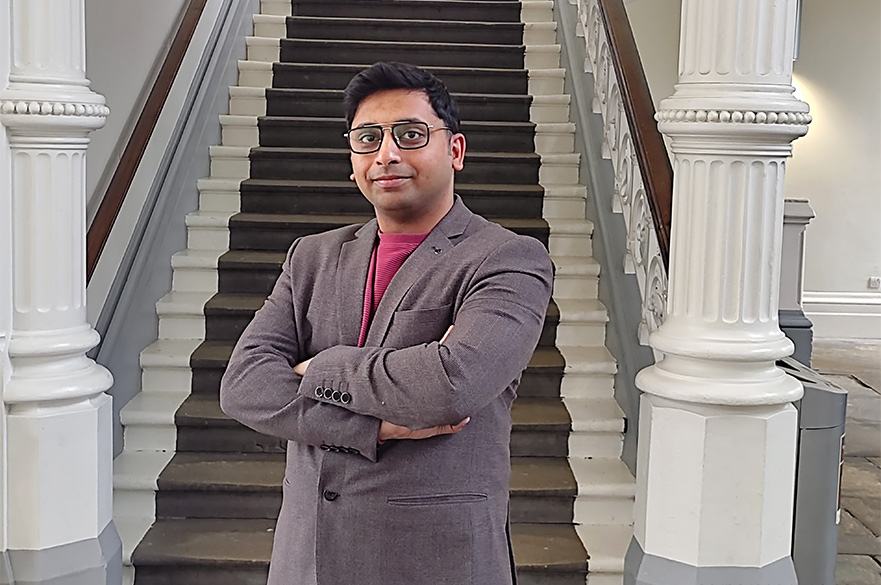

Video Gallery
How you're taught
A wide range of teaching and learning methods are used to deliver the course content. In most modules, you’ll take part in intensive sessions of key point lectures, supported by study guides and other literature. Live site visits and laboratory sessions will support your lecture and seminar-based learning.
Many modules include presentations by external industry specialists, to provide a real-life perspective on the module content. Some modules also include laboratory investigations and computer applications. Non-contact hours include direct out-of-classroom reading and activities, and independent learning and reading is deemed necessary to achieve the learning outcomes for the course.
Study trips
Field trips and study visits play a part in your learning. Trips may include site visits to live construction projects and local partners. Where a trip is mandatory it will be aligned to your modules and inform project work, and substantive costs – including travel and accommodation – will be paid for by the school.
Balancing work and study with our full-time or part-time study options
All of our taught postgraduate civil engineering courses are offered either as a full-time or part-time study route. Full-time study typically takes one year, but there is the option of extending this to two years, and the part-time route takes between two and five years to complete.
The part-time route is suitable for students in full-time employment. We offer weekend delivery for various modules which is popular with employers, as it tailors study requirements to sit comfortably alongside employment.
Delivery options
- Midweek delivery
Modules are taught for up to two days a week, for thirteen weeks and are run in parallel with other midweek modules, enabling you to study more than one module a week.
- Weekend delivery
Some modules will be delivered over four intensive weekends. These modules will be delivered consecutively, and in parallel with the midweek delivered modules.
Most of the modules delivered at weekends in one year, will be delivered as weekday modules the following year, and vice-versa.
Full-time students will be studying a combination of midweek and weekend modules. Please note that part-time students need to be available on Thursdays, as it is not possible to complete the entire course solely through weekend sessions.
How you're assessed
Assessment methods vary from module to module, however assignments and case studies form a significant part of the assessment process. You may also be required to develop reports and designs for assessment.
Assignments may be essays, case studies, reports and designs. They are investigative in nature, enabling you to develop principles, analyse, critically appraise and evaluate relevant issues, demonstrating your creativity and sustainable thinking.
Contact hours
For each 20-credit module, you’ll spend about 200 hours learning overall. Around 40 of those hours will be taught in lectures, seminars or practical sessions. The rest of the time is for independent study, reading, research, or working on assignments.
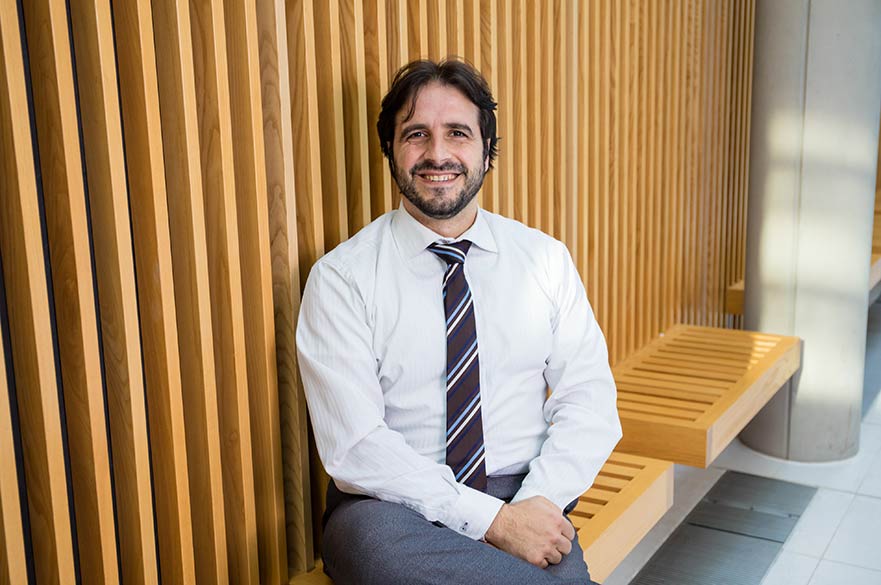
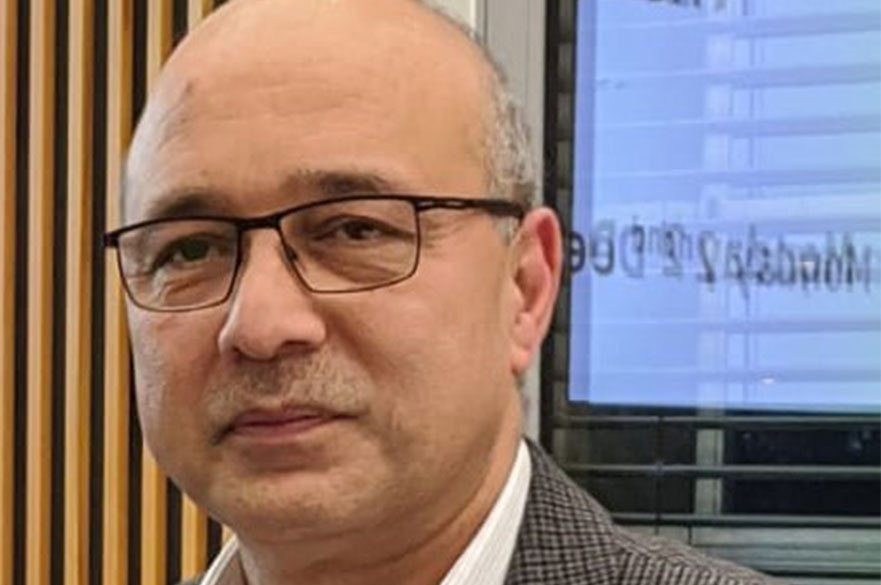
Who will teach you?



Entry requirements
UK students
Academic entry requirements: 2:2 honours degree in civil engineering or an appropriate built environment subject area.
We specify these minimum entry requirements, but we will assess you individually on your ability to benefit from the course. We sometimes offer places on the basis of non-standard entry qualifications, and industrial or professional experience.
Additional requirements for UK students
Applying with non-standard entry qualifications/experience
We will also consider applicants with the following qualifications:
- Postgraduate diploma, or equivalent academic achievement in civil engineering or appropriate built environment subject area.
Applying with industry experience
- Applicants with non-standard entry qualifications and/or relevant experience will be considered on an individual basis. Assessment of your experience will confirm that you have achieved the necessary skills in the course of your general experience.
- If you are applying for the part-time mode, you would typically have two to three years’ experience, and have the support of your employer who will wish to integrate study and projects into your day-to-day work.
- You will probably be employed on significant infrastructure, and civil engineering and/or building works, either as a direct employee of local or national government, or in the private sector. You will likely have experience of developing and coordinating significant infrastructure, and civil engineering or building projects.
Other qualifications and experience
We welcome applications from students with non-standard qualifications and learning backgrounds and work experience. We consider credit transfer, vocational and professional qualifications, and any work or life experience you may have.
You can view our Recognition of Prior Learning and Credit Transfer Policy which outlines the process and options available, such as recognising experiential learning and credit transfer.
Getting in touch
If you need more help or information, get in touch through our enquiry form.
International students
Academic entry requirements: 2:2 honours degree in civil engineering or an appropriate built environment subject area.
We specify these minimum entry requirements, but we will assess you individually on your ability to benefit from the course. We sometimes offer places on the basis of non-standard entry qualifications, and industrial or professional experience.
We accept equivalent qualifications from all over the world. Please check your international entry requirements by country.
English language requirements: See our English language requirements page for requirements for your subject and information on alternative tests and Pre-sessional English.
Additional requirements for international students
Postgraduate preparation courses (Pre-Masters)
If you need help achieving the academic entry requirements, we offer a Pre-Masters course for this degree. The course is offered through our partner Nottingham Trent International College (NTIC) based on our City Campus.
English language requirements
View our English language requirements for all courses, including alternative English language tests and country qualifications accepted by the University.
If you need help achieving the language requirements, we offer a Pre-Sessional English for Academic Purposes course on our City campus which is an intensive preparation course for academic study at NTU.
Other qualifications and experience
We welcome applications from students with non-standard qualifications and learning backgrounds and work experience. We consider credit transfer, vocational and professional qualifications, and any work or life experience you may have.
You can view our Recognition of Prior Learning and Credit Transfer Policy which outlines the process and options available, such as recognising experiential learning and credit transfer.
Sign up for emails
Sign up to receive regular emails from the International Office. You'll hear about our news, scholarships and any upcoming events in your country with our expert regional teams.
Getting in touch
If you need advice about studying at NTU as an international student or how to apply, our international webpages are a great place to start. If you have any questions about your study options, your international qualifications, experience, grades or other results, please get in touch through our enquiry form. Our international teams are highly experienced in answering queries from students all over the world.
Policies
We strive to make our admissions procedures as fair and clear as possible. To find out more about how we make offers, visit our admissions policies page.