About this course
This degree is delivered at our London Campus in Whitechapel.
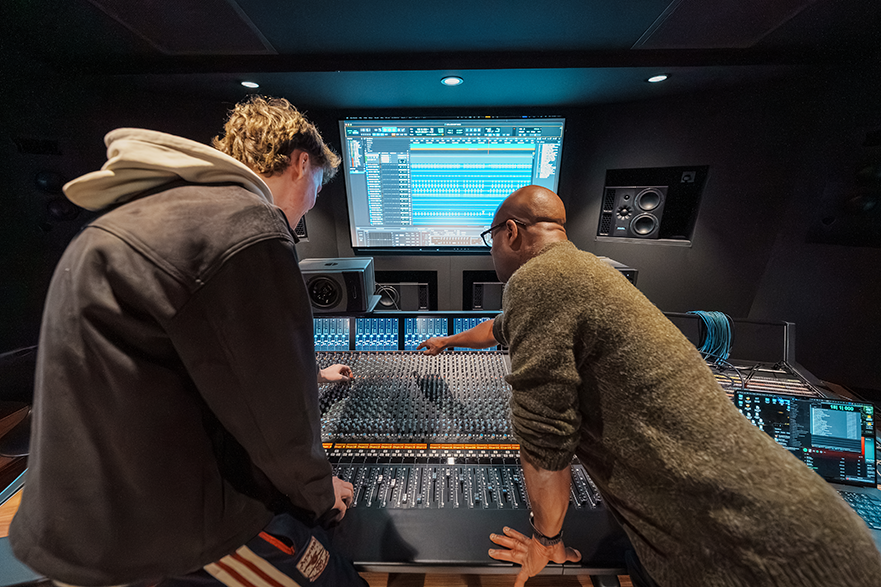
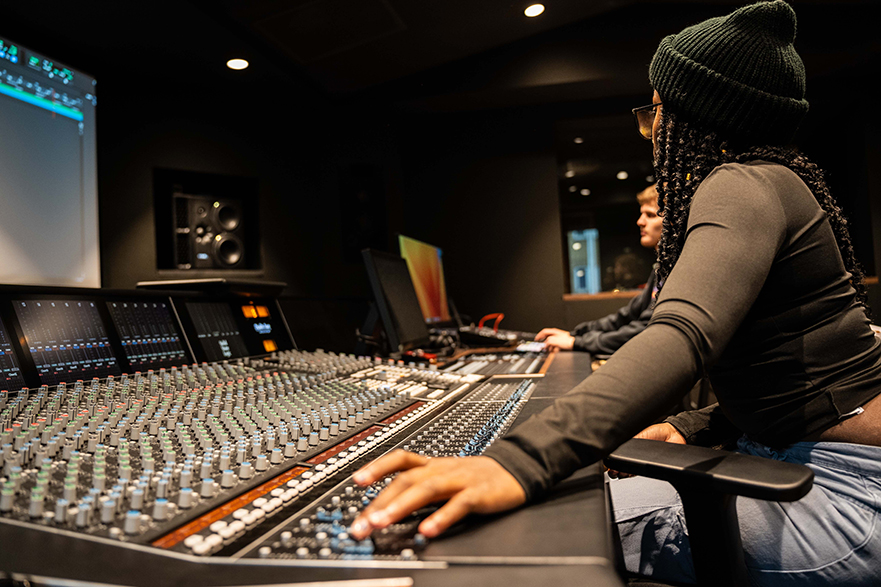
This course gives you the opportunity to develop the advanced skills, knowledge and technological understanding necessary to succeed as a professional musician in a music industry where creative technologies continue to transform the creation, production, performance and distribution of music.
-

Specialist training for serious musicians
Specifically designed for drummers, guitarists, bassists, and keyboard players.
-

Stand out with skills the industry wants
Develop the practical, hands-on skills that today’s music industry demands, with a specialist qualification designed to get you noticed.
-

Work on live A&R briefs
Boost your portfolio and industry connections by working on live briefs set by industry giants.
-

Start your creative journey in London
Study in the heart of East London, a vibrant hub for the UK’s music, media, and tech industries.
This course gives you the opportunity to develop the advanced skills, knowledge and technological understanding necessary to succeed as a professional musician in a music industry where creative technologies continue to transform the creation, production, performance and distribution of music.
To sustain a career as a professional musician, not only do you need to be a versatile player, you must also have the musical skills to play live and in the studio, to back artists, work as a touring musician, secure well-paid corporate function gigs or work as a pit musician in West End musical theatre. You need to be able to follow musical direction and where necessary create musical parts for new songs and arrangements.
In addition to these technical skills in either guitar, bass, drums or keyboards, to be a successful musician you must also be adept at using DAWs and other technology needed. Having a compelling professional identity and the understanding of how to market yourself effectively is essential. To be a career musician, you need to know how the music business works in commercial terms and how to generate income from the different revenue streams available to you.
This course gives you an education that encompasses all these facets. It offers the broad technical education you need to thrive in different performance contexts and the knowledge you need to sustain a financially viable career as a professional musician.
Module information
A standard full-time BMus (Hons) course is made up of 120 credits studied each year. Some courses may vary, however, and you can find information on the total number of credits achieved per module below.
Here’s a breakdown of what you’ll be studying throughout the course:
Core modules
In this module, you will learn and apply different DAW techniques to create audio projects through a series of set tasks. This module will give you the base level skills and knowledge needed to support your studies as your progress through your course.
20 credits
In this module you will evaluate your core instrumental technique in either guitar, bass, drums, keyboards or vocals and through clear guidance, establish key areas for your instrumental or vocal development. You will be introduced to musical notation and understand the work needed to become a sight-reader.
In a group performance context, you will work, play and communicate with other student musicians, vocalists, engineers and producers in both live and recording studio environments. You will start to develop your understanding of the importance of becoming an empathetic musician.
20 credits
In this module you will play key material to continue the structured development of your technical ability, creativity and all-round musicality. As you work towards becoming a well-rounded musician, you will learn to perform in a variety of playing situations, play cornerstone tunes and expand your repertoire. You will explore what it is to play in a variety of genres and understand the context the songs evolved in. You will improve your ability to memorise material, recognise common structures and begin to transcribe parts by ear. Through basic rhythmic and harmonic analysis, you will learn how to improvise be it to create effective parts, embellishments, or solos.
20 credits
In this module you will explore the breadth of the creative industries landscape and then focus on a specific business area in detail. You will analyse market data and other information to devise a creative project and pitch it to a panel. Working collaboratively, you will learn how to use a range of tools to analyse and present your findings in a group presentation which will include slides, infographics and a concise persuasive paper to substantiate your argument.
20 credits
In this module you will strengthen your core instrumental technique in either guitar, bass, drums, keyboards or vocals and through clear guidance, establish key areas for your instrumental or vocal development. You will improve your confidence with musical notation and understand the work needed to become a sight-reader.
In a group performance context, you will work, play and communicate with other student musicians, vocalists, engineers and producers in both live and recording studio environments. You will deepen your understanding and importance of being an empathetic musician. Working to professional briefs, your ability to perform material in different styles and work with different vocalists will develop. You will begin to understand the level of skills a professional musician must have to sustain a career in music.
20 credits
In this module you will play essential material to extend the structured development of your technical ability, creativity and all-round musicality. As you work towards becoming a well-rounded musician, you will learn to perform in a variety of playing situations, play key tunes and expand your repertoire. You will explore what it is to play in a variety of genres and understand the context the songs evolved in. You will improve your ability to memorise material, recognise common structures and begin to transcribe parts by ear. Through basic rhythmic and harmonic analysis, you will learn how to improvise be it to create effective parts, embellishments, or solos. This structured exposure to new material will help you understand that it is the overall musicality and groove of the collective that elevates a performance from the routine to something that can ignite an audience.
20 credits
credits
credits
credits
credits
credits
credits
credits
credits
credits
credits
credits
credits
credits
credits
credits
credits
credits
credits
credits
credits
credits
credits
credits
credits
credits
credits
credits
credits
credits
credits
credits
credits
credits
credits
credits
credits
credits
credits
credits
credits
credits
credits
credits
credits
credits
credits
credits
credits
credits
credits
credits
credits
credits
credits
credits
credits
credits
credits
credits
credits
credits
credits
credits
credits
credits
credits
credits
credits
credits
credits
credits
credits
credits
credits
credits
credits
credits
credits
credits
credits
credits
credits
credits
credits
credits
credits
credits
credits
credits
credits
credits
credits
credits
credits
credits
credits
credits
credits
credits
credits
credits
credits
credits
credits
credits
credits
credits
credits
credits
credits
credits
credits
credits
credits
credits
credits
credits
credits
credits
credits
credits
credits
credits
credits
credits
credits
credits
credits
credits
credits
credits
credits
credits
credits
credits
credits
credits
credits
credits
credits
credits
credits
credits
credits
credits
credits
credits
credits
credits
credits
credits
credits
credits
credits
credits
credits
credits
credits
credits
credits
credits
credits
credits
credits
credits
credits
credits
credits
credits
Core modules
In this module you will sharpen your instrumental technique in either guitar, bass, drums, keyboards or vocals and identify key areas for your instrumental or vocal development. You will improve your confidence with musical notation and understand the work needed to become a sight-reader.
In a group performance context, you will work, play and communicate with other student musicians, vocalists, engineers and producers in both live and recording studio environments. You will deepen your understanding of the importance of being an empathetic musician. Working to professional briefs, your ability to perform material in different styles and work with different vocalists will develop. You will begin to understand the level of skills a professional musician must have to sustain a career in music.
20 credits
Through active participation with team-based problem solving, you will work together in mixed teams on a project where you will use your creative ideas to generate solutions to the challenge or brief. Your project will allow you to explore how creativity can make an impact in society, as you choose a theme of sustainability, social justice, enterprise and innovation or community. This collaborative learning experience will expose you to a range of new processes and approaches that will develop your creative thinking.
20 credits
In this module you will play complex material to extend your technical ability, creativity, and all-round musicality. As a developing musician, you will approach a variety of playing situations, play key tunes from memory and broaden your repertoire. You will improve your ability to play in a variety of genres and understand the context the songs originated from. You will refine your ability to memorise material and to transcribe more complex parts and lines by ear. Through rhythmic and harmonic analysis, you will develop your skills as an improviser. Exploring more sophisticated material will help you understand that above all, it is the overall musicality and groove of the collective that elevates a performance from the routine to something that can ignite an audience.
20 credits
In this module you will advance your instrumental technique in either guitar, bass, drums, keyboards or vocals and begin to manage your own technical development in your chosen instrument or voice. You will start to work confidently with musical notation and understand the work needed to become a sight-reader.
In a group performance context, you will work, play and communicate with other student musicians, vocalists, engineers and producers in both live and recording studio environments. You will enhance your ability to collaborate as an empathetic musician. Working to professional briefs, your ability to perform material in different styles and work effectively with different vocalists will improve. You will understand the level of skills a professional musician must have to sustain a career in music.
20 credits
In this module you will perform and interpret complex material to advance your technical ability, creativity, and all-round musicality. As a developing musician, you will approach a variety of playing situations, play key tunes from memory and broaden your repertoire. You will sharpen your ability to play in a variety of genres and understand the context the songs originated from. You will refine your ability to memorise challenging material and to transcribe complex parts and lines accurately by ear. Through rhythmic and harmonic analysis, you will develop your skills as an improviser. Exploring sophisticated material will help you understand that above all, it is the overall musicality and groove of the collective that elevates a performance from the routine to something that can ignite an audience.
20 credits
credits
credits
credits
credits
credits
credits
credits
credits
credits
credits
credits
credits
credits
credits
credits
credits
credits
credits
credits
credits
Optional modules - choose one
In this module, you will develop a range of sound design skills that will allow you to complete various sound design briefs, for example in the large industries of films and gaming, but equally for personal content creation or public-facing events or media, such as exhibitions and podcasts. You will learn how to analyse existing sounds for recreation and how to manipulate audio to generate new content. The module will provide a creative, practical and playful approach to the discipline, using sampling, synthesis and recording techniques.
20 credits
This module is aimed at anyone who already plays an instrument, sings, or composes music. It invites you to reconceptualise rhythm as more than a system of counts and measures. Through practical exploration and critical listening, you will engage with rhythmic concepts that challenge conventional approaches to time and groove.
You will examine alternative approaches to 4/4 time, moving beyond its traditional, perceived limitations, and explore clave-inspired frameworks for navigating odd meters and improvising confidently within them. Drawing on a selection of global rhythmic systems from diverse musical cultures, you will develop strategies for internalising complex time signatures and phrasing ideas rather than relying on counting.
For composition, the module introduces phrasing techniques, including note groupings, repetition, and call-and-response tools, enabling you to create rhythmically sophisticated material.
By the end of this module, you will have developed a deeper, embodied understanding of rhythm, empowering you to apply advanced rhythmic ideas creatively in performance, composition, and collaborative contexts.
20 credits
This creative, practical module is designed for aspiring artists and songwriters who wish to refine both their songwriting craft and captivate audiences with their live performance skills.
You will explore the art of songwriting, exploring lyric composition, melody creation, and the intricacies of performing your original music live.
With hands-on workshops and expert-led feedback sessions, you'll develop your unique sound and hone your performance skills in a supportive environment. You will engage in collaborative projects and live showcases, gaining invaluable experience in songwriting and live performance.
20 credits
credits
credits
credits
credits
credits
credits
credits
credits
credits
credits
credits
credits
credits
credits
credits
credits
credits
credits
credits
credits
credits
credits
credits
credits
credits
credits
credits
credits
credits
credits
credits
credits
credits
credits
credits
credits
credits
credits
credits
credits
credits
credits
credits
credits
credits
credits
credits
credits
credits
credits
credits
credits
credits
credits
credits
credits
credits
credits
credits
credits
credits
credits
credits
credits
credits
credits
credits
credits
credits
credits
credits
credits
credits
credits
credits
credits
credits
credits
credits
credits
credits
credits
credits
credits
credits
credits
credits
credits
credits
credits
credits
credits
credits
credits
credits
credits
credits
credits
credits
credits
credits
credits
credits
credits
credits
credits
credits
credits
credits
credits
credits
credits
credits
credits
credits
credits
credits
credits
credits
credits
credits
credits
credits
credits
credits
credits
credits
credits
credits
credits
credits
credits
credits
credits
credits
credits
credits
credits
credits
credits
credits
credits
credits
credits
credits
credits
credits
Placement year routes
We have an option for all of our students to undertake a placement year and allow you to decide whether this is right for you once you have completed years 1 and 2 of your course. This time spent working in industry provides our students with crucial work experience, which is highly prized and much sought after by employers upon graduation. If you are successful in securing a placement you will have the chance to gain an additional Certificate or Diploma in Professional Practice, dependent on duration.
The additional placement year incurs a fee. For international students considering the transfer to the 4-yr SW route it's important to seek advice from the International Student Support team and the Home Office regarding any potential visa implications and costs. For UK students, advice should also be sought regarding SLC eligibility, if applicable.
* If you choose to take the sandwich route option, you will need to apply for this course by using the full-time UCAS code.
0 credits
If you're studying on our sandwich route you can also opt to study abroad for a full academic year, or for a semester, during Year Three. This is an optional and additional period of study that complements your degree at NTU as an alternative to taking a work placement.
This is an exciting opportunity to experience a different national culture, teaching and learning styles and subjects in an international environment. The destination university must be a year abroad / exchange partner of NTU or member of a formally recognised scheme such as the International Student Exchange Programme (ISEP).
Our NTU Global and student mobility team will support you in finding the right opportunity from one of the many international partners available around the world.
Successful completion of a period of international study will earn you a standalone award an International Study Certificate (minimum six weeks) or the International Study Diploma (minimum 36 weeks).
credits
credits
credits
credits
credits
credits
credits
credits
credits
credits
credits
credits
credits
credits
credits
credits
credits
credits
credits
credits
credits
credits
credits
credits
credits
credits
credits
credits
credits
credits
credits
credits
credits
credits
credits
credits
credits
credits
credits
credits
credits
credits
credits
credits
credits
credits
credits
credits
credits
credits
credits
credits
credits
credits
credits
credits
credits
credits
credits
credits
credits
credits
credits
credits
credits
credits
credits
credits
credits
credits
credits
credits
credits
credits
credits
credits
credits
credits
credits
credits
credits
credits
credits
credits
credits
credits
credits
credits
credits
credits
credits
credits
credits
credits
credits
credits
credits
credits
credits
credits
credits
credits
credits
credits
credits
credits
credits
credits
credits
credits
credits
credits
credits
credits
credits
credits
credits
credits
credits
credits
credits
credits
credits
credits
credits
credits
credits
credits
credits
credits
credits
credits
credits
credits
credits
credits
credits
credits
credits
credits
credits
credits
credits
credits
credits
credits
credits
credits
credits
credits
credits
credits
credits
credits
credits
credits
credits
credits
credits
credits
credits
credits
credits
credits
credits
credits
credits
credits
credits
credits
credits
credits
credits
credits
Core modules
Get ready to dive into the real world of the creative industries! This module is all about tackling live industry work via real briefs or other professional practices and developing the skills you need to thrive in your career. Whatever you're producing, you’ll be responding to industry challenges, pushing your problem solving, project management and creativity to build a portfolio that sets you apart. With skills workshops, and hands-on experience, this is your chance to level up and prove what you can do within professional parameters.
By the end of the module you will have assets that could support your Future Pathways module outward facing portfolio for semester 2, and the skills can support your Capstone Project.
20 credits
In this module you will apply what you have learnt throughout your course and start developing a Final Capstone Project. Working with your peers and lecturers, you will negotiate collaborative practice and individual achievement with the view of showcasing your work.
Depending on your course, these final capstone projects may be prescribed, collaborative or individual.
By the end of the module, you are expected to have arrived at an evidence-backed plan that can be implemented in Semester 2. You will have assessed any possible challenges and risks, including how collaboration and ethical considerations may affect your journey.
You will be submitting a project proposal for approval at the end of the module. In addition, you are expected to provide planning documentation and/or examples of work which will be negotiated with the course team when the assessment is set.
Any project work or expenditure can only take place after the project has been approved by the relevant course team.
The delivery comprises discipline-specific practical classes as well as lectures that will help you to design and contextualise the project.
20 credits
This module provides an opportunity for you to consolidate your academic, practical, and professional learning into a focused and strategic portfolio that reflects your readiness for the next stage of your career.
Drawing on the experiences, insights, and skills developed throughout your degree, you will curate a body of work that articulates your professional identity and future direction within Music and Events industries. This is a chance to synthesise your journey so far and present a compelling narrative of your abilities, values, and ambitions.
The emphasis is on finalising your career or further study plans, demonstrating a clear understanding of industry expectations, and showcasing your preparedness for employment or continued education. Through engagement with professional practices and critical self-reflection, you will develop a portfolio that not only highlights your achievements but positions you confidently for your next steps.
20 credits
Final Capstone Project is the culmination of your degree and an opportunity to integrate your learning, skills and experiences. This is your chance to create something meaningful, challenge yourself, and showcase who you are as a professional in your field.
At the core of your project is a practical, creative or research-led negotiated output – what this entails depends on your discipline area. These projects may be prescribed, collaborative or individual.
Whatever form your project takes, you are expected to frame it as a research project as well as to consider aspects such as existing and/or emerging technologies (including AI), ways of working, sustainability and social responsibility. Moreover, you are required to critically reflect on the distance travelled, the role collaboration played and any challenges you faced and overcame. You are invited to link this reflection with your personal and professional goals. Your appendices will evidence processes and experimentation within your subject area.
40 credits
In this module you will play challenging material to advance your technical ability, creativity, and all-round musicality. As a well-rounded musician, you will handle a variety of playing situations, play key tunes from memory and expand your repertoire.
You will learn to play confidently in a variety of genres and learn how to transcribe parts by ear. Through rhythmic and harmonic analysis, you will learn how to improvise over the material be it to create effective parts, embellishments, or exciting solos. This exposure to challenging material with its complex harmony and metre will help you understand that it is the overall musicality and groove of the collective that elevates a performance from the routine to something that can ignite an audience.
20 credits
credits
credits
credits
credits
credits
credits
credits
credits
credits
credits
credits
credits
credits
credits
credits
credits
credits
credits
credits
credits
credits
credits
credits
credits
credits
credits
credits
credits
credits
credits
credits
credits
credits
credits
credits
credits
credits
credits
credits
credits
credits
credits
credits
credits
credits
credits
credits
credits
credits
credits
credits
credits
credits
credits
credits
credits
credits
credits
credits
credits
credits
credits
credits
credits
credits
credits
credits
credits
credits
credits
credits
credits
credits
credits
credits
credits
credits
credits
credits
credits
credits
credits
credits
credits
credits
credits
credits
credits
credits
credits
credits
credits
credits
credits
credits
credits
credits
credits
credits
credits
credits
credits
credits
credits
credits
credits
credits
credits
credits
credits
credits
credits
credits
credits
credits
credits
credits
credits
credits
credits
credits
credits
credits
credits
credits
credits
credits
credits
credits
credits
credits
credits
credits
credits
credits
credits
credits
credits
credits
credits
credits
credits
credits
credits
credits
credits
credits
credits
credits
credits
credits
credits
credits
credits
credits
credits
credits
credits
credits
credits
credits
credits
credits
credits
credits
credits
credits
credits
credits
credits
credits
credits
credits
credits
credits
credits
credits
credits
credits
credits
credits
credits
credits
credits
credits
credits
credits
credits
credits
credits
credits
credits
credits
credits
credits
credits
credits
credits
credits
credits
credits
credits
credits
credits
credits
credits
credits
credits
credits
credits
credits
credits
credits
credits
credits
credits
credits
credits
credits
credits
credits
credits
credits
credits
credits
credits
credits
credits
credits
credits
credits
credits
credits
credits
credits
credits
credits
credits
credits
credits
credits
credits
credits
credits
credits
credits
credits
credits
credits
credits
credits
credits
credits
credits
credits
credits
credits
credits
credits
credits
credits
credits
credits
credits
credits
credits
credits
credits
credits
credits
credits
credits
credits
credits
credits
credits
credits
credits
credits
credits
credits
credits
credits
credits
credits
credits
credits
credits
credits
credits
credits
credits
credits
credits
credits
credits
credits
credits
credits
credits
credits
credits
credits
credits
credits
credits
credits
credits
credits
credits
credits
credits
credits
credits
credits
credits
credits
credits
credits
credits
credits
credits
credits
credits
credits
credits
credits
credits
credits
credits
credits
credits
credits
credits
credits
credits
credits
credits
credits
credits
credits
credits
credits
credits
credits
credits
credits
credits
credits
credits
credits
credits
credits
credits
credits
credits
credits
credits
credits
credits
credits
credits
credits
credits
credits
credits
credits
credits
credits
credits
credits
credits
credits
credits
credits
credits
credits
credits
credits
credits
credits
credits
credits
credits
credits
credits
credits
credits
credits
credits
credits
credits
credits
credits
credits
credits
credits
credits
credits
credits
credits
credits
credits
credits
credits
credits
credits
credits
credits
credits
credits
credits
credits
credits
credits
credits
credits
credits
credits
credits
credits
credits
credits
credits
credits
credits
credits
credits
credits
credits
credits
credits
credits
credits
credits
credits
credits
credits
credits
credits
credits
credits
credits
credits
credits
credits
credits
credits
credits
credits
credits
credits
credits
credits
credits
credits
credits
credits
credits
credits
credits
credits
credits
credits
credits
credits
credits
credits
credits
credits
credits
credits
credits
credits
credits
credits
credits
credits
credits
credits
credits
credits
credits
credits
credits
credits
credits
credits
credits
credits
credits
credits
credits
credits
credits
credits
credits
credits
credits
credits
credits
credits
credits
credits
credits
credits
credits
credits
credits
credits
credits
credits
credits
credits
credits
credits
credits
credits
credits
credits
credits
credits
credits
credits
credits
credits
credits
credits
credits
credits
credits
credits
credits
credits
credits
credits
credits
credits
credits
credits
credits
credits
credits
credits
credits
credits
credits
credits
credits
credits
credits
credits
credits
credits
credits
credits
credits
credits
credits
credits
credits
credits
credits
credits
credits
credits
credits
credits
credits
credits
credits
credits
credits
credits
credits
credits
credits
credits
credits
credits
credits
credits
credits
credits
credits
credits
credits
credits
credits
credits
credits
credits
credits
credits
credits
credits
credits
credits
credits
credits
credits
credits
credits
credits
credits
credits
credits
credits
credits
credits
credits
credits
credits
credits
credits
credits
credits
credits
credits
credits
credits
credits
credits
credits
credits
credits
credits
credits
credits
credits
credits
credits
credits
credits
credits
credits
credits
credits
credits
credits
credits
credits
credits
credits
credits
credits
credits
credits
credits
credits
credits
credits
credits
credits
credits
credits
credits
credits
credits
credits
credits
credits
credits
credits
credits
credits
credits
credits
credits
credits
credits
credits
credits
credits
credits
credits
credits
credits
credits
credits
credits
credits
credits
credits
credits
credits
credits
credits
credits
credits
credits
credits
credits
credits
credits
credits
credits
credits
credits
credits
credits
credits
credits
credits
credits
credits
credits
credits
credits
credits
credits
credits
credits
credits
credits
credits
credits
credits
credits
credits
credits
credits
credits
credits
credits
credits
credits
credits
credits
credits
credits
credits
credits
credits
credits
credits
credits
credits
credits
credits
credits
credits
credits
credits
credits
credits
credits
credits
credits
credits
credits
credits
credits
credits
credits
credits
credits
credits
credits
credits
credits
credits
credits
credits
credits
credits
credits
credits
credits
credits
credits
credits
credits
credits
credits
credits
credits
credits
credits
credits
credits
credits
credits
credits
credits
credits
credits
credits
credits
credits
credits
credits
credits
credits
credits
credits
credits
credits
credits
credits
credits
credits
credits
credits
credits
credits
credits
credits
credits
credits
credits
credits
credits
credits
credits
credits
credits
credits
credits
credits
credits
credits
credits
credits
credits
credits
credits
credits
credits
credits
credits
credits
credits
credits
credits
credits
credits
credits
credits
credits
credits
credits
credits
credits
credits
credits
credits
credits
credits
credits
credits
credits
credits
credits
credits
credits
credits
credits
credits
credits
credits
credits
credits
credits
credits
credits
credits
credits
credits
credits
credits
credits
credits
credits
credits
credits
credits
credits
credits
credits
credits
credits
credits
credits
credits
credits
credits
credits
credits
credits
credits
credits
credits
credits
credits
credits
credits
credits
credits
credits
credits
credits
credits
credits
credits
credits
credits
credits
credits
credits
credits
credits
credits
credits
credits
credits
credits
credits
credits
credits
credits
credits
credits
credits
credits
credits
credits
credits
credits
credits
credits
credits
credits
credits
credits
credits
credits
credits
credits
credits
credits
credits
credits
credits
credits
credits
credits
credits
credits
credits
credits
credits
credits
credits
credits
credits
credits
credits
credits
credits
credits
credits
credits
credits
credits
credits
credits
credits
credits
credits
credits
credits
credits
credits
credits
credits
credits
credits
credits
credits
credits
credits
credits
credits
credits
credits
credits
credits
credits
credits
credits
credits
credits
credits
credits
credits
credits
credits
credits
credits
credits
credits
credits
credits
credits
credits
credits
credits
credits
credits
credits
credits
credits
credits
credits
credits
credits
credits
credits
credits
credits
credits
credits
credits
credits
credits
credits
credits
credits
credits
credits
credits
credits
credits
credits
credits
credits
credits
credits
credits
credits
credits
credits
credits
credits
credits
credits
credits
credits
credits
credits
credits
credits
credits
credits
credits
credits
credits
credits
credits
credits
credits
credits
credits
credits
credits
credits
credits
credits
credits
credits
credits
credits
credits
credits
credits
credits
credits
credits
credits
credits
credits
credits
credits
credits
credits
credits
credits
credits
credits
credits
credits
credits
credits
credits
credits
credits
credits
credits
credits
credits
credits
credits
credits
credits
credits
credits
credits
credits
credits
credits
credits
credits
credits
credits
credits
credits
credits
credits
credits
credits
credits
credits
credits
credits
credits
credits
credits
credits
credits
credits
credits
credits
credits
credits
credits
credits
credits
credits
credits
credits
credits
credits
credits
credits
credits
credits
credits
credits
credits
credits
credits
credits
credits
credits
credits
credits
credits
credits
credits
credits
credits
credits
credits
credits
credits
credits
credits
credits
credits
credits
credits
credits
credits
credits
credits
credits
credits
credits
credits
credits
credits
credits
credits
credits
credits
credits
credits
credits
credits
credits
credits
credits
credits
credits
credits
credits
credits
credits
credits
credits
credits
credits
credits
credits
credits
credits
credits
credits
credits
credits
credits
credits
credits
credits
credits
credits
credits
credits
credits
We regularly review our course content based on student and employer feedback to ensure they remain current and relevant. This may result in changes to module content or availability in future years. Optional modules will only run where there is sufficient demand. This will be determined on a case-by-case basis to protect the academic and student experience.
How you're taught
This course forms part of a wider suite of music courses designed to work collaboratively with other courses in the London campus in events, and content. Every course in the London campus works towards an annual large scale final live music event designed to replicate a professional work-like environment. External input from industry will be included in its design and execution.
Industry visits, guest speakers and networking opportunities are provided at all levels of the course through extensive access to London-based music industry companies, individuals and organisations.
Career information guidance is embedded throughout the course and in the modules Music Industry in Numbers and Professional Identity in particular.
Assessment strategies and choice of assessment methods are designed to relate to the type of work students would be expected to undertake in related employment.
Students will develop and practice skills in industry relevant software, as well as looking at new and emerging technologies.
Course staff have worked extensively in the contemporary music industry ensuring current working practices are designed into every aspect of the course.
Artificial Intelligence and Innovation in Popular Music Performance
Our BMus courses give students a clear understanding of how AI and machine learning are shaping contemporary music performance and production in the UK and internationally. Many tools already used across NTU London’s music workflows integrate AI to streamline time consuming tasks such as practice planning, stem splitting and audio analysis. This allows students to focus more on expressive performance, creative interpretation and the refinement of musicianship.
Students are encouraged to explore emerging technologies and to consider the ethical implications of generative and assistive AI for the music industries, performers, and their own future careers. They engage in discussions around sustainability, authorship and the impact of AI driven systems on professional creative practice. Students are also expected to discuss and agree the use of AI supported tools in their work, ensuring transparency in how these technologies contribute to their artistic and technical processes.
How you're assessed
The course provides you with a broad range of assessment opportunities designed to both challenge you and help you develop the broad range of skills and understanding relevant to the course outcomes. These assessment methods can include:
- Performance
- Skills assessments
- Finished physical items
- Presentations
- Written work
Contact hours
For each 20-credit module, you’ll spend about 200 hours learning overall. Around 40 of those hours will be taught in lectures or seminars. The rest of the time is for independent study, reading, research, or working on assignments.
Who will teach you?

Entry requirements
UK students
- Standard offer: 112 UCAS Tariff points from up to four qualifications
- Contextual offer: 104 UCAS Tariff points from up to four qualifications
Other requirements:
- Links to 2 videos of contrasting performances on your instrument/voice. For advice on what to record and how to submit your videos, please see our application guidance for Music courses at NTU.
To find out what qualifications have tariff points, please use our tariff calculator.
Additional requirements for UK students
There are no additional requirements for this course.
Contextual offers
We consider every application in the context of your individual circumstances and educational background. This may include information about where you live, the school or college you attended, or experiences that may have shaped your educational journey. This is known as a contextual offer, and we use information provided through UCAS to help inform our decisions. By considering achievement in context, we can better recognise academic potential and ensure applicants are assessed as fairly and fully as possible. Please note we do not make contextual offers during Clearing.
Meeting our entry requirements
Hundreds of qualifications in the UK have UCAS Tariff points attached to specific grades, including A-levels, BTECs, T Levels and many more. You can use your grades and points from up to four different qualifications to meet our criteria. Enter your predicted or achieved grades into our Tariff calculator to find out how many points your qualifications are worth.
Other qualifications and experience
NTU welcomes applications from students with non-standard qualifications and learning backgrounds, either for year one entry or for advanced standing beyond the start of a course into year 2 or beyond.
We consider study and/or credit achieved from a similar course at another institution (otherwise known as credit transfer), vocational and professional qualifications, and broader work or life experience.
Our Recognition of Prior Learning and Credit Transfer Policy outlines the process and options available for this route. If you wish to apply via Recognition of Prior Learning, please contact the central Admissions and Enquiries Team who will be able to support you through the process.
Getting in touch
If you need more help or information, get in touch through our enquiry form.
International students
Academic entry requirements: 112 UCAS Tariff points from up to four qualifications. We accept equivalent qualifications from all over the world. Please check your international entry requirements by country.
Other requirements:
- Links to 2 videos of contrasting performances on your instrument/voice. For advice on what to record and how to submit your videos, please see our application guidance for Music courses at NTU.
Additional requirements for international students
There are no additional requirements for this course.
English language requirements
View our English language requirements for all courses, including alternative English language tests and country qualifications accepted by the University.
If you need help achieving the language requirements, we offer a Pre-Sessional English for Academic Purposes course on our City campus which is an intensive preparation course for academic study at NTU.
Other qualifications and experience
If you have the right level of qualifications, you may be able to start your Bachelors degree at NTU in year 2 or year 3. This is called ‘advanced standing’ entry and is decided on a case-by case basis after our assessment of your qualifications and experience.
You can view our Recognition of Prior Learning and Credit Transfer Policy which outlines the process and options available, such as recognising experiential learning and credit transfer.
Sign up for emails
Sign up to receive regular emails from the International Office. You'll hear about our news, scholarships and any upcoming events in your country with our expert regional teams.
Getting in touch
If you need advice about studying at NTU as an international student or how to apply, our international webpages are a great place to start. If you have any questions about your study options, your international qualifications, experience, grades or other results, please get in touch through our enquiry form. Our international teams are highly experienced in answering queries from students all over the world.
Policies
We strive to make our admissions procedures as fair and clear as possible. To find out more about how we make offers, visit our admissions policies page.