This course is in Clearing.
Offers from 80 tariff points

About this course
Politics is everywhere and everything. Understand it, and you’ll understand your own world; know its rules, and you can start to play the game on your own terms. This course is for the brave, the curious, and the rebels searching for a cause. It’s about making the political personal, and being the kind of change you want to see.
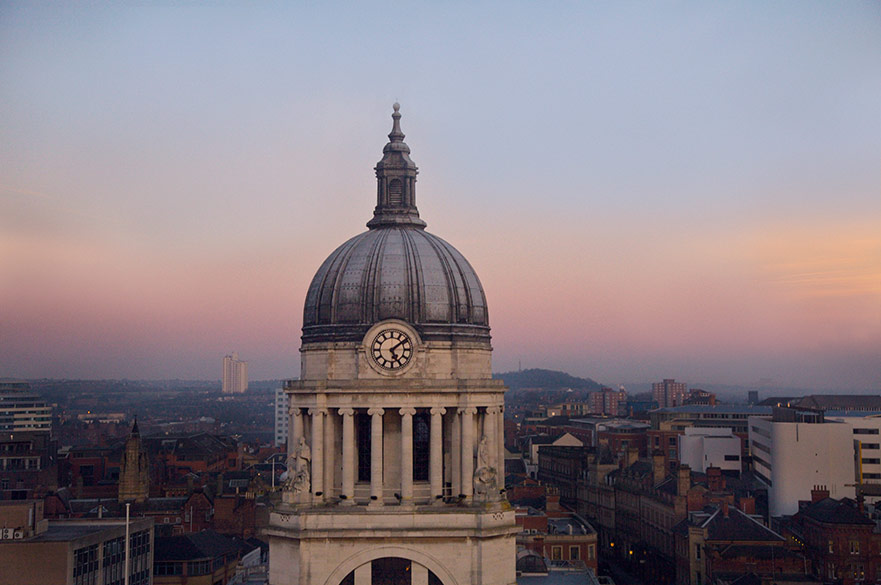
At NTU, learning means doing. We focus on two things: great theory, and grassroots activism. Studying in Nottingham — the UK’s original ‘rebel city’, and a hotbed of revolution, insurrection, and political intrigue — you’ll be applying your skills, passion and knowledge in the real world. Politics is a living, breathing subject, and you’ll analyse the big questions of how systems operate, how countries are governed, and how decisions are made. But you’ll also put the fundamentally human issues of social justice, morality and ethics under the microscope. You’ll interrogate your own political identity and values; you’ll explore the ins and outs of today’s most contentious political issues; you’ll take a deep dive into conspiracy theories, cover-ups, and secret histories.
Politics is a versatile and universally respected degree. Our graduates have become MPs, sustainability crusaders, motivational speakers, community leaders, and even successful entrepreneurs. This is your world, your time, and your stage — we’ll give you the tools, insights, and confidence to guarantee you’re heard.
Our rankings speak for themselves
- 100% of students are positive about the academic support on this course (National Student Survey 2026)
- 100% of students are positive about the teaching on the course (National Student Survey 2026)
- 98% of students are positive about the assessments and feedback on the course (National Student Survey 2026)
- We're ranked 9th in the UK for teaching quality (Times and Sunday Times University Guide 2026)
- We're ranked 4th in the UK for student experience (Times and Sunday Times University Guide 2026)
- We're Top 15 in the UK for student satisfaction in Politics (Complete University Guide 2027).
-

Top 20 in the UK
for Politics (Guardian University Guide 2027)
-

Putting your skills into practice
You will undertake a 74-hour placement in your second year and you'll also have the opportunity to undertake an optional year-long placement.
-

Study abroad
You may have the opportunity to spend half of your second year studying abroad with the Study Abroad exchange scheme. Not only will this help expand your CV and gain a new perspective on your subject, it will also allow you to grow your independence and experience a new culture.
-

Learn a language as part of your degree
Choose between Arabic, French, German, Italian, Japanese, Mandarin or Spanish as part of our University Language Programme, and a new world of opportunities will open for you.
Think politics, and you’ll naturally think big — Whitehall and the White House, NATO and the UN. But there’s so much more to it than that.
Politics is a discipline that unpacks the big and the small, the remarkable and the everyday. It’s the game that determines elections, leadership contests, domestic policies, and the relationships between whole nations, but it can also explain the lifecycle of a single cup of coffee, or how (and why) a particular mobile phone ends up in your hand. Political decisions drive the things we often choose not to think or talk about — but as conscientious global citizens, need to.
We’ll be encouraging you to look at the world differently, through more informed, balanced, and critically aware eyes. We’ll be asking you to explore and assess your own values and beliefs — to make the familiar unfamiliar. We’ll dare you to be different, whether that’s in the classroom, out on placement, studying abroad, taking part in our huge range of student-led political clubs and societies, or even by learning a brand-new language!
What makes this course so popular is our focus on personalisation — on inviting you to create your own learning pathway. With the incredible range of specialist modules on offer, everybody’s degree is different. The core modules give you a grounding in the key historical concepts — the different perspectives and ideologies; the role of the media; the political frameworks of international relations — while the optional electives allow you to pursue your own specific area(s) of interest. If you come here with a particular passion for the politics of climate change, race, or gender, why not build your whole degree around it?
Module information
A standard full-time BA (Hons) course is made up of 120 credits studied each year. Some courses may vary, however, and you can find information on the total number of credits achieved per module below.
Here’s a breakdown of what you’ll be studying throughout the course:
Year one modules are designed to provide you with the foundations of your discipline. Whilst some (but not all) of you may have studied ‘politics’ before, your first year at NTU will broaden your understanding of politics and its sub-disciplines. Year one will give you all the tools you need to begin your journey.
Core modules
Love it or loathe it, there is no avoiding politics. Many are turned off by simply hearing the word, and yet, as this module will reveal there is more to the discipline than meets the eye. You will explore its key traditions, concepts, thinkers, and ideologies. Thinking creatively and developing digital literacies throughout, you will gain an understanding not only of the academic discipline but also the tools for interpreting ongoing debates in contemporary society.
20 credits
Familiarise yourself with the institutional, cultural, and economic elements of British politics and government. With key landmark events such as Brexit and COVID-19, the evolution of British politics continues to be a fascinating and crucial area of study. But British politics is not the be all and end all of political systems, you'll also explore other countries from our continent and beyond and discover the atypical and unusual nature of the British political tradition.
20 credits
Its never too early to start thinking about your future this module is designed to provide you with the skills to succeed right from the beginning, exploring how IR opens a range of options and possibilities. You will reflect on your own unique skills and interests through experiential learning, such as simulation exercises and participating in activities outside of the classroom. The module is designed to get you thinking about IR in a different way, developing crucial transferrable skills, such as problem solving, teamworking, self-confidence and clear communication through the accumulation and reflection upon a range of relevant, extracurricular 'practice hours'.
20 credits
This is hands-on module will give you the opportunity to learn more about more about the city you have come to live and study in. With a rich backstory steeped in community and grassroots activism, Nottingham is an ideal location to develop knowledge and gain skills around citizenship, participation and community organisation which are fundamental in enacting change. This module will provide a unique insight into the formal and informal politics of the city and give you the tools you need to become a change maker.
20 credits
Do you believe what you are told? In this module we will critically examine how the Media influences global politics. You will be introduced to a range of key concepts, theories, and approaches to political communication which will empower you to examine some of the most important contemporary issues - the growth of online conspiracy theories, how social media is transforming the way we consume news, the role of powerful states and private interests in shaping the news agenda, the rise of "Fake News" and its role in the creation of a post-truth politics. By the end of this module you may never watch a video or read a newspaper in quite the same way again!
20 credits
Embarking on a course of study at university can be a daunting experience, but don't worry, we're here to provide you with all the key academic skills you need. In this module you will learn everything from the most basic to the most complex - How do you write an essay? How do you build an argument? How do you research a topic? How do you reference academic sources? This module is about equipping you with the technical skills to articulate yourself creatively, engage with your chosen subject and develop your own scholarly positions to succeed in your university journey and achieve your full academic potential.
20 credits
credits
credits
credits
credits
credits
credits
credits
credits
credits
credits
credits
credits
credits
credits
credits
credits
credits
credits
credits
credits
credits
credits
credits
credits
credits
credits
credits
credits
credits
credits
credits
credits
credits
credits
credits
credits
credits
credits
credits
credits
credits
credits
credits
credits
credits
credits
credits
credits
credits
credits
credits
credits
credits
credits
credits
credits
credits
credits
credits
credits
credits
credits
credits
credits
credits
credits
credits
credits
credits
credits
credits
credits
credits
credits
credits
credits
credits
credits
credits
credits
credits
credits
credits
credits
credits
credits
credits
credits
credits
credits
credits
credits
credits
credits
credits
credits
credits
credits
credits
credits
credits
credits
credits
credits
credits
credits
credits
credits
credits
credits
credits
credits
credits
credits
credits
credits
credits
credits
credits
credits
credits
credits
credits
credits
credits
credits
credits
credits
credits
credits
credits
credits
credits
credits
credits
credits
credits
credits
credits
credits
credits
credits
credits
credits
credits
credits
credits
credits
credits
credits
credits
credits
credits
credits
credits
credits
credits
credits
credits
credits
credits
credits
credits
credits
credits
credits
credits
credits
credits
In year two, whilst cementing core skills and experiences and delving deeper into the themes of enacting change, political arenas and contemporary political issues, you’ll also develop creativity and build confidence, as you start plotting your own path through the course.
Core modules
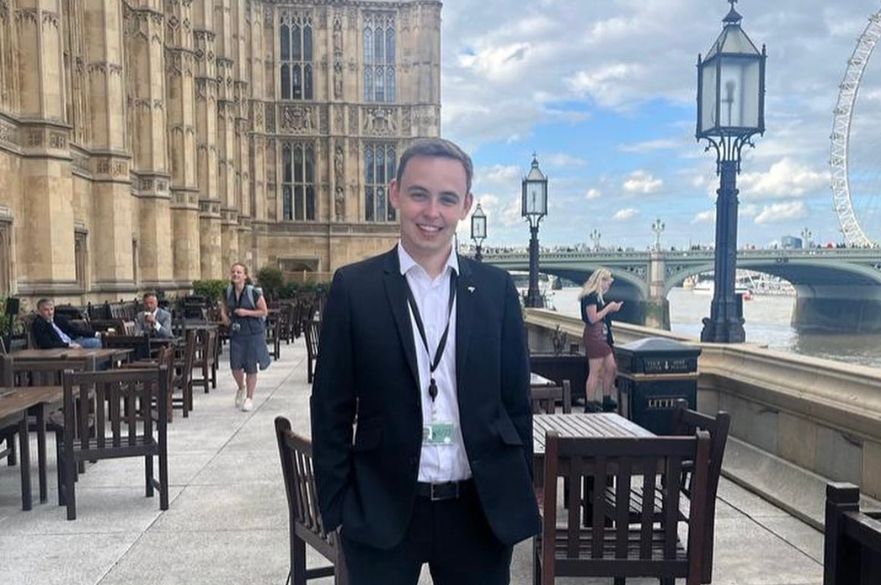
Gain an in-depth and unique insight into the theory and practice of the institution that lays at the centre of our political system. In this module you will critically analyse the contribution that both Houses of Parliament make to scrutiny, policy making and representation. Throughout the module you will engage with MPs, Peers, and parliamentary officials in order to strip away the ermine and oak panelling to see how the beating heart of our democracy really functions and how you can enact change through it.
20 credits
The world is yours - where do you want to go with your degree? In this module you will build on the momentum from the first year PIR in Practice module to develop the practical skills required to identify, apply and succeed in a competitive high-skilled graduate job market. This will include gaining practice in civil service competency tests, writing engaging CVs, LinkedIn Profiles, learning interview techniques and much more to make you stand out. Of particular significance here is the opportunity to undertake a 30-hour work-like experience with a relevant organisation of your choosing by the end of this module you will have concrete high level experience to give you the edge ready to launch your career after graduation.
20 credits
The social world is hugely complex - how do we use research to make sense of it? In this module you will learn about a range of research methods which can reveal hidden patterns and solve social mysteries. Who voted for Brexit? Why do some demographics refuse to be vaccinated? How do British Blasians feel they are represented in the media? How did colonialism impact on gender identity in South Asia? These are all questions that social research methods can help us answer including interviews, focus groups, data analysis, questionnaires and surveys, discourse analysis, archival research and much more. In this module you will learn to become a social researcher to ask your own questions and discover your own answers.
20 credits
credits
credits
credits
credits
credits
credits
credits
credits
credits
credits
credits
credits
credits
credits
credits
credits
credits
credits
credits
credits
credits
credits
Optional modules
Europe remains a key player in both UK domestic and international politics, and due to its diverse internal complexity, presents a fascinating case study for comparative politics. Examining a host of European nations from the largest/well-known (e.g., France, Spain) to the smallest/relatively less documented (e.g., Malta, Cyprus) the module explores a range of ongoing political issues, such as the role of government, elections/electoral systems, party systems, voter behaviour and more.
20 credits
Take a critical and reflexive tour through classical and contemporary Western political thought, exploring the continued relevance of some of its most important concepts and ideas. Along the way you will creatively apply the insights of exciting thinkers - such as Machiavelli, J.S. Mill, and Martha Nussbaum to contemporary case studies of your choosing, spanning current debates in Politics and International Relations to contemporary film, music, literature, or even TV boxsets.
20 credits
We live in an incredibly dangerous world, humans have devised infinite ways to destroy life, in this module we will seek to find ways to protect it To do this you will engage with the dynamic sub-discipline of Security Studies to ask timeless questions including why do states go to war? are there any rules which regulate their conflicts? and if so who will enforce them? You will also study contemporary issues such as cybersecurity and reflect on critical theories of human security to examine issues of structural violence including racism, poverty, public health, environmental protection and the role of gender violence in times of conflict.
20 credits
The Cultural Theorist Theodor Adorno once said that "to write poetry after Auschwitz is barbaric" However, it is also true that even in the darkest moments of humanity, we humans have created works of art, which have a unique capacity to inspire empathy and understanding across cultures. This is a unique module in which you will engage in depth with great works of art, books, poems, films, music, to identify their social and political themes, what they tell us about the human condition in a range of global contexts. It is also unique in its form of delivery, there will be no lectures, but open discussions in which we will work together to explore the tragic joy of the human experience.
20 credits
Welcome to the 'Anthropocene'! Critically explore the historical and ongoing impact of human behaviour on the natural world, situating environmental politics through key events from the late 20thcentury onwards. From the local to the global, explore core debates in environmental ethics and green political thought, whilst studying a wide range of domestic and international policies, processes, treaties, and case studies throughout.
20 credits
Gain a comprehensive understanding of the organisation, behaviour, and impact of political marketing at both a national and international level. The module examines the marketisation of politics on a range of relevant issues, including political behaviour, party organisation, and voting patterns. Key debates will be considered throughout, relating to targeting and positioning, branding, market research, and the relationship between political marketing and fundamental issues such as trust, democracy, and crisis management.
20 credits
Do you fancy working abroad? Nothing will prepare you better for a career in Politics or International Relations than the ability to speak a second language and NTU offers a wide range of language modules which will build on existing experience or begin the journey of learning a new way of communicating across linguistic frontiers. After an initial assessment to determine the most appropriate level of study, this option allows you to develop both general and professionally relevant language skills to a range of proficiencies.
0 credits
credits
credits
credits
credits
credits
credits
credits
credits
credits
credits
credits
credits
credits
credits
credits
credits
credits
credits
credits
credits
credits
credits
credits
credits
credits
credits
credits
credits
credits
credits
credits
credits
credits
credits
credits
credits
credits
credits
credits
credits
credits
credits
credits
credits
credits
credits
credits
credits
credits
credits
credits
credits
credits
credits
credits
credits
credits
credits
credits
credits
credits
credits
credits
credits
credits
credits
credits
credits
credits
credits
credits
credits
credits
credits
credits
credits
credits
credits
credits
credits
credits
credits
credits
credits
credits
credits
credits
credits
credits
credits
credits
credits
credits
credits
credits
credits
credits
credits
credits
credits
credits
credits
credits
credits
credits
credits
credits
credits
credits
credits
credits
credits
credits
credits
credits
credits
credits
credits
credits
credits
credits
credits
credits
credits
credits
credits
credits
credits
credits
credits
credits
credits
credits
credits
credits
credits
credits
credits
credits
credits
credits
credits
credits
You may choose to take an optional year-long placement in Year Three, either in the UK or overseas. You will be supported by our experienced Employability Team to source a suitable placement.
credits
credits
credits
credits
credits
credits
credits
credits
credits
credits
credits
credits
credits
credits
credits
credits
credits
credits
credits
credits
credits
credits
credits
credits
credits
credits
credits
credits
credits
credits
credits
credits
credits
credits
credits
credits
credits
credits
credits
credits
credits
credits
credits
credits
credits
credits
credits
credits
credits
credits
credits
credits
credits
credits
credits
credits
credits
credits
credits
credits
credits
credits
credits
credits
credits
credits
credits
credits
credits
credits
credits
credits
credits
credits
credits
credits
credits
credits
credits
credits
credits
credits
credits
credits
credits
credits
credits
credits
credits
credits
credits
credits
credits
credits
credits
credits
credits
credits
credits
credits
credits
credits
credits
credits
credits
credits
credits
credits
credits
credits
credits
credits
credits
credits
credits
credits
credits
credits
credits
credits
credits
credits
credits
credits
credits
credits
credits
credits
credits
credits
credits
credits
credits
credits
credits
credits
credits
credits
credits
credits
credits
credits
credits
credits
credits
credits
credits
credits
credits
credits
credits
credits
credits
credits
credits
credits
credits
credits
credits
credits
credits
credits
credits
credits
credits
credits
credits
credits
credits
credits
credits
credits
credits
credits
credits
In year three you will take two core modules and choose the rest from another suite of options.
Core modules
Bring together and reflect upon the academic expertise, interests and experience gained throughout your degree and, guided by a dedicated supervisor and step-by-step workshops throughout, formulate, structure, and complete an 8,000-word research project of your choosing. Alongside the more traditional written dissertation, there is the option to complete a more hands-on project, perhaps by engaging with policy processes in a partner organisation.
40 credits
Do you want to change the world? Throughout your course you have developed the knowledge to critically analyse global politics, in this module you will have the opportunity to put all of that into practice by learning how to organise a political campaign of your choosing. Maybe it's a campaign to prevent gender violence in Bangladesh, or modern-day slavery in the UK, or liberalise markets in Zimbabwe, or defend human rights internationally. Whatever the topic, you will learn all the different aspects of project management, from media strategy and communications to research methods and human relations. The module will develop a crucial work-like experience simulating the skills and experience to further prepare you for successful career pathways in the globalised world.
20 credits
credits
credits
credits
credits
credits
credits
credits
credits
credits
credits
credits
credits
credits
credits
credits
credits
credits
credits
credits
credits
credits
credits
credits
Optional modules
Examine the changing nature of British Politics in the context of global issues. You'll gain an understanding of the origins of vital contemporary issues, such as the resurgence of nationalism in Britain, the leaving of the European Union, the financial crisis and its aftermath and many more. These dynamic, changing and highly volatile issues will be reflected through the lens of key actors in the British state, British interests overseas, and the potential end of the British state as we know it.
20 credits
With the second Trump presidency in full swing, there seems no greater time to examine the complex and increasingly fractious politics and government of the USA. Taking into consideration a range of its ongoing historical tensions, the module will critically interrogate US democracy's most revered actors and institutions, including its Constitution, Congress, the Supreme Court, the role of the President, and specifically, historical evolutions in domestic and foreign policy.
20 credits
This module explores a range of exciting and contemporary political issues relating to both the domestic and international arenas. This might include debates surrounding the promise and perils and Artificial Intelligence, the rise and appeal of conspiracy theories, UK electoral reform, and the politics of music. The module adopts a unique 'modlet' approach, offering a three week focus on each topic.
20 credits
Since 9/11 the so-called 'War on Terror' has dominated global politics, and whilst today it might appear to have taken a back seat to other issues, it continues to exert its influence. Throughout this module you will explore the evolving relationship between terrorism and political violence. Analysing the concept of 'insecurity' in a broad sense throughout, you will examine key theoretical approaches as well as a range of real-world cases, illustrating ultimately its increasingly complex use for political means.
20 credits
Expand your understanding of 'politics' beyond parliaments, parties and politicians to consider the wider power of cultural representations and experiences. From clothes and music to sport and shopping, this module will encourage you to reflect on the ways in which political, economic, social, and cultural power can manifest itself in a range of everyday, subtle, and often quite innocent ways.
20 credits
For much of its history Mainstream IR has ignored half of humanity, however, in the last 30 years feminist scholars have dramatically transformed the discipline. In this module you will engage with this radical tradition from the earliest struggles for political rights and social equality to the third wave efforts to consider the intersectionality of race, class and gender as well as feminisms beyond the west, in Latin America, Africa and the Islamic World. You will develop a feminist perspective to critically reflect on issues of knowledge production, power relations, the politics of difference and the complex debates around gender fluidity and the disruption of biological binaries in the twenty-first century.
20 credits
Mainstream IR has long been dominated by the global north, however, as you will see In this module, the south is often where politics is most radical and dramatic. You will explore these complex societies in depth, understanding Africa’s role in international relations, learning about the rise of Pan-Africanism, and examining a wide range of case studies. You will also learn about the impact of the drug war on Mexico, the consequences of the military dictatorship in Chile, the socialist experiments in Venezuela, the struggle for the soul of Brazil, and the impact of American imperialism on Haiti and Cuba.
20 credits
Perhaps no region of the world is more misunderstood than the Middle East and North Africa. In this module you will take an in-depth look at the political economy of the region against the backdrop of its colonial and post-independence history. You will consider the role of both state and non-state actors, examine a range of contemporary security challenges, and consider the potential and opportunities for inter-state cooperation, as too, future possible scenarios for international relations within the continent.
20 credits
Arguably, politics whether local, domestic, or global is about identifying and diffusing the potential for conflict. In this module you will learn and practise the art of negotiation and leadership through combining the academic study of decision-making with model simulation and gaming/role playing exercises. Engagement with the module provides the chance to take part in the annual, EUROSIM competition with teams from other national and international Universities.
20 credits
This module examines key challenges and issues that shape contemporary politics in Spain. Spain is an excellent case study of the salient factors driving the changing face of politics across Europe. On this module, you will learn about topics ranging from the establishment of, and challenges to, democracy, the Spanish constitution, executive-legislature relations, elections, parties, and voter behaviour, and how these relate to contemporary politics in Spain, including the rise of the populist radical right and increasing polarisation.
20 credits
Do you fancy working abroad? Nothing will prepare you better for a career in Politics or International Relations than the ability to speak a second language and NTU offers a wide range of language modules which will build on existing experience or begin the journey of learning a new way of communicating across linguistic frontiers. After an initial assessment to determine the most appropriate level of study, this option allows you to develop both general and professionally relevant language skills to a range of proficiencies.
0 credits
credits
credits
credits
credits
credits
credits
credits
credits
credits
credits
credits
credits
credits
credits
credits
credits
credits
credits
credits
credits
credits
credits
credits
credits
credits
credits
credits
credits
credits
credits
credits
credits
credits
credits
credits
credits
credits
credits
credits
credits
credits
credits
credits
credits
credits
credits
credits
credits
credits
credits
credits
credits
credits
credits
credits
credits
credits
credits
credits
credits
credits
credits
credits
credits
credits
credits
credits
credits
credits
credits
credits
credits
credits
credits
credits
credits
credits
credits
credits
credits
credits
credits
credits
credits
credits
credits
credits
credits
credits
credits
credits
credits
credits
credits
credits
credits
credits
credits
credits
credits
credits
credits
credits
credits
credits
credits
credits
credits
credits
credits
credits
credits
credits
credits
credits
credits
credits
credits
credits
credits
credits
credits
credits
credits
credits
credits
credits
credits
credits
credits
credits
credits
credits
credits
credits
credits
credits
credits
credits
credits
credits
credits
credits
credits
credits
credits
credits
credits
credits
credits
credits
credits
credits
credits
credits
credits
credits
credits
credits
credits
credits
credits
credits
credits
credits
credits
credits
credits
credits
credits
credits
credits
credits
credits
credits
credits
credits
credits
credits
credits
credits
credits
credits
credits
credits
credits
credits
credits
credits
credits
credits
credits
credits
credits
credits
credits
credits
credits
credits
credits
credits
credits
credits
credits
credits
credits
credits
credits
credits
credits
credits
credits
credits
credits
credits
credits
credits
credits
credits
credits
credits
credits
credits
credits
credits
credits
credits
credits
credits
credits
credits
credits
credits
credits
credits
credits
credits
credits
credits
credits
credits
credits
credits
credits
credits
credits
credits
credits
credits
credits
credits
credits
credits
credits
credits
credits
credits
credits
credits
credits
credits
credits
credits
credits
credits
credits
credits
credits
credits
credits
credits
credits
credits
credits
credits
credits
credits
credits
credits
credits
credits
credits
credits
credits
credits
credits
credits
credits
credits
credits
credits
credits
credits
credits
credits
credits
credits
credits
credits
credits
credits
credits
credits
credits
credits
credits
credits
credits
credits
credits
credits
credits
credits
credits
credits
credits
credits
credits
credits
credits
credits
credits
credits
credits
credits
credits
credits
credits
credits
credits
credits
credits
credits
credits
credits
credits
credits
credits
credits
credits
credits
credits
credits
credits
credits
credits
credits
credits
credits
credits
credits
credits
credits
credits
credits
credits
credits
credits
credits
credits
credits
credits
credits
credits
credits
credits
credits
credits
credits
credits
credits
credits
credits
credits
credits
credits
credits
credits
credits
credits
credits
credits
credits
credits
credits
credits
credits
credits
credits
credits
credits
credits
credits
credits
credits
credits
credits
credits
credits
credits
credits
credits
credits
credits
credits
credits
credits
credits
credits
credits
credits
credits
credits
credits
credits
credits
credits
credits
credits
credits
credits
credits
credits
credits
credits
credits
credits
credits
credits
credits
credits
credits
credits
credits
credits
credits
credits
credits
credits
credits
credits
credits
credits
credits
credits
credits
credits
credits
credits
credits
credits
credits
credits
credits
credits
credits
credits
credits
credits
credits
credits
credits
credits
credits
credits
credits
credits
credits
credits
credits
credits
credits
credits
credits
credits
credits
credits
credits
credits
credits
credits
credits
credits
credits
credits
credits
credits
credits
credits
credits
credits
credits
credits
credits
credits
credits
credits
credits
credits
credits
credits
credits
credits
credits
credits
credits
credits
credits
credits
credits
credits
credits
credits
credits
credits
credits
credits
credits
credits
credits
credits
credits
credits
credits
credits
credits
credits
credits
credits
credits
credits
credits
credits
credits
credits
credits
credits
credits
credits
credits
credits
credits
credits
credits
credits
credits
credits
credits
credits
credits
credits
credits
credits
credits
credits
credits
credits
credits
credits
credits
credits
credits
credits
credits
credits
credits
credits
credits
credits
credits
credits
credits
credits
credits
credits
credits
credits
credits
credits
credits
credits
credits
credits
credits
credits
credits
credits
credits
credits
credits
credits
credits
credits
credits
credits
credits
credits
credits
credits
credits
credits
credits
credits
credits
credits
credits
credits
credits
credits
credits
credits
credits
credits
credits
credits
credits
credits
credits
credits
credits
credits
credits
credits
credits
credits
credits
credits
credits
credits
credits
credits
credits
credits
credits
credits
credits
credits
credits
credits
credits
credits
credits
credits
credits
credits
credits
credits
credits
credits
credits
credits
credits
credits
credits
credits
credits
credits
credits
credits
credits
credits
credits
credits
credits
credits
credits
credits
credits
credits
credits
credits
credits
credits
credits
credits
credits
credits
credits
credits
credits
credits
credits
credits
credits
credits
credits
credits
credits
credits
credits
credits
credits
credits
credits
credits
credits
credits
credits
credits
credits
credits
credits
credits
credits
credits
credits
credits
credits
credits
credits
credits
credits
credits
credits
credits
credits
credits
credits
credits
credits
credits
credits
credits
credits
credits
credits
credits
credits
credits
credits
credits
credits
credits
credits
credits
credits
credits
credits
credits
credits
credits
credits
credits
credits
credits
credits
credits
credits
credits
credits
credits
credits
credits
credits
credits
credits
credits
credits
credits
credits
credits
credits
credits
credits
credits
credits
credits
credits
credits
credits
credits
credits
credits
credits
credits
credits
credits
credits
credits
credits
credits
credits
credits
credits
credits
credits
credits
credits
credits
credits
credits
credits
credits
credits
credits
credits
credits
credits
credits
credits
credits
credits
credits
credits
credits
credits
credits
credits
credits
credits
credits
credits
credits
credits
credits
credits
credits
credits
credits
credits
credits
credits
credits
credits
credits
credits
credits
credits
credits
credits
credits
credits
credits
credits
credits
credits
credits
credits
credits
credits
credits
credits
credits
credits
credits
credits
credits
credits
credits
credits
credits
credits
credits
credits
credits
credits
credits
credits
credits
credits
credits
credits
credits
credits
credits
credits
credits
credits
credits
credits
credits
credits
credits
credits
credits
credits
credits
credits
credits
credits
credits
credits
credits
credits
credits
credits
credits
credits
credits
credits
credits
credits
credits
credits
credits
credits
credits
credits
credits
credits
credits
credits
credits
credits
credits
credits
credits
credits
credits
credits
credits
credits
credits
credits
credits
credits
credits
credits
credits
credits
credits
credits
credits
credits
credits
credits
credits
credits
credits
credits
credits
credits
credits
credits
credits
credits
credits
credits
credits
credits
credits
credits
credits
credits
credits
credits
credits
credits
credits
credits
credits
credits
credits
credits
credits
credits
credits
credits
credits
credits
credits
credits
credits
credits
credits
credits
credits
credits
credits
credits
credits
credits
credits
credits
credits
credits
credits
credits
credits
credits
credits
credits
credits
credits
credits
credits
credits
credits
credits
credits
credits
credits
credits
credits
credits
credits
credits
credits
credits
credits
credits
credits
credits
credits
credits
credits
credits
credits
credits
credits
credits
credits
credits
credits
credits
credits
credits
credits
credits
credits
credits
credits
credits
credits
credits
credits
credits
credits
credits
credits
credits
credits
credits
credits
credits
credits
credits
credits
credits
credits
credits
credits
credits
credits
credits
credits
credits
credits
credits
credits
credits
credits
credits
credits
credits
credits
credits
credits
credits
credits
credits
credits
credits
credits
credits
credits
credits
credits
credits
credits
credits
credits
credits
credits
credits
credits
credits
credits
credits
credits
credits
credits
credits
credits
credits
credits
credits
credits
credits
credits
credits
credits
credits
credits
credits
credits
credits
credits
credits
credits
credits
credits
credits
credits
credits
credits
credits
credits
credits
credits
credits
credits
credits
credits
credits
credits
credits
credits
credits
credits
credits
credits
credits
credits
credits
credits
credits
credits
credits
credits
credits
credits
credits
credits
credits
credits
credits
credits
credits
credits
credits
credits
credits
credits
credits
credits
credits
credits
credits
credits
credits
credits
credits
credits
credits
credits
credits
credits
credits
credits
credits
credits
credits
credits
credits
credits
credits
credits
credits
credits
credits
credits
credits
credits
credits
credits
credits
credits
credits
credits
credits
credits
credits
credits
credits
credits
credits
credits
credits
We regularly review our course content based on student and employer feedback to ensure they remain current and relevant. This may result in changes to module content or availability in future years. Optional modules will only run where there is sufficient demand. This will be determined on a case-by-case basis to protect the academic and student experience.
Student experience
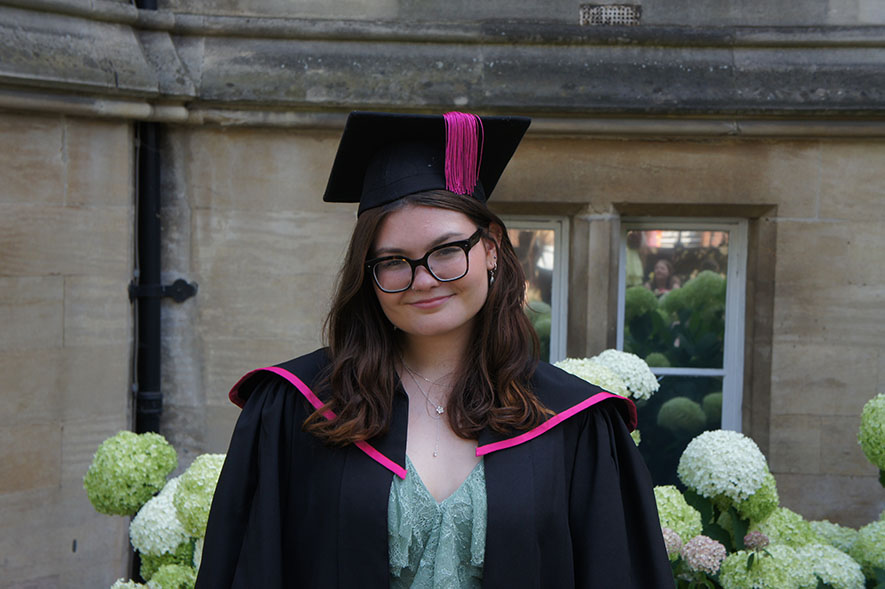




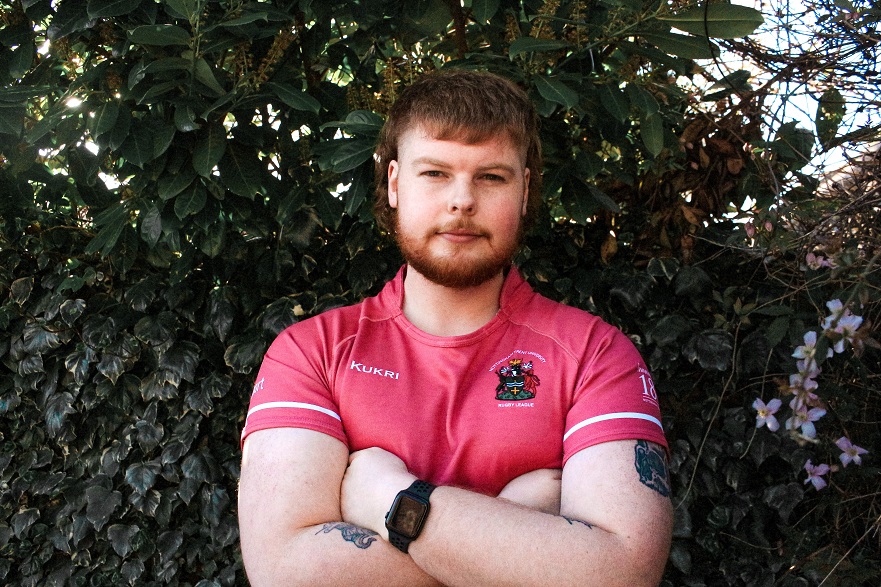
Hear from our students and staff
How you're taught
Our course is characterised by its community — one that’s passionate, friendly, and very diverse. We don’t believe in hierarchies: our staff might be experts and renowned researchers, but they’re more learning partners than teachers, here to encourage conversations and exchange ideas. We work hard to make sure the department feels like home. This is a course where the doors stay open, and everybody knows your name.
You’ll be learning through small-group seminars, interactive lectures, collaborative workshops, cosy personal tutorials, and your own independent study. Visit us on an NTU open day and we’ll tell you more about what these sessions look like, and how they work.
Personal Tutorials
Central to the BA Politics course is its personal tutorial system where you can expect a tailored blend of one-to-one and/or group personal tutorial sessions with a dedicated tutor who will remain with you throughout your three years of study. At these sessions you will have the opportunity to:
- discuss and reflect closely on your feedback and progression.
- ask questions and/or seek clarification on issues relating to your course.
- raise any difficulties you might be experiencing relating to your work, personal or university experience.
Independent study
One of the main challenges of the transition into higher education is the amount of independent study you are expected to conduct. BA Politics has been designed to help you adjust to this process by decreasing scheduled contact hours as you develop the necessary skills for managing your time/workload progressively over the three years. You will still have regular contact with your tutors and fellow students, and all module leaders have dedicated advice and guidance hours where you can drop by for a chat.
Virtual learning environment
Throughout the course you will use NTU’s online workspace NOW, a flexible web-based system that provides you with 24-hour access to all information relating to your course/modules, such as lecture materials, seminar tasks, assessment information, reading lists, and much more.
You will also have free, downloadable access to Office 365, with access to all the major apps and platforms which will likely be used throughout the duration of the course, including OneDrive, Outlook, Word, Excel, PowerPoint, and Microsoft Teams.
Learning from experts
Many of our professors and lecturers are NTU graduates themselves. After completing this course, they became nationally respected specialists in political science and theory, public and foreign policy, the global political economy, environmental policy, and much, much more. These are the people the media turns to when insights and opinions are needed; the same people whose research is shaping the modern political discourse. You’ll also be hearing from a range of prestigious guest speakers throughout the course, including MPs and local councillors.
Many of the team appear regularly in the media and publish their research widely in a range of high-quality academic presses, as well as working closely with the Trent Institute for Learning and Teaching (TILT) – an institutional community of practice which encourages and supports innovative practice and emerging themes in learning and teaching.
In addition to the types of learning and teaching discussed above, you’ll also hear and learn from renowned experts and practitioners (e.g., MPs and local councillors) in related fields who are regularly invited to come and talk to our students.
Study abroad opportunities
You may have the opportunity to spend half of your second year studying abroad with the Study Abroad exchange scheme. There are many benefits to studying abroad – not only will it help expand your CV and gain a new perspective on your subject, but it will also allow you to grow your independence and experience a new culture.
All of our exchange partners offer modules taught in English, including our European partners, so foreign language skills are not essential.
Learn a new language
Alongside studying BA Politics, you also have the opportunity to learn a new language. The University Language Programme (ULP) is available to all students and gives you the option of either learning a totally new language or improving the skills you already have.
Find out more about the University Language Programme.
How you're assessed
The BA Politics course has been designed to provide a broad, varied, and consistent range of assessments to ensure a fair and balanced representation of the skills and knowledge you gain throughout. You will take part in Study Skills sessions that including advice on academic essay planning/writing/editing and referencing – are embedded into the course early and further, continual support is available throughout your degree.
Throughout your three years, each module will include both formative (i.e., non-bearing feedback, designed to help you improve in the future) and summative (i.e., bearing feedback which is then translated into overall grades) forms, which might include academic essays, case studies and reports, to individual/group presentations, policy briefs, simulation exercises, strategic communications plans, and infographic factsheets.
- Year 1 coursework, written, oral/presentations
- Year 2 coursework, written, oral/presentations
- Year 3 coursework, written, oral/presentations
Contact hours
- Year 1 lectures/seminars/workshops, independent study
- Year 2 lectures/seminars/workshops, independent study
- Year 3 lectures/seminars/workshops, independent study
Who will teach you?







Entry requirements
This course is in Clearing
Looking for a place in Clearing? We are accepting applications and would love to hear from you!
UK students
Clearing requirements
From 80 UCAS tariff points from up to 4 qualifications.
To discuss our entry requirements and see what we can offer you, call us now on +44 (0)115 848 6000. Alternatively, if you already have your qualifications, apply online via our Clearing Application form.
Additional requirements for UK students
There are no additional requirements for this course.
Contextual offers
We consider every application in the context of your individual circumstances and educational background. This may include information about where you live, the school or college you attended, or experiences that may have shaped your educational journey. This is known as a contextual offer, and we use information provided through UCAS to help inform our decisions. By considering achievement in context, we can better recognise academic potential and ensure applicants are assessed as fairly and fully as possible. Please note we do not make contextual offers during Clearing.
Meeting our entry requirements
Hundreds of qualifications in the UK have UCAS Tariff points attached to specific grades, including A-levels, BTECs, T Levels and many more. You can use your grades and points from up to four different qualifications to meet our criteria. Enter your predicted or achieved grades into our Tariff calculator to find out how many points your qualifications are worth.
Other qualifications and experience
NTU welcomes applications from students with non-standard qualifications and learning backgrounds, either for year one entry or for advanced standing beyond the start of a course into year 2 or beyond.
We consider study and/or credit achieved from a similar course at another institution (otherwise known as credit transfer), vocational and professional qualifications, and broader work or life experience.
Our Recognition of Prior Learning and Credit Transfer Policy outlines the process and options available for this route. If you wish to apply via Recognition of Prior Learning, please contact the central Admissions and Enquiries Team who will be able to support you through the process.
Getting in touch
If you need more help or information, get in touch through our enquiry form.
International students
Clearing requirements
From 80 UCAS tariff points from up to 4 qualifications.
To discuss our entry requirements and see what we can offer you, call us now on +44 (0)115 848 6000. Alternatively, if you already have your qualifications, apply online via our Clearing Application form.
English language requirements: See our English language requirements page for requirements for your subject and information on alternative tests and Pre-sessional English.
Additional requirements for international students
Undergraduate preparation courses (Foundation)
If you need help achieving the academic entry requirements, we offer a Foundation preparation course for this degree. The course is offered through our partner Nottingham Trent International College (NTIC) based on our City Campus.
English language requirements
View our English language requirements for all courses, including alternative English language tests and country qualifications accepted by the University.
If you need help achieving the language requirements, we offer a Pre-Sessional English for Academic Purposes course on our City campus which is an intensive preparation course for academic study at NTU.
Other qualifications and experience
If you have the right level of qualifications, you may be able to start your Bachelors degree at NTU in year 2 or year 3. This is called ‘advanced standing’ entry and is decided on a case-by case basis after our assessment of your qualifications and experience.
You can view our Recognition of Prior Learning and Credit Transfer Policy which outlines the process and options available, such as recognising experiential learning and credit transfer.
Sign up for emails
Sign up to receive regular emails from the International Office. You'll hear about our news, scholarships and any upcoming events in your country with our expert regional teams.
Getting in touch
If you need advice about studying at NTU as an international student or how to apply, our international webpages are a great place to start. If you have any questions about your study options, your international qualifications, experience, grades or other results, please get in touch through our enquiry form. Our international teams are highly experienced in answering queries from students all over the world.
Policies
We strive to make our admissions procedures as fair and clear as possible. To find out more about how we make offers, visit our admissions policies page.