This course is in Clearing.
Offers from 80 tariff points

About this course
This highly respected degree offers you full creative control over the design and creation of fabrics, garments and products for fashion or interiors. You will develop your creative potential through developing technical and design skills, including innovative digital knit processes that are in high demand in the fashion and textile industry.
Our experienced staff will guide you through the journey, helping you transform your vision into tangible creations. With a perfect balance between technical teaching and project-based work, our Fashion Knitwear Design and Knitted Textiles course will empower you to bring your creative aspirations to life while laying a solid foundation for a successful and fulfilling career in the dynamic world of fashion and knitwear.
Keep up to date with what our current Knitwear students are up to by following our Instagram account.
-

Gain hands-on industry experience
You’ll have the opportunity to complete a work experience placement of up to a year in length. Dependent on the duration of your placement, you could gain an additional Diploma or Certificate in Professional Practice.
-

Work on live briefs with leading brands
Work on live briefs with top brands like Next, John Smedley, Boden, Finisterre, and The Society of Dyers and Colourists. Participate in industry competitions, and access educational grants and sponsorships offered by our industry partners.
-

Showcase work at major events
Have the opportunity to showcase your work at Graduate Fashion Week and New Designers in London and through collaborations with organisations such as SPINEXPO and Pitti Filati.
-

Take part in global opportunities
Apply for a European or international exchange to partner institutions like Hong Kong Polytechnic University or Amsterdam Fashion Institute. You’ll also visit international trade fairs and exhibitions, including Pitti Filati in Florence.
This dynamic, industry-connected course prepares you for a career as a future-focused creative designer and thinker, fluent with current global industry practices. You will study specialist digital techniques and traditional hand methods to develop your skills in knitted fabric design innovation, garment shape and product development, construction and manufacture for fashion or interiors.
15
Module information
Here’s a breakdown of what you’ll be studying throughout the course:
Core modules
This module will introduce you to the fundamentals of design practice, including concept development, drawing techniques, colour theory, and material investigation. Additionally, you will use future thinking strategies to imagine new worlds and possibilities for design. The aim is to encourage further exploration of these fundamentals so you can personalise them in your work and lay the foundation for your growth as a responsible designer. This will help you see that the future is something you can shape, rather than something that just happens to you. Working in multidisciplinary teams with other students from across the Fashion, Textiles, and Knitwear (FTK) courses, you will build on this knowledge and test your essential employability skills. Regular reflection in seminars, tutorials, and workshops is also a key part of this module and will enable you to track your professional development.
40 credits
This module will develop your understanding and appreciation of the core principles and processes essential to the creative study of fashion knitwear and knitted textile design. Working with design fundamentals including concept, drawing, materials, colour, and future thinking (initiated in a parallel module Design Fundamentals and Reflection) you will enhance your curiosity, develop research tools, and apply them to cultivate your design practice in innovative and experimental ways. Through a series of workshops, you will be introduced to a range of technical and experimental approaches to garment design and knitted textiles manufacture.
Through visual research, you will be encouraged to explore conventional and unconventional studio materials, develop a multi-media approach to inspire potential ideas for fabric, garments and product applications. Throughout the module there is an on-going emphasis on research and reflective practice, which will be enhanced through sustained critical evaluation of your own work and the work of others. You will be encouraged to expand your design perspective by thinking about the future of fashion and textile knit design.
80 credits
credits
credits
credits
credits
credits
credits
credits
credits
credits
credits
credits
credits
credits
credits
credits
credits
credits
credits
credits
credits
credits
credits
credits
credits
credits
credits
credits
credits
credits
credits
credits
credits
credits
credits
credits
credits
credits
credits
credits
credits
credits
credits
credits
credits
credits
credits
credits
credits
credits
credits
credits
credits
credits
credits
credits
credits
credits
credits
credits
credits
credits
credits
credits
credits
credits
credits
credits
credits
credits
credits
credits
credits
credits
credits
credits
credits
credits
credits
credits
credits
credits
credits
credits
credits
credits
credits
credits
credits
credits
credits
credits
credits
credits
credits
credits
credits
credits
credits
credits
credits
credits
credits
credits
credits
credits
credits
credits
credits
credits
credits
credits
credits
credits
credits
credits
credits
credits
credits
credits
credits
credits
credits
credits
credits
credits
credits
credits
credits
credits
credits
credits
credits
credits
credits
credits
credits
credits
credits
credits
credits
credits
credits
credits
credits
credits
credits
credits
credits
credits
credits
credits
credits
credits
credits
credits
credits
credits
credits
credits
credits
credits
credits
credits
credits
credits
credits
credits
credits
credits
credits
credits
credits
credits
You will study one 20-credit Optional Module. There are a range of optional 20-credit modules - these options add personalisation to your course and cover content related to your course subject area. The Optional modules may change year on year and we purposely update these regularly to allow for industry input and innovations in the subject.
Core modules
This module introduces you to the global fashion knitwear and knitted textiles industry, with a focus on market awareness, trend research and professional communication. Working on an industry design brief, you will develop your practice through visual research, design development, and technical investigation, while exploring the relationship between commerce, culture and design. Collaborative projects with students from different disciplines will help you understand how to design for specific market levels and respond to external factors shaping the fashion and textiles industry.
You will build industry-standard skills, including CAD/CAM, and strengthen your 2D and 3D design abilities to create fashion knitwear or knitted textiles for fashion or product outcomes. Teamwork and employability are central, with opportunities to reflect on your strengths through a personal skills audit and prepare for future work placements. The module encourages both individual and group contributions to negotiated briefs, culminating in professional presentations that enhance your confidence in communicating creative concepts to industry and academic audiences.
40 credits
This module builds on your previous learning in Fashion Knitwear Industry and Context, advancing your design, technical and research skills through the exploration of individual research topics and methodologies. You will be encouraged to write your own project brief, developing innovative and responsible design concepts informed by cultural contexts, consumer trends and global debates. The module combines visual research, design development, technical investigation and critical analysis to help you refine your personal design direction and strengthen your independent research skills in preparation for your final year.
The final stage focuses on transitioning towards your chosen degree pathway, whether that is final year study, placement or course transfer. You will complete a transitions project, using seminars, workshops and tutorials to develop a research proposal and action plan, while reflecting on your skills and professional position. Pathway projects will allow you to specialise further, either in fashion knitwear design with an emphasis on form, or knitted textiles with a focus on stitch, surface texture and performance. Through this, you will refine advanced technical skills, integrate sustainable and ethical considerations, and strengthen your ability to connect theory with practice.
40 credits
Through active participation with team-based problem solving, you will work together in mixed teams on a project where you will use your creative ideas to generate solutions to the challenge or brief. Your project will allow you to explore how creativity can make an impact in society, as you choose a theme of sustainability, social justice, enterprise and innovation or community. This collaborative learning experience will expose you to a range of new processes and approaches that will develop your creative thinking.
20 credits
credits
credits
credits
credits
credits
credits
credits
credits
credits
credits
credits
credits
credits
credits
credits
credits
credits
credits
credits
credits
credits
credits
Optional modules
This optional module offers the opportunity to personalise your learning and collaborate across disciplines while exploring slow making and craftsmanship in textile design. Through hands-on workshops, contextual research and storytelling, you'll examine ethical and material considerations in design. You'll finish by proposing a practice-based research project informed by your creative and critical exploration.
20 credits
This optional module lets you personalise your course and work with students from across the School of Art & Design. You'll explore buying, merchandising, and product development in a global context, combining creative and analytical skills to build commercially aware fashion ranges, understand consumer behaviour, and respond to global trends through collaborative, industry-informed learning.
20 credits
This optional module introduces you to trend forecasting and its influence on fashion communication and promotion. You'll develop research, analysis and storytelling skills to predict future trends across industries. By choosing this module, you can personalise your course and work alongside students from other disciplines, encouraging collaboration and a broader creative perspective.
20 credits
This optional module aims to develop your entrepreneurial mindset through an appreciation of the creative industries. It provides an opportunity for experiential learning by combining entrepreneurial theory, innovation, and creative problem solving.
20 credits
This module explores Web3 technologies, ideologies, and culture through individual and group projects. Students research NFT projects, develop and launch original NFT collections, and engage in a creative Web3 community. Topics include blockchain, smart contracts, NFTs, AI, and agile methods. Emphasis is on hands-on experience, community building, and preparing for emerging careers in the Web3 creative industries.
20 credits
This optional module explores sustainable creative practices using natural materials for colour, image-making, and 3D construction. Through hands-on workshops, you'll learn techniques like natural dyeing, eco-printing, and biomaterials while considering environmental impact and well-being. The module builds a foundation in sustainable design and results in a portfolio of innovative, nature-inspired visual research and experimental work.
20 credits
This optional module allows you to personalise your course and collaborate with students from across the Nottingham School of Art & Design. You'll gain hands-on experience in fashion styling, exploring personal and cultural identity while responding to global trends. Through creative image-making and critical reflection, you'll build a portfolio that demonstrates how styling can communicate powerful narratives and challenge social norms.
20 credits
This Year 2 optional module introduces fantasy prop design for industries like film, TV, theatre, and games. You'll learn 3D CAD and traditional making techniques to create imaginative, functional props. The module covers concept development, digital modelling, prototyping, and final production, culminating in a tangible artefact and a portfolio developing both creative and technical skills for industry application.
20 credits
credits
credits
credits
credits
credits
credits
credits
credits
credits
credits
credits
credits
credits
credits
credits
credits
credits
credits
credits
credits
credits
credits
credits
credits
credits
credits
credits
credits
credits
credits
credits
credits
credits
credits
credits
credits
credits
credits
credits
credits
credits
credits
credits
credits
credits
credits
credits
credits
credits
credits
credits
credits
credits
credits
credits
credits
credits
credits
credits
credits
credits
credits
credits
credits
credits
credits
credits
credits
credits
credits
credits
credits
credits
credits
credits
credits
credits
credits
credits
credits
credits
credits
credits
credits
credits
credits
credits
credits
credits
credits
credits
credits
credits
credits
credits
credits
credits
credits
credits
credits
credits
credits
credits
credits
credits
credits
credits
credits
credits
credits
credits
credits
credits
credits
credits
credits
credits
credits
credits
credits
credits
credits
credits
credits
credits
credits
credits
credits
credits
credits
credits
credits
credits
credits
credits
credits
credits
credits
credits
credits
credits
credits
Placement year routes
We have an option for all of our students to undertake a placement year and allow you to decide whether this is right for you once you have completed years 1 and 2 of your course. This time spent working in industry provides our students with crucial work experience, which is highly prized and much sought after by employers upon graduation. If you are successful in securing a placement you will have the chance to gain an additional Certificate or Diploma in Professional Practice, dependent on duration.
The additional placement year incurs a fee. For international students considering the transfer to the 4-yr SW route it's important to seek advice from the International Student Support team and the Home Office regarding any potential visa implications and costs. For UK students, advice should also be sought regarding SLC eligibility, if applicable.
* If you choose to take the sandwich route option, you will need to apply for this course by using the full-time UCAS code.
0 credits
If you're studying on our sandwich route you can also opt to study abroad for a full academic year, or for a semester, during Year Three. This is an optional and additional period of study that complements your degree at NTU as an alternative to taking a work placement.
This is an exciting opportunity to experience a different national culture, teaching and learning styles and subjects in an international environment. The destination university must be a year abroad / exchange partner of NTU or member of a formally recognised scheme such as the International Student Exchange Programme (ISEP).
Our NTU Global and student mobility team will support you in finding the right opportunity from one of the many international partners available around the world.
Successful completion of a period of international study will earn you a standalone award an International Study Certificate (minimum six weeks) or the International Study Diploma (minimum 36 weeks).
credits
credits
credits
credits
credits
credits
credits
credits
credits
credits
credits
credits
credits
credits
credits
credits
credits
credits
credits
credits
credits
credits
credits
credits
credits
credits
credits
credits
credits
credits
credits
credits
credits
credits
credits
credits
credits
credits
credits
credits
credits
credits
credits
credits
credits
credits
credits
credits
credits
credits
credits
credits
credits
credits
credits
credits
credits
credits
credits
credits
credits
credits
credits
credits
credits
credits
credits
credits
credits
credits
credits
credits
credits
credits
credits
credits
credits
credits
credits
credits
credits
credits
credits
credits
credits
credits
credits
credits
credits
credits
credits
credits
credits
credits
credits
credits
credits
credits
credits
credits
credits
credits
credits
credits
credits
credits
credits
credits
credits
credits
credits
credits
credits
credits
credits
credits
credits
credits
credits
credits
credits
credits
credits
credits
credits
credits
credits
credits
credits
credits
credits
credits
credits
credits
credits
credits
credits
credits
credits
credits
credits
credits
credits
credits
credits
credits
credits
credits
credits
credits
credits
credits
credits
credits
credits
credits
credits
credits
credits
credits
credits
credits
credits
credits
credits
credits
credits
credits
credits
credits
credits
credits
credits
credits
Core modules
This module supports you in completing an individual research project that builds on your critical and contextual understanding of contemporary world issues from Levels 4 and 5. Your project will be presented as an illustrated dissertation or in an alternative format, encompassing skills in research, analysis, and communication. The aim is to identify a relevant aspect of design and/or the wider cultural context and explore it in depth. You will develop viable research questions and conduct appropriate primary and secondary research to answer those questions. Analysis of academic texts, along with your own first-hand observations, will inform your critical thinking and contribute to your creative practice. The themes you explore might directly impact the outcome of your specialism or enhance your overall understanding of the broader context in which your career will develop.
This module will enable you to develop a deeper understanding of contemporary world issues. Building on your Level 5 proposal, you will refine your chosen topic and expand your research skills through seminars, tutorials, and independent study. A series of formative assessments will scaffold the development of your work, including presentations outlining the starting points of your research and planned structure, and a draft assignment, before the final submission. This blend of activities will enhance your knowledge of world issues, theories, and debates related to 20th and 21st-century design and/or culture relevant to your topic. You will also develop skills in primary and secondary research, analysis, organisation of information, written and visual communication, and peer and self-assessment.
20 credits
This module supports you in developing an individual project proposal that defines your design journey and outcomes, linking theoretical themes from the Resolutions: Culture and Context module with practice-based work aligned to your career aspirations. You will experiment with new or specialist materials and processes, take creative risks, and refine your ideas through dialogue with peers and tutors. The focus is on strengthening your critical thinking, independence and professional skills, enabling you to connect conceptual research with practice while preparing for graduate careers or postgraduate study.
You will choose to specialise in Fashion Knitwear, Knitted Textiles or Knitted Product, developing a collection informed by contextual research, studio and workshop practice, and 2D/3D design exploration. Alongside your collection, you will create a portfolio that communicates your creative thinking through studio and digital media, supported by additional projects such as live briefs or competitions. This will include a lookbook and production synopsis to evidence your design journey, technical processes and final outcomes. The year culminates in presenting your collection and portfolio to varied audiences, offering professional exposure and consolidating your personal creative identity.
100 credits
credits
credits
credits
credits
credits
credits
credits
credits
credits
credits
credits
credits
credits
credits
credits
credits
credits
credits
credits
credits
credits
credits
credits
credits
credits
credits
credits
credits
credits
credits
credits
credits
credits
credits
credits
credits
credits
credits
credits
credits
credits
credits
credits
credits
credits
credits
credits
credits
credits
credits
credits
credits
credits
credits
credits
credits
credits
credits
credits
credits
credits
credits
credits
credits
credits
credits
credits
credits
credits
credits
credits
credits
credits
credits
credits
credits
credits
credits
credits
credits
credits
credits
credits
credits
credits
credits
credits
credits
credits
credits
credits
credits
credits
credits
credits
credits
credits
credits
credits
credits
credits
credits
credits
credits
credits
credits
credits
credits
credits
credits
credits
credits
credits
credits
credits
credits
credits
credits
credits
credits
credits
credits
credits
credits
credits
credits
credits
credits
credits
credits
credits
credits
credits
credits
credits
credits
credits
credits
credits
credits
credits
credits
credits
credits
credits
credits
credits
credits
credits
credits
credits
credits
credits
credits
credits
credits
credits
credits
credits
credits
credits
credits
credits
credits
credits
credits
credits
credits
credits
credits
credits
credits
credits
credits
credits
credits
credits
credits
credits
credits
credits
credits
credits
credits
credits
credits
credits
credits
credits
credits
credits
credits
credits
credits
credits
credits
credits
credits
credits
credits
credits
credits
credits
credits
credits
credits
credits
credits
credits
credits
credits
credits
credits
credits
credits
credits
credits
credits
credits
credits
credits
credits
credits
credits
credits
credits
credits
credits
credits
credits
credits
credits
credits
credits
credits
credits
credits
credits
credits
credits
credits
credits
credits
credits
credits
credits
credits
credits
credits
credits
credits
credits
credits
credits
credits
credits
credits
credits
credits
credits
credits
credits
credits
credits
credits
credits
credits
credits
credits
credits
credits
credits
credits
credits
credits
credits
credits
credits
credits
credits
credits
credits
credits
credits
credits
credits
credits
credits
credits
credits
credits
credits
credits
credits
credits
credits
credits
credits
credits
credits
credits
credits
credits
credits
credits
credits
credits
credits
credits
credits
credits
credits
credits
credits
credits
credits
credits
credits
credits
credits
credits
credits
credits
credits
credits
credits
credits
credits
credits
credits
credits
credits
credits
credits
credits
credits
credits
credits
credits
credits
credits
credits
credits
credits
credits
credits
credits
credits
credits
credits
credits
credits
credits
credits
credits
credits
credits
credits
credits
credits
credits
credits
credits
credits
credits
credits
credits
credits
credits
credits
credits
credits
credits
credits
credits
credits
credits
credits
credits
credits
credits
credits
credits
credits
credits
credits
credits
credits
credits
credits
credits
credits
credits
credits
credits
credits
credits
credits
credits
credits
credits
credits
credits
credits
credits
credits
credits
credits
credits
credits
credits
credits
credits
credits
credits
credits
credits
credits
credits
credits
credits
credits
credits
credits
credits
credits
credits
credits
credits
credits
credits
credits
credits
credits
credits
credits
credits
credits
credits
credits
credits
credits
credits
credits
credits
credits
credits
credits
credits
credits
credits
credits
credits
credits
credits
credits
credits
credits
credits
credits
credits
credits
credits
credits
credits
credits
credits
credits
credits
credits
credits
credits
credits
credits
credits
credits
credits
credits
credits
credits
credits
credits
credits
credits
credits
credits
credits
credits
credits
credits
credits
credits
credits
credits
credits
credits
credits
credits
credits
credits
credits
credits
credits
credits
credits
credits
credits
credits
credits
credits
credits
credits
credits
credits
credits
credits
credits
credits
credits
credits
credits
credits
credits
credits
credits
credits
credits
credits
credits
credits
credits
credits
credits
credits
credits
credits
credits
credits
credits
credits
credits
credits
credits
credits
credits
credits
credits
credits
credits
credits
credits
credits
credits
credits
credits
credits
credits
credits
credits
credits
credits
credits
credits
credits
credits
credits
credits
credits
credits
credits
credits
credits
credits
credits
credits
credits
credits
credits
credits
credits
credits
credits
credits
credits
credits
credits
credits
credits
credits
credits
credits
credits
credits
credits
credits
credits
credits
credits
credits
credits
credits
credits
credits
credits
credits
credits
credits
credits
credits
credits
credits
credits
credits
credits
credits
credits
credits
credits
credits
credits
credits
credits
credits
credits
credits
credits
credits
credits
credits
credits
credits
credits
credits
credits
credits
credits
credits
credits
credits
credits
credits
credits
credits
credits
credits
credits
credits
credits
credits
credits
credits
credits
credits
credits
credits
credits
credits
credits
credits
credits
credits
credits
credits
credits
credits
credits
credits
credits
credits
credits
credits
credits
credits
credits
credits
credits
credits
credits
credits
credits
credits
credits
credits
credits
credits
credits
credits
credits
credits
credits
credits
credits
credits
credits
credits
credits
credits
credits
credits
credits
credits
credits
credits
credits
credits
credits
credits
credits
credits
credits
credits
credits
credits
credits
credits
credits
credits
credits
credits
credits
credits
credits
credits
credits
credits
credits
credits
credits
credits
credits
credits
credits
credits
credits
credits
credits
credits
credits
credits
credits
credits
credits
credits
credits
credits
credits
credits
credits
credits
credits
credits
credits
credits
credits
credits
credits
credits
credits
credits
credits
credits
credits
credits
credits
credits
credits
credits
credits
credits
credits
credits
credits
credits
credits
credits
credits
credits
credits
credits
credits
credits
credits
credits
credits
credits
credits
credits
credits
credits
credits
credits
credits
credits
credits
credits
credits
credits
credits
credits
credits
credits
credits
credits
credits
credits
credits
credits
credits
credits
credits
credits
credits
credits
credits
credits
credits
credits
credits
credits
credits
credits
credits
credits
credits
credits
credits
credits
credits
credits
credits
credits
credits
credits
credits
credits
credits
credits
credits
credits
credits
credits
credits
credits
credits
credits
credits
credits
credits
credits
credits
credits
credits
credits
credits
credits
credits
credits
credits
credits
credits
credits
credits
credits
credits
credits
credits
credits
credits
credits
credits
credits
credits
credits
credits
credits
credits
credits
credits
credits
credits
credits
credits
credits
credits
credits
credits
credits
credits
credits
credits
credits
credits
credits
credits
credits
credits
credits
credits
credits
credits
credits
credits
credits
credits
credits
credits
credits
credits
credits
credits
credits
credits
credits
credits
credits
credits
credits
credits
credits
credits
credits
credits
credits
credits
credits
credits
credits
credits
credits
credits
credits
credits
credits
credits
credits
credits
credits
credits
credits
credits
credits
credits
credits
credits
credits
credits
credits
credits
credits
credits
credits
credits
credits
credits
credits
credits
credits
credits
credits
credits
credits
credits
credits
credits
credits
credits
credits
credits
credits
credits
credits
credits
credits
credits
credits
credits
credits
credits
credits
credits
credits
credits
credits
credits
credits
credits
credits
credits
credits
credits
credits
credits
credits
credits
credits
credits
credits
credits
credits
credits
credits
credits
credits
credits
credits
credits
credits
credits
credits
credits
credits
credits
credits
credits
credits
credits
credits
credits
credits
credits
credits
credits
credits
credits
credits
credits
credits
credits
credits
credits
credits
credits
credits
credits
credits
credits
credits
credits
credits
credits
credits
credits
credits
credits
credits
credits
credits
credits
credits
credits
credits
credits
credits
credits
credits
credits
credits
credits
credits
credits
credits
credits
credits
credits
credits
credits
credits
credits
credits
credits
credits
credits
credits
credits
credits
credits
credits
credits
credits
credits
credits
credits
credits
credits
credits
credits
credits
credits
credits
credits
credits
credits
credits
credits
credits
credits
credits
credits
credits
credits
credits
credits
credits
credits
credits
credits
credits
credits
credits
credits
credits
credits
credits
credits
credits
credits
credits
credits
credits
credits
credits
credits
credits
credits
credits
credits
credits
credits
credits
credits
credits
credits
credits
credits
credits
credits
credits
credits
credits
credits
credits
credits
credits
credits
credits
credits
credits
credits
credits
credits
credits
credits
credits
credits
credits
credits
credits
credits
credits
credits
credits
credits
credits
credits
credits
credits
credits
credits
credits
credits
credits
credits
credits
credits
credits
credits
credits
credits
credits
credits
credits
credits
credits
credits
credits
credits
credits
credits
credits
credits
credits
credits
credits
credits
credits
credits
credits
credits
credits
credits
credits
credits
credits
credits
credits
credits
credits
credits
credits
credits
credits
credits
credits
credits
credits
credits
credits
credits
credits
credits
credits
credits
credits
We regularly review our course content based on student and employer feedback to ensure they remain current and relevant. This may result in changes to module content or availability in future years. Optional modules will only run where there is sufficient demand. This will be determined on a case-by-case basis to protect the academic and student experience.
Student experience

Student Work
Video Gallery
How you're taught
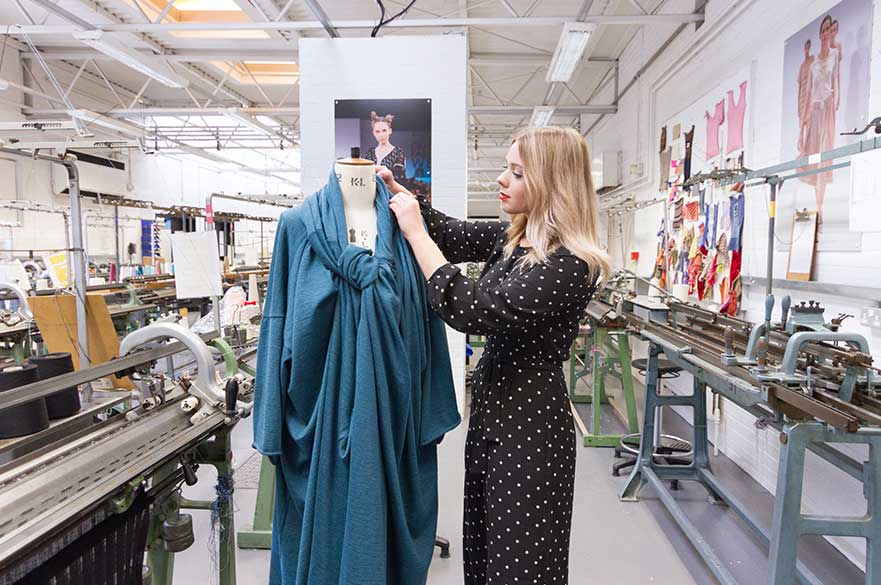
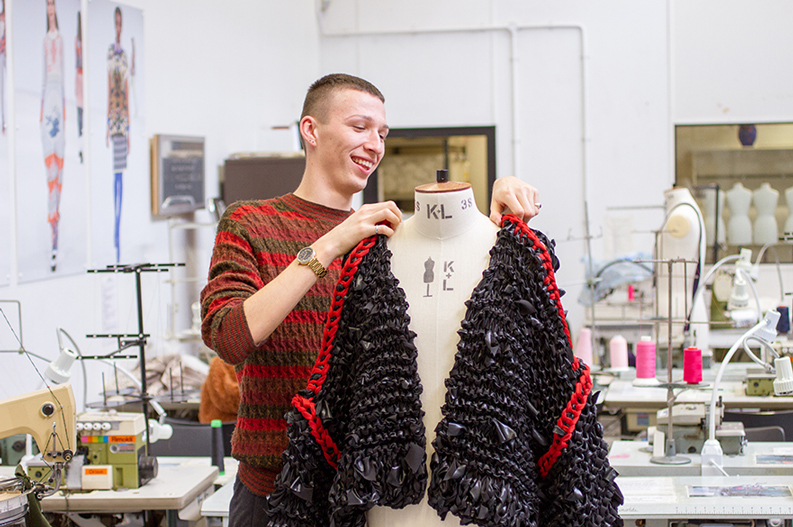
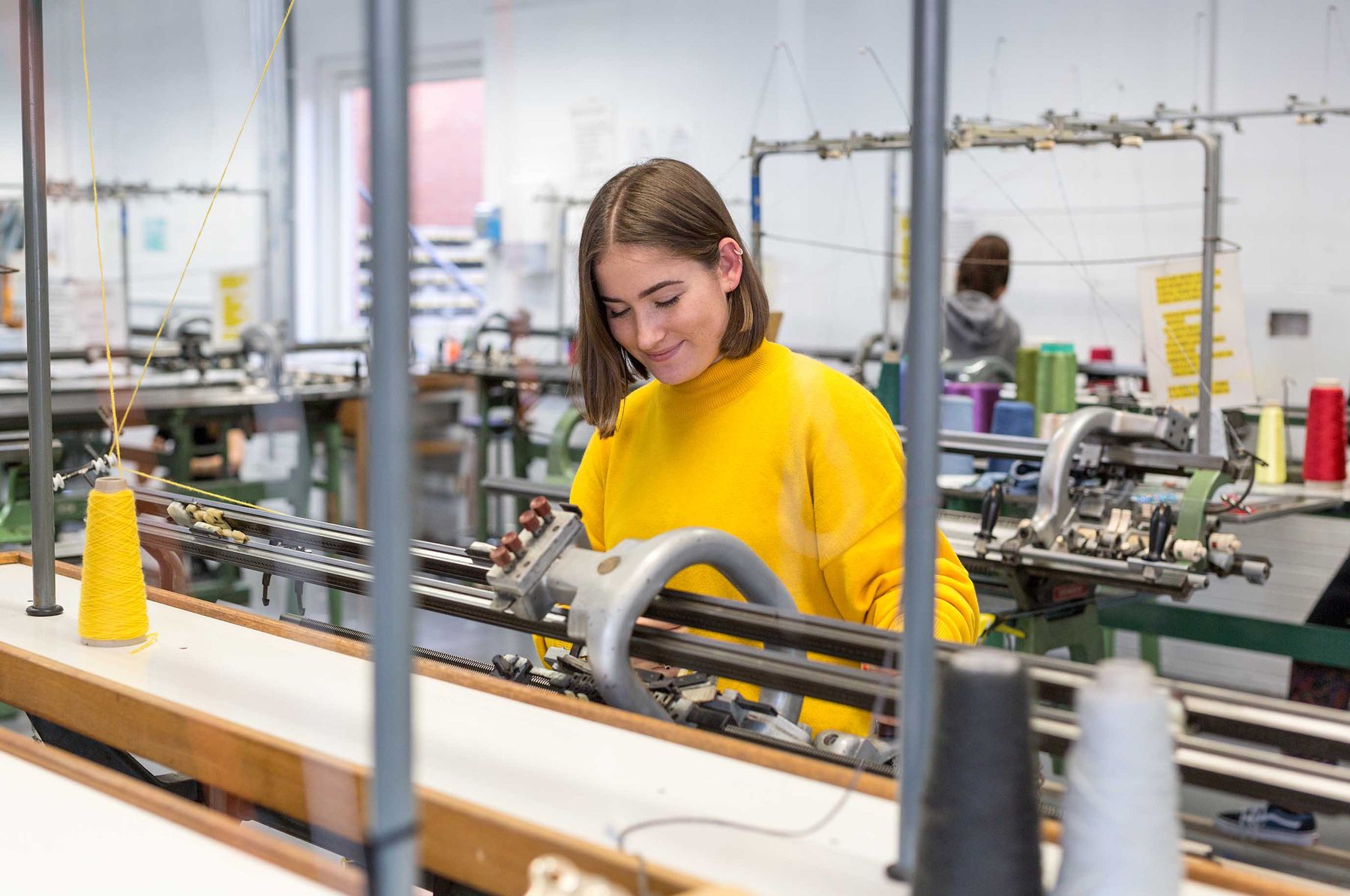
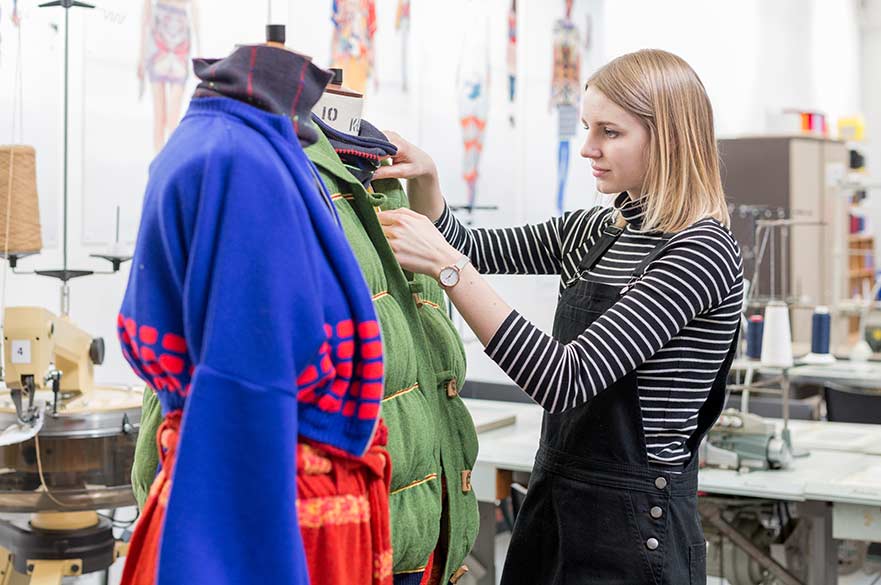
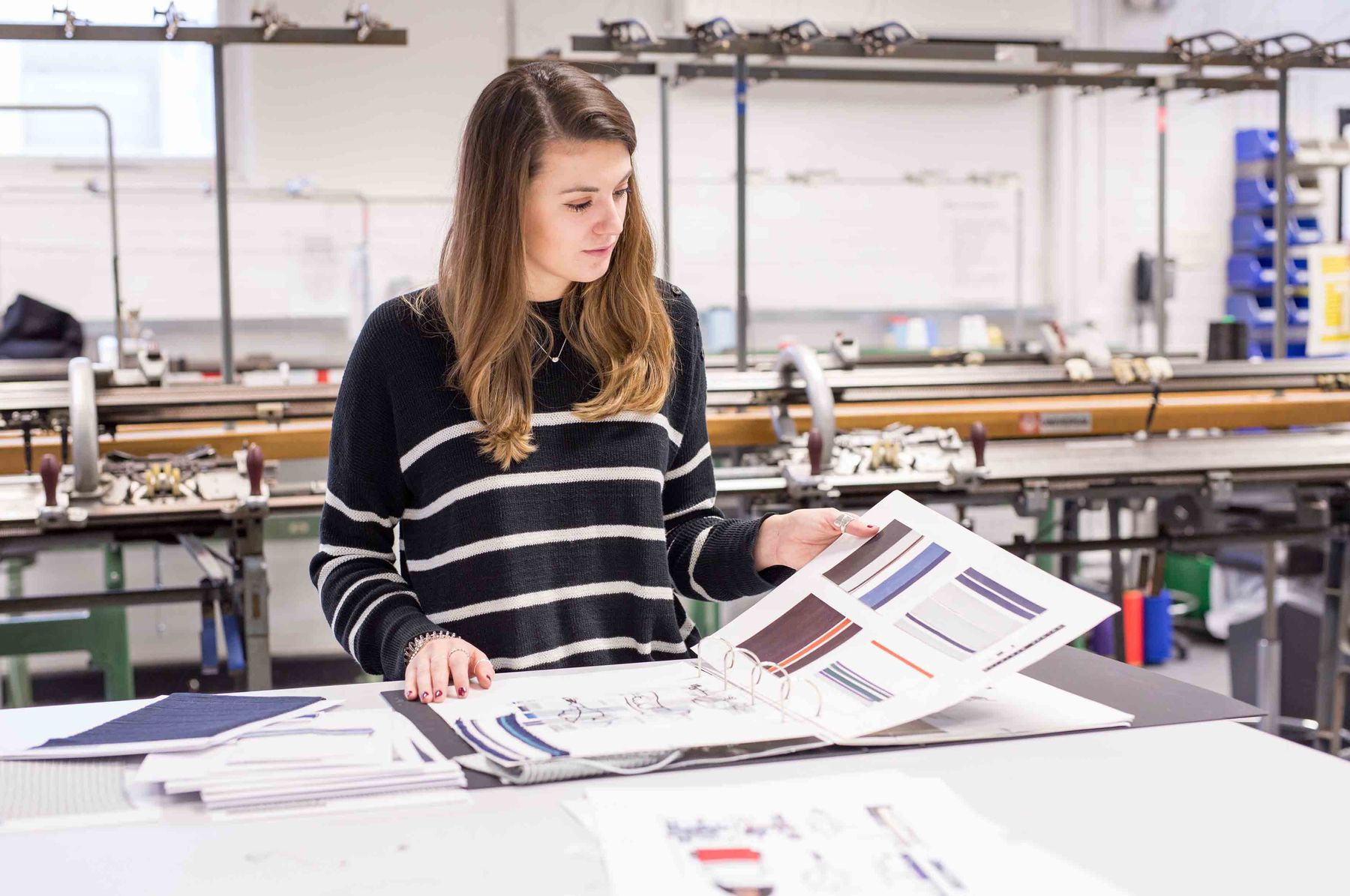
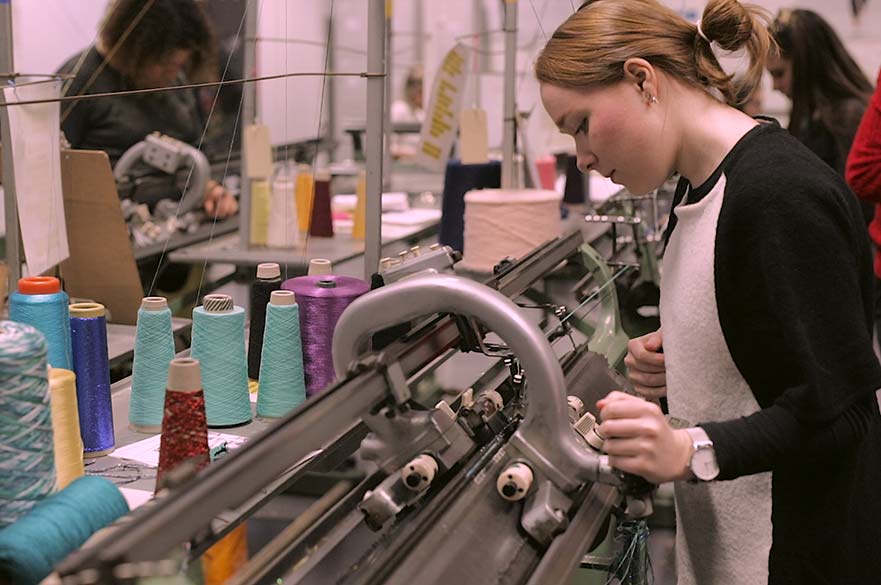
You’ll spend most of your time in a creative studio environment. Teaching and learning experiences will include creative approaches to generate ideas and design development through:
- project work
- live projects
- study visits
- lectures and briefings
- technical demonstrations
- knitting and manufacturing workshops
- studio and IT workshops
- seminars
- tutorials
- peer and self-evaluations
- presentations and teamwork.
Co Lab
Want real-world experience alongside your degree? Co Lab is your opportunity to work with peers from different disciplines on live projects set by industry partners. Embrace collaborative practice as you explore how creativity can make an impact in society and develop the skills employers want to see in the creative industries.
Exchange opportunities
If you’re thinking about studying part of your degree abroad, the course has exchange agreements with a number of institutions around the world.
Exchanges take place in Year Two of the course. You’ll receive guidance from the University about where you can study, and help in completing your application and arranging your exchange.
Trips and study visits
Recent study trips and visits for this course have included:
- Pitti Filati yarn and fabric trade fair in Florence, Italy
- SPINEXPO, with the opportunity to be selected to attend the event in Shanghai
- V&A Museum, London
- Ruddington Framework Knitters Museum.
Exchange and overseas opportunities
The course has exchange agreements with a number of institutions around the world, such as the Amsterdam Fashion Institute in the Netherlands and Hong Kong Polytechnic University. You can apply to go on exchange in Year Two for one semester. Three Knitwear students were previously funded to travel to China to exhibit their work at an international design competition with International Foundation of Fashion Technology Institutes
Showcase
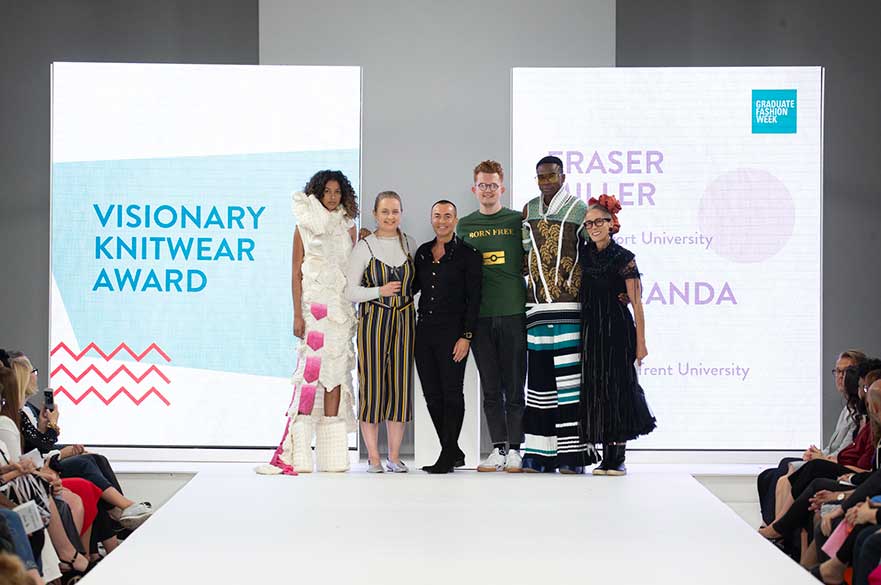
You will be given the opportunity to exhibit your work during your time at NTU to members of the creative industries. You may also be selected to showcase at Graduate Fashion Week in London – where many of our previous students have won awards. Our students have also had success with the prestigious Tu Sainsbury's Scholarship and the Visionary Knitwear Award.
Visit our ‘We Are Creatives’ showcase to take a look at the work of this year's graduating students’.
Artificial Intelligence and Innovation in Fashion Knitwear Design and Knitted Textiles
Contact hours
For each 20-credit module, you’ll spend about 200 hours learning overall. Around 40 of those hours will be taught in lectures or seminars. The rest of the time is for independent study, reading, research, or working on assignments.
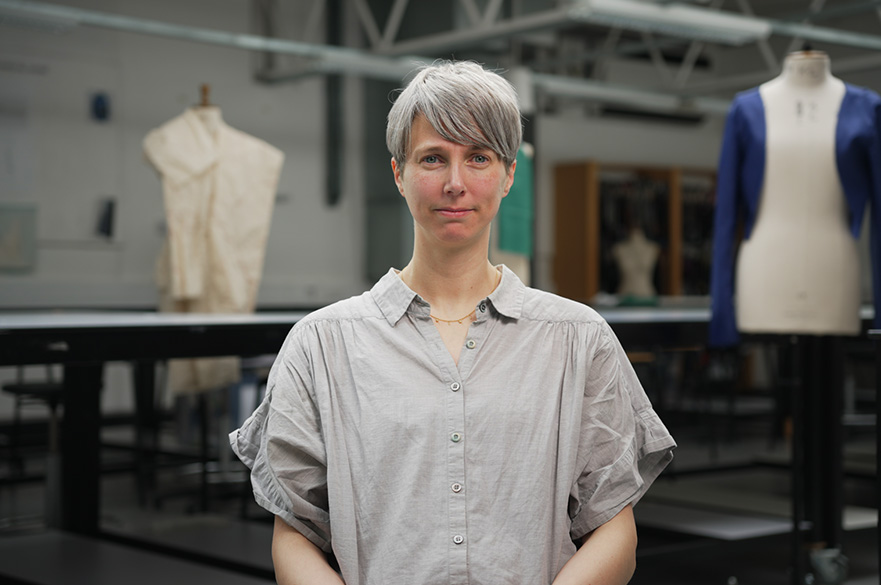
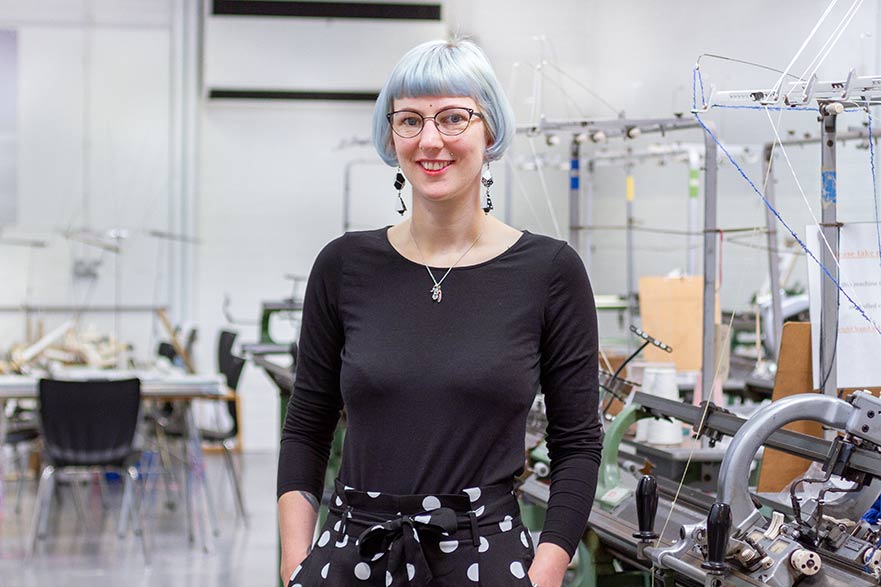
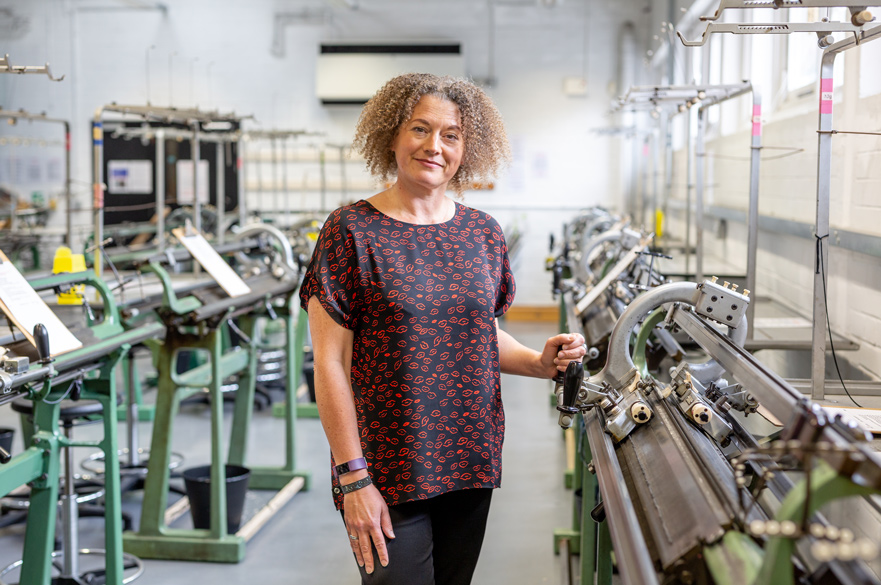
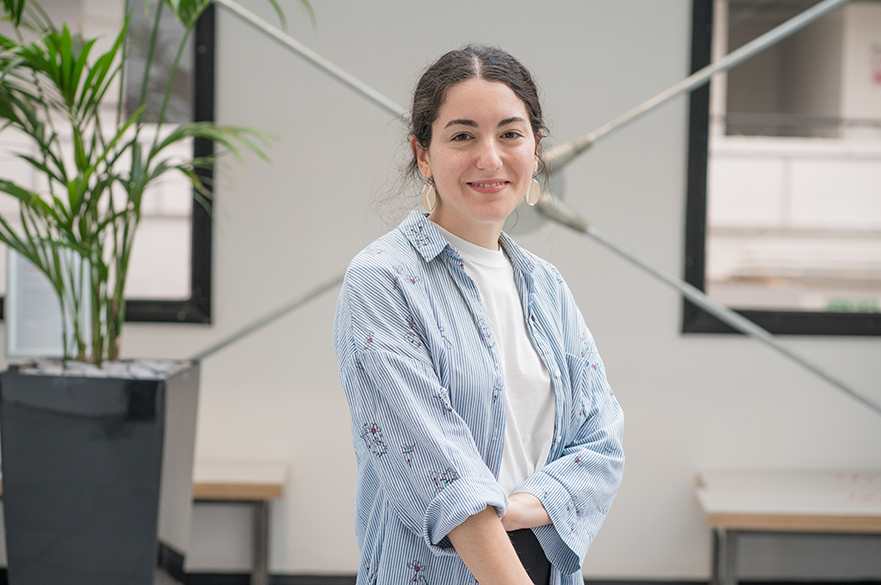
Who will teach you?


Entry requirements
This course is in Clearing
Looking for a place in Clearing? We are accepting applications and would love to hear from you!
UK students
Clearing requirements
From 80 UCAS tariff points from up to 4 qualifications.
To discuss our entry requirements and see what we can offer you, call us now on +44 (0)115 848 6000. Alternatively, if you already have your qualifications, apply online via our Clearing Application form.
Additional requirements
To find out what qualifications have tariff points, please use our tariff calculator.
Additional requirements for UK students
There are no additional requirements for this course.
Contextual offers
If you don’t quite meet our entry requirements, we might be able to make you a lower offer based on a range of factors, including your background (such as where you live and the school or college you attended), your experiences and your individual circumstances (you may have been in care, for example). This is called a contextual offer, and we get data from UCAS to help make these decisions. We do this because we believe everyone with the potential to succeed at NTU should have the opportunity to do so, no matter what barriers you may face. Please note we do not make contextual offers during Clearing.
Meeting our entry requirements
Hundreds of qualifications in the UK have UCAS Tariff points attached to specific grades, including A-levels, BTECs, T Levels and many more. You can use your grades and points from up to four different qualifications to meet our criteria. Enter your predicted or achieved grades into our Tariff calculator to find out how many points your qualifications are worth.
Other qualifications and experience
NTU welcomes applications from students with non-standard qualifications and learning backgrounds, either for year one entry or for advanced standing beyond the start of a course into year 2 or beyond.
We consider study and/or credit achieved from a similar course at another institution (otherwise known as credit transfer), vocational and professional qualifications, and broader work or life experience.
Our Recognition of Prior Learning and Credit Transfer Policy outlines the process and options available for this route. If you wish to apply via Recognition of Prior Learning, please contact the central Admissions and Enquiries Team who will be able to support you through the process.
Getting in touch
If you need more help or information, get in touch through our enquiry form.
International students
Clearing requirements
From 80 UCAS tariff points from up to 4 qualifications.
To discuss our entry requirements and see what we can offer you, call us now on +44 (0)115 848 6000. Alternatively, if you already have your qualifications, apply online via our Clearing Application form.
Additional requirements
English language requirements: See our English language requirements page for requirements for your subject and information on alternative tests and Pre-sessional English.
Additional requirements for international students
If you need help achieving the academic entry requirements, we offer a Foundation preparation course for this degree. The course is offered through our partner Nottingham Trent International College (NTIC) based on our City campus.
English language requirements
View our English language requirements for all courses, including alternative English language tests and country qualifications accepted by the University.
If you need help achieving the language requirements, we offer a Pre-Sessional English for Academic Purposes course on our City campus which is an intensive preparation course for academic study at NTU.
Other qualifications and experience
If you have the right level of qualifications, you may be able to start your Bachelors degree at NTU in year 2 or year 3. This is called ‘advanced standing’ entry and is decided on a case-by case basis after our assessment of your qualifications and experience.
You can view our Recognition of Prior Learning and Credit Transfer Policy which outlines the process and options available, such as recognising experiential learning and credit transfer.
Sign up for emails
Sign up to receive regular emails from the International Office. You'll hear about our news, scholarships and any upcoming events in your country with our expert regional teams.
Getting in touch
If you need advice about studying at NTU as an international student or how to apply, our international webpages are a great place to start. If you have any questions about your study options, your international qualifications, experience, grades or other results, please get in touch through our enquiry form. Our international teams are highly experienced in answering queries from students all over the world.
Policies
We strive to make our admissions procedures as fair and clear as possible. To find out more about how we make offers, visit our admissions policies page.