This course is in Clearing.
Offers from 80 tariff points
About this course
The BSc (Hons) Sound Engineering and Audio Production course is designed for those who want to master the technical aspects of sound production. You’ll explore music production, sound design for games and film, broadcast audio and more, gaining the technical expertise, creativity and entrepreneurial mindset to thrive in a competitive and fast-changing industry. With access to world-class studios and industry-standard technology, you’ll learn from professionals actively working across the creative sectors. The course prepares you to build a sustainable portfolio career internationally, or to step into established company roles with confidence.
You’ll gain access to music industry insight and connections through our network of partners as part of your degree. This helps you build your portfolio, grow your industry knowledge, and develop the contacts that support your next steps.
-

Gain hands-on industry experience
while you study, with industry opportunities built into the course to ensure you graduate with the practical skills needed to make it in the industry.
-

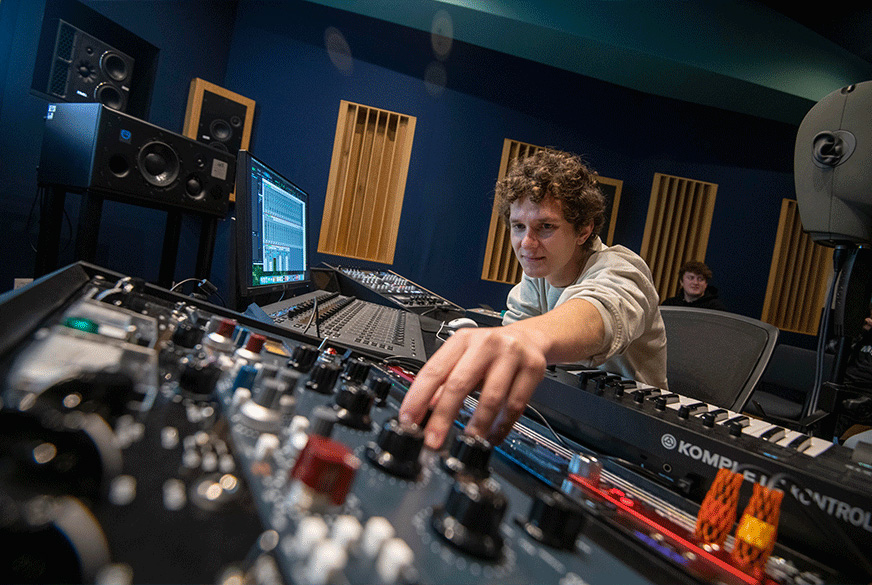
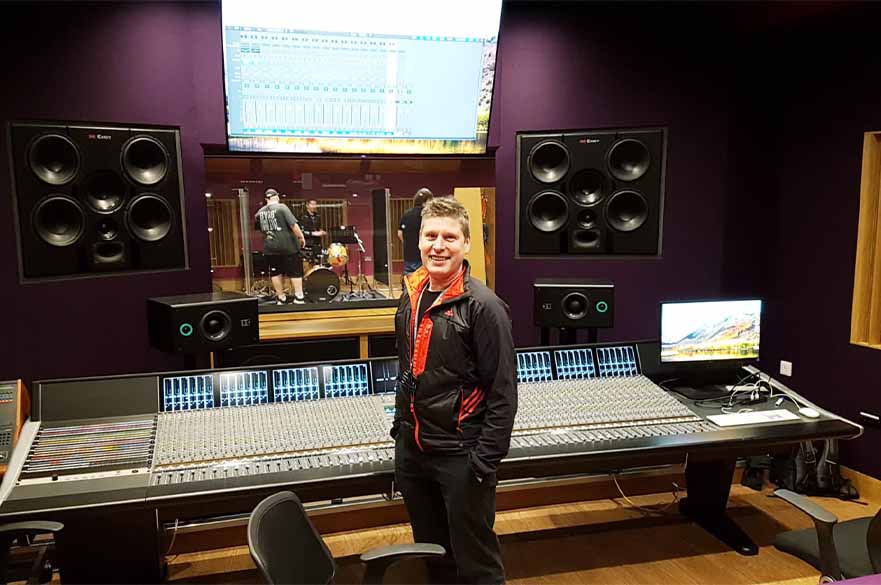
Use industry- leading equipment
Learn how to use specialist tech and equipment including SSL Duality, Neumann and Schoeps Studer.
-

Work on live briefs
Boost your CV and industry connections by working on live briefs set by industry giants.
-

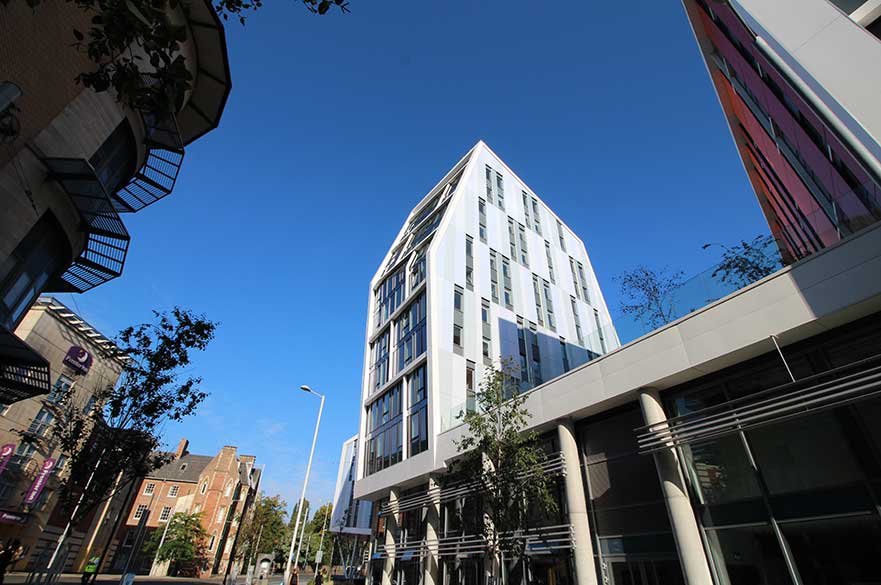
Study in the heart of Nottingham
One of Europe’s top 25 student cities, and home to over 75,000 learners.
This course balances advanced technical training with creative exploration and professional practice. You’ll develop skills in audio recording, mixing, mastering and sound design while also learning how to apply them in areas such as film, games, broadcast and live events. Alongside your technical development, you’ll build collaborative, problem-solving and critical thinking skills that reflect current industry practice.
Each year, you’ll work on assessed projects that mirror professional briefs, giving you practical experience that employers value. You’ll also have opportunities to connect with industry professionals, undertake work experience and gain mentorship to support your career development. By the time you graduate, you’ll be equipped with the technical expertise, creative vision and entrepreneurial insight to succeed in diverse audio careers worldwide.
Module information
Here’s a breakdown of what you’ll be studying throughout the course:
Core modules
In the professional audio world, Pro Tools is the DAW of choice in many recording and post-production studios, including the famous Abbey Road and Pinewood Studios. In this module, you’ll learn how to use this powerful and industry-standard program by covering Pro Tools navigation, operation and application.
We will set you up for the rest of your course and career in audio, and give you a head start for any potential future Pro Tools accreditation.
20 credits
In this module, you will learn how to conceptualise, design and create sounds using recording, processing and synthesis techniques. The art of sound design can be applied to many disciplines; such as sound design for games, film and TV, general sound design and Foley.
Through a range of projects involving both linear and non-linear timelines, you will learn how to analyse sounds, how to choose from and creatively implement a range of synthesis techniques, and how to prepare your sound design work for real-world application.
Software and hardware synthesisers and samplers, as well as MIDI, and DAW skills will come into play, in a creative, practical and playful approach to the discipline.
20 credits
Building on your previous learning and development in 'The Recording Studio' module, you will develop more advanced techniques, including working with various musicians, multitracking, overdubbing and fundamental mixing techniques.
As well as technical competences, we will develop your collaboration and project management skills, to plan for production sessions and work efficiently with a range of people.
Whether it be the content from the set sessions and/or using self-driven recordings, you will produce recording work to demonstrate how you have developed these skills.
20 credits
Understanding the theory behind the technology can take your application of the technology to new levels. In this module, you will learn the core principles of audio production through theoretical concepts and practical application.
From the generation of sound to the manipulation of an audio signal, you will work with real productions to apply technologies such as EQ, compression and distortion, while learning about their fundamental principles.
You will also learn about the sustainable impact of analogue and digital technologies within the industry, as well as ethical use of A.I in research, writing and the production of audio.
The module is designed to underpin the technologies applied in other modules to ensure you have the technical knowledge, language and confidence in various situations.
20 credits
Progressing from learning and development in your Sound Design module, you will now learn how to apply sound design and music productions to linear visual media, such as films, game trailers and video content. You will also experience Pro Tools in a post-production setting, providing a broad set of skills to be applied across multiple industries.
20 credits
The Recording Studio underpins past and present productions in music. You will begin your journey on the course by developing your understanding of the fundamentals of the recording studio. You will learn the principles of physical mixing consoles, signal flow, connections, microphone types, and DAWs to record audio.
You will also be introduced to working practices in the recording studio around health and safety, industry standards, and be asked to consider sustainable practice.
You can apply these skills and principles, whether in a traditional professional analogue studio or a digital home studio.
20 credits
credits
credits
credits
credits
credits
credits
credits
credits
credits
credits
credits
credits
credits
credits
credits
credits
credits
credits
credits
credits
credits
credits
credits
credits
credits
credits
credits
credits
credits
credits
credits
credits
credits
credits
credits
credits
credits
credits
credits
credits
credits
credits
credits
credits
credits
credits
credits
credits
credits
credits
credits
credits
credits
credits
credits
credits
credits
credits
credits
credits
credits
credits
credits
credits
credits
credits
credits
credits
credits
credits
credits
credits
credits
credits
credits
credits
credits
credits
credits
credits
credits
credits
credits
credits
credits
credits
credits
credits
credits
credits
credits
credits
credits
credits
credits
credits
credits
credits
credits
credits
credits
credits
credits
credits
credits
credits
credits
credits
credits
credits
credits
credits
credits
credits
credits
credits
credits
credits
credits
credits
credits
credits
credits
credits
credits
credits
credits
credits
credits
credits
credits
credits
credits
credits
credits
credits
credits
credits
credits
credits
credits
credits
credits
credits
credits
credits
credits
credits
credits
credits
credits
credits
credits
credits
credits
credits
credits
credits
credits
credits
credits
credits
credits
credits
credits
credits
credits
credits
credits
You will study one 20-credit Optional Module. There are a range of optional 20-credit modules - these options add personalisation to your course and cover content related to your course subject area. The Optional modules may change year on year and we purposely update these regularly to allow for industry input and innovations in the subject.
Core modules
This module explores how money flows through the sound and music industry, examining the revenue streams that underpin key areas such as recording, publishing, live events, media, and digital distribution. You’ll gain a clearer understanding of how income is generated, and the role that collection societies, licensing agreements, and company or label financing play within the wider business landscape. The module also addresses the financial challenges facing the industry today and looks at how technology such as AI is shaping new and emerging business practices. Through real-world case studies and industry-led discussions, you'll gain practical insights into the economics of sound and music—and how you might navigate your own path within it.
As part of this module, you'll take part in additional practical workshops in submission method development that you can apply across other areas of your course.
20 credits
This module encapsulates the complete Audio Post Production process, further building on the workflows learned in the Sound To Visual Media module. You will apply these special, tailored technical and creative skills to full dialogue and music editing as well as comprehensive linear sound design work, integrating these key elements in your final broadcast/web-compliant mixes. Throughout, you will wear many hats and gain insight into the individual industry roles within audio post and how they fit together.
You will also embark on a journey into non-linear Game Audio where you will engage with middleware/game engines such as Wwise, FMOD, Unreal Engine and Unity to realise your creations in this fast-paced, ever-growing and exciting industry.
Throughout the module, you will make an inquiry into the similarities and differences between these two fields, build a professional showreel, and develop a useful range of key skills for successful employment in both branches.
20 credits
Mixing and Mastering are vital processes to make musical productions commercially ready. You will experience and apply creative and technical processes involved in shaping and finalising music productions. You will explore the tools, techniques, and decision-making strategies used in past and contemporary mixing and mastering processes, with a focus on technical competence, artistic expression and commercial output quality. You will also examine how technology has impacted mixing workflows and apply this understanding to your practice.
Through hands-on experience with digital audio workstations (DAWs), plug-ins, and hardware signal processing tools, you will learn to solve complex creative and technical challenges and critically evaluate your choices.
20 credits
In many aspects of sound and audio work, the perception of the professional and the end consumer is vital. Acoustics plays an important role in approaching and completing work to the desired standard. In this module you will experience acoustic theory and application, including the human perception of sound, room acoustics, and electro acoustics, to better inform your application.
Holding the knowledge and understanding of these areas, allows you to apply these areas to creating realistic gaming environments, film atmos, and appropriate reverberation and time-based effects on musical productions.
20 credits
Through active participation with team-based problem solving, you will work together in mixed teams on a project where you will use your creative ideas to generate solutions to the challenge or brief. Your project will allow you to explore how creativity can make an impact in society, as you choose a theme of sustainability, social justice, enterprise and innovation or community. This collaborative learning experience will expose you to a range of new processes and approaches that will develop your creative thinking.
20 credits
credits
credits
credits
credits
credits
credits
credits
credits
credits
credits
credits
credits
credits
credits
credits
credits
credits
credits
credits
credits
Optional modules
This module offers the opportunity to work on a live commercial brief from an established record label, developing and producing a music video for multimedia platforms such as YouTube, TikTok, and Instagram. You'll pitch your own concept, then collaborate in cross-course teams to produce the selected idea. The module builds creative, technical, and professional skills in areas including research, direction, filming, editing, ethical practice, and industry-focused teamwork.
20 credits
This module introduces you to the fundamental software and hardware technologies used in live streaming and broadcasting digital content. You will gain hands-on experience with a range of essential tools including cameras, lighting setups, vision mixing software and hardware, and graphic systems. The module places a strong emphasis on practical application, allowing you to explore both technical and creative aspects of streaming.
You will learn to use industry-standard platforms such as OBS and vMix, and develop an understanding of effective composition, lighting techniques, and camera operation for live environments. In addition to mastering the core technologies, you will explore automation tools, control surfaces, and plugins, as well as third-party applications that enhance the live broadcast workflow. The module also covers networked remote broadcasting setups, online streaming platforms, and video compression techniques.
As part of the content, you will investigate the requirements for broadcasting across multiple platforms, with attention to moderation, peripheral optimisation, and maintaining stream quality. Strategic content planning and production workflows will also be examined, ensuring you are prepared to deliver high-quality, engaging broadcasts to diverse audiences.
20 credits
Do you love live music and want to create events that leave a lasting impact? This module introduces the principles and practices of designing, planning, and delivering live music events. You will develop a complete event proposal through lectures, workshops, and simulations, considering audience engagement, stakeholder management, logistics, sustainability, and professional standards. The module emphasises teamwork, reflective practice, and practical skills in a music-focused context.
20 credits
Journalism for the Creative Industries is an exciting module that explores the dynamic intersection of journalism and the modern creative industries landscape.
The module equips students with the skills to produce engaging content across a range of formats, including features, news pieces, reviews, and copy for creative purposes.
Students will have the chance to engage in both written and video journalism, developing established techniques for conducting interviews and crafting compelling stories.
With a strong focus on contemporary industry practices, this module prepares creatives with an interest in journalism to navigate and contribute meaningfully to the world of the creative industries.
The module also explores the use of generative AI in journalism, considering its role in content creation, research, and storytelling. You will critically examine how AI tools can support journalistic practice while raising questions around ethics, originality, and credibility in the creative industries.
20 credits
This module offers a dynamic and immersive introduction to the world of music production, designed specifically for Level 5 degree students with little to no prior experience. Delivered entirely within a Mac-based music lab using industry-standard Digital Audio Workstations (DAWs) course emphasizes hands-on learning, creativity, and collaboration.
Each week introduces a new and distinct aspect of music production—from beat making and synthesis to mixing, remixing, and composing for media. Students will engage in a variety of practical tasks, creative challenges, and group-based projects that encourage experimentation and peer learning. The course is structured to ensure that every session feels fresh and engaging, with clear learning goals and tangible outcomes.
Through guided exploration of tools and techniques used by professionals, students will develop a foundational understanding of digital music creation. They will also build critical listening skills, problem-solving strategies, and the ability to communicate musical ideas effectively to both technical and non-technical audiences.
By the end of the course you will have produced a track that showcases their creative and technical growth. This course not only equips students with essential production skills but also fosters a deeper appreciation of the creative process behind modern music-making.
20 credits
This practical module introduces the technologies and techniques behind live sound reinforcement. You will learn the features, functions, and interconnections of sound system components, including point source and line array systems. Through hands-on experience, you will build, test, and operate sound systems, ensuring they are functional and fit for purpose. While focused on live music events, the skills gained can also be applied to corporate events, theatre, and general speech reinforcement.
20 credits
credits
credits
credits
credits
credits
credits
credits
credits
credits
credits
credits
credits
credits
credits
credits
credits
credits
credits
credits
credits
credits
credits
credits
credits
credits
credits
credits
credits
credits
credits
credits
credits
credits
credits
credits
credits
credits
credits
credits
credits
credits
credits
credits
credits
credits
credits
credits
credits
credits
credits
credits
credits
credits
credits
credits
credits
credits
credits
credits
credits
credits
credits
credits
credits
credits
credits
credits
credits
credits
credits
credits
credits
credits
credits
credits
credits
credits
credits
credits
credits
credits
credits
credits
credits
credits
credits
credits
credits
credits
credits
credits
credits
credits
credits
credits
credits
credits
credits
credits
credits
credits
credits
credits
credits
credits
credits
credits
credits
credits
credits
credits
credits
credits
credits
credits
credits
credits
credits
credits
credits
credits
credits
credits
credits
credits
credits
credits
credits
credits
credits
credits
credits
credits
credits
credits
credits
credits
credits
credits
credits
credits
credits
credits
credits
Placement year routes
We have an option for all of our students to undertake a placement year and allow you to decide whether this is right for you once you have completed years 1 and 2 of your course. This time spent working in industry provides our students with crucial work experience, which is highly prized and much sought after by employers upon graduation. If you are successful in securing a placement you will have the chance to gain an additional Certificate or Diploma in Professional Practice, dependent on duration.
The additional placement year incurs a fee. For international students considering the transfer to the 4-yr SW route it's important to seek advice from the International Student Support team and the Home Office regarding any potential visa implications and costs. For UK students, advice should also be sought regarding SLC eligibility, if applicable.
* If you choose to take the sandwich route option, you will need to apply for this course by using the full-time UCAS code.
0 credits
If you're studying on our sandwich route you can also opt to study abroad for a full academic year, or for a semester, during Year Three. This is an optional and additional period of study that complements your degree at NTU as an alternative to taking a work placement.
This is an exciting opportunity to experience a different national culture, teaching and learning styles and subjects in an international environment. The destination university must be a year abroad / exchange partner of NTU or member of a formally recognised scheme such as the International Student Exchange Programme (ISEP).
Our NTU Global and student mobility team will support you in finding the right opportunity from one of the many international partners available around the world.
Successful completion of a period of international study will earn you a standalone award an International Study Certificate (minimum six weeks) or the International Study Diploma (minimum 36 weeks).
credits
credits
credits
credits
credits
credits
credits
credits
credits
credits
credits
credits
credits
credits
credits
credits
credits
credits
credits
credits
credits
credits
credits
credits
credits
credits
credits
credits
credits
credits
credits
credits
credits
credits
credits
credits
credits
credits
credits
credits
credits
credits
credits
credits
credits
credits
credits
credits
credits
credits
credits
credits
credits
credits
credits
credits
credits
credits
credits
credits
credits
credits
credits
credits
credits
credits
credits
credits
credits
credits
credits
credits
credits
credits
credits
credits
credits
credits
credits
credits
credits
credits
credits
credits
credits
credits
credits
credits
credits
credits
credits
credits
credits
credits
credits
credits
credits
credits
credits
credits
credits
credits
credits
credits
credits
credits
credits
credits
credits
credits
credits
credits
credits
credits
credits
credits
credits
credits
credits
credits
credits
credits
credits
credits
credits
credits
credits
credits
credits
credits
credits
credits
credits
credits
credits
credits
credits
credits
credits
credits
credits
credits
credits
credits
credits
credits
credits
credits
credits
credits
credits
credits
credits
credits
credits
credits
credits
credits
credits
credits
credits
credits
credits
credits
credits
credits
credits
credits
credits
credits
credits
credits
credits
credits
Core modules
Get ready to dive into the real world of the creative industries! This module is all about tackling live industry work via real briefs or other professional practices and developing the skills you need to thrive in your career. Whatever you're producing, you’ll be responding to industry challenges, pushing your problem solving, project management and creativity to build a portfolio that sets you apart. With skills workshops, and hands-on experience, this is your chance to level up and prove what you can do within professional parameters.
By the end of the module you will have assets that could support your Future Pathways module outward facing portfolio for semester 2, and the skills can support your Capstone Project.
20 credits
You will explore the cutting-edge and exciting field of spatial and immersive audio, focusing on its applications in various industries such as gaming, virtual reality (VR), augmented reality (AR), film, and music production. You will gain a comprehensive understanding of technologies such as Dolby Atmos, Binaural HRTFs, and Ambisonics, along with theoretical principles such as spatialisation and psychoacoustics.
Practical implementation includes system setup, software tools, and project work, equipping you with the skills to create spatial audio productions across various industries.
Through research and application, you will truly be immersed in this module.
20 credits
This module provides an opportunity for you to consolidate your academic, practical, and professional learning into a focused and strategic portfolio that reflects your readiness for the next stage of your career.
Drawing on the experiences, insights, and skills developed throughout your degree, you will curate a body of work that articulates your professional identity and future direction within Music and Events industries. This is a chance to synthesise your journey so far and present a compelling narrative of your abilities, values, and ambitions.
The emphasis is on finalising your career or further study plans, demonstrating a clear understanding of industry expectations, and showcasing your preparedness for employment or continued education. Through engagement with professional practices and critical self-reflection, you will develop a portfolio that not only highlights your achievements but positions you confidently for your next steps.
20 credits
In this module you will apply what you have learnt throughout your course and start developing a Final Capstone Project. Working with your peers and lecturers, you will negotiate collaborative practice and individual achievement with the view of showcasing your work.
Depending on your course, these final capstone projects may be prescribed, collaborative or individual.
By the end of the module, you are expected to have arrived at an evidence-backed plan that can be implemented in Semester 2. You will have assessed any possible challenges and risks, including how collaboration and ethical considerations may affect your journey.
You will be submitting a project proposal for approval at the end of the module. In addition, you are expected to provide planning documentation and/or examples of work which will be negotiated with the course team when the assessment is set.
Any project work or expenditure can only take place after the project has been approved by the relevant course team.
The delivery comprises discipline-specific practical classes as well as lectures that will help you to design and contextualise the project.
20 credits
Final Capstone Project is the culmination of your degree and an opportunity to integrate your learning, skills and experiences. This is your chance to create something meaningful, challenge yourself, and showcase who you are as a professional in your field.
At the core of your project is a practical, creative or research-led negotiated output – what this entails depends on your discipline area. These projects may be prescribed, collaborative or individual.
Whatever form your project takes, you are expected to frame it as a research project as well as to consider aspects such as existing and/or emerging technologies (including AI), ways of working, sustainability and social responsibility. Moreover, you are required to critically reflect on the distance travelled, the role collaboration played and any challenges you faced and overcame. You are invited to link this reflection with your personal and professional goals. Your appendices will evidence processes and experimentation within your subject area.
40 credits
credits
credits
credits
credits
credits
credits
credits
credits
credits
credits
credits
credits
credits
credits
credits
credits
credits
credits
credits
credits
credits
credits
credits
credits
credits
credits
credits
credits
credits
credits
credits
credits
credits
credits
credits
credits
credits
credits
credits
credits
credits
credits
credits
credits
credits
credits
credits
credits
credits
credits
credits
credits
credits
credits
credits
credits
credits
credits
credits
credits
credits
credits
credits
credits
credits
credits
credits
credits
credits
credits
credits
credits
credits
credits
credits
credits
credits
credits
credits
credits
credits
credits
credits
credits
credits
credits
credits
credits
credits
credits
credits
credits
credits
credits
credits
credits
credits
credits
credits
credits
credits
credits
credits
credits
credits
credits
credits
credits
credits
credits
credits
credits
credits
credits
credits
credits
credits
credits
credits
credits
credits
credits
credits
credits
credits
credits
credits
credits
credits
credits
credits
credits
credits
credits
credits
credits
credits
credits
credits
credits
credits
credits
credits
credits
credits
credits
credits
credits
credits
credits
credits
credits
credits
credits
credits
credits
credits
credits
credits
credits
credits
credits
credits
credits
credits
credits
credits
credits
credits
credits
credits
credits
credits
credits
credits
credits
credits
credits
credits
credits
credits
credits
credits
credits
credits
credits
credits
credits
credits
credits
credits
credits
credits
credits
credits
credits
credits
credits
credits
credits
credits
credits
credits
credits
credits
credits
credits
credits
credits
credits
credits
credits
credits
credits
credits
credits
credits
credits
credits
credits
credits
credits
credits
credits
credits
credits
credits
credits
credits
credits
credits
credits
credits
credits
credits
credits
credits
credits
credits
credits
credits
credits
credits
credits
credits
credits
credits
credits
credits
credits
credits
credits
credits
credits
credits
credits
credits
credits
credits
credits
credits
credits
credits
credits
credits
credits
credits
credits
credits
credits
credits
credits
credits
credits
credits
credits
credits
credits
credits
credits
credits
credits
credits
credits
credits
credits
credits
credits
credits
credits
credits
credits
credits
credits
credits
credits
credits
credits
credits
credits
credits
credits
credits
credits
credits
credits
credits
credits
credits
credits
credits
credits
credits
credits
credits
credits
credits
credits
credits
credits
credits
credits
credits
credits
credits
credits
credits
credits
credits
credits
credits
credits
credits
credits
credits
credits
credits
credits
credits
credits
credits
credits
credits
credits
credits
credits
credits
credits
credits
credits
credits
credits
credits
credits
credits
credits
credits
credits
credits
credits
credits
credits
credits
credits
credits
credits
credits
credits
credits
credits
credits
credits
credits
credits
credits
credits
credits
credits
credits
credits
credits
credits
credits
credits
credits
credits
credits
credits
credits
credits
credits
credits
credits
credits
credits
credits
credits
credits
credits
credits
credits
credits
credits
credits
credits
credits
credits
credits
credits
credits
credits
credits
credits
credits
credits
credits
credits
credits
credits
credits
credits
credits
credits
credits
credits
credits
credits
credits
credits
credits
credits
credits
credits
credits
credits
credits
credits
credits
credits
credits
credits
credits
credits
credits
credits
credits
credits
credits
credits
credits
credits
credits
credits
credits
credits
credits
credits
credits
credits
credits
credits
credits
credits
credits
credits
credits
credits
credits
credits
credits
credits
credits
credits
credits
credits
credits
credits
credits
credits
credits
credits
credits
credits
credits
credits
credits
credits
credits
credits
credits
credits
credits
credits
credits
credits
credits
credits
credits
credits
credits
credits
credits
credits
credits
credits
credits
credits
credits
credits
credits
credits
credits
credits
credits
credits
credits
credits
credits
credits
credits
credits
credits
credits
credits
credits
credits
credits
credits
credits
credits
credits
credits
credits
credits
credits
credits
credits
credits
credits
credits
credits
credits
credits
credits
credits
credits
credits
credits
credits
credits
credits
credits
credits
credits
credits
credits
credits
credits
credits
credits
credits
credits
credits
credits
credits
credits
credits
credits
credits
credits
credits
credits
credits
credits
credits
credits
credits
credits
credits
credits
credits
credits
credits
credits
credits
credits
credits
credits
credits
credits
credits
credits
credits
credits
credits
credits
credits
credits
credits
credits
credits
credits
credits
credits
credits
credits
credits
credits
credits
credits
credits
credits
credits
credits
credits
credits
credits
credits
credits
credits
credits
credits
credits
credits
credits
credits
credits
credits
credits
credits
credits
credits
credits
credits
credits
credits
credits
credits
credits
credits
credits
credits
credits
credits
credits
credits
credits
credits
credits
credits
credits
credits
credits
credits
credits
credits
credits
credits
credits
credits
credits
credits
credits
credits
credits
credits
credits
credits
credits
credits
credits
credits
credits
credits
credits
credits
credits
credits
credits
credits
credits
credits
credits
credits
credits
credits
credits
credits
credits
credits
credits
credits
credits
credits
credits
credits
credits
credits
credits
credits
credits
credits
credits
credits
credits
credits
credits
credits
credits
credits
credits
credits
credits
credits
credits
credits
credits
credits
credits
credits
credits
credits
credits
credits
credits
credits
credits
credits
credits
credits
credits
credits
credits
credits
credits
credits
credits
credits
credits
credits
credits
credits
credits
credits
credits
credits
credits
credits
credits
credits
credits
credits
credits
credits
credits
credits
credits
credits
credits
credits
credits
credits
credits
credits
credits
credits
credits
credits
credits
credits
credits
credits
credits
credits
credits
credits
credits
credits
credits
credits
credits
credits
credits
credits
credits
credits
credits
credits
credits
credits
credits
credits
credits
credits
credits
credits
credits
credits
credits
credits
credits
credits
credits
credits
credits
credits
credits
credits
credits
credits
credits
credits
credits
credits
credits
credits
credits
credits
credits
credits
credits
credits
credits
credits
credits
credits
credits
credits
credits
credits
credits
credits
credits
credits
credits
credits
credits
credits
credits
credits
credits
credits
credits
credits
credits
credits
credits
credits
credits
credits
credits
credits
credits
credits
credits
credits
credits
credits
credits
credits
credits
credits
credits
credits
credits
credits
credits
credits
credits
credits
credits
credits
credits
credits
credits
credits
credits
credits
credits
credits
credits
credits
credits
credits
credits
credits
credits
credits
credits
credits
credits
credits
credits
credits
credits
credits
credits
credits
credits
credits
credits
credits
credits
credits
credits
credits
credits
credits
credits
credits
credits
credits
credits
credits
credits
credits
credits
credits
credits
credits
credits
credits
credits
credits
credits
credits
credits
credits
credits
credits
credits
credits
credits
credits
credits
credits
credits
credits
credits
credits
credits
credits
credits
credits
credits
credits
credits
credits
credits
credits
credits
credits
credits
credits
credits
credits
credits
credits
credits
credits
credits
credits
credits
credits
credits
credits
credits
credits
credits
credits
credits
credits
credits
credits
credits
credits
credits
credits
credits
credits
credits
credits
credits
credits
credits
credits
credits
credits
credits
credits
credits
credits
credits
credits
credits
credits
credits
credits
credits
credits
credits
credits
credits
credits
credits
credits
credits
credits
credits
credits
credits
credits
credits
credits
credits
credits
credits
credits
credits
credits
credits
credits
credits
credits
credits
credits
credits
credits
credits
credits
credits
credits
credits
credits
credits
credits
credits
credits
credits
credits
credits
credits
credits
credits
credits
credits
credits
credits
credits
credits
credits
credits
credits
credits
credits
credits
credits
credits
credits
credits
credits
credits
credits
credits
credits
credits
credits
credits
credits
credits
credits
credits
credits
credits
credits
credits
credits
credits
credits
credits
credits
credits
credits
credits
credits
credits
credits
credits
credits
credits
credits
credits
credits
credits
credits
credits
credits
credits
credits
credits
credits
credits
credits
credits
credits
credits
credits
credits
credits
credits
credits
credits
credits
credits
credits
credits
credits
credits
credits
credits
credits
credits
credits
credits
credits
credits
credits
credits
credits
credits
credits
credits
credits
credits
credits
credits
credits
credits
credits
credits
credits
credits
credits
credits
credits
credits
credits
credits
credits
credits
credits
credits
credits
credits
credits
credits
credits
credits
credits
credits
credits
credits
credits
credits
credits
credits
credits
credits
credits
credits
credits
credits
credits
credits
credits
credits
credits
credits
credits
credits
credits
credits
credits
credits
credits
credits
credits
credits
credits
credits
credits
credits
credits
credits
credits
credits
credits
credits
credits
credits
credits
credits
credits
credits
credits
credits
credits
credits
credits
credits
credits
credits
credits
credits
credits
credits
credits
credits
credits
credits
We regularly review our course content based on student and employer feedback to ensure they remain current and relevant. This may result in changes to module content or availability in future years. Optional modules will only run where there is sufficient demand. This will be determined on a case-by-case basis to protect the academic and student experience.
Video Gallery
How you're taught
Teaching and learning will take place in a range of bespoke studios, IT suites and classrooms. You’ll develop your practical, technical and critical thinking skills through a mixture of lectures, workshops, seminars, academic tutorials and guest lectures. In these classes you’ll explore the core aspects of the module subject areas whilst also reporting back on your individual progress and research findings.
The audio and music industry is embedded in the course, with industry and work-related opportunities including live client briefs and guest lectures. These will be offered in addition to your studies. By the end of your studies, you’ll have developed the skills to independently gain industry experiences.
Showcase
You will be given the opportunity to exhibit your work during your time at NTU to members of the creative industries.
Artificial Intelligence and Innovation in Sound Engineering and Audio Production
Our BSc Sound Engineering and Audio Production embraces the future of audio by integrating Artificial Intelligence into the creative process. Students explore how AI is reshaping sound design, mixing, mastering, and music production, using cutting-edge tools for generative soundscapes, intelligent audio editing, and adaptive mixing.
You’ll learn to harness AI to streamline workflows, enhance audio quality, and unlock new creative possibilities, while critically examining the ethical and artistic implications of machine-generated content. This forward-thinking approach ensures graduates are equipped with the skills and awareness needed to thrive in an industry where human creativity and AI innovation commonly intersect.
Key Benefits for Students:
- Hands-on experience with AI tools for sound design, mixing, mastering, and music production.
- Learn cutting-edge techniques such as generative audio, intelligent noise reduction, and adaptive mixing.
- Develop future-ready skills that align with emerging industry standards and workflows.
- Enhance creativity and efficiency by leveraging AI to streamline repetitive tasks and unlock new possibilities.
- Critical understanding of ethics and law surrounding AI-generated audio, authorship, and intellectual property.
- Graduate with a competitive edge in an industry where AI processes are now a common practice.
Find out more about AI, Creativity and Innovation at the Nottingham School of Art & Design | Nottingham Trent University.
How you're assessed
- Coursework
- portfolios
- reports
- practical task
- live Industry and Collaboration projects.
Contact hours
For each 20-credit module, you’ll spend about 200 hours learning overall. Around 40 of those hours will be taught in lectures or seminars. The rest of the time is for independent study, reading, research, or working on assignments.
Who will teach you?


Entry requirements
This course is in Clearing
Looking for a place in Clearing? We are accepting applications and would love to hear from you!
UK students
Clearing requirements
From 80 UCAS tariff points from up to 4 qualifications.
To discuss our entry requirements and see what we can offer you, call us now on +44 (0)115 848 6000. Alternatively, if you already have your qualifications, apply online via our Clearing Application form.
- Standard offer: 112 UCAS Tariff points from up to four qualifications
- Contextual offer: 104 UCAS Tariff points from up to four qualifications
You will also have at least one of the following music qualifications:
- A level or other level 3 qualification in a related subject such as BTEC Extended Diploma in Music Technology or Production (or similar, e.g. RSL Awards)
We welcome applicants without the above music technology entry requirements. You can find further guidance on this process on our Application Guidance for Music Technology courses at NTU page.
To find out what qualifications have tariff points, please use our tariff calculator.
Additional requirements for UK students
There are no additional requirements for this course.
Contextual offers
We consider every application in the context of your individual circumstances and educational background. This may include information about where you live, the school or college you attended, or experiences that may have shaped your educational journey. This is known as a contextual offer, and we use information provided through UCAS to help inform our decisions. By considering achievement in context, we can better recognise academic potential and ensure applicants are assessed as fairly and fully as possible. Please note we do not make contextual offers during Clearing.
Meeting our entry requirements
Hundreds of qualifications in the UK have UCAS Tariff points attached to specific grades, including A-levels, BTECs, T Levels and many more. You can use your grades and points from up to four different qualifications to meet our criteria. Enter your predicted or achieved grades into our Tariff calculator to find out how many points your qualifications are worth.
Other qualifications and experience
NTU welcomes applications from students with non-standard qualifications and learning backgrounds, either for year one entry or for advanced standing beyond the start of a course into year 2 or beyond.
We consider study and/or credit achieved from a similar course at another institution (otherwise known as credit transfer), vocational and professional qualifications, and broader work or life experience.
Our Recognition of Prior Learning and Credit Transfer Policy outlines the process and options available for this route. If you wish to apply via Recognition of Prior Learning, please contact the central Admissions and Enquiries Team who will be able to support you through the process.
Getting in touch
If you need more help or information, get in touch through our enquiry form.
International students
Clearing requirements
From 80 UCAS tariff points from up to 4 qualifications.
To discuss our entry requirements and see what we can offer you, call us now on +44 (0)115 848 6000. Alternatively, if you already have your qualifications, apply online via our Clearing Application form.
Academic entry requirements: 112 UCAS Tariff points from up to four qualifications. We accept equivalent qualifications from all over the world. Please check your international entry requirements by country.
You will also have at least one of the following music qualifications:
- A level or other level 3 qualification in a related subject such as BTEC Extended Diploma in Music Technology or Production (or similar, e.g. RSL Awards).
We welcome applicants without the above music technology entry requirements. You can find further guidance on this process on our Application Guidance for Music Technology courses at NTU page.
English language requirements: See our English language requirements page for requirements for your subject and information on alternative tests and Pre-sessional English.
Additional requirements for international students
If you need help achieving the academic entry requirements, we offer a Foundation preparation course for this degree. The course is offered through our partner Nottingham Trent International College (NTIC) based on our City campus.
English language requirements
View our English language requirements for all courses, including alternative English language tests and country qualifications accepted by the University.
If you need help achieving the language requirements, we offer a Pre-Sessional English for Academic Purposes course on our City campus which is an intensive preparation course for academic study at NTU.
Other qualifications and experience
If you have the right level of qualifications, you may be able to start your Bachelors degree at NTU in year 2 or year 3. This is called ‘advanced standing’ entry and is decided on a case-by case basis after our assessment of your qualifications and experience.
You can view our Recognition of Prior Learning and Credit Transfer Policy which outlines the process and options available, such as recognising experiential learning and credit transfer.
Sign up for emails
Sign up to receive regular emails from the International Office. You'll hear about our news, scholarships and any upcoming events in your country with our expert regional teams.
Getting in touch
If you need advice about studying at NTU as an international student or how to apply, our international webpages are a great place to start. If you have any questions about your study options, your international qualifications, experience, grades or other results, please get in touch through our enquiry form. Our international teams are highly experienced in answering queries from students all over the world.
Policies
We strive to make our admissions procedures as fair and clear as possible. To find out more about how we make offers, visit our admissions policies page.