About this course
- Top 20 in the UK for Business and Management (The Guardian University Guide 2026)
‘Entrepreneur’.
More than just a title, it’s a state of mind. A life goal. Whatever your ambitions might be — starting your own business, scaling up a current ‘side-hustle’, taking the reins of the family firm, or driving creativity at a big, established company — we’ve got you covered.
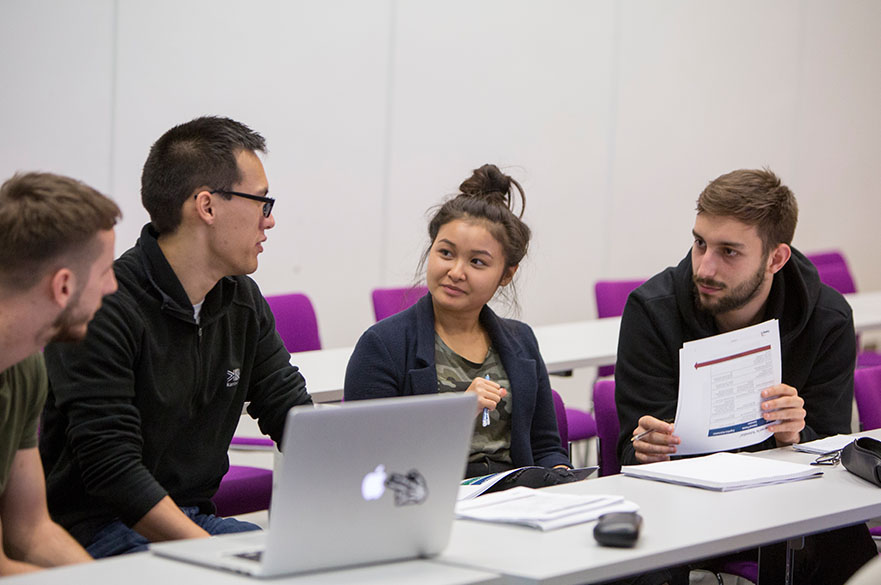
On this course, you’ll explore entrepreneurship from every angle. Enjoy genuine flexibility with a choice of specialist modules, the chance to complete an internship or year-long placement, the invitation to study on five different continents, and a host of hands-on consultancy projects with real businesses.
Entrepreneurs see the world differently. They’re visionaries. They crave independence. If you’re considering one of the UK’s fastest-growing entrepreneurship courses, then you’ve already got that spark inside you — the mindset, the skillset, and the passion. We’ll nurture those qualities, teaching you how to turn ideas into action.
Entrepreneurship is a journey. That journey starts here, at NTU.
-

Complete a paid placement
Our students have secured experience with big multinationals, and local SMEs.
-

Our students get great jobs
We’ve been ranked 1st in the UK for employability (Uni Compare 2025).
-

Study in the heart of Nottingham
One of the UK's top 10 student cities (QS Best Student Cities 2026).
-

Flexible learning
Blend projects, internships and international study for a truly unique learning experience.
What’s the difference between being ‘enterprising’ and ‘entrepreneurial’? What are the toughest challenges to starting up, and the biggest barriers to scaling up? How can you turn creative potential into attention-grabbing products and services, and develop the problem-solving, decision-making and risk-taking skills to become a true business visionary?
Entrepreneurs are doers, and this course is all about doing; working with companies of every shape and size, you’ll get the hands-on opportunities to explore, practise and perfect your business skills. Unlike other university courses, we span the whole spectrum of entrepreneurship — everything from launching your own business, to growing an existing one, to leading change from inside a large organisation (‘corporate entrepreneurship’, or intrapreneurship).
On our business management and entrepreneurship course, you’ll:
- get to grips with the essentials of business leadership — from accounting and finance, cashflow and profit, budgeting and break-even analysis, to holistic management strategies
- learn how companies achieve a competitive advantage with the vision, values and goals to stand out in crowded markets — and how clever marketing helps them to reach their target customers
- explore the importance of creativity in business, as well as the main challenges to innovation and growth — from social and cultural factors to the big-picture impact of economic and political changes
- work with real companies in the area of business management and entrepreneurship that matters most to you — choose a 60-credit project in starting up, scaling up, or ‘intrapreneurship’ (leading change from inside an organisation)
- have the chance in Year Two to complete a half-year entrepreneurship project, as you develop the hands-on practical skills to start or scale-up a business, in partnership with NTU Enterprise
- examine the new digital horizons of management and entrepreneurship — from big data to the growing influence of AI
- explore the social, ethical and environmental factors that today’s entrepreneurs need to be aware of — apply that knowledge for real by completing a business-facing Innovation Capability Assessment, and an optional emissions-focused sustainability project
- keep a close eye on your own personal and professional development — we’ll challenge your attitude to business, broaden your horizons, grow your key strengths, and show you what you’re truly capable of.
Module information
Here’s a breakdown of what you’ll be studying throughout the course:
This module introduces you to the dynamics of business and enterprise in the context of organisational growth, blending operations management theory with real-world challenges. You'll explore how different types of organisations, start-ups, SMEs, large businesses, and the public sector navigate decision-making, operational development, and strategic challenges. Emphasis is placed on the role of enterprise and entrepreneurship skills to design, deliver, and improve products and services, particularly in response to evolving customer preferences and sustainability pressures in a global landscape characterised by uncertainty and constant change.
20 credits
The aim of this module is to provide you with an understanding of the basic principles of marketing and operations. You will be introduced to core marketing and operations functions, and develop your understanding of the key concepts, frameworks and models within the area of marketing and operations.
You will develop the knowledge and skills needed to identify differing marketing orientations, in particular how organisations identify, understand and satisfy their customers. It will also provide you with the skills required to develop marketing objectives and to translate these into operational processes that satisfy the needs of the customer. Alongside all this, you will learn about the dynamic relationship between operations, organisational performance and competitive position, and will develop effective team building and communication skills.
20 credits
Both work and management are carried out by people the human resources of the organisation. The focus of this module is on the management of work in organisations, and will provide you with a holistic understanding from the viewpoint of both the worker and management. You will be introduced to the key applications, policies and practices that are involved in the management of human resources, and will analyse their underlying theoretical basis and the effects on the organisation and society in general.
20 credits
This module will introduce you to a range of skills, methods and knowledge that are applied by professional economists. It will enable you to offer a distinctive contribution to business and management decisions involving the deployment of globally scarce resources. The module will enable you to demonstrate a range of applications of economic ideas, principles and techniques, and to identify resource consequences of business and managerial decisions in a national and international context.
20 credits
The financial set-up of an organisation can impact its activities at both a strategic and operational level. This module introduces the theories, systems and approaches that organisations can implement to assure that the accounting and financing operations support the decision making and the overall control of the business. You will learn about accounting principles and techniques from a user perspective and understand the relevance of both financial reporting and accounting information and how it benefits all users, both external and internal to an organisation.
20 credits
Discover your strengths, develop your skills, and begin to shape your future. This module helps you identify the academic skills, personal qualities, and workplace competences you already possess, while guiding you to set focused personal and professional development goals. You'll build the confidence, knowledge, and skills to excel in your studies and prepare for future work placements and graduate roles.
20 credits
credits
credits
credits
credits
credits
credits
credits
credits
credits
credits
credits
credits
credits
credits
credits
credits
credits
credits
credits
credits
credits
credits
credits
credits
credits
credits
credits
credits
credits
credits
credits
credits
credits
credits
credits
credits
credits
credits
credits
credits
credits
credits
credits
credits
credits
credits
credits
credits
credits
credits
credits
credits
credits
credits
credits
credits
credits
credits
credits
credits
credits
credits
credits
credits
credits
credits
credits
credits
credits
credits
credits
credits
credits
credits
credits
credits
credits
credits
credits
credits
credits
credits
credits
credits
credits
credits
credits
credits
credits
credits
credits
credits
credits
credits
credits
credits
credits
credits
credits
credits
credits
credits
credits
credits
credits
credits
credits
credits
credits
credits
credits
credits
credits
credits
credits
credits
credits
credits
credits
credits
credits
credits
credits
credits
credits
credits
credits
credits
credits
credits
credits
credits
credits
credits
credits
credits
credits
credits
credits
credits
credits
credits
credits
credits
credits
credits
credits
credits
credits
credits
credits
credits
credits
credits
credits
credits
credits
credits
credits
credits
credits
credits
credits
credits
credits
credits
credits
credits
credits
First half of Year Two – Core modules
Step into the role of a senior decision-maker and explore how established organisations stay competitive in fast-moving markets. Using real business cases, you’ll diagnose strategic challenges, weigh up risk, performance, ethics and sustainability, and design entrepreneurial solutions that can work at scale. You’ll learn how big businesses innovate, adapt and make evidence-led decisions, building your confidence to think and contribute at a strategic level.
20 credits
Step inside real small and medium-sized enterprises and discover what it takes to survive, grow and stand out. You’ll engage directly with entrepreneurs from commercial and social ventures, using interviews and practical analysis to explore how they make decisions, respond to challenges and spot opportunities. You’ll apply strategic thinking to growth, operations and sustainability, building career-ready insight into the realities of entrepreneurial success.
20 credits
What does it take to turn bold ideas into real-world impact? You’ll explore how innovation happens in business, from spotting opportunities and testing ideas to using emerging technologies like AI. Through interactive sessions and the Innovation Lab, you’ll collaborate, prototype and think creatively while acting strategically and sustainably. You’ll build the confidence to challenge convention, solve complex problems and create value in changing markets.
20 credits
credits
credits
credits
credits
credits
credits
credits
credits
credits
credits
credits
credits
credits
credits
credits
credits
credits
credits
credits
credits
credits
credits
Second half of year Two
Entrepreneurship is a powerful catalyst for change—whether in launching new ventures, scaling existing enterprises, or driving innovation within established organisations. This module gives you the opportunity to tailor your learning to your own ambitions by choosing from three project pathways:
- Start up project: developing a start-up concept;
- Scale up project: accelerating the growth of an existing enterprise, or;
- Intrapreneurship project: exploring intrapreneurship within a larger organisation.
Whichever route you pursue, you will design and deliver a project that applies entrepreneurial thinking to real-world challenges, sharpening your ability to create value and lead innovation across diverse contexts.
60 credits
credits
credits
credits
credits
credits
credits
credits
credits
credits
credits
credits
credits
credits
credits
credits
credits
credits
credits
credits
credits
credits
credits
credits
credits
Instead of the Entrepreneurship Project module, you choose one of the following unique opportunities:
Experience life in another country by studying at one of our partner universities. Choose from a host of countries in Europe or go further afield and study in the USA, South America, Australasia and South East Asia. This is a great opportunity to develop your independence and explore another culture.
60 credits
Get a taste of the working world and gain some essential industry insight with a 12-15 week work placement. The experience will allow you to put your learning in to practice, with the experience gained improving your future career prospects, and sharpening your interpersonal and professional skills.
60 credits
credits
credits
credits
credits
credits
credits
credits
credits
credits
credits
credits
credits
credits
credits
credits
credits
credits
credits
credits
credits
credits
credits
credits
credits
credits
credits
credits
credits
credits
credits
credits
credits
credits
credits
credits
credits
credits
credits
credits
credits
credits
credits
credits
credits
credits
credits
credits
credits
credits
credits
credits
credits
credits
credits
credits
credits
credits
credits
credits
credits
credits
credits
credits
credits
credits
credits
credits
credits
credits
credits
credits
credits
credits
credits
credits
credits
credits
credits
credits
credits
credits
credits
credits
credits
credits
credits
credits
credits
credits
credits
credits
credits
credits
credits
credits
credits
credits
credits
credits
credits
credits
credits
credits
credits
credits
credits
credits
credits
credits
credits
credits
credits
credits
credits
credits
credits
credits
credits
credits
credits
credits
credits
credits
In your third year, you can choose to spend a year in industry, study at one of our international partner institutions, or continue straight through to your final year.
A placement year is a chance to test what you've learned in a real working environment and build your CV before you graduate. Our recent Business Management and Entrepreneurship students have secured placements with companies including Unilever, Disney, Enterprise Mobility and AirBus.
Studying abroad is a different kind of experience, but equally valuable. Time at an international partner institution builds the adaptability, independence and cross-cultural awareness that stand out on a graduate application.
Whatever path you choose, our Employability team is here to help you prepare, whether that's finding placements, exploring self-employment, volunteering or getting advice on further study. As an NTU graduate, you'll also retain access to their services for three years after you finish.
Continue with taught modules
If you choose not to take a placement year or study abroad, you’ll continue directly into your final year. Please see the ‘Final Year’ tab for your list of modules.
credits
credits
credits
credits
credits
credits
credits
credits
credits
credits
credits
credits
credits
credits
credits
credits
credits
credits
credits
credits
credits
credits
credits
credits
credits
credits
credits
credits
credits
credits
credits
credits
credits
credits
credits
credits
credits
credits
credits
credits
credits
credits
credits
credits
credits
credits
credits
credits
credits
credits
credits
credits
credits
credits
credits
credits
credits
credits
credits
credits
credits
credits
credits
credits
credits
credits
credits
credits
credits
credits
credits
credits
credits
credits
credits
credits
credits
credits
credits
credits
credits
credits
credits
credits
credits
credits
credits
credits
credits
credits
credits
credits
credits
credits
credits
credits
credits
credits
credits
credits
credits
credits
credits
credits
credits
credits
credits
credits
credits
credits
credits
credits
credits
credits
credits
credits
credits
credits
credits
credits
credits
credits
credits
credits
credits
credits
credits
credits
credits
credits
credits
credits
credits
credits
credits
credits
credits
credits
credits
credits
credits
credits
credits
credits
credits
credits
credits
credits
credits
credits
credits
credits
credits
credits
credits
credits
credits
credits
credits
credits
credits
credits
credits
credits
credits
credits
credits
credits
credits
credits
credits
credits
credits
credits
credits
Core modules
This module explores activity and developments from across the area of international and global marketing, including developments in world trade; ethical, environmental and sustainability issues; buyer behaviour and segmentation; developing an international strategy; and issues surrounding international marketing communications.
The module will also provide you with an advanced level of knowledge on the concepts of marketing at the various levels of export, international and global marketing; and a detailed understanding of the sources of international marketing information and the factors governing marketing research decisions at an international level. You will focus on how international marketing communication strategies are developed across a wide range of industries, sectors and organisations, whilst improving your research, analytical, communication, time management and team working skills.
20 credits
Explore how creativity, design and innovation drive growth, resilience and sustainability in organisations shaped by digital transformation. You’ll examine how creative ideas are developed and applied across different contexts, drawing on key theories and real-world perspectives. The module also looks at the challenges organisations face in turning creativity into impact, combining theory with practical, entrepreneurial skills.
20 credits
This module provides an opportunity for you to reflect on the skills and behaviours you've developed throughout your degree and put them to the test in a "live" consultancy project set by a real organisation. Working in a team with other students you'll address the brief and present your findings and recommendations to the client and your tutors. Later in the module you'll explore subject specific competences for career readiness and debate important themes on the agenda of all businesses such as diversity and inclusiveness, ethics and sustainability. By the end of the module, you'll have a sharper understanding of the impact you want to make to business and society and the confidence to take your next steps forward with purpose.
20 credits
This module will provide you with a global understanding of two key themes strategic management and entrepreneurship. Integrating these two concepts represents the latest critical thinking in the field of strategic management, meaning this module will develop your awareness and practice of strategy-making and entrepreneurial behaviour in different markets and cultures.
Whether you are interested in starting your own business, or in creating new and distinctive ways of working with customers and stakeholders in large organisations as well as in small to medium sized firms, the content of this module will be critical to your knowledge set.
During the module you will research and identify entrepreneurial opportunities, and identify features, determinants and characteristics of the entrepreneurial process, and the integration of such processes with strategy-making in organisations. You will also explore theories and concepts that explain the differences between emergent, growing and mature businesses, and develop an awareness of entrepreneurial practices and key concepts such as innovation, networking and entrepreneurial leadership.
20 credits
credits
credits
credits
credits
credits
credits
credits
credits
credits
credits
credits
credits
credits
credits
credits
credits
credits
credits
credits
credits
credits
Optional modules - choose one from:
For this module you will undertake a purposeful, individual, in depth study of a relevant topic, developing your independent learning, critical thinking and knowledge of research techniques relevant to your subject area. The project will develop your ability to manage a major piece of work, for which you will be completely responsible, and will be completed over a period of several months. You will learn to utilise and improve your time management and communication skills, as well as test your initiative and resourcefulness.
To support your development during this module you will study essential skills such as critical thinking, conducting a literature review, understanding the appropriate research framework, practical research methods and skills, report and academic writing skills.
20 credits
This module is designed to give you a deeper understanding of sustainability issues affecting firms. It incorporates a live consultancy experience, where you are required to apply your knowledge to critically review aspects of enterprise practice and infrastructure and recommend ways to reduce carbon emissions. You will learn how to critically review sustainability issues presented by an enterprise and analyse evidence, arguments, concepts and data to formulate sustainability and carbon management recommendations for an enterprise.
20 credits
credits
credits
credits
credits
credits
credits
credits
credits
credits
credits
credits
credits
credits
credits
credits
credits
credits
credits
credits
credits
credits
credits
credits
Optional modules - choose one from:
Working at a strategic level, this module will clarify how marketing, design, distribution, logistics and project management may be integrated, and help you to develop a broader and deeper understanding of how supply chain performance can be strategically improved.
You will cover a number of areas during the module including:
- looking at supply chains from a strategic and global perspective
- key concepts in supply chain improvement
- interpreting lean and agile supply
- supply chain dynamics forecasting, information flow and bullwhip
- design for the supply chain postponement, mass customisation, product life cycle, sustainability
- managing CSR in the supply chain sustainability, environment and transport
- managing risk in a supply chain.
20 credits
Influences of culture on management, and managing within and across diverse cultures, have become increasingly relevant in today's business world. This module aims to address the issues of cultural differences, and practical implications of the internationalisation of management, the organisation and its people.
Personal experiences of national and organisational cultures either through work in multinational corporations or travel far and wide provide a rich pool of experiences, stories and ordeals that can serve as important inputs into discussions and debates about management, organisations, people and cultural diversity. This module adds to this experience through theoretical and conceptual knowledge and frameworks concerning different management styles and philosophies from an International Human Resource Management perspective. It uses practical experience and current topical research and case studies to explore key debates and issues central to the international organisations. During this module you will examine and explore problems that arise from these matters and the solutions that are needed.
20 credits
In this module, you'll explore how organisations use data, information and knowledge to shape their strategy. You'll examine the role of technology in business decision-making, the importance of data literacy, and how organisations adapt to evolving challenges. Using real-world examples, you'll learn to distinguish between data, information, and knowledge, and understand their impact on shaping management practices and strategic opportunities. This module will equip you with the skills to navigate the complexities of digital transformation and make informed decisions in a data-driven environment.
20 credits
credits
credits
credits
credits
credits
credits
credits
credits
credits
credits
credits
credits
credits
credits
credits
credits
credits
credits
credits
credits
credits
credits
credits
credits
credits
credits
credits
credits
credits
credits
credits
credits
credits
credits
credits
credits
credits
credits
credits
credits
credits
credits
credits
credits
credits
credits
credits
credits
credits
credits
credits
credits
credits
credits
credits
credits
credits
credits
credits
credits
credits
credits
credits
credits
credits
credits
credits
credits
credits
credits
credits
credits
credits
credits
credits
credits
credits
credits
credits
credits
credits
credits
credits
credits
credits
credits
credits
credits
credits
credits
credits
credits
credits
credits
credits
credits
credits
credits
credits
credits
credits
credits
credits
credits
credits
credits
credits
credits
credits
credits
credits
credits
credits
credits
credits
credits
credits
credits
credits
credits
credits
credits
credits
credits
credits
credits
credits
credits
credits
credits
credits
credits
credits
credits
credits
credits
credits
credits
credits
credits
credits
credits
credits
credits
credits
credits
credits
credits
credits
credits
credits
credits
credits
credits
credits
credits
credits
credits
credits
credits
credits
credits
credits
credits
credits
credits
credits
credits
credits
credits
credits
credits
credits
credits
credits
credits
credits
credits
credits
credits
credits
credits
credits
credits
credits
credits
credits
credits
credits
credits
credits
credits
credits
credits
credits
credits
credits
credits
credits
credits
credits
credits
credits
credits
credits
credits
credits
credits
credits
credits
credits
credits
credits
credits
credits
credits
credits
credits
credits
credits
credits
credits
credits
credits
credits
credits
credits
credits
credits
credits
credits
credits
credits
credits
credits
credits
credits
credits
credits
credits
credits
credits
credits
credits
credits
credits
credits
credits
credits
credits
credits
credits
credits
credits
credits
credits
credits
credits
credits
credits
credits
credits
credits
credits
credits
credits
credits
credits
credits
credits
credits
credits
credits
credits
credits
credits
credits
credits
credits
credits
credits
credits
credits
credits
credits
credits
credits
credits
credits
credits
credits
credits
credits
credits
credits
credits
credits
credits
credits
credits
credits
credits
credits
credits
credits
credits
credits
credits
credits
credits
credits
credits
credits
credits
credits
credits
credits
credits
credits
credits
credits
credits
credits
credits
credits
credits
credits
credits
credits
credits
credits
credits
credits
credits
credits
credits
credits
credits
credits
credits
credits
credits
credits
credits
credits
credits
credits
credits
credits
credits
credits
credits
credits
credits
credits
credits
credits
credits
credits
credits
credits
credits
credits
credits
credits
credits
credits
credits
credits
credits
credits
credits
credits
credits
credits
credits
credits
credits
credits
credits
credits
credits
credits
credits
credits
credits
credits
credits
credits
credits
credits
credits
credits
credits
credits
credits
credits
credits
credits
credits
credits
credits
credits
credits
credits
credits
credits
credits
credits
credits
credits
credits
credits
credits
credits
credits
credits
credits
credits
credits
credits
credits
credits
credits
credits
credits
credits
credits
credits
credits
credits
credits
credits
credits
credits
credits
credits
credits
credits
credits
credits
credits
credits
credits
credits
credits
credits
credits
credits
credits
credits
credits
credits
credits
credits
credits
credits
credits
credits
credits
credits
credits
credits
credits
credits
credits
credits
credits
credits
credits
credits
credits
credits
credits
credits
credits
credits
credits
credits
credits
credits
credits
credits
credits
credits
credits
credits
credits
credits
credits
credits
credits
credits
credits
credits
credits
credits
credits
credits
credits
credits
credits
credits
credits
credits
credits
credits
credits
credits
credits
credits
credits
credits
credits
credits
credits
credits
credits
credits
credits
credits
credits
credits
credits
credits
credits
credits
credits
credits
credits
credits
credits
credits
credits
credits
credits
credits
credits
credits
credits
credits
credits
credits
credits
credits
credits
credits
credits
credits
credits
credits
credits
credits
credits
credits
credits
credits
credits
credits
credits
credits
credits
credits
credits
credits
credits
credits
credits
credits
credits
credits
credits
credits
credits
credits
credits
credits
credits
credits
credits
credits
credits
credits
credits
credits
credits
credits
credits
credits
credits
credits
credits
credits
credits
credits
credits
credits
credits
credits
credits
credits
credits
credits
credits
credits
credits
credits
credits
credits
credits
credits
credits
credits
credits
credits
credits
credits
credits
credits
credits
credits
credits
credits
credits
credits
credits
credits
credits
credits
credits
credits
credits
credits
credits
credits
credits
credits
credits
credits
credits
credits
credits
credits
credits
credits
credits
credits
credits
credits
credits
credits
credits
credits
credits
credits
credits
credits
credits
credits
credits
credits
credits
credits
credits
credits
credits
credits
credits
credits
credits
credits
credits
credits
credits
credits
credits
credits
credits
credits
credits
credits
credits
credits
credits
credits
credits
credits
credits
credits
credits
credits
credits
credits
credits
credits
credits
credits
credits
credits
credits
credits
credits
credits
credits
credits
credits
credits
credits
credits
credits
credits
credits
credits
credits
credits
credits
credits
credits
credits
credits
credits
credits
credits
credits
credits
credits
credits
credits
credits
credits
credits
credits
credits
credits
credits
credits
credits
credits
credits
credits
credits
credits
credits
credits
credits
credits
credits
credits
credits
credits
credits
credits
credits
credits
credits
credits
credits
credits
credits
credits
credits
credits
credits
credits
credits
credits
credits
credits
credits
credits
credits
credits
credits
credits
credits
credits
credits
credits
credits
credits
credits
credits
credits
credits
credits
credits
credits
credits
credits
credits
credits
credits
credits
credits
credits
credits
credits
credits
credits
credits
credits
credits
credits
credits
credits
credits
credits
credits
credits
credits
credits
credits
credits
credits
credits
credits
credits
credits
credits
credits
credits
credits
credits
credits
credits
credits
credits
credits
credits
credits
credits
credits
credits
credits
credits
credits
credits
credits
credits
credits
credits
credits
credits
credits
credits
credits
credits
credits
credits
credits
credits
credits
credits
credits
credits
credits
credits
credits
credits
credits
credits
credits
credits
credits
credits
credits
credits
credits
credits
credits
credits
credits
credits
credits
credits
credits
credits
credits
credits
credits
credits
credits
credits
credits
credits
credits
credits
credits
credits
credits
credits
credits
credits
credits
credits
credits
credits
credits
credits
credits
credits
credits
credits
credits
credits
credits
credits
credits
credits
credits
credits
credits
credits
credits
credits
credits
credits
credits
credits
credits
credits
credits
credits
credits
credits
credits
credits
credits
credits
credits
credits
credits
credits
credits
credits
credits
credits
credits
credits
credits
credits
credits
credits
credits
credits
credits
credits
credits
credits
credits
credits
credits
credits
credits
credits
credits
credits
credits
credits
credits
credits
credits
credits
credits
credits
credits
credits
credits
credits
credits
credits
credits
credits
credits
credits
credits
credits
credits
credits
credits
credits
credits
credits
credits
credits
credits
credits
credits
credits
credits
credits
credits
credits
credits
credits
credits
credits
credits
credits
credits
credits
credits
credits
credits
credits
credits
credits
credits
credits
credits
credits
credits
credits
credits
credits
credits
credits
credits
credits
credits
credits
credits
credits
credits
credits
credits
credits
credits
credits
credits
credits
credits
credits
credits
credits
credits
credits
credits
credits
credits
credits
credits
credits
credits
credits
credits
credits
credits
credits
credits
credits
credits
credits
credits
credits
credits
credits
credits
credits
credits
credits
credits
credits
credits
credits
credits
credits
credits
credits
credits
credits
credits
credits
credits
credits
credits
credits
credits
credits
credits
credits
credits
credits
credits
credits
credits
credits
credits
credits
credits
credits
credits
credits
credits
credits
credits
credits
credits
credits
credits
credits
credits
credits
credits
credits
credits
credits
credits
credits
credits
credits
credits
credits
credits
credits
credits
credits
credits
credits
credits
credits
credits
credits
credits
credits
credits
credits
credits
credits
credits
credits
credits
credits
credits
credits
credits
credits
credits
credits
credits
credits
credits
credits
credits
credits
credits
credits
credits
credits
credits
credits
credits
credits
credits
credits
credits
credits
credits
credits
credits
credits
credits
credits
credits
credits
credits
credits
credits
credits
credits
credits
credits
We regularly review our course content based on student and employer feedback to ensure they remain current and relevant. This may result in changes to module content or availability in future years. Optional modules will only run where there is sufficient demand. This will be determined on a case-by-case basis to protect the academic and student experience.
Student experience


Video Gallery
How you're taught
NTU is TEF ‘Gold’-rated for teaching and learning. One of our biggest assets is our team of lecturers and researchers — people who’ve walked the same entrepreneurial path, and who are here to share the secrets of independent, creative, successful business.
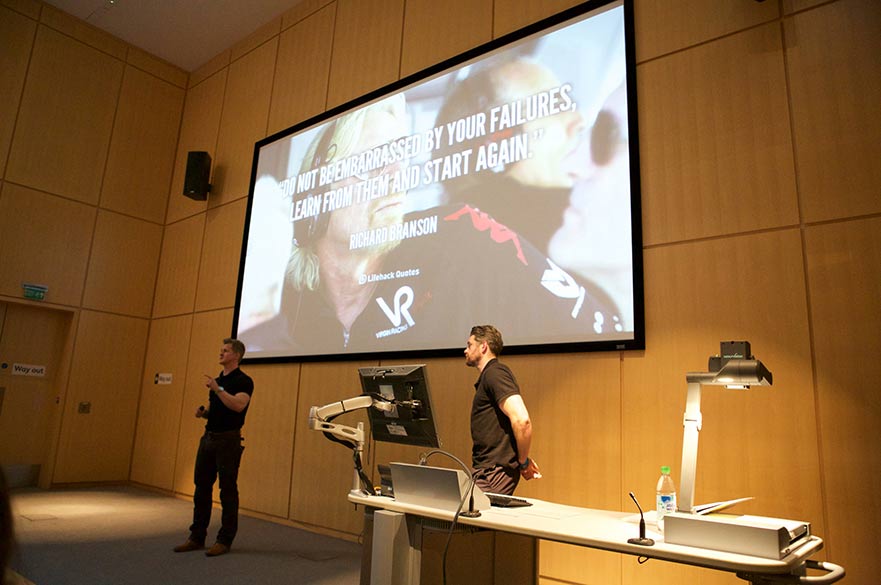
It’s the breadth of opportunities that defines this entrepreneurship course — the range of options, and the invitation to combine them all and create your own unique learning experience. Entrepreneurs bring business ideas to life, and that requires confidence; we’re here to make sure that confidence keeps on building through great experiences, exciting opportunities, and award-winning support. As well as learning through lectures, seminars, presentations and roleplaying, you’ll have the chance to:
- Work directly with companies — complete an internship in the second half of your second year, or a year-long placement in your third year of the sandwich route. SMEs are hungry for student and graduate talent: if you’re looking to launch or expand your own company, placements provide unparalleled insights into the opportunities, challenges and realities of modern business. You could even use your placement year to work on your own business idea!
- Study or work abroad, either in the second half of your second year (on the full-time programme) or for an extended half- or full-year trip in your third year (on the sandwich route). With partner universities spread across five continents, it’s a great opportunity.
- Network and collaborate. We’re a passionate, community-focused course. From NBS’ Entrepreneurship Hub to the mentoring expertise at the Dryden Enterprise Centre, to our ‘Conversation With…’ panel events, we’re here to help you make connections and start conversations. You’ll thrive off the entrepreneurial energy of your coursemates and tutors, the visiting business leaders, and our worldwide network of successful graduates.
- Experience the real-world of business and entrepreneurship. Whether it’s the second- year Entrepreneurship project, the dedicated Sustainability Project, or your own final-year Research Project, you’ll be investigating real challenges facing real companies, and doing it in real time.
How you're assessed
People learn in different ways, and we want each one of our students to have the best possible chance of success. Our diverse range of assessment methods includes group poster presentations, work with external companies, business reports, consultancy and research projects, and much, much more. Your overall profile of assessments depends on the optional modules you choose throughout your business management and entrepreneurship course — but we don’t require you to complete any closed-book, on-campus exams.
Contact hours
For each 20-credit module, you’ll spend about 200 hours learning overall. Around 40 of those hours will be taught in lectures or seminars. The rest of the time is for independent study, reading, research, or working on assignments.
Who will teach you?



Entry requirements
UK students
Standard offer: 112 UCAS Tariff points from up to four qualifications.
Contextual offer: 104 UCAS Tariff points from up to four qualifications.
To find out what qualifications have tariff points, please use our tariff calculator.
Additional requirements for UK students
There are no additional requirements for this course.
Contextual offers
If you don’t quite meet our entry requirements, we might be able to make you a lower offer based on a range of factors, including your background (such as where you live and the school or college you attended), your experiences and your individual circumstances (you may have been in care, for example). This is called a contextual offer, and we get data from UCAS to help make these decisions. We do this because we believe everyone with the potential to succeed at NTU should have the opportunity to do so, no matter what barriers you may face.
Meeting our entry requirements
Hundreds of qualifications in the UK have UCAS Tariff points attached to specific grades, including A-levels, BTECs, T Levels and many more. You can use your grades and points from up to four different qualifications to meet our criteria. Enter your predicted or achieved grades into our Tariff calculator to find out how many points your qualifications are worth.
Other qualifications and experience
NTU welcomes applications from students with non-standard qualifications and learning backgrounds, either for year one entry or for advanced standing beyond the start of a course into year 2 or beyond.
We consider study and/or credit achieved from a similar course at another institution (otherwise known as credit transfer), vocational and professional qualifications, and broader work or life experience.
Our Recognition of Prior Learning and Credit Transfer Policy outlines the process and options available for this route. If you wish to apply via Recognition of Prior Learning, please contact the central Admissions and Enquiries Team who will be able to support you through the process.
Getting in touch
If you need more help or information, get in touch through our enquiry form.
International students
Academic entry requirements: 112 UCAS Tariff points from up to four qualifications. We accept equivalent qualifications from all over the world. Please check your international entry requirements by country.
English language requirements: See our English language requirements page for requirements for your subject and information on alternative tests and Pre-sessional English.
Additional requirements for international students
If you need help achieving the academic entry requirements, we offer a Foundation preparation course for this degree. The course is offered through our partner Nottingham Trent International College (NTIC) based on our City Campus.
English language requirements
View our English language requirements for all courses, including alternative English language tests and country qualifications accepted by the University.
If you need help achieving the language requirements, we offer a Pre-Sessional English for Academic Purposes course on our City campus which is an intensive preparation course for academic study at NTU.
Other qualifications and experience
If you have the right level of qualifications, you may be able to start your Bachelors degree at NTU in year 2 or year 3. This is called ‘advanced standing’ entry and is decided on a case-by case basis after our assessment of your qualifications and experience.
You can view our Recognition of Prior Learning and Credit Transfer Policy which outlines the process and options available, such as recognising experiential learning and credit transfer.
Sign up for emails
Sign up to receive regular emails from the International Office. You'll hear about our news, scholarships and any upcoming events in your country with our expert regional teams.
Getting in touch
If you need advice about studying at NTU as an international student or how to apply, our international webpages are a great place to start. If you have any questions about your study options, your international qualifications, experience, grades or other results, please get in touch through our enquiry form. Our international teams are highly experienced in answering queries from students all over the world.
Policies
We strive to make our admissions procedures as fair and clear as possible. To find out more about how we make offers, visit our admissions policies page.