About this course
At NTU, we are developing Aerospace Engineers who are ready to solve practical engineering problems facing the aerospace industry. Aeronautical and aerospace engineering is one of the fastest growing industries in the UK. You’ll leave us well equipped to face today’s challenges and, as we focus on the future of flight, you’ll be ready for the industries next big challenges.
Sustainability is a particularly pertinent issue for engineers as many products are designed to have short life-span. That’s why we teach you sustainable design which facilitates the re-use, re-purposing or recycling of materials and components – it’s the focus of one of your first year projects and we have a whole module dedicated to it in your final years.
You’ll be learning from the best, with our expert lecturers and researcher who have extensive aerospace industry experience. Additionally, you will work on live industry projects and hear from guest speakers, both on campus and on company visits, to gain the latest knowledge of trends and techniques.
What’s the difference? BEng vs MEng
- This BEng (Hons) is a three-year undergraduate course — or four years if you choose to complete a work placement. If your academic performance is strong enough over the first two years, we’ll automatically offer you a place on the MEng course.
- The MEng (Hons) is a four-year course that leads to a single postgraduate qualification. The first two years are the same as the BEng course, with advanced, Masters-level study then spread across the third and fourth years.
Foundation Year
- We offer BEng (Hons) Aerospace Engineering (with foundation year) which you can apply for if you don't meet the entry criteria for this course. See our course page for foundation modules. This extra year will give you a solid foundation in maths, engineering and science, allowing you to progress on to BEng Aerospace Engineering or one of our other Engineering BEng courses in the School.
-

Top 25 University in UK
Study at one of the UK’s top 25 universities — The Guardian University Guide 2026.
-

Learn from the experts
at a university rated TEF ‘Gold’ for teaching and learning.
-

Study in fantastic facilities
– from drone labs and a wind tunnel to a section of a real aircraft , our Engineering building has everything you need to think and work like a professional engineer.
-
Top 10 in the UK
for student satisfaction in general engineering (Complete University Guide 2027).
Each year you'll take a combination of core modules to give you a solid grounding in engineering, specialist modules where you'll gain the specific skills needed for your particular subject area, and practical and project modules where you'll work on a task or project set by industry.
You’ll be taught through problem-solving and developing your engineering skills by taking part in several industry-led projects. These give you experience of what it is like to work as a professional engineer.
Recent projects have included reverse engineering everyday objects, designing an energy harvester, and using industry standard software packages to design and build a model bridge. The first year ends with a project set by industry, where you’ll work in small teams competing to come up with a winning concept to win the Grand Challenge - an engineering problem posed by industry.
Study abroad opportunities
Get ready to embark on an adventure with our study abroad programs at partner universities or by getting a work placement overseas. Both opportunities will boost your employability, build lifelong friendships, and allow you to experience the world in a whole new way.
Module information
Here’s a breakdown of what you’ll be studying throughout the course:
Study the aspects of materials, from a macroscopic perspective, including their key properties, mechanics, thermodynamics, measurement, instrumentation, electricity and electronics. This module develops the core knowledge and skills that are essential to engineers and to engineering.
20 credits
These core mathematical skills will inform the discipline specific mathematics and computing skills you will use in the design, manufacture and testing of engineered products in the coming years.
20 credits
Learn the physical and IT workshop skills required in the design and manufacture of products, including basic design methods and fabrication. In Terms One and Two the module is taught through a series of lectures and short projects, and includes industry training in Autodesk Fusion 360. In Term Three the module will culminate in a three-week Grand Challenge group project in which you will bring together the skills and techniques learned in this, and other, modules to solve an engineering challenge.
40 credits
Learn about principles of solid mechanics in the design and analysis of mechanical engineering components and systems, and the fundamentals of object motion and vibration. You'll develop solid and dynamic problem-solving skills for mechanical components.
20 credits
Study the principles of fluid (liquid and gas) motion and the transfer of heat from one system to another, and gain understanding of relationships between heat and other forms of energy. You'll learn how thermal energy is converted to and from other forms of energy and how it affects matter, and will study the principles and types of thermodynamic systems and processes.
20 credits
credits
credits
credits
credits
credits
credits
credits
credits
credits
credits
credits
credits
credits
credits
credits
credits
credits
credits
credits
credits
credits
credits
credits
credits
credits
credits
credits
credits
credits
credits
credits
credits
credits
credits
credits
credits
credits
credits
credits
credits
credits
credits
credits
credits
credits
credits
credits
credits
credits
credits
credits
credits
credits
credits
credits
credits
credits
credits
credits
credits
credits
credits
credits
credits
credits
credits
credits
credits
credits
credits
credits
credits
credits
credits
credits
credits
credits
credits
credits
credits
credits
credits
credits
credits
credits
credits
credits
credits
credits
credits
credits
credits
credits
credits
credits
credits
credits
credits
credits
credits
credits
credits
credits
credits
credits
credits
credits
credits
credits
credits
credits
credits
credits
credits
credits
credits
credits
credits
credits
credits
credits
credits
credits
credits
credits
credits
credits
credits
credits
credits
credits
credits
credits
credits
credits
credits
credits
credits
credits
credits
credits
credits
credits
credits
credits
credits
credits
credits
credits
credits
credits
credits
credits
credits
credits
credits
credits
credits
credits
credits
credits
credits
credits
credits
credits
credits
credits
credits
credits
credits
Examine the theory of digital systems and gain hands-on experience integrating computing and electronics in order to solve practical problems.
20 credits
Study a range of analytical and numerical techniques that are needed to solve mathematical models including; the approximation of functions using series; Fourier analysis; numerical integration and differentiation methods; and solutions of ordinary and partial differential equations.
20 credits
Through understanding the parts and materials involved in designing a product, you'll explore how a product should be manufactured. You'll consider the design and manufacture processes, materials, assembly, rapid prototyping, efficiency and tolerance, analysis of quality, product maintenance and safety, costs, sustainability, business and consumer needs.
20 credits
This module is a practical project-based module where you'll immerse yourself in engineering projects and product analysis. You'll use the practical and project related skills you've developed so far, alongside necessary project management skills to design and produce components and / or products.
20 credits
This module provides you with a sound understanding of the control theory applied to design of systems that control device behaviours (e.g. cars, aircrafts, air handling units, robots). You will be introduced to the conventional proportional-integral-derivative (PID) class of controllers and how to fix its parameters for simple linear servo control and how to adapt its parameters for more complex non-linear control.
20 credits
For aerospace engineers, understanding the complex dynamic and vibration environment of the aircraft is a vital part of the design process. In this module you will learn more about dynamics and extend this to vibration and aeroelastics. This module will also introduce you to ways of analysing dynamic systems in the laboratory and software environments.
20 credits
credits
credits
credits
credits
credits
credits
credits
credits
credits
credits
credits
credits
credits
credits
credits
credits
credits
credits
credits
credits
credits
credits
credits
credits
credits
credits
credits
credits
credits
credits
credits
credits
credits
credits
credits
credits
credits
credits
credits
credits
credits
credits
credits
credits
credits
credits
credits
credits
credits
credits
credits
credits
credits
credits
credits
credits
credits
credits
credits
credits
credits
credits
credits
credits
credits
credits
credits
credits
credits
credits
credits
credits
credits
credits
credits
credits
credits
credits
credits
credits
credits
credits
credits
credits
credits
credits
credits
credits
credits
credits
credits
credits
credits
credits
credits
credits
credits
credits
credits
credits
credits
credits
credits
credits
credits
credits
credits
credits
credits
credits
credits
credits
credits
credits
credits
credits
credits
credits
credits
credits
credits
credits
credits
credits
credits
credits
credits
credits
credits
credits
credits
credits
credits
credits
credits
credits
credits
credits
credits
credits
credits
credits
credits
credits
credits
credits
credits
credits
credits
credits
credits
credits
credits
credits
credits
credits
credits
credits
credits
credits
credits
credits
credits
credits
credits
credits
credits
credits
credits
Optional year-long work placement. If you are not taking a placement, you will progress directly to your final year in Year Three.
credits
credits
credits
credits
credits
credits
credits
credits
credits
credits
credits
credits
credits
credits
credits
credits
credits
credits
credits
credits
credits
credits
credits
credits
credits
credits
credits
credits
credits
credits
credits
credits
credits
credits
credits
credits
credits
credits
credits
credits
credits
credits
credits
credits
credits
credits
credits
credits
credits
credits
credits
credits
credits
credits
credits
credits
credits
credits
credits
credits
credits
credits
credits
credits
credits
credits
credits
credits
credits
credits
credits
credits
credits
credits
credits
credits
credits
credits
credits
credits
credits
credits
credits
credits
credits
credits
credits
credits
credits
credits
credits
credits
credits
credits
credits
credits
credits
credits
credits
credits
credits
credits
credits
credits
credits
credits
credits
credits
credits
credits
credits
credits
credits
credits
credits
credits
credits
credits
credits
credits
credits
credits
credits
credits
credits
credits
credits
credits
credits
credits
credits
credits
credits
credits
credits
credits
credits
credits
credits
credits
credits
credits
credits
credits
credits
credits
credits
credits
credits
credits
credits
credits
credits
credits
credits
credits
credits
credits
credits
credits
credits
credits
credits
credits
credits
credits
credits
credits
credits
credits
credits
credits
credits
credits
credits
Core modules
Develop your understanding and application of methods for setting, measuring, improving and monitoring performance in an engineering setting, to ensure quality and efficiency in the product lifecycle.
20 credits
Bring together the knowledge, understanding and skills developed during the course of your degree to undertake an individual industrial or research project of your own choosing. You'll investigate an engineering problem, implement solutions, critically evaluate and reflect on your work, and develop your abilities to communicate, self-organise and manage.
40 credits
This module introduces you to the recent advances in aerospace technology being used to give a competitive advantage in both sustainable civilian transport and defence. Through working in a group and designing an aerospace device, you'll explore different types and applications of aerospace technologies and their ethical, safety, social and economic impacts.
20 credits
credits
credits
credits
credits
credits
credits
credits
credits
credits
credits
credits
credits
credits
credits
credits
credits
credits
credits
credits
credits
credits
credits
Optional modules - choose two
How do you make something that can fly safely without a pilot, within the law, and can be sold for a profit? This module is intended to answer all these questions. You'll design, fabricate and test engineered products before reporting on the function of the product and assess feasibility for manufacture and sale.
20 credits
Novel propulsions are becoming increasingly used in aerospace as the sector seeks to meet Net Zero Carbon.You'll be introduced to the fundamentals of aircraft propulsion, exploring different types and applications of propulsion systems. Also, you will discuss the ethical, safety, social and economic impacts of using these technologies.
20 credits
All too often, the most brilliant technical products are not used to their full potential because users are unable to operate them. This module will give you an understanding of what limits human performance including physical capability, mental agility and organisational systems. It will consider how to design products for targeted specialist users, or for the wider population.
20 credits
What happens to a product when it reaches the end of its useful life? As technology advances rapidly, many of the things we use become obsolete very quickly. This module considers designing for sustainability, and choosing materials and components that can be reused, repurposed or recycled.
20 credits
Learn about the theory and practice of embedded electronics through the use of a small-scale development project on an embedded platform. You will be equipped with a deeper understanding of electronic devices and sensor systems; from semiconductor technology through data acquisition and control to the design of embedded systems.
20 credits
Develop your capacity to design, fabricate and test engineered products whose function is primarily of a mechanical nature; power source / controllers, frames, levers, joints, linkages, gears, belts / chains.
20 credits
Understand Industry 4.0 and how Cyber-Physical System (CPS) technology is attempting to make the products and systems smart and autonomous. By using real case studies from industry, you'll explore the challenges and solutions that Industry 4.0 poses and gain insights into how 'smartness' is being harnessed from data.
20 credits
credits
credits
credits
credits
credits
credits
credits
credits
credits
credits
credits
credits
credits
credits
credits
credits
credits
credits
credits
credits
credits
credits
credits
credits
credits
credits
credits
credits
credits
credits
credits
credits
credits
credits
credits
credits
credits
credits
credits
credits
credits
credits
credits
credits
credits
credits
credits
credits
credits
credits
credits
credits
credits
credits
credits
credits
credits
credits
credits
credits
credits
credits
credits
credits
credits
credits
credits
credits
credits
credits
credits
credits
credits
credits
credits
credits
credits
credits
credits
credits
credits
credits
credits
credits
credits
credits
credits
credits
credits
credits
credits
credits
credits
credits
credits
credits
credits
credits
credits
credits
credits
credits
credits
credits
credits
credits
credits
credits
credits
credits
credits
credits
credits
credits
credits
credits
credits
credits
credits
credits
credits
credits
credits
credits
credits
credits
credits
credits
credits
credits
credits
credits
credits
credits
credits
credits
credits
credits
credits
credits
credits
credits
credits
credits
credits
credits
credits
credits
credits
credits
credits
credits
credits
credits
credits
credits
credits
credits
credits
credits
credits
credits
credits
credits
credits
credits
credits
credits
credits
credits
credits
credits
credits
credits
credits
credits
credits
credits
credits
credits
credits
credits
credits
credits
credits
credits
credits
credits
credits
credits
credits
credits
credits
credits
credits
credits
credits
credits
credits
credits
credits
credits
credits
credits
credits
credits
credits
credits
credits
credits
credits
credits
credits
credits
credits
credits
credits
credits
credits
credits
credits
credits
credits
credits
credits
credits
credits
credits
credits
credits
credits
credits
credits
credits
credits
credits
credits
credits
credits
credits
credits
credits
credits
credits
credits
credits
credits
credits
credits
credits
credits
credits
credits
credits
credits
credits
credits
credits
credits
credits
credits
credits
credits
credits
credits
credits
credits
credits
credits
credits
credits
credits
credits
credits
credits
credits
credits
credits
credits
credits
credits
credits
credits
credits
credits
credits
credits
credits
credits
credits
credits
credits
credits
credits
credits
credits
credits
credits
credits
credits
credits
credits
credits
credits
credits
credits
credits
credits
credits
credits
credits
credits
credits
credits
credits
credits
credits
credits
credits
credits
credits
credits
credits
credits
credits
credits
credits
credits
credits
credits
credits
credits
credits
credits
credits
credits
credits
credits
credits
credits
credits
credits
credits
credits
credits
credits
credits
credits
credits
credits
credits
credits
credits
credits
credits
credits
credits
credits
credits
credits
credits
credits
credits
credits
credits
credits
credits
credits
credits
credits
credits
credits
credits
credits
credits
credits
credits
credits
credits
credits
credits
credits
credits
credits
credits
credits
credits
credits
credits
credits
credits
credits
credits
credits
credits
credits
credits
credits
credits
credits
credits
credits
credits
credits
credits
credits
credits
credits
credits
credits
credits
credits
credits
credits
credits
credits
credits
credits
credits
credits
credits
credits
credits
credits
credits
credits
credits
credits
credits
credits
credits
credits
credits
credits
credits
credits
credits
credits
credits
credits
credits
credits
credits
credits
credits
credits
credits
credits
credits
credits
credits
credits
credits
credits
credits
credits
credits
credits
credits
credits
credits
credits
credits
credits
credits
credits
credits
credits
credits
credits
credits
credits
credits
credits
credits
credits
credits
credits
credits
credits
credits
credits
credits
credits
credits
credits
credits
credits
credits
credits
credits
credits
credits
credits
credits
credits
credits
credits
credits
credits
credits
credits
credits
credits
credits
credits
credits
credits
credits
credits
credits
credits
credits
credits
credits
credits
credits
credits
credits
credits
credits
credits
credits
credits
credits
credits
credits
credits
credits
credits
credits
credits
credits
credits
credits
credits
credits
credits
credits
credits
credits
credits
credits
credits
credits
credits
credits
credits
credits
credits
credits
credits
credits
credits
credits
credits
credits
credits
credits
credits
credits
credits
credits
credits
credits
credits
credits
credits
credits
credits
credits
credits
credits
credits
credits
credits
credits
credits
credits
credits
credits
credits
credits
credits
credits
credits
credits
credits
credits
credits
credits
credits
credits
credits
credits
credits
credits
credits
credits
credits
credits
credits
credits
credits
credits
credits
credits
credits
credits
credits
credits
credits
credits
credits
credits
credits
credits
credits
credits
credits
credits
credits
credits
credits
credits
credits
credits
credits
credits
credits
credits
credits
credits
credits
credits
credits
credits
credits
credits
credits
credits
credits
credits
credits
credits
credits
credits
credits
credits
credits
credits
credits
credits
credits
credits
credits
credits
credits
credits
credits
credits
credits
credits
credits
credits
credits
credits
credits
credits
credits
credits
credits
credits
credits
credits
credits
credits
credits
credits
credits
credits
credits
credits
credits
credits
credits
credits
credits
credits
credits
credits
credits
credits
credits
credits
credits
credits
credits
credits
credits
credits
credits
credits
credits
credits
credits
credits
credits
credits
credits
credits
credits
credits
credits
credits
credits
credits
credits
credits
credits
credits
credits
credits
credits
credits
credits
credits
credits
credits
credits
credits
credits
credits
credits
credits
credits
credits
credits
credits
credits
credits
credits
credits
credits
credits
credits
credits
credits
credits
credits
credits
credits
credits
credits
credits
credits
credits
credits
credits
credits
credits
credits
credits
credits
credits
credits
credits
credits
credits
credits
credits
credits
credits
credits
credits
credits
credits
credits
credits
credits
credits
credits
credits
credits
credits
credits
credits
credits
credits
credits
credits
credits
credits
credits
credits
credits
credits
credits
credits
credits
credits
credits
credits
credits
credits
credits
credits
credits
credits
credits
credits
credits
credits
credits
credits
credits
credits
credits
credits
credits
credits
credits
credits
credits
credits
credits
credits
credits
credits
credits
credits
credits
credits
credits
credits
credits
credits
credits
credits
credits
credits
credits
credits
credits
credits
credits
credits
credits
credits
credits
credits
credits
credits
credits
credits
credits
credits
credits
credits
credits
credits
credits
credits
credits
credits
credits
credits
credits
credits
credits
credits
credits
credits
credits
credits
credits
credits
credits
credits
credits
credits
credits
credits
credits
credits
credits
credits
credits
credits
credits
credits
credits
credits
credits
credits
credits
credits
credits
credits
credits
credits
credits
credits
credits
credits
credits
credits
credits
credits
credits
credits
credits
credits
credits
credits
credits
credits
credits
credits
credits
credits
credits
credits
credits
credits
credits
credits
credits
credits
credits
credits
credits
credits
credits
credits
credits
credits
credits
credits
credits
credits
credits
credits
credits
credits
credits
credits
credits
credits
credits
credits
credits
credits
credits
credits
credits
credits
credits
credits
credits
credits
credits
credits
credits
credits
credits
credits
credits
credits
credits
credits
credits
credits
credits
credits
credits
credits
credits
credits
credits
credits
credits
credits
credits
credits
credits
credits
credits
credits
credits
credits
credits
credits
credits
credits
credits
credits
credits
credits
credits
credits
credits
credits
credits
credits
credits
credits
credits
credits
credits
credits
credits
credits
credits
credits
credits
credits
credits
credits
credits
credits
credits
credits
credits
credits
credits
credits
credits
credits
credits
credits
credits
credits
credits
credits
credits
credits
credits
credits
credits
credits
credits
credits
credits
credits
credits
credits
credits
credits
credits
credits
credits
credits
credits
credits
credits
credits
credits
credits
credits
credits
credits
credits
credits
credits
credits
credits
credits
credits
credits
credits
credits
credits
credits
credits
credits
credits
credits
credits
credits
credits
credits
credits
credits
credits
credits
credits
credits
credits
credits
credits
credits
credits
credits
credits
credits
credits
credits
credits
credits
credits
credits
credits
credits
credits
credits
credits
credits
credits
credits
credits
credits
credits
credits
credits
credits
credits
credits
credits
credits
credits
credits
credits
credits
credits
credits
credits
credits
credits
credits
credits
credits
credits
credits
credits
credits
credits
credits
credits
credits
credits
credits
credits
credits
credits
credits
credits
credits
credits
credits
credits
credits
credits
credits
credits
credits
credits
credits
credits
credits
credits
credits
credits
credits
credits
credits
credits
credits
credits
credits
credits
credits
credits
credits
credits
credits
credits
credits
credits
credits
credits
credits
credits
credits
credits
credits
credits
credits
credits
credits
credits
credits
credits
We regularly review our course content based on student and employer feedback to ensure they remain current and relevant. This may result in changes to module content or availability in future years. Optional modules will only run where there is sufficient demand. This will be determined on a case-by-case basis to protect the academic and student experience.
Student Work
Video Gallery
How you're taught
You’ll learn through a mix of:
- lectures - covering the key theories
- seminars - smaller-group sessions perfect for learning key skills and collaborative working
- practical sessions - using our extensive range of industry-standard facilities
- workshops - this includes surgery sessions where you’ll meet with your lecturer in small groups to discuss any problems or work through challenging topics.
The rest of your time will be spent carrying out independent study such as reading textbooks and lecture notes, and working on exercises.
All our engineering courses are taught through problem-solving and developing the right abilities to make you the very best engineer you can be. This is achieved by developing your engineering skills and knowledge through participation in several industry-led projects each year. These projects are put forward by industry to make you think, work and behave like a professional engineer. You'll also get to use the equipment used by engineering organisations across the globe.
These projects will inspire your creativity and give you experience in taking your idea from concept through to production. Projects include:
RevEng – Reverse Engineering
You will deconstruct everyday objects in order to gain understanding in design principles and consider potential improvements in terms of sustainability, manufacturing processes and cost.
Autodesk – Design Challenge
A three-day CAD training course on Autodesk Fusion, a powerful industry standard software package, followed by a Design Challenge set by industry. You will work in groups, applying the CAD skills you gained, to meet the brief set by industry.
Mars Lander
Design a landing system to carry a given payload from orbit to the surface of Mars, using the engineering fundamental principles you have learned during your modules.
Laser cutting, 3D printing (Bridge, Light Pier support)
An industry standard software package will be used to design and model a bridge and a light pier support structure. You will be trained in using laser cutting and 3D printing, to build prototypes. Using the skills you gained during your modules you will make structures to withstand a given load.
Grand Challenge
Mark the end of your first year with this concept design project set by industry. You’ll present your results at an end of year show.
Research-informed teaching
Our research is tackling real-world issues – and the people working on this research will be teaching you. It also informs the subjects you’ll be studying with us so you can be sure your knowledge will be cutting-edge in your field. In the last Research Excellence Framework (REF 2021) - the UK's system for assessing the quality and impact of research in universities - we’re proud that 98% of NTU's Engineering submission was assessed to be world-leading or internationally excellent.
Learn a new language
Alongside your study you also have the opportunity to learn a new language. The University Language Programme (ULP) is available to all students and gives you the option of learning a totally new language or improving the skills you already have. Find out more about the ULP.
How you're assessed
People excel in different ways, and we want everybody to have the best possible chance of success. That’s why we’ve adopted a range of assessment types, including:
- coursework, including group projects, case studies, dissertation and other assignments
- practical assessments, such as individual and group presentations, laboratory assessments and reports
- exams and tests, including formal exams, written tests and multiple-choice.
Contact hours
For each 20-credit module, you’ll spend about 200 hours learning overall. Around 40 of those hours will be taught in labs, lectures or seminars. The rest of the time is for independent study, reading, research, or working on assignments.
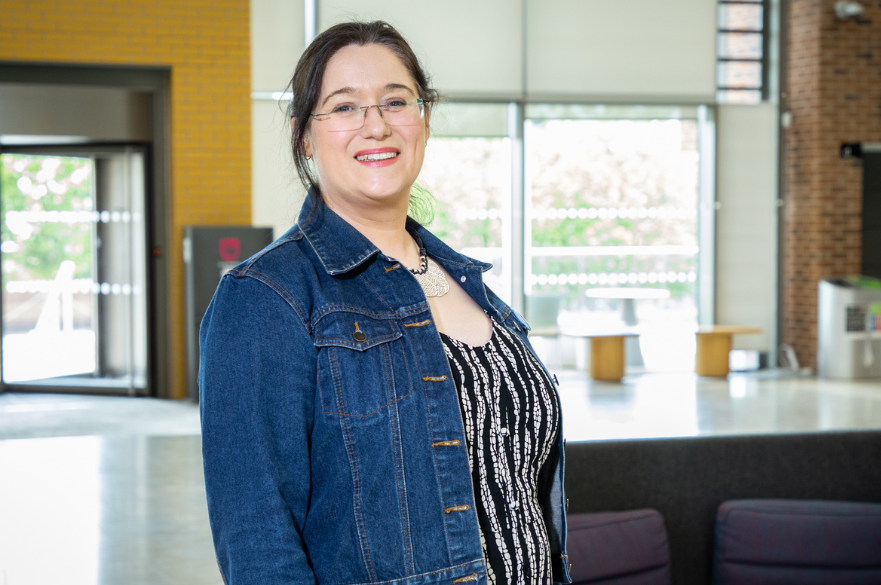
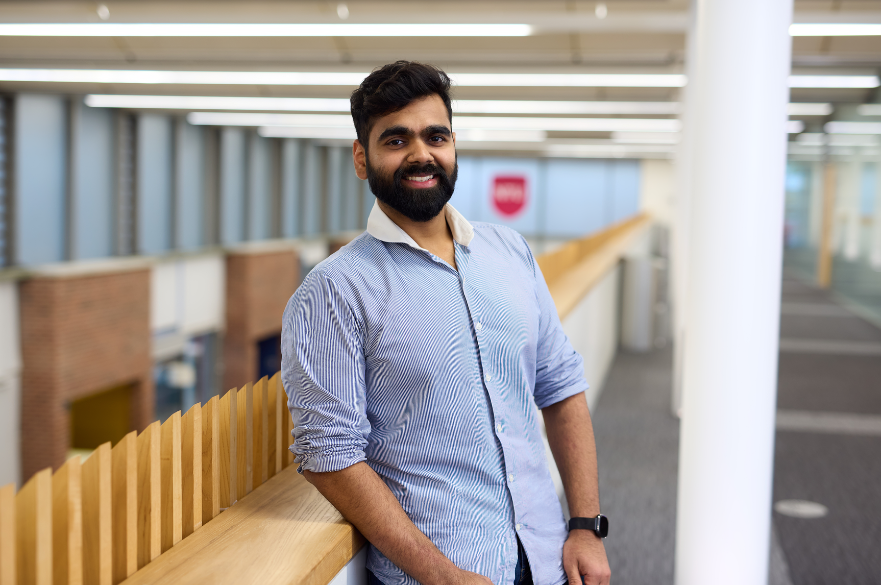
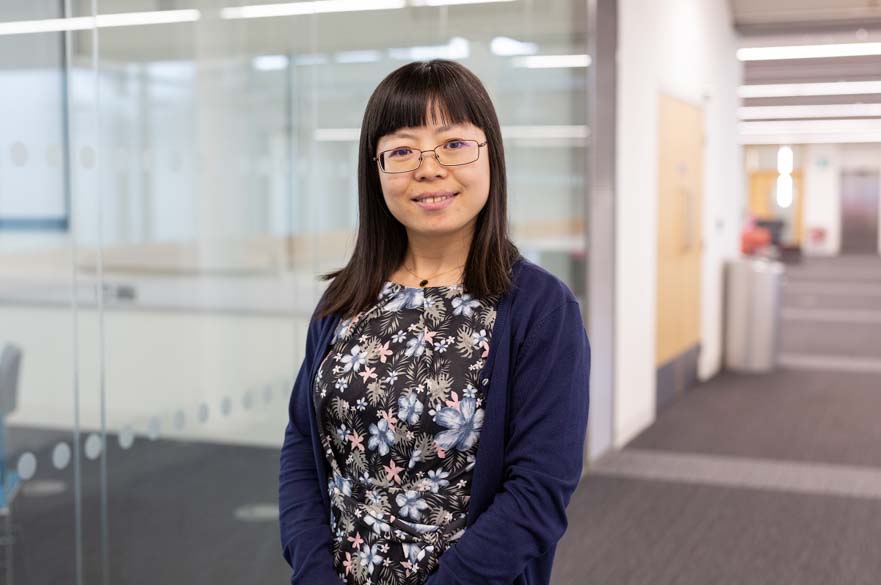
Who will teach you?

Entry requirements
UK students
- Standard offer: 112 UCAS Tariff points from up to four qualifications including A-level equivalent Maths grade C
- Contextual offer: 104 UCAS Tariff points from up to four qualifications including A-level equivalent Maths grade C
To find out what qualifications have tariff points, please use our tariff calculator.
Additional requirements for UK students
*We accept the BTEC Extended Diplomas below. If you are studying a different BTEC Extended Diploma you will also need a suitable level 3 Mathematics qualification.
- Extended Diploma in Engineering
- Extended Diploma in Electronic Engineering
- Extended Diploma in Mechanical Engineering.
Contextual offers
If you don’t quite meet our entry requirements, we might be able to make you a lower offer based on a range of factors, including your background (such as where you live and the school or college you attended), your experiences and your individual circumstances (you may have been in care, for example). This is called a contextual offer, and we get data from UCAS to help make these decisions. We do this because we believe everyone with the potential to succeed at NTU should have the opportunity to do so, no matter what barriers you may face.
Meeting our entry requirements
Hundreds of qualifications in the UK have UCAS Tariff points attached to specific grades, including A-levels, BTECs, T Levels and many more. You can use your grades and points from up to four different qualifications to meet our criteria. Enter your predicted or achieved grades into our Tariff calculator to find out how many points your qualifications are worth.
Other qualifications and experience
NTU welcomes applications from students with non-standard qualifications and learning backgrounds, either for year one entry or for advanced standing beyond the start of a course into year 2 or beyond.
We consider study and/or credit achieved from a similar course at another institution (otherwise known as credit transfer), vocational and professional qualifications, and broader work or life experience.
Our Recognition of Prior Learning and Credit Transfer Policy outlines the process and options available for this route. If you wish to apply via Recognition of Prior Learning, please contact the central Admissions and Enquiries Team who will be able to support you through the process.
Getting in touch
If you need more help or information, get in touch through our enquiry form.
International students
- Academic entry requirements: 112 UCAS Tariff points from up to four qualifications including A-level equivalent Maths grade C. We accept equivalent qualifications from all over the world. Please check your international entry requirements by country.
- English language requirements: See our English language requirements page for requirements for your subject and information on alternative tests and Pre-sessional English.
Additional requirements for international students
*We accept the BTEC Extended Diplomas below. If you are studying a different BTEC Extended Diploma you will also need a suitable level 3 Mathematics qualification.
- Extended Diploma in Engineering
- Extended Diploma in Electronic Engineering
- Extended Diploma in Mechanical Engineering.
If you need help achieving the academic entry requirements, we offer a Foundation preparation course for this degree. The course is offered through our partner Nottingham Trent International College (NTIC) based on our City Campus.
English language requirements
View our English language requirements for all courses, including alternative English language tests and country qualifications accepted by the University.
If you need help achieving the language requirements, we offer a Pre-Sessional English for Academic Purposes course on our City campus which is an intensive preparation course for academic study at NTU.
Other qualifications and experience
If you have the right level of qualifications, you may be able to start your Bachelors degree at NTU in year 2 or year 3. This is called ‘advanced standing’ entry and is decided on a case-by case basis after our assessment of your qualifications and experience.
You can view our Recognition of Prior Learning and Credit Transfer Policy which outlines the process and options available, such as recognising experiential learning and credit transfer.
Sign up for emails
Sign up to receive regular emails from the International Office. You'll hear about our news, scholarships and any upcoming events in your country with our expert regional teams.
Getting in touch
If you need advice about studying at NTU as an international student or how to apply, our international webpages are a great place to start. If you have any questions about your study options, your international qualifications, experience, grades or other results, please get in touch through our enquiry form. Our international teams are highly experienced in answering queries from students all over the world.
Policies
We strive to make our admissions procedures as fair and clear as possible. To find out more about how we make offers, visit our admissions policies page.